Is Oral Hygiene Necessary Before Implant Procedures?
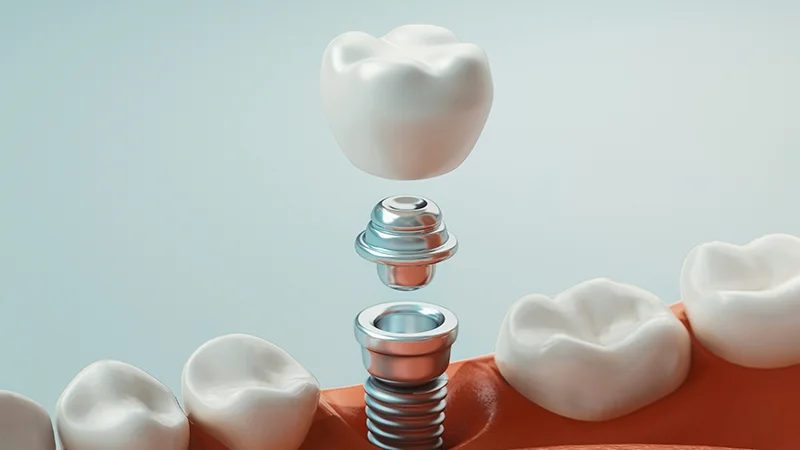
Titanium root surgeries applied to the jawbone for the purpose of compensating tooth deficiencies are delicate medical interventions where biomedical engineering integrates with biology. The acceptance and incorporation of an inorganic material by human bone (osteointegration) depends on the surgical site being free from infection and operating within the usual limits of the binding systems. The oral cavity is an active ecosystem that harbors billions of microorganisms, and making a surgical incision in this environment exposes the underlying sterile jawbone to bacterial assault.
Is Oral Hygiene Necessary Before Implant Procedures and What is Its Role in Medical Planning?
The fundamental principle in jaw surgery is to convert the intervention area into an environment that is as sterile (having minimal microbial load) as possible. Dental calculus accumulation around natural teeth or existing prosthetics has extremely porous surfaces. Aggressive bacteria that thrive in anaerobic environments and have the potential to erode jawbone colonize these porous masses.
When the surgeon opens the gum (flap) to place the titanium material in the bone, the bacteria accumulated in the adjacent teeth directly enter the bloodstream and assault the sterile jawbone. When the surface of the newly placed titanium screw is contaminated (infected) by these bacteria, the body’s repair cells (osteoblasts) cannot adhere to the screw; instead, the immunological system reacts by filling the area with inflammatory fluid, expelling the material. Therefore, cleaning all tartar and infection sites in the mouth with medical ultrasonic devices before starting the surgical procedure forms the structural basis for the surgery.
How Does the Presence of Tartar Affect the Surgical Operation Area?
The tartar deposits in the mouth not only harbor bacteria but also continuously penetrate the gum like a physical thorn, causing mechanical irritation. In response, the body pumps increased blood to that area (hyperemia); the gum swells, becomes red, and loses tissue vitality, taking on a loose (spongy) form.
For a surgeon, the ideal working environment is a tissue of light pink color, non-bleeding, and firm (fibrotic) gum tissue. When an incision is made in an inflamed tissue, the significant bleeding that occurs in the form of leakage makes it difficult for the physician to clearly see the anatomical boundaries within the bone (nerve pathways or sinus cavities). At the end of the operation, the stitches placed to close the titanium root cannot hold the inflamed, softened, and cheese-like gum tissue, causing the stitches to tear the tissue. Therefore, the calculus on the teeth is first removed, the tissue is allowed to regain its physiological firmness, and then the surgical stage is initiated.
How are Surgical Pre-Procedure Hygiene Protocols Managed at Avrupadent Clinics in Izmir?At Avrupadent, which provides services with institutional standards in Izmir, the process is carried out through the multidisciplinary coordination of the fields of jaw surgery and periodontology. The patient’s oral flora is examined using clinical probing and radiological data; all mineralized plaque is removed with ultrasonic instruments, both supra-gingival (above the gum line) and sub-gingival (below the gum line), followed by planning the necessary medical time frame for cellular recovery of the tissue.
The treatment approach of modern medical organizations aims to improve the entire oral flora, moving beyond a localized view that only focuses on the deficient area. When planning to compensate for a deficiency in one area, the potential for a gum infection in another corner of the mouth to be transferred to the surgical site via systemic routes is not overlooked.Medical Preparation Stages:
\t- Diagnosis and Measurement: The depths of the gum tissue (sulcus) are measured millimetrically using specialized periodontal instruments to map how far the inflammation has penetrated into the bone.
- Mechanical Cleaning (Detartraj): The ultrasonic cavitation devices break down dental stones through vibrations and polish the tooth surfaces to a pristine state with polishing pastes, thereby limiting new plaque accumulation.
- Tissue Revision and Approval: After the cleaning procedure, the physiological response of the tissue is evaluated by medical boards. Approval for jaw surgery is given once the gum has reached a pink and tense structure.
Is Root Surface Flattening (Curettage) Procedure Required for Every Patient?
Root surface flattening (deep curettage) is not a standard procedure for every patient; it is planned in specific clinical scenarios where inflammation extends below the gum line, leading to bone loss (periodontitis) and the formation of deep pathological pockets. In cases where superficial cleaning is insufficient, toxic deposits on the tooth roots are removed with special hand instruments, providing a sterile base for bone surgery.While dental stone cleaning (detartraj) and curettage procedures are often confused in society, they differ in medical intervention depth. Detartraj is solely the removal of visible stains and stones present in the mouth. However, in cases neglected for many years, microorganisms seep inside the gum tissue, descending towards the tooth root and reaching unseen, deep areas where they form a toxic layer.
When doctors detect pathological pockets (sulci) deeper than 4 millimeters during radiological examinations or probing, they apply local anesthesia to that area and use a fine-tipped tool known as a medical curette to access beneath the gum tissue. They carefully scrape away the infected tissues and hardened biofilm layer formed on the root surface. Once the root surface reaches a glass-like purity, the gum tissue shows a tendency to reattach (adhesion) to this root. Placing a titanium root into the socket without thoroughly cleaning deep infection foci can allow the infection to infiltrate the artificial material.
How Long Should One Wait Between Cleaning Procedures and Surgical Operations?
After the cleaning of dental calculus and smoothing of the root surface, a biological waiting period of one to three weeks is observed depending on the depth of the procedure to allow bleeding in the mucosal tissue to stop and microscopic edema to subside. This physiological process supports the tissue in achieving a firm and resilient anatomical form necessary for surgical intervention as it epithelializes (closes up).In medical procedures, it is essential to respect the body’s own repair rhythm. When doctors clean dental calculus with ultrasonic instruments, the tissue previously compressed by those stones is freed. However, the capillaries within that tissue are still in a widened state, and a slight inflammation (repair activity) continues at the cellular level.
Medical Waiting Schedule After Periodontal Procedures Applied Hygiene Procedure Average Waiting Period Physiological Purpose of Waiting Standard Detartrage (Dental Calculus Cleaning) 7 – 10 Days Reduction of superficial edema, return of gum margins to a non-bleeding and pale pink physiological color. Subgingival Curettage (Deep Cleaning) 14 – 21 Days Reattachment of the gingival tissue in deep pockets to the root surface (reattachment) and ensuring the viability of the mucosa. Acute Infection Drainage (Abscess Cleaning) 4 – 6 Weeks (If necessary, with antibiotic accompaniment) Complete removal of inflammation from the bone and achieving sterile tissue that will accept titanium material in the area.
How Does the Microbial Load in Oral Flora Affect Cellular Integration (Osteointegration)?
The presence of dense pathogenic bacteria in the wound environment at the critical stage when titanium material is implanted in the jawbone causes the body’s repair cells (osteoblasts) to be replaced by defense cells (leukocytes) in the area. This cellular battle hinders the bone’s adherence to the titanium surface (osteointegration), leading to the formation of flexible connective tissue around the material instead of hard bone, and ultimately results in material loss.Osteointegration is the process in which a foreign material is integrated into the human body at a cellular level as if it were an organ. For this biological miracle to take place, the wound area must be free of microbes. When a titanium screw is placed into the bone, the micro-pores on its surface attract blood proteins like a net. If bacteria leaking from dental calculus settle within this blood clot, the body goes into alarm mode.
The osseointegration system sends a signal saying, “there is a bacterial invasion here, stop enclosing the titanium and fight the bacteria.” The activity of the cells responsible for forming bone halts. The area fills with an inflammatory fluid, and the jawbone retreats by self-dissolving from that area. As a result, the titanium screw begins to wobble in the wound instead of bonding with the bone. The only way to limit this pathological rejection mechanism before it begins is to implement an aggressive oral hygiene (cleaning) protocol before the operation.
How Should Patients’ Home Care Hygiene Be After Tooth Cleaning?To maintain the microbial cleanliness achieved in a clinical setting until the day of the operation, individuals must perform mechanical brushing at least twice a day, remove plaque between their teeth using dental floss and interdental brushes, and chemically suppress the growth of pathogens in the oral flora by using the antiseptic mouth rinses containing chlorhexidine as prescribed by the dentist.
The detailed scaling or curettage procedure performed in the dentist’s chair is only the starting (baseline) point of oral hygiene. Human saliva continuously transports new bacteria and minerals. During the two-week period between leaving the dentist for cleaning and the operation, returning to old brushing habits prepares the ground for the formation of a thin film of tartar.During this medical waiting phase, the task that falls on the patient is to clean the areas (embrasures) inaccessible to the toothbrush with dental floss to prevent the plaque from reaching the bone level. Especially the chlorhexidine molecule is a very powerful medical agent that attaches to the surface of the gums and dental enamel, slowly releasing over hours and degrading the bacterial cell wall. The use of these mouth rinses in the days leading up to the operation ensures that the surgeon can work in a sterile environment.
Why Is Oral Hygiene More Important Before Surgery for Individuals with Systemic Diseases?
In individuals with diabetes or cardiovascular diseases, the rate of wound healing and response of the circulatory system remains at more sensitive balances. Thus, thoroughly cleaning the infection sites in the mouth and all dental calculus is an additional medical necessity before surgery. Eliminating gum inflammation helps to balance blood sugar by limiting inflammatory agents in the systemic circulation and supports reducing surgical stress.Oral health is not an isolated case from the body’s overall systemic health. Particularly, pathogenic bacteria that cause gum diseases can enter the systemic circulation (blood circulation) through the bleeding gum mucosa, spreading throughout the body. This condition is referred to as “bacteremia” in the medical literature.
In patients with uncontrolled Type 2 diabetes, the intense inflammation circulating in the blood further increases insulin resistance, making it difficult to lower blood sugar. If a diabetic patient undergoes jaw surgery without cleaning the dental calculus in their mouth, more bacteria can enter the blood through the surgical incision; this puts wound healing at risk. Similarly, in patients with heart valve problems, there is a risk that oral bacteria can reach the heart (endocarditis). Doctors focus on eliminating all infections in the mouth and stabilizing blood parameters weeks in advance without touching the jawbone in this risk group of patients.
How Does the Hygiene Preparations Before Titanium Root Surgery Affect the Use of All-Strength Materials?
The carbon monoxide and nicotine in tobacco create an acidic and adhesive environment that accelerates the accumulation of dental calculus by altering the structure of oral flora; simultaneously masking gum bleeding caused by constricted blood vessels, which hides the inflammatory condition in individuals. Therefore, it is essential for tobacco-using individuals to undergo a deeper medical cleaning during the surgical preparation process and to limit tobacco consumption until the operation schedule.In clinics, the most misleading physiological patterns are observed in the gums of heavy smokers. When plaque or dental calculus accumulates in a healthy individual, the body pumps blood to that area and the gums bleed while brushing. This bleeding serves as a ‘go to the doctor’ warning for the patient. However, nicotine is a very powerful vasoconstrictor. Even if the gums of a smoker become inflamed, they do not bleed because the blood vessels are constricted. The patient may neglect clinical follow-up, believing that their gums are healthy.
In reality, dental calculus is silently progressing deep into the bones. When oral surgeons examine the X-rays of a patient who uses tobacco, they may encounter serious bone loss beneath the pale gums that do not bleed. Before these patients are treated with titanium material, it is a medical necessity to remove all tar and calculus deposits beneath the gumline (subgingival). Additionally, since nicotine will block the oxygenation of cells when a surgical incision is made, it hinders wound healing; breaking this toxic cycle is the goal during the preparation phase.
How Do Eating Habits in the İzmir Region Shape Tartar Formation and Surgical Readiness?
Carbohydrate-heavy baked goods (boyoz, gevrek) and acidic citrus fruits frequently consumed in Izmir and its surroundings can lower the pH balance of the oral flora, potentially increasing the rate at which bacterial plaque adheres to dental surfaces. This regional dietary dynamic may lead individuals to have more stubborn calculus (tartar) buildup prior to surgical operations, necessitating practitioners to implement ultrasonic cleaning protocols more meticulously during clinical cleaning sessions.The nutritional culture of a society directly reflects the biochemical map of the oral environment of the individuals in that region. While olive oil and fibrous foods characteristic of the Aegean region can provide mechanical cleaning during chewing; the dough-based foods (starch-based foods) frequently consumed throughout the day are rapidly broken down by salivary enzymes, forming a sticky film that firmly adheres to the teeth.
If this film combines with acidic beverages, the oral environment becomes a perfect incubation center for bacteria to mineralize (calcify). The inner parts of the lower jaw (facing the tongue) and the sides of the upper jaw molars are localizations where tartar tends to accumulate in thick layers, as they are close to the ducts of the salivary glands. If a surgeon has planned for a titanium root in these areas, they must first eliminate the microbial load in the region using ultrasonic vibrations to make a healthy incision into the bone tissue hidden beneath that thick tartar layer.
Does the Existence of a Decayed Tooth Affect the Surgical Field Communication Process?
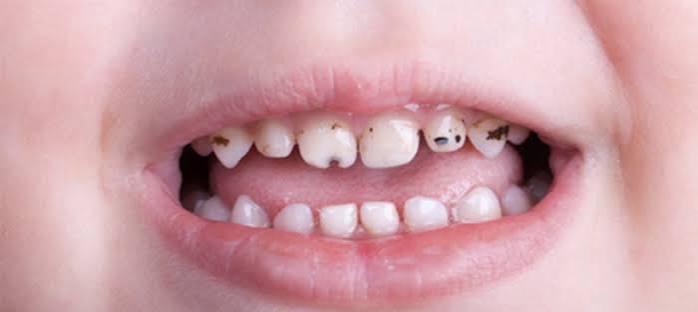
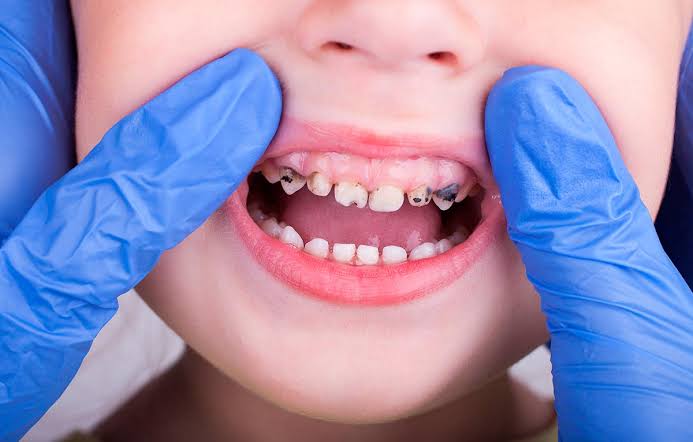
If there are active caries (decayed) lesions in the natural teeth adjacent to the bone area where the titanium material will be placed or infections at the root tip, it is a medical rule that these foci must be completely cleaned with filling or root canal treatment methods before the surgical procedure. Since decayed tissue harbors millions of pathogenic bacteria, it has the potential to compromise the osteointegration cycle of the titanium root by seeping into the wound area (cross-infection).There are no local infections in dentistry; bacteria are easily transferred from one corner of the mouth to another through decay. A dental caries is the process where the enamel dissolves, opening dentin channels and allowing bacteria to progress towards the tooth’s interior (pulp). In a decayed and hollowed-out tooth, there is a dense microbial flora in the dark areas where standard tooth brushing cannot reach.
If the oral surgeon separates the gum to place a titanium screw in the neighboring area, the bacteria inside the decayed tooth can migrate into the sterile bone cavity through the bloodstream or decay exudate. When the body’s immune system detects these bacteria, it halts healing (ossification) activities and releases inflammatory fluid. To overcome these physiological risks, the doctors clean the decays in the operation area, restore the adjacent teeth to health, and then stabilize the oral flora before starting the main surgical step.
The treatment approach of modern medical organizations aims to improve the entire oral flora, moving beyond a localized view that only focuses on the deficient area. When planning to compensate for a deficiency in one area, the potential for a gum infection in another corner of the mouth to be transferred to the surgical site via systemic routes is not overlooked.
Medical Preparation Stages:
-
\t
- Diagnosis and Measurement: The depths of the gum tissue (sulcus) are measured millimetrically using specialized periodontal instruments to map how far the inflammation has penetrated into the bone.
- Mechanical Cleaning (Detartraj): The ultrasonic cavitation devices break down dental stones through vibrations and polish the tooth surfaces to a pristine state with polishing pastes, thereby limiting new plaque accumulation.
- Tissue Revision and Approval: After the cleaning procedure, the physiological response of the tissue is evaluated by medical boards. Approval for jaw surgery is given once the gum has reached a pink and tense structure.
Is Root Surface Flattening (Curettage) Procedure Required for Every Patient?
While dental stone cleaning (detartraj) and curettage procedures are often confused in society, they differ in medical intervention depth. Detartraj is solely the removal of visible stains and stones present in the mouth. However, in cases neglected for many years, microorganisms seep inside the gum tissue, descending towards the tooth root and reaching unseen, deep areas where they form a toxic layer.
When doctors detect pathological pockets (sulci) deeper than 4 millimeters during radiological examinations or probing, they apply local anesthesia to that area and use a fine-tipped tool known as a medical curette to access beneath the gum tissue. They carefully scrape away the infected tissues and hardened biofilm layer formed on the root surface. Once the root surface reaches a glass-like purity, the gum tissue shows a tendency to reattach (adhesion) to this root. Placing a titanium root into the socket without thoroughly cleaning deep infection foci can allow the infection to infiltrate the artificial material.
How Long Should One Wait Between Cleaning Procedures and Surgical Operations?
In medical procedures, it is essential to respect the body’s own repair rhythm. When doctors clean dental calculus with ultrasonic instruments, the tissue previously compressed by those stones is freed. However, the capillaries within that tissue are still in a widened state, and a slight inflammation (repair activity) continues at the cellular level.
| Applied Hygiene Procedure | Average Waiting Period | Physiological Purpose of Waiting |
|---|---|---|
| Standard Detartrage (Dental Calculus Cleaning) | 7 – 10 Days | Reduction of superficial edema, return of gum margins to a non-bleeding and pale pink physiological color. |
| Subgingival Curettage (Deep Cleaning) | 14 – 21 Days | Reattachment of the gingival tissue in deep pockets to the root surface (reattachment) and ensuring the viability of the mucosa. |
| Acute Infection Drainage (Abscess Cleaning) | 4 – 6 Weeks (If necessary, with antibiotic accompaniment) | Complete removal of inflammation from the bone and achieving sterile tissue that will accept titanium material in the area. |
How Does the Microbial Load in Oral Flora Affect Cellular Integration (Osteointegration)?
Osteointegration is the process in which a foreign material is integrated into the human body at a cellular level as if it were an organ. For this biological miracle to take place, the wound area must be free of microbes. When a titanium screw is placed into the bone, the micro-pores on its surface attract blood proteins like a net. If bacteria leaking from dental calculus settle within this blood clot, the body goes into alarm mode.
The osseointegration system sends a signal saying, “there is a bacterial invasion here, stop enclosing the titanium and fight the bacteria.” The activity of the cells responsible for forming bone halts. The area fills with an inflammatory fluid, and the jawbone retreats by self-dissolving from that area. As a result, the titanium screw begins to wobble in the wound instead of bonding with the bone. The only way to limit this pathological rejection mechanism before it begins is to implement an aggressive oral hygiene (cleaning) protocol before the operation.
How Should Patients’ Home Care Hygiene Be After Tooth Cleaning?To maintain the microbial cleanliness achieved in a clinical setting until the day of the operation, individuals must perform mechanical brushing at least twice a day, remove plaque between their teeth using dental floss and interdental brushes, and chemically suppress the growth of pathogens in the oral flora by using the antiseptic mouth rinses containing chlorhexidine as prescribed by the dentist.
The detailed scaling or curettage procedure performed in the dentist’s chair is only the starting (baseline) point of oral hygiene. Human saliva continuously transports new bacteria and minerals. During the two-week period between leaving the dentist for cleaning and the operation, returning to old brushing habits prepares the ground for the formation of a thin film of tartar.During this medical waiting phase, the task that falls on the patient is to clean the areas (embrasures) inaccessible to the toothbrush with dental floss to prevent the plaque from reaching the bone level. Especially the chlorhexidine molecule is a very powerful medical agent that attaches to the surface of the gums and dental enamel, slowly releasing over hours and degrading the bacterial cell wall. The use of these mouth rinses in the days leading up to the operation ensures that the surgeon can work in a sterile environment.
Why Is Oral Hygiene More Important Before Surgery for Individuals with Systemic Diseases?
In individuals with diabetes or cardiovascular diseases, the rate of wound healing and response of the circulatory system remains at more sensitive balances. Thus, thoroughly cleaning the infection sites in the mouth and all dental calculus is an additional medical necessity before surgery. Eliminating gum inflammation helps to balance blood sugar by limiting inflammatory agents in the systemic circulation and supports reducing surgical stress.Oral health is not an isolated case from the body’s overall systemic health. Particularly, pathogenic bacteria that cause gum diseases can enter the systemic circulation (blood circulation) through the bleeding gum mucosa, spreading throughout the body. This condition is referred to as “bacteremia” in the medical literature.
In patients with uncontrolled Type 2 diabetes, the intense inflammation circulating in the blood further increases insulin resistance, making it difficult to lower blood sugar. If a diabetic patient undergoes jaw surgery without cleaning the dental calculus in their mouth, more bacteria can enter the blood through the surgical incision; this puts wound healing at risk. Similarly, in patients with heart valve problems, there is a risk that oral bacteria can reach the heart (endocarditis). Doctors focus on eliminating all infections in the mouth and stabilizing blood parameters weeks in advance without touching the jawbone in this risk group of patients.
How Does the Hygiene Preparations Before Titanium Root Surgery Affect the Use of All-Strength Materials?
The carbon monoxide and nicotine in tobacco create an acidic and adhesive environment that accelerates the accumulation of dental calculus by altering the structure of oral flora; simultaneously masking gum bleeding caused by constricted blood vessels, which hides the inflammatory condition in individuals. Therefore, it is essential for tobacco-using individuals to undergo a deeper medical cleaning during the surgical preparation process and to limit tobacco consumption until the operation schedule.In clinics, the most misleading physiological patterns are observed in the gums of heavy smokers. When plaque or dental calculus accumulates in a healthy individual, the body pumps blood to that area and the gums bleed while brushing. This bleeding serves as a ‘go to the doctor’ warning for the patient. However, nicotine is a very powerful vasoconstrictor. Even if the gums of a smoker become inflamed, they do not bleed because the blood vessels are constricted. The patient may neglect clinical follow-up, believing that their gums are healthy.
In reality, dental calculus is silently progressing deep into the bones. When oral surgeons examine the X-rays of a patient who uses tobacco, they may encounter serious bone loss beneath the pale gums that do not bleed. Before these patients are treated with titanium material, it is a medical necessity to remove all tar and calculus deposits beneath the gumline (subgingival). Additionally, since nicotine will block the oxygenation of cells when a surgical incision is made, it hinders wound healing; breaking this toxic cycle is the goal during the preparation phase.
How Do Eating Habits in the İzmir Region Shape Tartar Formation and Surgical Readiness?
Carbohydrate-heavy baked goods (boyoz, gevrek) and acidic citrus fruits frequently consumed in Izmir and its surroundings can lower the pH balance of the oral flora, potentially increasing the rate at which bacterial plaque adheres to dental surfaces. This regional dietary dynamic may lead individuals to have more stubborn calculus (tartar) buildup prior to surgical operations, necessitating practitioners to implement ultrasonic cleaning protocols more meticulously during clinical cleaning sessions.The nutritional culture of a society directly reflects the biochemical map of the oral environment of the individuals in that region. While olive oil and fibrous foods characteristic of the Aegean region can provide mechanical cleaning during chewing; the dough-based foods (starch-based foods) frequently consumed throughout the day are rapidly broken down by salivary enzymes, forming a sticky film that firmly adheres to the teeth.
If this film combines with acidic beverages, the oral environment becomes a perfect incubation center for bacteria to mineralize (calcify). The inner parts of the lower jaw (facing the tongue) and the sides of the upper jaw molars are localizations where tartar tends to accumulate in thick layers, as they are close to the ducts of the salivary glands. If a surgeon has planned for a titanium root in these areas, they must first eliminate the microbial load in the region using ultrasonic vibrations to make a healthy incision into the bone tissue hidden beneath that thick tartar layer.
Does the Existence of a Decayed Tooth Affect the Surgical Field Communication Process?
If there are active caries (decayed) lesions in the natural teeth adjacent to the bone area where the titanium material will be placed or infections at the root tip, it is a medical rule that these foci must be completely cleaned with filling or root canal treatment methods before the surgical procedure. Since decayed tissue harbors millions of pathogenic bacteria, it has the potential to compromise the osteointegration cycle of the titanium root by seeping into the wound area (cross-infection).There are no local infections in dentistry; bacteria are easily transferred from one corner of the mouth to another through decay. A dental caries is the process where the enamel dissolves, opening dentin channels and allowing bacteria to progress towards the tooth’s interior (pulp). In a decayed and hollowed-out tooth, there is a dense microbial flora in the dark areas where standard tooth brushing cannot reach.
If the oral surgeon separates the gum to place a titanium screw in the neighboring area, the bacteria inside the decayed tooth can migrate into the sterile bone cavity through the bloodstream or decay exudate. When the body’s immune system detects these bacteria, it halts healing (ossification) activities and releases inflammatory fluid. To overcome these physiological risks, the doctors clean the decays in the operation area, restore the adjacent teeth to health, and then stabilize the oral flora before starting the main surgical step.
The detailed scaling or curettage procedure performed in the dentist’s chair is only the starting (baseline) point of oral hygiene. Human saliva continuously transports new bacteria and minerals. During the two-week period between leaving the dentist for cleaning and the operation, returning to old brushing habits prepares the ground for the formation of a thin film of tartar.
During this medical waiting phase, the task that falls on the patient is to clean the areas (embrasures) inaccessible to the toothbrush with dental floss to prevent the plaque from reaching the bone level. Especially the chlorhexidine molecule is a very powerful medical agent that attaches to the surface of the gums and dental enamel, slowly releasing over hours and degrading the bacterial cell wall. The use of these mouth rinses in the days leading up to the operation ensures that the surgeon can work in a sterile environment.
Why Is Oral Hygiene More Important Before Surgery for Individuals with Systemic Diseases?
Oral health is not an isolated case from the body’s overall systemic health. Particularly, pathogenic bacteria that cause gum diseases can enter the systemic circulation (blood circulation) through the bleeding gum mucosa, spreading throughout the body. This condition is referred to as “bacteremia” in the medical literature.
In patients with uncontrolled Type 2 diabetes, the intense inflammation circulating in the blood further increases insulin resistance, making it difficult to lower blood sugar. If a diabetic patient undergoes jaw surgery without cleaning the dental calculus in their mouth, more bacteria can enter the blood through the surgical incision; this puts wound healing at risk. Similarly, in patients with heart valve problems, there is a risk that oral bacteria can reach the heart (endocarditis). Doctors focus on eliminating all infections in the mouth and stabilizing blood parameters weeks in advance without touching the jawbone in this risk group of patients.
How Does the Hygiene Preparations Before Titanium Root Surgery Affect the Use of All-Strength Materials?
In clinics, the most misleading physiological patterns are observed in the gums of heavy smokers. When plaque or dental calculus accumulates in a healthy individual, the body pumps blood to that area and the gums bleed while brushing. This bleeding serves as a ‘go to the doctor’ warning for the patient. However, nicotine is a very powerful vasoconstrictor. Even if the gums of a smoker become inflamed, they do not bleed because the blood vessels are constricted. The patient may neglect clinical follow-up, believing that their gums are healthy.
In reality, dental calculus is silently progressing deep into the bones. When oral surgeons examine the X-rays of a patient who uses tobacco, they may encounter serious bone loss beneath the pale gums that do not bleed. Before these patients are treated with titanium material, it is a medical necessity to remove all tar and calculus deposits beneath the gumline (subgingival). Additionally, since nicotine will block the oxygenation of cells when a surgical incision is made, it hinders wound healing; breaking this toxic cycle is the goal during the preparation phase.
How Do Eating Habits in the İzmir Region Shape Tartar Formation and Surgical Readiness?
The nutritional culture of a society directly reflects the biochemical map of the oral environment of the individuals in that region. While olive oil and fibrous foods characteristic of the Aegean region can provide mechanical cleaning during chewing; the dough-based foods (starch-based foods) frequently consumed throughout the day are rapidly broken down by salivary enzymes, forming a sticky film that firmly adheres to the teeth.
If this film combines with acidic beverages, the oral environment becomes a perfect incubation center for bacteria to mineralize (calcify). The inner parts of the lower jaw (facing the tongue) and the sides of the upper jaw molars are localizations where tartar tends to accumulate in thick layers, as they are close to the ducts of the salivary glands. If a surgeon has planned for a titanium root in these areas, they must first eliminate the microbial load in the region using ultrasonic vibrations to make a healthy incision into the bone tissue hidden beneath that thick tartar layer.
Does the Existence of a Decayed Tooth Affect the Surgical Field Communication Process?
There are no local infections in dentistry; bacteria are easily transferred from one corner of the mouth to another through decay. A dental caries is the process where the enamel dissolves, opening dentin channels and allowing bacteria to progress towards the tooth’s interior (pulp). In a decayed and hollowed-out tooth, there is a dense microbial flora in the dark areas where standard tooth brushing cannot reach.
If the oral surgeon separates the gum to place a titanium screw in the neighboring area, the bacteria inside the decayed tooth can migrate into the sterile bone cavity through the bloodstream or decay exudate. When the body’s immune system detects these bacteria, it halts healing (ossification) activities and releases inflammatory fluid. To overcome these physiological risks, the doctors clean the decays in the operation area, restore the adjacent teeth to health, and then stabilize the oral flora before starting the main surgical step.