Why Should You Choose Dental Implants?
Tooth loss is a physiological condition that structurally affects individuals’ chewing mechanics, speech articulation, and jaw anatomy. There are various prosthetic restoration options available in the medical field for compensating tooth deficiencies. Among these options, dental implants work on the principle of creating a foundation similar to a natural tooth root by interacting with biological tissues. These procedures, carried out in accordance with the medical procedure guidelines of the Ministry of Health, represent not only an aesthetic necessity but also a medical approach to restoring the chewing function, which is the first step of the digestive system. Avrupadent, located in Izmir, conducts these treatment procedures within the framework of objective medical standards based on clinical analyses and radiological measurements.
What is a Dental Implant and How Does It Function Anatomically?
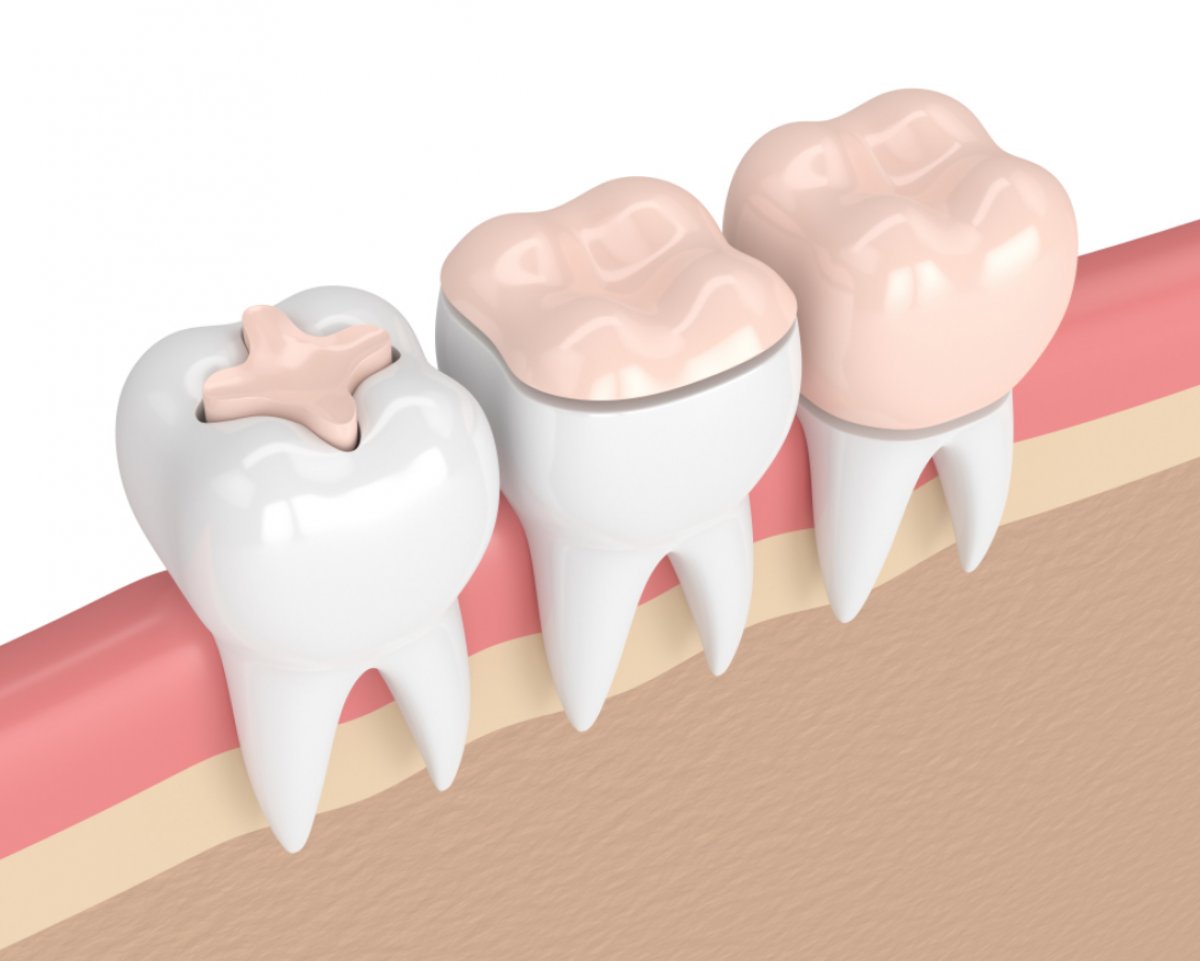
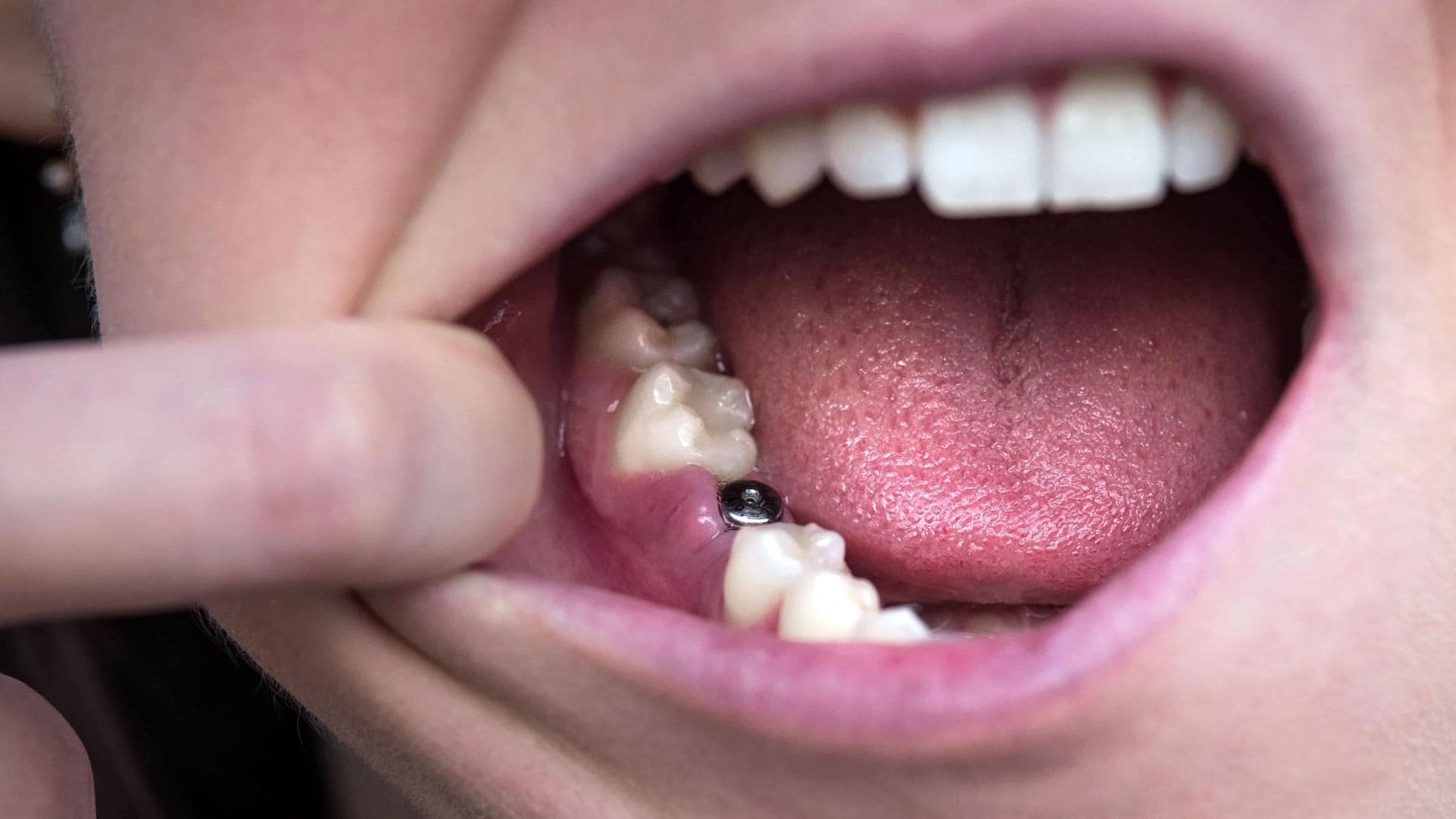
A dental implant is an artificial tooth root made from biocompatible titanium materials that are placed into the jawbone to compensate for the function of missing teeth. These screws provide a mechanical base for the prosthetic upper structure that will be placed on them by integrating with bone cells through a biological process known as osseointegration.
The titanium element, which is the fundamental building block of dental implants, is one of the rare materials that the organism does not perceive as a foreign object. This biocompatibility characteristic ensures that it finds widespread use in orthopedics and jaw surgery in the medical field. The implant, placed into a socket created within the bone through a surgical operation, gains structural integrity by adhering to the titanium surface with bone-building cells called osteoblasts during the healing period. This integrity allows the forces of chewing to be directly transmitted to the jawbone.
The anatomical function of the implant is based on mimicking the roles of natural tooth roots. While natural teeth are anchored to the bone via fibers known as the periodontal ligament, implants integrate directly with the bone. This true integration ensures that vertical and horizontal forces exerted on them are absorbed by the bone matrix. In the Avrupadent clinics located in the İzmir region, this process begins after a detailed analysis of the patient’s bone density, trabecular structure, and systemic health profile. Since every individual’s bone physiology is different, the adaptation period of titanium roots to the tissue may vary from person to person.
Why Should You Choose Dental Implants Instead of Bridges or Removable Prostheses?
Dental implants preserve the integrity of adjacent tissue because they do not require the cutting of healthy teeth on either side of the missing area. Unlike traditional removable prostheses, they are fixed to the jawbone, transmitting chewing forces to the bone to provide stability; thus, reducing the risk of functional problems such as the denture moving in the mouth.
In traditional dentistry, the commonly preferred method for one or several missing teeth is to reduce (cut) the healthy teeth on either side of the missing area and place a bridge prosthesis over them. This procedure requires the removal of the enamel layer of the supporting teeth. In implant treatment, only the anatomical defect where the missing tooth is located is intervened, and the anatomical structure of the adjacent healthy teeth remains untouched. This conservative approach represents a significant clinical difference in terms of preserving healthy tooth tissue.
Another traditional alternative, removable (mobile) dentures, rest on the gingival and palatal tissue for support. Since these dentures exert pressure on the tissue, they can cause adaptation problems in the related areas or decrease chewing efficiency in the long term. Fixed restorations built on titanium artificial roots perform close to natural physiology in terms of food chewing function, as they obtain their mechanical attachment from the bone tissue. In clinical practices in İzmir, Avrupadent presents objective treatment plans based on medical requirements, explaining these prosthetic differences to patients when their bone structure is deemed appropriate.
| Feature | Dental Implant | Traditional Bridge Prosthesis | Removable (Palate) Prosthesis |
|---|---|---|---|
| Effect on Neighboring Teeth | No interference with neighboring teeth. | Supportive neighboring healthy teeth need to be reduced. | Clasps (hooks) can exert force on neighboring teeth. |
| Effect on Jawbone | Transmits chewing force to the bone, stimulating the bone tissue. | Only comes into contact with the gums, does not stimulate the underlying bone directly. | Exerts pressure on the bone, which may lead to volume loss over time. |
| Usage and Stability | Does not move in the mouth since it is anchored to the bone. | Is stable because it is constructed on the supporting teeth. | Can be removed, may move in some cases. |
| Care Requirement | Just like natural teeth, it requires brushing and interface maintenance. | The body gold must be cleaned with special dental threads. | It should be cleaned with special brushes by extending out of the mouth. |
How Does Dental Implant Affect Jawbone Volume?
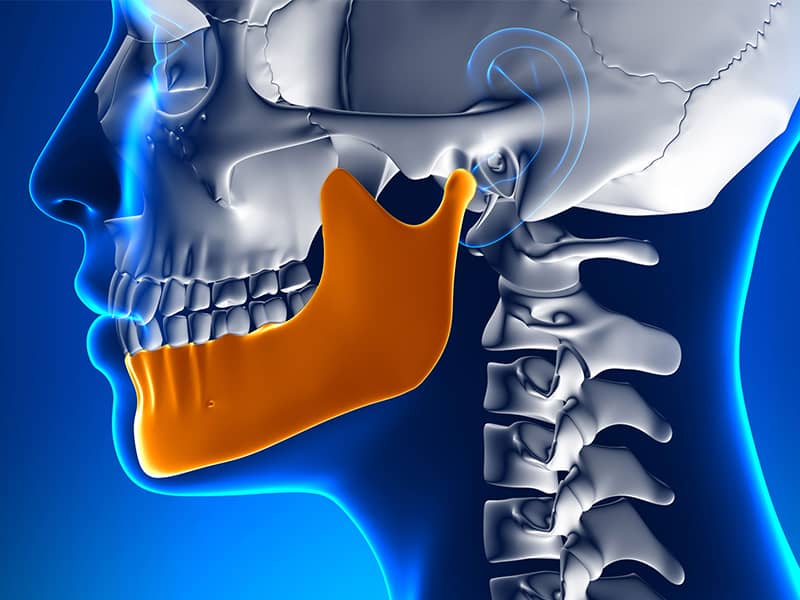
After tooth loss, the jawbone in that area undergoes a physiological resorption process due to the lack of chewing forces. Dental implants support cellular activity by sending pressure and tension stimuli to the bone through a titanium root mechanism, providing structural contribution to the maintenance of the existing bone volume.
The human skeletal system is a dynamic structure that remodels itself according to the loads placed on it. The jawbone maintains its vitality and density through the mechanical stress created by the chewing function transmitted via the tooth roots. When a tooth is extracted, the socket surrounding the tooth, called the alveolar bone, remains empty. The organism begins to withdraw the mineral support in this unused bone area, accelerating osteoclastic (bone-resorbing) activity. This situation is called resorption.
The titanium artificial root placed in the missing area acts as a conductor, transmitting mechanical forces from the prosthesis to the bone matrix. This mechanical stimulation helps keep bone-building cells (osteoblasts) active, controlling the rate of resorption. Slowing down bone loss in the relevant area is also a physiological necessity in terms of preserving the aesthetic profile beneath the surface and the support of the lips. In long-term cases of toothlessness, the inward collapse of the lips and the approach of the jaw tip towards the nose are physical reflections of the loss of bone volume.
What Clinical Stages Are Involved in the Dental Implant Process Carried Out in Izmir?
The process carried out in the Izmir location is a multi-stage medical procedure that includes detailed clinical and radiological assessment, surgical application under local anesthesia, a biological integration phase lasting from 2 to 6 months depending on the jaw structure, and the steps for placing the prosthetic restoration prepared after measurements are taken.
The first and most detailed phase of the treatment process is diagnostic planning. The condition of the patient’s oral cavity, health of the gums, existing bone volume, and occlusion relationships are examined. The width and height of the jawbone, the position of the sinus cavities, and the path of the nerve canals are mapped out in millimeters using panoramic X-rays or three-dimensional dental volumetric tomography (CBCT). In the Avrupadent procedures, after this mapping, the length, diameter, and placement opening of the appropriate implant for the patient are determined.
The surgical phase is performed under sterile conditions, coinciding with the numbing of the relevant area with local anesthetic solutions. A small incision is made in the gum to reach the bone surface. A cavity compatible with the diameter of the titanium screw is opened in the bone using special rotary micromotors and physiological serum cooling. The screw is placed into this cavity with controlled force and covered by sutures. The “waiting period” that begins after this step is necessary for the bone cells to enter between the titanium grooves, ensuring structural integration. This waiting period can take an average of 2-3 months for the lower jaw and 3-6 months for the upper jaw, depending on the structure. After healing is complete, measurements are taken by the prosthodontist, and treatment is completed by fabricating a porcelain or zirconium crown suitable for the patient’s chewing dynamics.
- Radiological Imaging: Examination of bone volume and anatomical relationships through tomography or panoramic films.
- Surgical Preparation: Taking the medical history of the hospital, infection control, and numbing the area where the procedure will take place with local anesthesia.
- Placement of the Implant: Opening a space (socket) in the bone for the positioning of the titanium screw and closing the gum with sutures.
- Osseointegration Period: The monthly biological resting period for the screw to fuse with the jawbone at a cellular level.
- Prosthetic Rehabilitation: Following the impression taking, the functional upper structure (crown or bridge) is prepared in the lab and adapted to the mouth.
Who is a Suitable Candidate for Implant Treatment?
Implantation can be performed on individuals who have completed their skeletal development (18 years and older), have sufficient width and height in the jawbone, and do not have systemic obstacles for surgical procedures. In patients with chronic diseases such as hypertension and diabetes, it is necessary for the condition to be monitored by the relevant physician and to obtain approval.
The application of implants is not clinically preferred for individuals in the growth and development stage (children and adolescents). Since the growth of the jawbone continues, an implant placed during this period may remain in an incorrect anatomical position along with bone development in the following years. Therefore, it is a clinical standard to wait until the bone development is completed at ages 18-20 for both girls and boys. In older age groups, as long as the general health condition allows, there is no upper age limitation.
Systemic diseases are thoroughly investigated before a procedure since they directly affect wound healing. For example, in the presence of diabetes (sugar disease), it is required that the patient’s HbA1c levels are within the reference range. Uncontrolled diabetes can disrupt circulation and cellular healing, hindering the integration of titanium with the bone. Similarly, in patients undergoing treatment for osteoporosis (bone loss) and using bisphosphonate group medications, special protocols or consultations may be necessary for the procedure due to impaired blood flow in the jawbone. Smoking also increases the risk of complications by raising carbon monoxide levels, which reduces tissue oxygenation; therefore, limiting nicotine intake throughout the process is recommended by medical professionals.
When Does the Need for Bone Graft (Powder) Arise?
Bone graft applications are initiated when radiologic analyses reveal that the width or length of the jawbone is insufficient to support the implant. The addition of artificial or natural bone powders increases the volume, and this procedure can add 3 to 6 months to the biological healing time depending on the structural condition.
The passage of many years since tooth loss, severe periodontal (gum) infections, or cystic lesions can lead to bone destruction. A sufficient bone thickness is necessary for the titanium screw to be placed in its socket and for the surrounding bone to encase it. Inadequate areas of bone can be augmented using advanced surgical techniques referred to as ‘augmentation’ to create volume.
In the reconstructive procedures applied at the Izmir Avrupadent clinic, inorganic bone grafts (xenografts), synthetic (alloplastic), or bone particles taken from the patient’s own tissue (autogenous) are used. In the back regions of the upper jaw, in addition to bone resorption, the situation known as downward sagging of anatomical air cavities called maxillary sinuses is frequently observed. In such anatomical narrowness, a surgical procedure called “Sinus Lifting” is performed, in which the sinus membrane is pushed upwards and bone dust is placed in the resulting cavity. The reorganization of graft materials with cellular organization into the patient’s own living bone is a time-consuming biological process.
Why Should an Implant Be Preferred in Single Tooth Loss?
The application of implants in areas with a single tooth loss only addresses the existing gap. Since there is no need to trim (reduce) the neighboring natural teeth, the biological integrity of the healthy dental tissue is preserved, and functionally, the closest restoration to a natural tooth is achieved.
In cases where a single tooth is lost due to trauma, fracture, or infection, the neighboring teeth begin to fill the gap. As the adjacent teeth tilt into the gap, the teeth in the opposite jaw also extend into the related gap, disrupting the closure dynamics. Although traditional bridge prostheses applied to prevent this situation provide a functional solution, they require some alteration to the enamel tissue of the supporting healthy teeth.
In single tooth implant procedures, a surgical intervention is performed to place an artificial root in the relevant gap. No mechanical abrasion is done on the healthy adjacent teeth. Additionally, while the bone area underneath traditional bridges loses volume over time, the implant slows down this resorption with mechanical stimuli. There are also differences in the use of dental floss; in single tooth implants, dental floss can easily pass through the interproximal spaces as it does in natural teeth, whereas special techniques or sub-body threads are necessary for bridge prostheses.
What Are the Advantages of Implant-Supported Prostheses in Cases of Complete Tooth Loss?
For patients who have lost all their teeth, an average of 2 to 6 implants placed in the jaw create a mechanical retention center for movable or fixed prostheses. This support reduces the tendency of palatal prostheses to make noise or shift in the mouth, thereby supporting eating and speaking functions.
In cases of total tooth loss, traditional full dentures (commonly known as palatal dentures) are supported by the oral mucosa and the existing jawbone. Particularly in the lower jaw, movements of the tongue and the effects of gravity are anatomical factors that complicate the stabilization of the prosthesis. Movement of the prosthesis in the mouth can lead to difficulties for patients during the act of biting and can cause injuries (bruises) in the soft tissues.
The fixed prostheses in concepts such as “Implant Supported Overdenture” (removable) or “All-on-4 / All-on-6” significantly alter the biomechanics of the jaw anatomy. Titanium screws placed at specific anatomical strategic points of the jaw establish a connection with the overlying prosthesis through a clip-on (precision attachments) or screw system. In fixed restorations, the prosthesis cannot be removed by the patient and is permanently secured to the screws. This medical approach significantly increases the patient’s biting force compared to traditional prosthetics while not completely covering the palate area, thus having no negative impact on the sense of taste.
How Should Dental Implants Be Maintained and Cleaned?
The long-term stability of implant-supported restorations depends on brushing teeth twice a day, using an interdental brush, and performing mechanical cleaning with special dental threads. Clinical check-ups conducted every six months and professional dental stone cleaning are essential for maintaining the health of peri-implant tissues.
The inorganic nature of titanium materials can lead to the misconception that these teeth do not require maintenance. However, the gum and bone tissue surrounding the implant are as sensitive, if not more so, to microbial dental plaque than natural teeth. In cases of poor oral hygiene, bacteria that accumulate on porcelain surfaces and at the gum junction can lead to inflammation in the gums (mucositis). If this infection is not treated, it can progress into deeper tissues, leading to a medical condition known as “Peri-implantitis,” which causes the jawbone surrounding the implant to resorb.
The dentists at Avrupadent, located in Izmir, provide proper care procedures to their patients during the post-operative period. Cleaning the lower parts of implant-supported prostheses, shaped like a bridge, with specially thick dental floss known as “Superfloss” or water flossers ensures hydrodynamic hygiene. While periodontal fibers in natural teeth serve as a barrier that slows bacteria’s penetration into the bone, this defense is absent around implants, allowing infection to reach the bone more quickly. For this reason, daily mechanical plaque control and the periodic professional cleaning procedures carried out by the dentist are the most critical factors determining the lifespan of the prosthesis in the mouth.
How is Anesthesia and Surgical Comfort Maintained During Implant Surgery?
The surgical procedure is performed in conjunction with local anesthetic agents numbing the area where the application will be made. Since the nerve transmission in the relevant area is blocked, the patient may still feel pressure or vibrations in that area during the procedure, despite being conscious, but the anesthesia is effective since the relevant medical protocols have been applied.
The local anesthesia techniques applied in dental clinics (infiltration or regional block) pharmacologically prevent the nerve endings in the tissue being surgically intervened from sending pain signals to the brain. The stages of opening a socket for the implant and placing the screw create mechanical pressure in the surrounding tissues and induce a vibration (tremor) dependent on the rotational force of the micromotor. The patient perceives these mechanical sensations; however, due to the nerve block, this situation is under pharmacological control.
In patients with severe dental phobia (fear of dentists), individuals with an extreme gag reflex, or during prolonged complex surgical sessions where multiple implants will be placed, different anesthesia methods may be applied. As a result of medical consultations, options for intravenous (intra-venous) sedation or general anesthesia under fully equipped operating room conditions may be considered alongside specialized anesthesiologists. These medical alternatives aim to keep the patient’s physiological parameters under control to facilitate the procedure.
How is Implant Planning Done within Avrupadent?
The planning within the Avrupadent located in Izmir is based on determining anatomical boundaries with advanced radiological examinations, integrating the views of multidisciplinary physicians, and providing a sterile environment according to infection control standards. The procedure is carried out step by step in accordance with the directives of the Ministry of Health and objective medical protocols.
At the beginning of clinical organization, the diagnosis and treatment planning phase is meticulously carried out. The clinical examination performed by oral and maxillofacial surgery or periodontology specialists is supported by the restoration forecasts of the prosthodontist. With the principle of backward planning, the ideal position of the tooth that will function in the mouth is designed first, and then the location of the implant that will transfer the mechanical load to the bone at the most accurate angle is calculated in digital environments.