
Contouring, that is enameloplasty, is correcting the shape of a tooth by removing a very thin amount from its enamel layer. It is suitable for removing small edge irregularities, slight length differences and pointed corners; however, not every difference is fixed by contouring. The dentist decides whether it is suitable at the examination.
What tooth contouring (enameloplasty) is
Tooth contouring is the procedure of giving the tooth a more balanced form by removing a very small amount from the enamel on its outer surface. It is also known as micro-grinding. No tooth is added; only the existing tooth is shaped.
Enamel is not a tissue that renews itself. For this reason, the procedure is planned when the amount to be removed is small and the structure of the tooth allows it. For more information about the structure of the tooth, you can look at our article on tooth enamel.
For which small problems it is suitable
Contouring is considered when the overall structure of the tooth is healthy and there are only small shape problems. Example situations are as follows:
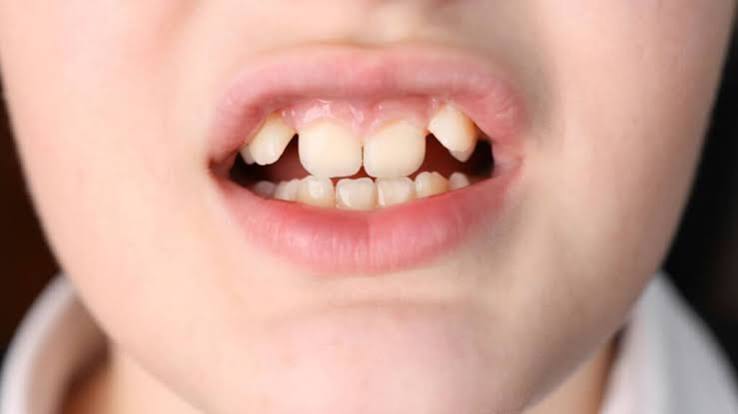
- Small notches or roughness on the edge of an incisor
- A slight difference between the lengths of two side-by-side teeth
- Corners that look too pointed or angular
- Surface mismatch in slightly overlapping teeth
Issues such as the color of the tooth, noticeable gaps, advanced crowding or teeth that look small are not solved by contouring alone. Other methods are needed in these cases.
What can be done for an asymmetric smile
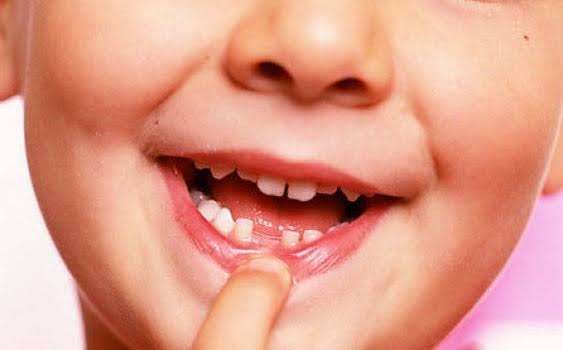
An asymmetric smile does not always come from the teeth; sometimes lip movement, gum level or jaw structure also play a role. If the problem is only in the edge shape and length of the teeth, contouring may be enough.
Why a smile looks crooked is understood at the examination by evaluating the teeth, gums and lip together. Situations such as your teeth showing little when you lift your upper lip, that is, tooth visibility when smiling and the smile line, are a separate subject of evaluation. For differences coming from the gums, our article on gum aesthetics can guide you.
Pain and anesthesia during the procedure
Since contouring is generally done in the enamel layer and in a very small amount, it can be applied without anesthesia depending on the dentist’s assessment. Still, the sensitivity of the tooth varies from person to person.
If you have sensitivity, tell your dentist before the procedure. Whether local anesthesia is needed is decided at the examination, by looking at the condition of the tooth and your ease.
Permanence after contouring
The enamel removed in contouring does not come back, that is, the shape change made does not reverse by itself. However, teeth wear over time with daily use; habits such as clenching the teeth can affect the shape.
For this reason, it is important to talk with the dentist about how to preserve the result and to attend check-ups. If you clench your teeth, this should be addressed separately.
Planning together with bonding or crowns
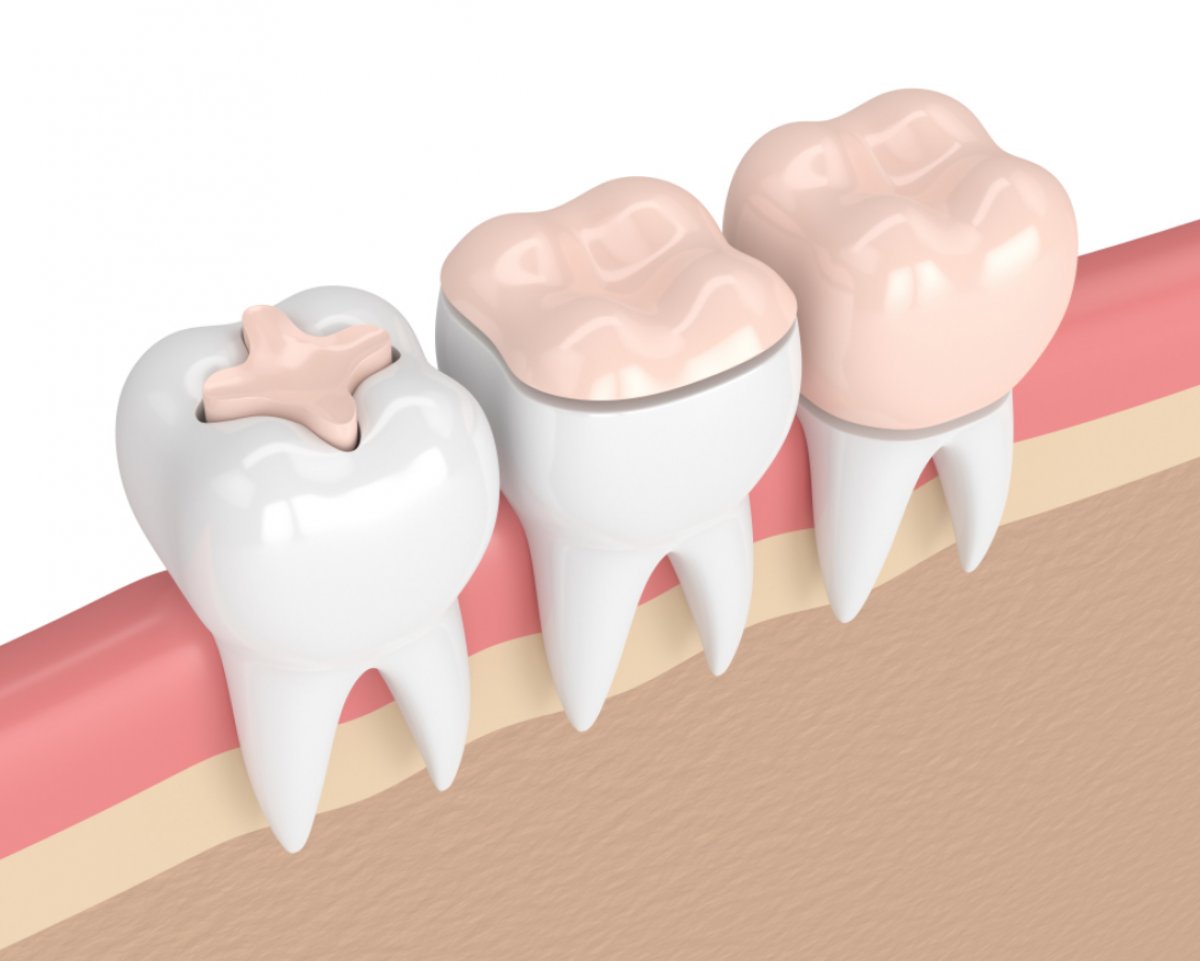
When contouring alone is not enough, it can be planned together with bonding or crowns. Contouring takes very little from the tooth, while bonding completes the missing shape by adding composite material to the tooth.
- Contouring only: If the difference is small and there is no need to take much enamel from the tooth.
- Bonding: In cases where the tooth is short, the edge is broken or there is a gap. For details, you can look at our article on closing gapped teeth with fillings.
- Crowns: When color, shape and length differences are present together and noticeable, the dentist may recommend crowns.
Sometimes the two methods are used together: a slight contour is given to the neighboring tooth, and bonding is done on the other tooth. Which combination is suitable varies with the condition of the tooth.
What the golden ratio is for in planning
The golden ratio is a reference used to evaluate the balance of width and length of the front teeth relative to each other; it is not a strict rule. In smile planning it offers the dentist a measure; facial lines, lip structure and personal expectations are also taken into account.
When planning contouring, these proportions can also show a direction. However, the aim is not to put everyone into the same mold, but for the teeth to look in harmony with your face. Our article on facial lines in smile design will also be useful on this subject.
Photo analysis can also be done as part of the plan. Photos taken while smiling show the real look of the teeth and lip with details that are not noticed in front of a mirror. For more, you can take a look at our article on photo analysis in aesthetic dental treatment.
Suitability at the dentist’s examination
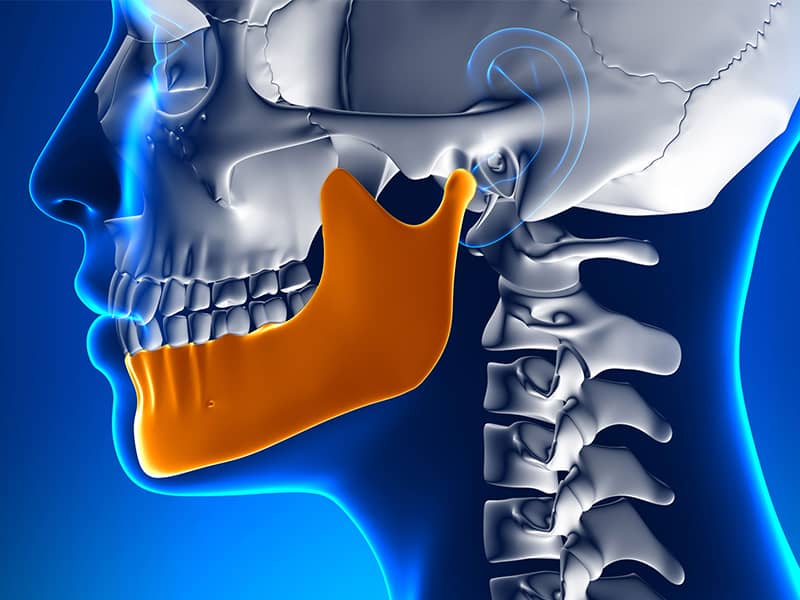
Only the examination shows whether contouring suits you. The dentist looks at the enamel thickness of the tooth, the gums, the bite pattern and the smile appearance; if needed, they request an X-ray.
The limits of contouring are also explained at the examination. The advantage of small interventions is that they do not take much structure from the tooth and generally require fewer procedures. Its limitation is that it cannot close large differences. Depending on the condition of the tooth, bonding, crowns or another method may be recommended.
Frequently asked questions
What is tooth contouring?
Tooth contouring is correcting the edge and corner shape of a tooth by removing a very small amount from the enamel layer. It is also known as enameloplasty and micro-grinding.
Is contouring painful?
Because the procedure is done in the enamel layer, it often may not require anesthesia, but sensitivity varies from person to person. The dentist decides at the examination whether it is needed.
Does contouring fix an asymmetric smile?
Contouring can help if the asymmetry comes from the edge shape of the teeth or small length differences. For differences coming from the gums, lip or jaw, other methods are needed; the examination determines this.
Is contouring permanent?
Because the removed enamel does not renew, the shape change made does not come back by itself. Still, teeth can wear over time with daily use, so regular check-ups are recommended.
Contouring or bonding?
If the difference is small and can be corrected without taking much enamel, contouring is considered. In cases where the tooth is short, broken or has a gap, bonding is preferred because adding is required; sometimes the two are applied together.
To find out whether a small difference in your smile can be fixed with contouring, you can reach the Avrupadent team through our contact page to book an examination appointment.