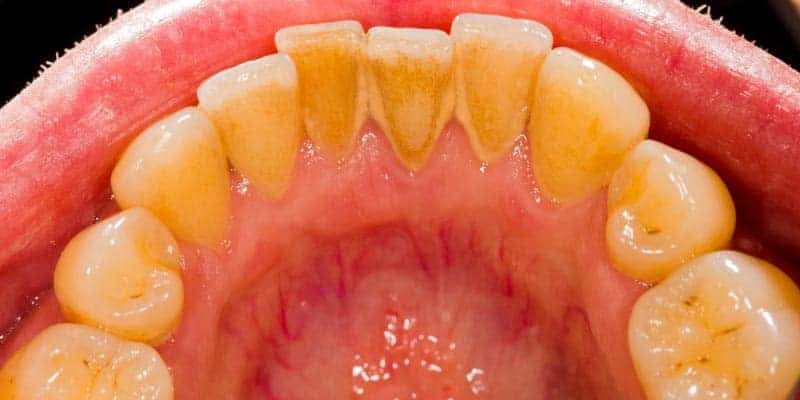
Can you eat after tartar cleaning? Usually yes: if no numbing injection was used in the procedure, you can start right away with soft and lukewarm foods. If numbing was applied, you need to wait until the lips and tongue return to normal; your dentist always tells you the exact time.
What to do right after the procedure: rinsing and waiting time
Right after the procedure, what you should do is gently rinse your mouth with lukewarm water and listen to the instructions your dentist gives. Avoid rough movements while rinsing; your gums may be a little tender that day.
If local anesthesia was given, it is important not to eat until the numbness wears off, because you may bite your tongue, cheek or lip without noticing. If no anesthesia was given, you can continue right away with a suitable meal; still, choosing soft, not very hot foods for the first meal helps.
Managing gum sensitivity and hot and cold sensitivity
After tartar is removed, the tooth surfaces and gums may stay sensitive for a while; for most people this settles in a short time. Because root surfaces that the tartar used to cover are exposed, the reaction to hot and cold may increase.
- Stay away from very hot soup, ice-cold drinks and ice cream on the first day.
- Prefer drinks close to room temperature.
- Ask your dentist about using toothpaste for sensitivity.
If the sensitivity lasts, you can look at our causes of tooth sensitivity and ways it passes article.
Which foods to avoid if there is bleeding or sensitivity
If there is slight bleeding or soreness in the gums, it is right to leave hard, sharp-edged, spicy and acidic foods aside for a while. These foods can irritate sensitive gums.
- Foods that need chewing, such as chips, nuts, crackers and bread with a hard crust.
- Spicy dishes, pickles and sour foods such as lemon.
- Very hot meals.
Instead of these, options that are easy to chew, such as yogurt, (lukewarm) soup, puree, boiled vegetables, soft rice and pasta, are suitable. If the bleeding is heavy or does not stop, call your clinic without waiting.
Timing of tooth brushing and flossing
You can continue brushing and flossing gently the same day; stopping care leads to tartar and plaque building up again. Choose a soft-bristled brush and clean the gum line gently.
Use floss without forcing it, rubbing it against the tooth surface. Our correct tooth brushing technique article helps you remember the right technique. Seeing slight bleeding when brushing in the first days can be normal; it is expected to lessen after a few days.
Recommended waiting times for tea, coffee, alcohol and smoking
It is better for the gums to put off tea, coffee, alcohol and cigarettes as much as possible after the procedure. Cleaned surfaces are more exposed to staining drinks and smoke tar; smoking and alcohol can also slow gum healing.
- It is good to put off tea and coffee in the first hours, and to drink them lukewarm if you do.
- Keep away from alcohol and cigarettes for as long as possible.
- For the exact waiting time, follow your dentist’s recommendation.
You can find general care recommendations after cleaning on our what to watch for after tartar cleaning page.
Frequently asked questions
How long should I not eat after tartar cleaning?
If no anesthesia was given, you usually do not need to wait; if it was, do not eat until the numbness has completely worn off. If there is sensitivity, choose soft and lukewarm foods for the first meals.
Which medicines should be taken if there is pain?
For slight soreness, ask your dentist or pharmacist which medicine to use; do not choose medicine on your own. If you use blood thinners or have another illness, be sure to mention it; if the pain gets worse or does not pass within days, contact your clinic.
Will my teeth be more sensitive after the procedure?
Many people may feel increased sensitivity to hot, cold or air for a while; the reason is that the surfaces are exposed once the tartar is removed. It usually lessens in a short time; if it does not, it is appropriate to have an examination.
When can I eat heavy foods?
You can return to hard, chewy and spicy foods once the gums have settled and the bleeding and sensitivity have passed. This is usually possible after the first day; if you are not sure, wait for your dentist’s guidance.
For more information about tartar formation and the procedure itself, you can look at the what is dental tartar and how is it cleaned article.
If anything about your cleaning is on your mind or you would like to plan an appointment, you can reach us via our contact page. At our Çiğli, Balçova, Narlıdere, Buca and Gaziemir branches, our team is ready to answer your questions.