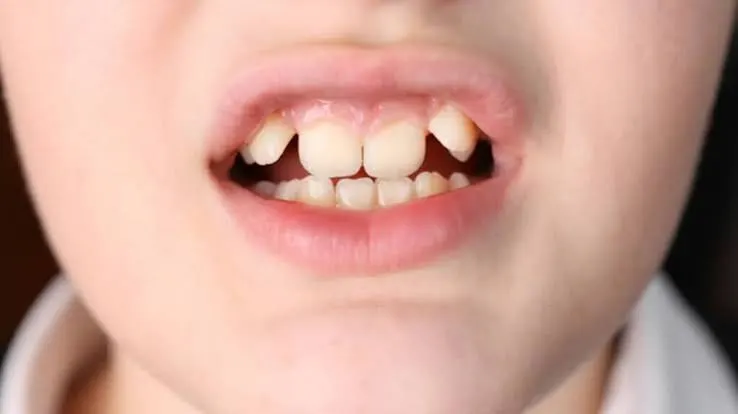
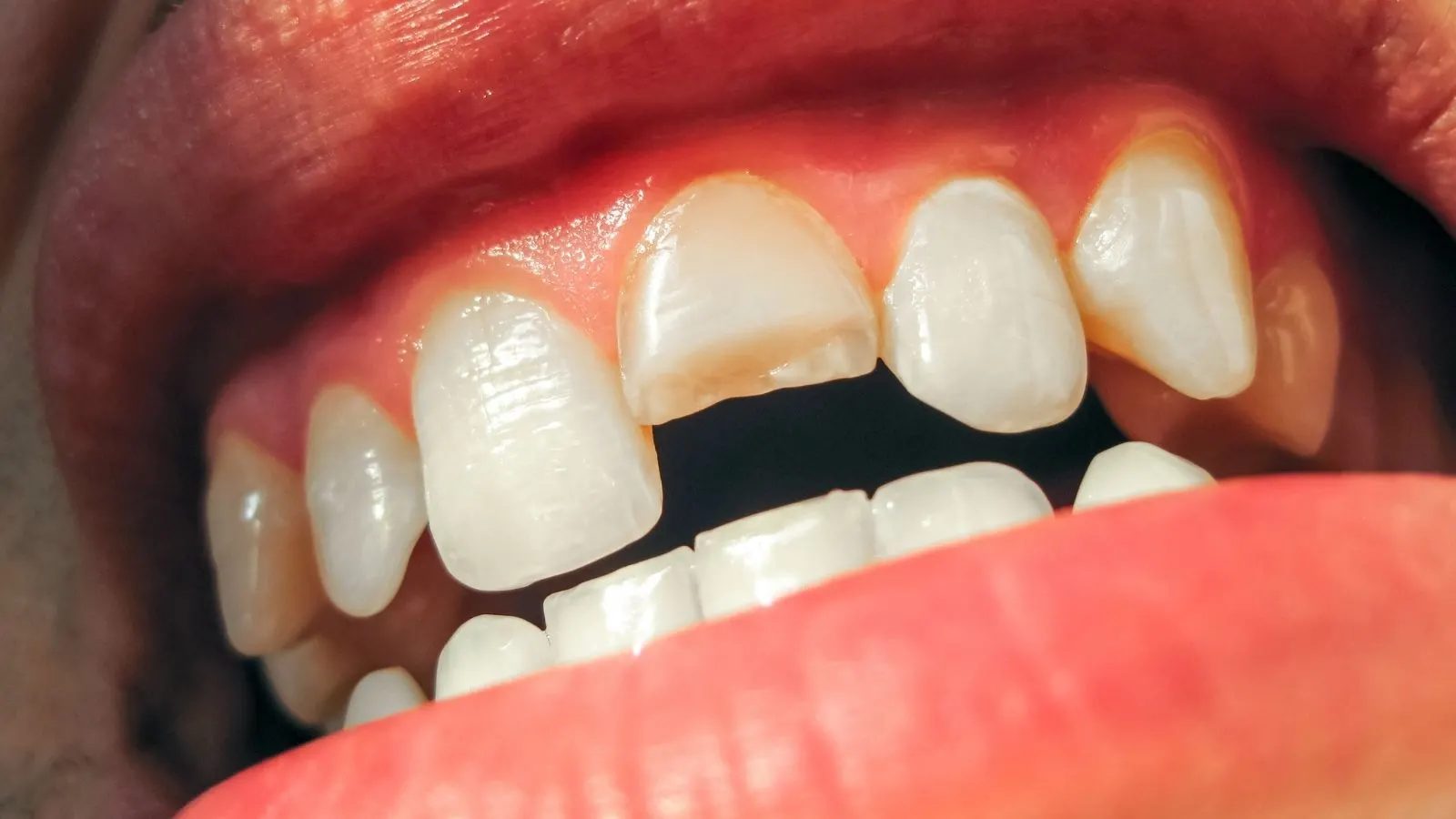
At home, the short answer to what helps a dental abscess is this: a cold compress held against the outside of the cheek and a warm salt-water rinse can ease swelling and discomfort for a while, but neither makes the abscess go away. A warm compress is generally not recommended, and trying to pop an abscess at home is not appropriate. Because the source of the infection is inside the tooth or under the gum, the real solution is a dentist’s examination and treatment aimed at the cause.
What helps an abscess?
What you can do at home only eases the symptoms: a cold compress, a warm salt-water rinse and a pain reliever that your dentist or pharmacist considers suitable. None of these removes the cause of the abscess.
A dental abscess is usually a collection of pus around the tooth root, caused by deep decay, an inflamed nerve or gum disease. This collection has to be drained and its source treated; only a dentist can do that, through an examination, an X-ray and, when needed, procedures such as root canal treatment, abscess drainage or tooth extraction. The job of home measures is to make the time until your appointment easier to bear. We have also explained why an abscess forms and what the treatment options are in our article what helps a dental abscess and how it goes away.
Home options side by side
The table below compares four options often considered at home: how they work, who they suit, how long they are applied and what to watch out for.
| Option | How it works | Who it suits | Duration | What to watch out for |
|---|---|---|---|---|
| Cold compress (ice) | Applied from the outside, it narrows blood vessels and may ease swelling and throbbing. | People who feel swelling and throbbing in the cheek. | In short intervals, wrapped in a cloth. | Ice should not touch the skin directly, and the area should not go numb or freeze. |
| Warm compress | Increases blood flow to the area. | Generally not recommended when there is an abscess. | Not recommended. | Heat may increase the swelling and help the infection spread. |
| Warm salt-water rinse | Rinses the mouth mechanically, clears debris and soothes the area. | People with gum tenderness and swelling. | A few times a day, for a short time. | It is not swallowed and does not replace treatment. |
| Pain reliever | Reduces the perception of pain; it does not treat the infection. | People whom a dentist or pharmacist considers suitable. | Within the limit on the box and the dose your dentist recommends. | Do not place the tablet on the gum or cheek; tell your dentist about your medication history. |
None of the options in the table heals the abscess on its own. All of them only help you get through the time until the examination more comfortably than you otherwise would.
Can you put ice on an abscessed tooth?
Yes, ice can be applied to the outside of the cheek, indirectly, but it is never placed directly on the tooth or gum.
Wrap the ice in a thin cloth or towel and press it against the cheek over the swollen area in short intervals, letting the skin rest in between. Because cold narrows the blood vessels, it may ease the feeling of swelling and throbbing. Putting ice directly on the tooth can increase the pain, especially in sensitive teeth. If the area starts to go numb, stop. The benefit of a cold compress is temporary: since it does not remove the source of the infection, the swelling and pain can return. You can also find out how well this works in the article on what helps a toothache from decay.
How you apply it matters too. Using the cold compress in short intervals and letting the skin rest in between protects the skin and keeps the relief going. Keeping your head slightly raised on the pillow can help reduce throbbing at night. Avoiding hard foods and very hot or very cold foods on the painful side means the sensitive area is stimulated less. These small precautions do not stop the pain completely, but they help you get through the time until your appointment more evenly.
Hot or cold for an abscess?
For applying from the outside, cold is preferred; a warm compress is generally not recommended for an abscess.
Heat may feel soothing at first, but it increases blood flow to the area. In infected tissue, this can prepare the ground for the swelling to grow and the infection to spread. For that reason, it is more correct not to use a hot-water bottle, a heated towel or anything similar on a painful or swollen cheek. A salt-water rinse in the mouth being warm is a different matter: the aim there is not to heat anything but to rinse the mouth without irritating it. The water should be neither too hot nor ice cold.
Does a salt-water rinse help an abscess?
A warm salt-water rinse does not cure the abscess, but it can help by keeping the inside of the mouth clean and easing discomfort in the gum.
It is easy to prepare: stir about half a teaspoon of salt into a glass of warm water. Swish the mixture around your mouth for several tens of seconds and spit it out; do not swallow it. You can repeat it after meals during the day. Avoid rinsing too hard, because the pressure may irritate the sensitive area. The purpose of the rinse is to help clean the area; it does not shrink the abscess and does not replace treatment. You can find similar suggestions about gum swelling on the page what helps swollen gums.
Where does a pain reliever work, and where does it fall short?
A pain reliever reduces the pain but does not treat the infection; even when the pain is gone, the abscess is still there.
Pain relievers bought at the pharmacy can help you get through the time until your appointment more comfortably. Which medicine suits you depends on the other medicines you take, your stomach and kidney health, and situations such as pregnancy. For this reason, you need to ask your pharmacist or dentist. Placing the medicine on the painful tooth or gum can burn the gum; do not do this. The real danger is that a pain reliever masks the symptoms and delays treatment. Putting off the examination because the pain has eased can let the abscess quietly grow.
Should you pop an abscess at home?
No, trying to pop an abscess at home with a needle, a pin or anything similar is not appropriate.
Bacteria in the mouth can be carried deeper into the tissue by a tool that is not sterile. Moreover, even if some of the pus comes to the surface, its source stays in place; the inside or root of the tooth is still infected, so the abscess forms again. When draining the pus is necessary, a dentist does it under sterile conditions and with anesthesia, and then the cause of the abscess is treated. Squeezing, pressing or picking at it only irritates the area. In children, the signs and causes of an abscess may differ; for details, see the article why dental abscesses occur in children.
Which option suits whom?
The choice depends on your symptoms; whichever you choose, the examination appointment should not be skipped.
- Cold compress: suits people who feel swelling and throbbing in the cheek and want relief until their appointment.
- Warm salt-water rinse: suits people who feel tenderness and mild swelling in the gum and want to keep their mouth clean.
- Pain reliever: suits people whose pain disturbs their sleep or daily tasks and who have no reason to avoid the medicine, with the approval of a dentist or pharmacist.
- Warm compress: is not a suitable option for a tooth in which an abscess is suspected.
Garlic, herbal oils or mixtures prepared at home are also asked about often. There is no reliable evidence that they treat an abscess, and they may irritate sensitive gums. For products such as antiseptic mouthwash or ointment, too, asking a pharmacist or dentist is the right course.
It is not right to set a “trial period” for any of the methods tried at home. Even if the symptoms ease within a day or two, the tooth still needs to be examined, because an abscess sometimes opens by itself somewhere and reduces the pain, but this does not mean healing. Since the source remains in place, the infection can come back stronger after a while.
Which symptoms mean seeing a doctor right away?
If you have a fever, facial swelling that grows rapidly, swelling that spreads around the eye or to the neck, or difficulty swallowing or breathing, go to a healthcare facility without delay.
These symptoms can show that the infection is spreading and they do not allow waiting. Even in milder cases, you need to be examined within a few days:
- If the pain lasts longer than a few days or interrupts your sleep at night,
- If there is constant swelling in the gum, a blister, or a bad taste and smell in the mouth,
- If the pain increases when chewing or when the tooth is touched,
- If the pain stops for a while and then starts again; this may indicate that the infection is quietly continuing.
At the examination, the condition of the tooth and the surrounding tissue is assessed with an X-ray; if the root canal is infected, options such as root canal treatment are discussed, and extraction for a tooth that cannot be saved. If the pain continues despite an earlier root canal treatment, the article on signs of a failed root canal treatment may also guide you.
Contact us for an appointment
If you would like an examination for a suspected dental abscess, you can choose the Çiğli, Balçova, Narlıdere, Buca, Gaziemir or Konak branch closest to you; we also serve people coming from Bornova, Karşıyaka, Karabağlar, Güzelbahçe, Menderes and Seferihisar. For appointments and information, you can use our contact page.