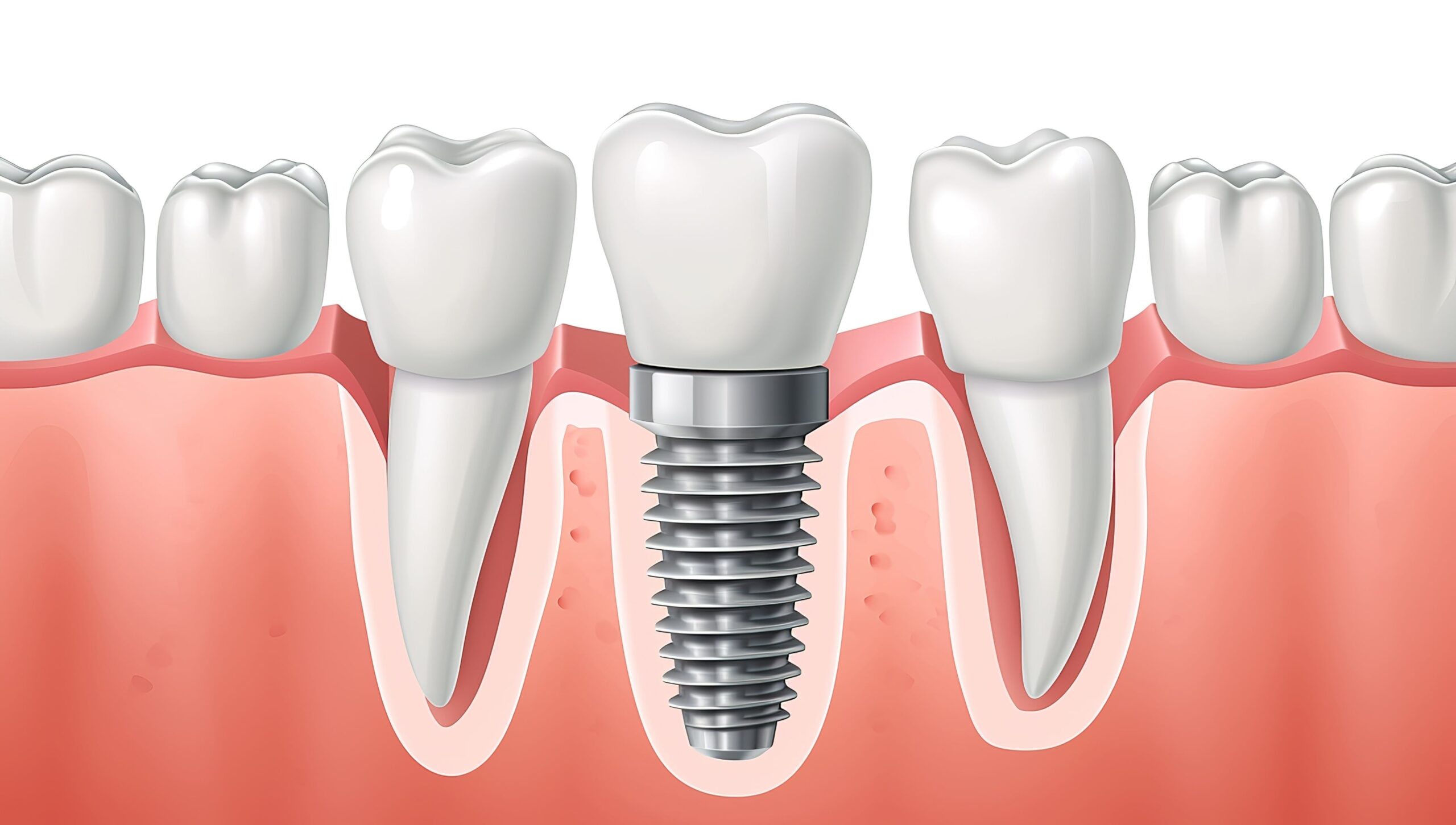
Dental implants are a durable and long-lasting treatment option that can replace missing teeth. They function similarly to natural teeth thanks to titanium screws placed in the jawbone. One of the most significant advantages of dental implants is their ability to fill in missing teeth without damaging other teeth. Additionally, implants contribute to the preservation of jaw structure by preventing bone loss. However, surgical procedures can carry risks, including the possibility of infection or nerve damage. In terms of cost, implants are a high-cost treatment that is often not covered by insurance.
What are the Advantages of Dental Implants?
Dental implants provide a healthy and long-lasting solution for individuals experiencing tooth loss. The way they mimic the appearance and function of natural teeth is a significant advantage that sets them apart from traditional dentures. This treatment method not only improves aesthetic appearance but also plays an effective role in maintaining oral health. The main advantages of dental implants can be listed as follows:
-
\t
- Natural appearance and function
- Preservation of jawbone health
- High durability and long lifespan
- Contribution to oral health
- Ease of cleaning
- Comfortable use
- Clear speech ability
\t
\t
\t
\t
\t
\t
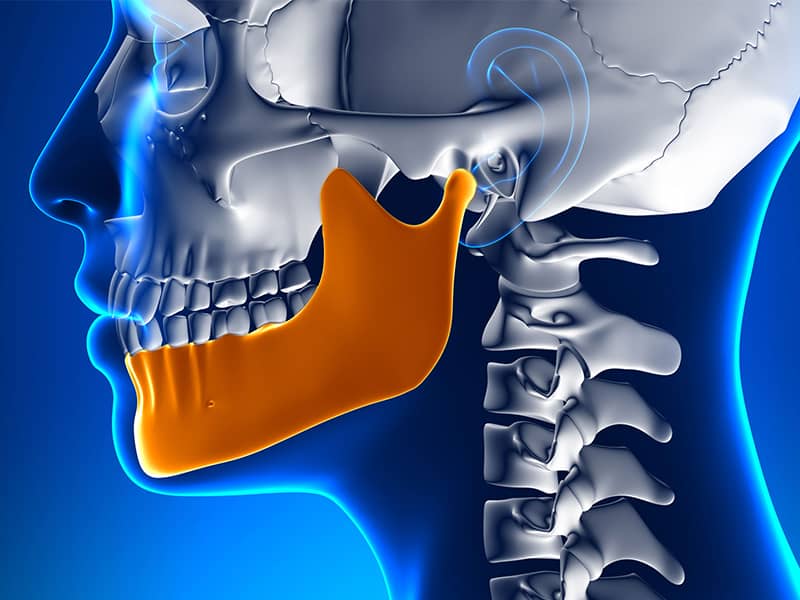
Dental implants prevent jawbone loss and preserve bone structure; this is important not only for dental health but also for facial aesthetics. Additionally, they promote a healthier structure in the mouth by not damaging neighboring teeth. Their comfort in daily functions such as speaking and chewing stands out. Discomforts and problems like instability seen in traditional prosthetics do not occur with implant treatment.
What Are the Possible Disadvantages of Dental Implants?
Although dental implants offer various advantages, they can also have some disadvantages. Patients can make a more informed decision by keeping these disadvantages in mind:
- Surgical risks
- Risk of infection
- Risk of nerve damage
- Long treatment duration
- High cost
- Limited insurance coverage
- Need for bone grafting
- Requirement for regular maintenance
- Risk of peri-implant disease
- Possibility of implant failure
In addition to these negatives, it is also important for individuals considering dental implants to keep in mind health conditions such as smoking or diabetes. To ensure the longevity and health of implants, regular dental check-ups are necessary. Furthermore, having detailed information about the implant procedure contributes to forming realistic expectations regarding the process.
Who Are Ideal Candidates for Dental Implants?
There are certain basic criteria that an ideal candidate for dental implants should possess. Factors such as the individual’s overall health status, age, bone structure, and lifestyle should be considered for a healthy dental implant process:
Health Status:
- No chronic illnesses
- Blood sugar disease under control
- Appropriate management for osteoporosis
Age Factor:
- Complete jaw development in adulthood
- Sufficient bone density for elderly patients
Bone Density and Quality:
- Sufficient bone volume
- Bone graft or zygomatic implant options if necessary
Lifestyle:
- Not smoking
- Maintaining regular oral hygiene
How is the Dental Implant Procedure?
The dental implant procedure aims to provide a solid artificial support to the jawbone by placing implants that serve as roots in the place of missing teeth. This process consists of several stages to ensure effective results in terms of aesthetics and functionality:
- Initial examination and planning
- Surgical placement of the implant
- Healing process and osseointegration
- Placement of the abutment and crown
- Post-operative care and follow-up
Initially, the dentist determines the suitability for the implant by evaluating the patient’s overall health status and oral structure. During the planning phase, imaging techniques like X-ray or cone beam computed tomography (CBCT) are used to examine the detailed structure of the jawbone. In cases where the bone volume is insufficient, a bone graft procedure may be necessary.
In the surgical procedure, the bone tissue is exposed, and the implant is placed into the jawbone. This operation is performed under local anesthesia, and for anxious patients, sedation options may also be offered. The osseointegration process is expected for the implant to bond healthily with the jawbone. During the healing process, patients must pay attention to oral hygiene to ensure the success of the implant.
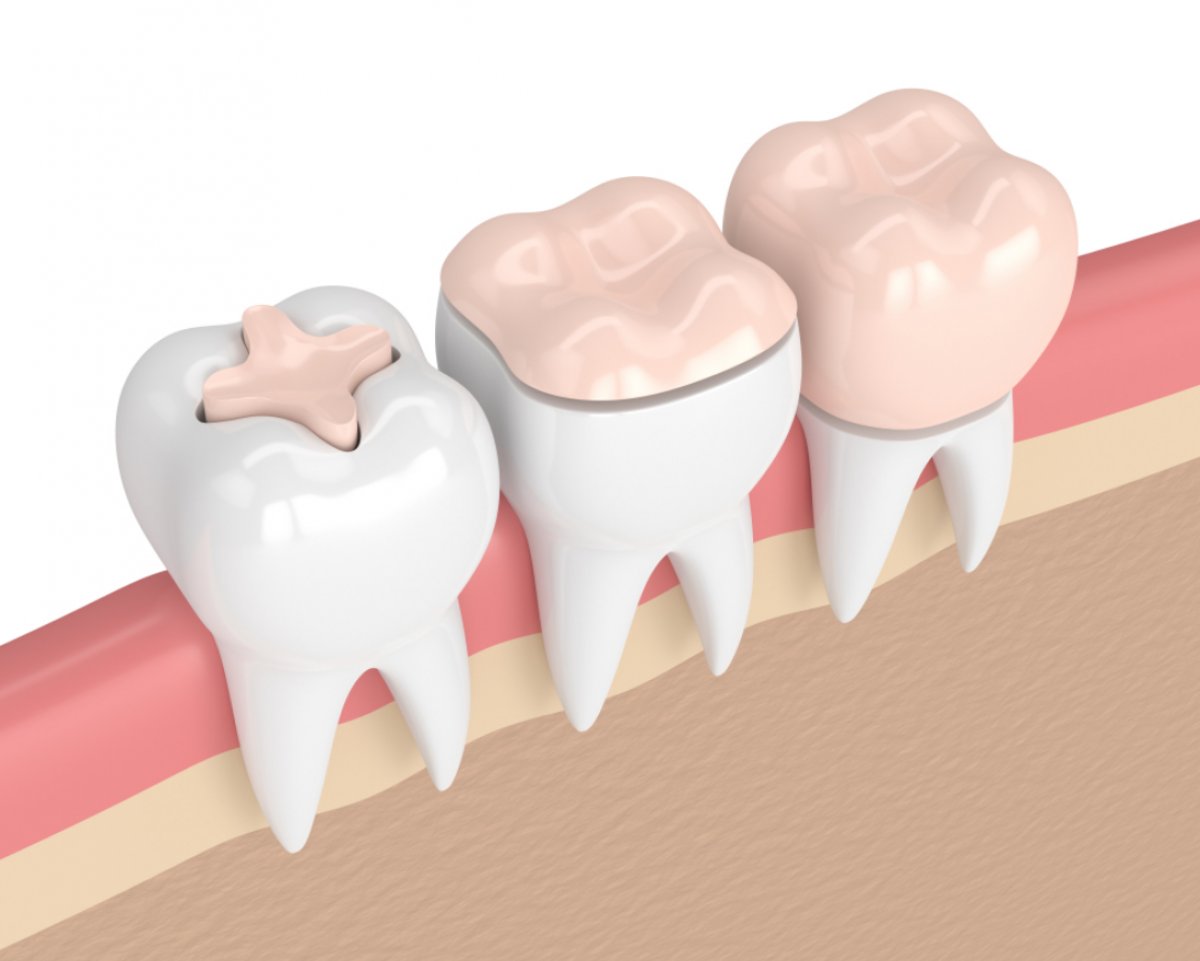
Finally, once healing is complete, a connecting piece called an abutment is placed on the implant, and a crown is fabricated to fit the patient’s oral structure. This crown provides an aesthetic and durable appearance similar to natural teeth, ensuring a complete look in the mouth. After the implant is placed, regular check-ups and care procedures ensure its health and longevity. With good care and regular dental visits, dental implants continue to function flawlessly for many years.
How Do Dental Implants Compare to Other Tooth Replacement Options?
Dental implants fill the gap left by missing teeth with a permanent and natural solution, preserving oral health in the long term. The most distinguishing feature compared to other methods is that they integrate into the jawbone, providing a structure similar to natural tooth roots. Unlike alternatives such as dentures and bridges, implants offer stability and prevent bone loss, strengthening jaw structure.
Advantages of Dental Implants:
-
\t
- Prevents bone loss
- Similar to natural tooth aesthetics
- Enhances chewing function
- Long-lasting
- Does not require special care apart from daily maintenance
\t
\t
\t
\t
Features of Dentures:
-
\t
- Can be easily removed and replaced
- Costs are lower
- May put pressure on the gums
- Can cause bone loss
\t
\t
\t
Features of Bridges:
-
\t
- Receives support from healthy teeth
- Has a shorter lifespan
- Requires shaping of healthy teeth
- Needs to be renewed at specific intervals
\t
\t
\t
Dental implants offer an economically viable option in the long term despite their high initial cost; they preserve the budget with low maintenance requirements and a long lifespan. Patients find implants superior to traditional methods in terms of aesthetic comfort and function; they enhance their quality of life through chewing comfort and a natural appearance.