Can Teeth Whitening and Aesthetic Dental Treatments Be Planned Together?
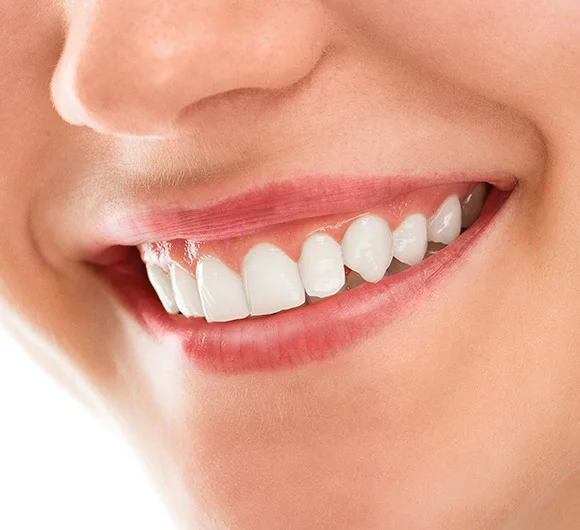
Individuals often wonder whether multiple prosthetic and chemical methods can be applied together during the process of compensating for color mismatches, form irregularities, and local tissue losses in the structure of the mouth, teeth, and jaw. The simultaneous blending of chemical agents applied to lighten the natural color of the teeth by a few shades with ceramics or composite leaves that create a lasting form on the enamel surface requires a proper timing strategy. In clinical practices of Aesthetic Dentistry, establishing optical integrity between the color of the existing teeth of the patient and the new porcelain to be designed is essential. If there is a general yellowing that can be addressed with chemical whitening in the back or side teeth, and if there are form irregularities in the anterior region, conducting these two procedures in sequence and integrating them into each other is a fundamental approach that increases clinical success.
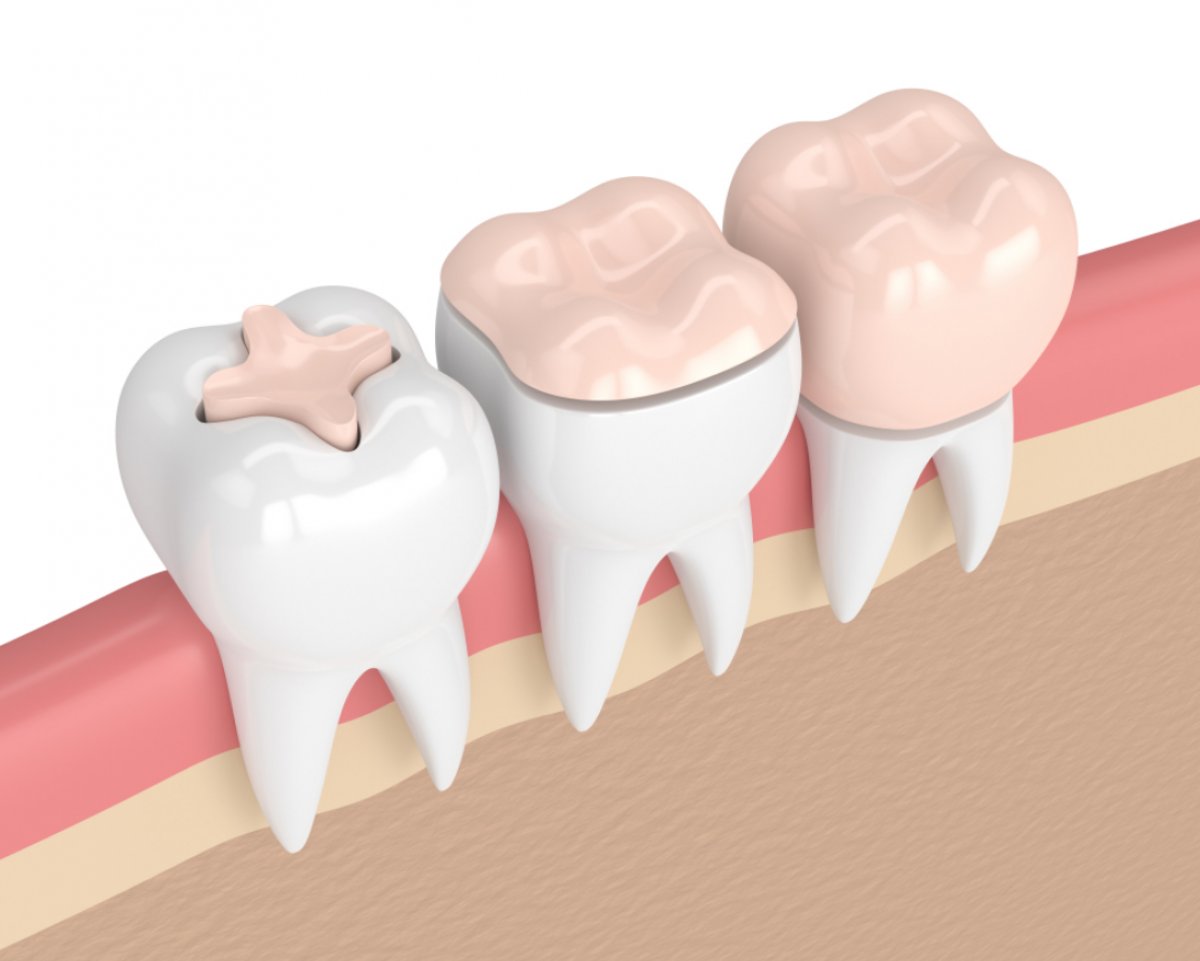
This combined process, meticulously examined in European dental clinic protocols, begins after stabilizing the patient’s gum health. Whitening gels infiltrate the enamel pores to break down internal pigments, while porcelain veneers or zirconium crowns are produced in a laboratory environment according to a specific color code (shade). Once the ceramic materials are finished, chemical whitening gels cannot alter their colors afterward, so it is essential to establish the original color chemically during the planning phase and to manufacture the porcelain according to this new light tone.
How Are Teeth Whitening and Prosthetic Restorations Combined?
One common clinical scenario encountered in restorative dentistry is when the patient needs veneers or crowns on their front teeth, while the neighboring natural teeth have also yellowed. If only very light porcelain is made for the front teeth and the adjacent natural teeth remain yellow, a distinct color difference appears due to contrast within the mouth. To prevent this optical mismatch, chemical whitening is applied to the entire arch in the initial phase of the treatment plan. Once the general color of the teeth reaches the desired brightness level, porcelain restorations are produced in a color code that matches this new tone and integrated into the system.
One other principle of combined planning is the tissue protection philosophy. When there are slight discrepancies or discolorations in the patient’s front teeth, instead of covering all teeth, the overall color is first adjusted with whitening; thereafter, minimally invasive (requiring minimal reduction) porcelain laminates are applied only to problematic teeth. This method allows for significant preservation of healthy dental tissue and for the patient to achieve a satisfying, homogeneous smile design both chemically and prosthetically. The dynamics of the patient’s jaw closure and the gingival biotype are also included in this combined process to maintain biological balance during planning.
Why Should Whitening Be Done Before Porcelain Laminate or Zirconium?
One of the chronic mistakes in restorative dentistry is to make porcelain veneers first and then try to whiten the patient’s teeth. Lithium disilicate, zirconium, or feldspathic ceramics are surfaces that have been glassified at high temperatures and are coated; the whitening gels applied to them do not affect the ceramic molecules and cannot lighten the color. If the teeth are whitened after the porcelains are made, the natural teeth will become lighter tones while the porcelain teeth remain in their old dark colors, creating a very pronounced shade difference in the mouth.
To prevent this medical incompatibility, the dental cleaning is completed first, and then the chemical whitening (bleaching) sessions are finished as applied in Avrupadent procedures. After the whitening process is completed, an average waiting period of 1 to 2 weeks is observed to ensure the color of the teeth is chemically stabilized (not reversible). After this waiting period, the final and permanent color tone of the teeth is determined using a color scale or digital spectrophotometers. The laboratory technician selects porcelain blocks that match this new lighter tone to ensure compatibility between natural teeth and the overlays.
| Treatment Sequence | Clinical Rationale and Outcome |
|---|---|
| Whitening First, Then Porcelain | Natural teeth are lightened, and the porcelains are produced according to this lighter tone; colors are homogenized. |
| Porcelain First, Then Whitening (Incorrect) | Porcelains do not change color; natural teeth are lightened; this creates a distinct tonal difference and patchy appearance in the mouth. |
How is the Chemical Color Lightening Process Applied Before Composite Bonding Procedures?
Composite bonding procedures performed without enamel abrasion are practical restorations that provide form repair in a single session. However, bonding materials, like porcelains, cannot change color with whitening gels once they are made. If there are cracks, small gaps, or shape irregularities in the patient’s anterior teeth while also experiencing general yellowing in the teeth, performing the bonding procedure directly may not achieve a pleasing aesthetic. First, a chemical whitening is performed to obtain a homogeneous whiteness across all the teeth.
After whitening is completed and the color is established, the bonding phase begins. The dentist selects nano-hybrid composite shades that perfectly match the new color of the teeth, filling in broken corners or gaps in layers. For the bonding material to chemically bond to the tooth, any chemical residues remaining on the tooth surface after whitening must be removed, and the enamel pores need to be cleaned. This sequence is a clinical step that supports the invisibility of the filling margins and perfectly completes the overall aesthetic concept.
How is the Color Stability of Teeth Maintained During the Combined Treatment Process?
During chemical whitening procedures, peroxide gels open up the microscopic pores of the tooth enamel and oxidize the pigments inside. For the first 48-72 hours following the procedure, the enamel pores are quite sensitive to colors that may come from the outside. If substances like tea, coffee, red wine, cherry juice, or tobacco are consumed during this period, the opened pores can quickly absorb pigments, leading to rapid re-staining of the teeth. For this reason, dentists remind their patients to avoid pigmented foods referred to as the “white diet” in the first days after whitening.
Prosthetic restorations (porcelain laminate or zirconium) do not absorb stains due to their glazed surfaces; however, to maintain the optical harmony of these porcelains with adjacent natural teeth, the patient’s home care routine is important. To prevent external yellowing that may occur in natural teeth, abrasive high-content pastes should be avoided, and fluoride products should be utilized instead. Professional cleanings applied to natural teeth during periodic clinical check-ups are essential protective steps for maintaining the long-term color stability of combined treatments.
Do the Colors of Porcelain Materials Get Affected by Chemical Whitening?
One of the mistakes patients frequently make is thinking that after getting porcelain crowns or laminates, they can use home whitening gels to restore their teeth to their original color years later when they turn yellow. Chemical peroxide-based gels only target the organic pigment molecules on vital or non-vital natural tooth enamel and dentin tissue. Inorganic porcelain blocks such as ceramics, zirconium, or lithium disilicate are not affected by this chemical reaction.
This biological rule once again emphasizes how critically color selection should be during the porcelain restoration manufacturing phase. If a patient wishes to lighten the color of their teeth after the porcelain has been made, only the natural teeth will lighten, and unwanted color patches will appear in the mouth since the porcelain will remain the same. The only way to correct this situation is to remove the mismatched old porcelain and recreate it in a lighter shade. Therefore, in combined treatments, performing chemical whitening at the very beginning and planning the porcelain based on this final color is a medical necessity.
How Are Timing and Session Intervals Organized in Combined Treatment Planning?
One of the keys to medical success is following the correct chronological order of treatments. In a combined aesthetic planning, if the porcelain measurements are taken on the same day as the whitening is finished hastily, it may lead to incorrect shade selections in laboratory production due to the fact that the tooth color has not completely settled yet. In Europadent clinic protocols, this timing is carefully monitored, and steps are taken in order.
1. Stage (Examination and Cleaning): Examination of the oral flora, analysis of jaw closure, and cleaning of dental calculus for ensuring the health of the gums (elimination of inflammation).
2. Stage (Chemical Whitening): Achieving the desired shade of all teeth with office or home bleaching protocols.
3. Stage (Stabilization and Rest): A waiting period of 10-14 days for the sensitivity caused by bleaching gels to pass and for the enamel color to settle into its final permanent tone.
4. Stage (Prosthetic Preparation and Impression): Taking digital impressions using optical scanners over teeth with clarified colors, making the mock-up of the front trial, and producing porcelain in the laboratory.
What is the Medical Relationship Between Gum Health and Chemical Whitening?
The active ingredient of whitening gels, hydrogen peroxide, brightens the tooth color through oxidation, but when it comes into direct contact with soft tissues (gums and buccal mucosa), it can cause tissue burns and temporary whitening (chemical irritation). Therefore, during office-type whitening procedures applied in the clinic, the gums are covered with specially colored protective barriers (gingival barrier) that harden with light, ensuring there are no microscopic gaps.
However, if there is active inflammation in the gums (bleeding or edema), the sensitivity caused by chemical agents will increase significantly. Therefore, the establishment of periodontal health is the first step in combined treatment. Teeth whitening or porcelain procedures are not started until gum issues are resolved. A healthy, firm, and non-bleeding gum environment not only ensures the safe application of chemical gels but also prepares the ground for achieving flawless margin fit for future prosthetic restorations.
What Steps Are Followed in Combined Aesthetic Planning at Avrupadent Clinics?
In institutional medical service standards, meeting the patient’s expectations is only possible through a continuous process based on scientific realities. In Avrupadent’s management processes, during the initial examination session, the mineralization of the patient’s dental structure and color deviations are analyzed. In cases where whitening and porcelain restorations will be blended at the same time, a personalized timeline is provided to the patient.
Measurements taken with digital optical scanners are combined with the patient’s facial photographs in software to clarify aesthetic goals. Once the chemical whitening step is completed and the color is set, the production of porcelain laminates or zirconium crowns begins. Throughout the treatment, the patient’s sensitivity control is monitored by the physician at regular intervals. This integrated approach supports the emergence of a natural, homogeneous, and long-lasting smile aesthetics by complementing chemical and prosthetic procedures.
What Are Frequently Asked Questions?
1. Can teeth whitening and porcelain laminates be done in the same session?
No, they cannot be done in the same session; since the color of the porcelain cannot be changed with whitening gels afterward, chemical whitening is applied first, then after the color stabilizes, porcelain is produced.
2. How is the porcelain color determined after whitening?
After the whitening process is completed and the color of the teeth is chemically stabilized (after about 1-2 weeks), the new shade obtained is used as a reference to choose the porcelain color.
3. Does chemical whitening harm porcelain coverings?
No, peroxide-based gels do not affect the surface of inorganic glass ceramics or zirconium porcelain, nor can they lighten their color; they only affect the natural tooth enamel.
4. What is the average duration of the combined treatment process?
The total duration, including gum preparation, whitening sessions, color stabilization waiting time, and laboratory porcelain production stages, generally spreads over a schedule of 2 to 3 weeks.
5. Can those with sensitivity undergo whitening?
For individuals experiencing sensitivity, a controlled whitening plan can be arranged using low-concentration gels or desensitizing (sensitivity relief) fluoride supplements under doctor supervision.
6. Are bonding fillings done after the whitening procedure?
Yes, composite bonding fillings for repairing fractures or closing gaps should be applied with resins compatible with the new shade after the teeth have been whitened and the new color tone is clarified.
7. What happens if there is a color difference between porcelain and natural teeth after whitening?
If a color difference occurs due to planning errors, the incompatible porcelain must be removed and regenerated in the new shade since porcelain cannot be lightened with chemicals; therefore, proper sequencing is very important.
8. How does at-home whitening affect the office-type whitening prosthetic process?
Office-type whitening provides quick results in the clinic, while at-home whitening with self-prepared trays is spread over time; in both methods, color stabilization should always be expected before taking the porcelain measurements.
9. Can teeth that have undergone root canal treatment be whitened?
Teeth that have darkened from within due to root canal treatment may not respond fully to standard external whitening gels; internal whitening or a zirconium crown may be necessary for these teeth.
10. Do combined treatments cause enamel erosion?
Chemical gels do not erode enamel; they only oxidize the pigments in the pores; for porcelain laminates, very minimal enamel polishing from the tooth surface is performed, and the tissue is preserved.
11. Why is the white diet rule important in combined treatment?
In the first days after whitening, enamel pores are open, which allows foods like tea and coffee to stain quickly; it is essential to prevent this staining by adhering to the white diet before the porcelain color is chosen.
12. Can whitening be done in the presence of gum diseases?
No; if there is active inflammation or bleeding, peroxide gels would irritate the gum tissue, so periodontal treatment should be performed first to ensure tissue health.
13. Can zirconium veneers be combined with whitening?
Yes, whitening is done first to match the color of the other natural teeth, and then missing or damaged teeth are restored with zirconium veneers to match this tone.
14. How is color matching done according to Avrupadent standards?
Under digital spectrophotometer devices and light simulation lamps, the final color tone after whitening is transferred to the laboratory with precision for matching.
15. How is the permanence of combined aesthetic treatments maintained?
Regular daily oral hygiene (dental floss, brushing), periodic doctor check-ups, and professional dental tartar cleanings help maintain the color of natural teeth and the brightness of the porcelain.