Can implants be cleaned like natural teeth?
Implants can be cleaned like natural teeth in terms of basic mechanical principles such as brushing and flossing; however, due to the anatomical structure of the artificial roots placed in the jawbone and the connection they form with the gum tissue, the use of special interface brushes, thick sponge-like dental floss, and pressure devices is medically necessary as an addition to the standard cleaning routine. If the bacterial plaque that accumulates around the prosthetic area is not removed, much faster and more destructive infections can develop compared to natural teeth.
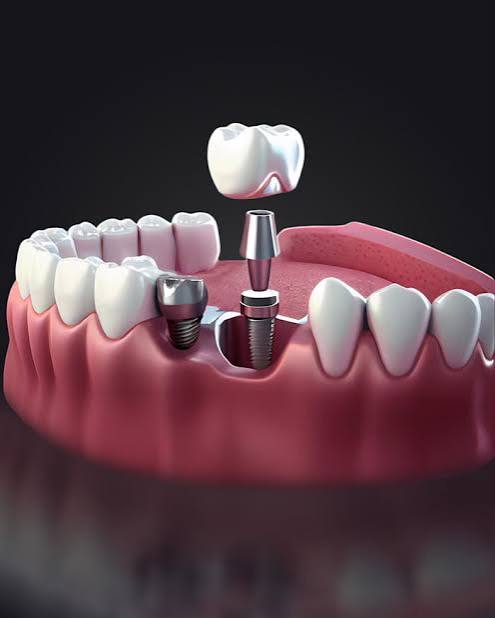
The maintenance of newly established biomechanical systems aimed at compensating for tooth loss is the most critical phase in patients’ post-treatment compliance process. In the community, there is a prevalent belief that these artificial materials (titanium and porcelain) do not require cleaning due to their non-corrosive nature, which is inconsistent with medical reality. Although titanium bodies and the crowns on them do not cause corrosion, the gum tissue surrounding these structures and the supporting jawbone are extremely susceptible to bacterial acids present in the oral flora. The connective tissue (periodontal ligament) that attaches natural teeth to the bone and carries defense cells through the bloodstream is not found around artificial roots.
Why is Implant Cleaning Different from Natural Tooth Care in Izmir?
In the treatments applied in İzmir, it is emphasized that implant cleaning differs from natural dental care; because artificial roots fuse directly and rigidly with the bone (in direct contact) and do not have a protective connective tissue that is rich in blood vessels like that of a natural tooth. This structural deficiency increases the speed at which bacteria erode the jawbone by leaking from the gum pocket (sulcus) and necessitates the use of more specific cleaning tools.
In the patient information processes at İzmir Avrupadent clinics, this anatomical distinction is explained in detail. When bacterial plaque accumulates around a natural tooth, the gum bleeds first (gingivitis), and if this condition is not treated for a long time, it can lead to bone loss (periodontitis) over the years. However, the plaque accumulation around a titanium body implanted in the jawbone initiates direct bone degradation (peri-implantitis) in a much more aggressive and rapid manner, due to the absence of protective fibers. Additionally, the designs of extensive bridge prostheses or complete jaw (All-on concepts) restorations made in cases of multiple tooth loss are broader than the anatomy of natural teeth, creating ‘blind spots’ between the gums and the prosthesis. Food residues in these blind spots cannot be cleaned by simply flushing from the outside with a standard toothbrush.
| Anatomical / Physiological Features | Natural Tooth Structure | Titanium (Artificial) Root Structure |
|---|---|---|
| Bone Connection Shape | Flexible attachment through periodontal fibers (connective tissue). | Direct (osseointegration) stable cellular contact with the bone. |
| Dental Defense Mechanism | Cellular resistance against bacteria is higher thanks to the blood vessels in the fibers. | The vascular system is much weaker, and the defense capacity against bacterial attacks is reduced. |
| Result of Plaque Accumulation | Gum inflammation and slow-progressing bone loss (Periodontitis). | Rapidly progressing and difficult-to-treat bone loss (Peri-implantitis). |
| Need for Mechanical Cleaning | Standard brushing and traditional fine dental floss are usually sufficient. | Special thick threads, interface brushes, and mouth rinses must be used as support. |
How Should the Brushing Technique Be on Titanium and Porcelain Surfaces?
The brushing technique on titanium and porcelain surfaces should involve placing the toothbrush at a 45-degree angle to the gum and using gentle circular vibrations to displace the plaque, followed by a gentle spray directed at the chewing surface of the porcelain tooth (modified Bass technique). This technique allows for cleaning the narrow gum pockets at the junction points of prostheses without causing trauma.
Individuals tend to brush their teeth with harsh horizontal movements back and forth. This mistaken technique causes abrasions in the enamel layer of natural teeth, while in porcelain prosthetics it can lead to gum irritation and recession. When the gum recedes, the gray titanium pieces (abutments) underneath the porcelain become exposed, creating both an aesthetic flaw and a broader metal surface area for bacteria to adhere to. Therefore, brushing should be done slowly, using soft or medium-hard brushes with flat cutting edges. In addition to manual brushes, rotary or sonic electric toothbrushes equipped with pressure sensors provide more effective plaque control by preventing the scratching of porcelain surfaces.
Why Does Flossing Require a Special Technique Around Implants?
Flossing around an implant requires a special technique because the fixed bridge prostheses that cover multiple teeth are produced as a single unit. It is anatomically impossible to lower traditional thin floss by passing it over the tops of the teeth. In these cases, specialized medical dental floss (Superfloss) with a guided tip and a spongy thickness in the middle must be used, passed horizontally from the gum line into the space.
If there is a single artificial root and an independent crown in the patient’s mouth, traditional dental floss can be used carefully by passing it between the neighboring teeth. However, while using the floss, it is necessary to wrap it around the tooth in a diagonal (V shape) motion and pull it upwards; pressing the floss directly against the gum can damage the tissue attachment (epithelial attachment). In bridge cases, however, the situation is completely different. The stiff part of the special threads known as Superfloss is inserted through the lower tunnel where the bridge meets the gum. Once the thick and spongy body of the floss is positioned on the underside of the prosthesis, the patient can gently pull the floss left and right to physically clean the accumulated food and plaque biofilm in that invisible area. This process is a crucial step for the sustainability of the treatment.
What Role Do Interdental Brushes Play in Cleaning Underneath Prostheses?
Interdental brushes help to mechanically displace and remove soft bacterial plaque from the areas that regular toothbrushes cannot reach due to gum recession or the wide triangular (embrasure) spaces formed between the teeth and the gums caused by prosthetic designs. It is one of the most effective physical methods to prevent the formation of dental calculus around crowns.
In restorations made due to advanced age or anatomical bone loss, it may not always be possible to achieve a perfect closure at the points where porcelain teeth meet the gum; small gaps may be left to protect tissue health. These gaps should be cleaned daily with inter-dental brushes. The physician determines the most suitable brush size (thickness) based on the patient’s anatomy (the millimeter diameter of the gap) when delivering the prosthesis. Forcing a thick inter-dental brush into a narrow gap traumatizes the gum, while using a very thin brush in a wide gap does not clean the plaque adequately. The brush should only be moved horizontally a few times inside the gap and should not apply hard pressure against the gum.
How Does Using a Water Flosser Contribute to the Implantology Process?
Using a water flosser contributes significantly to the implantology process by delivering pressurized and pulsed water, which washes away stubborn bacterial plaque and anaerobic organisms from deep mucosal pockets of 3-4 millimeters that toothbrush bristles and dental floss cannot physically reach. The water pressure also massages the gums, increasing micro-circulation in the area.
Especially in cases of complete denture, the lower parts of wide prostheses made with acrylic (pink) support, to ensure lip support, are quite risky areas in terms of food retention. At these blind spots, acid-producing bacteria can easily colonize. The oral tissues can break off the biofilm surrounding the prosthesis. The most important medical rule to consider while using the device is to start with low or medium water pressure and to hold the device tip slightly angled (in the direction of suction), not perfectly 90 degrees against the gum. Water jets applied at a steep angle with very high pressure can tear the weak gum tissue, pushing bacteria deeper into the tissue (towards the bone).
| Usage Parameter | Recommended Medical Application Style | Possible Risks (Incorrect Use) |
|---|---|---|
| Water Pressure (Level) | Should be used at low or medium pressure levels (Low/Medium). | High pressure can create mechanical damage by separating the gum from the prosthesis. |
| Application Angle | The tip should be directed with a slight horizontal angle towards the porcelain from the gum level. | Squirting water straight into the gum pocket (at a steep angle) pushes bacteria toward the bone. |
| Liquid Contents | Room temperature water mixed with clean water or dentist-approved plaque preventive mouthwashes. | Using excessively cold or acidic chemicals may cause tissue sensitivity. |
What Type of Dental Toothpastes and Mouthwashes Should Be Preferred?
After treatment, toothpastes with a low abrasiveness ratio (RDA value) that do not abrade porcelain or zirconium surfaces should be preferred; as for mouthwash, medical ingredients suitable for long-term use, alcohol-free, and that prevent daily plaque formation should be used. Highly whitening (granular) toothpastes prepare the ground for easier bacterial adherence by disrupting the smooth polish layer of prosthetic surfaces.
The main function of toothpastes is to chemically support mechanical brushing. “Extra whitening” toothpastes containing highly concentrated carbonates or silica available on the market can clean natural tooth enamel, but they create microscopic scratches on the surface of specially fired prosthetics in laboratories. When bacteria settle into these scratches, they become impossible to clean. Mouthwashes inhibit free bacteria on the mucosal surfaces of the cheeks, tongue, and areas unreachable by brushing. Although specific mouthwashes containing chlorhexidine may be prescribed by a doctor in the first weeks after surgery, prolonged use (more than 2 weeks) of these chemicals may cause temporary brown staining on porcelain teeth and the tongue. Therefore, lighter formulations (alcohol-free) containing oxygenating or herbal oils are safer for routine daily care.
Is Tartar Formation Seen Like in Natural Teeth?
Tartar formation occurs the same way around porcelain crowns and titanium neck sections as it does in natural teeth, through the deposition of calcium and phosphate minerals from saliva onto bacterial plaque, even if artificial materials are not worn down. Any surface that is not properly cleaned is prone to tartar formation due to the composition of the oral flora.
Tooth stone is essentially a mineralized (hardened) bacterial colony. The areas where porcelain crowns connect with the gum are regions where plaque accumulates heavily and food residues easily cling. If a patient does not effectively brush these areas for 48 hours, soft plaque can harden and turn into tartar. Once tartar forms, due to its porous structure, new plaque layers can adhere much faster. The tartar that forms on the natural tooth root leads to gum recession and periodontal disease; on the other hand, progressing tartar, formed on titanium roots, can cause medical complications leading to tissue loss by aggressively destroying the tissue.
What is Peri-Implantitis (Surrounding Tissue Infection) and How Can It Be Prevented?
Peri-implantitis is a destructive tissue infection defined by anaerobic bacteria in tartar accumulated around prosthetic limits due to inadequate personal oral hygiene, which initiates gum inflammation (mucositis) and subsequently deepens to erode and destroy the supporting jawbone surrounding the titanium root in a crater-like manner. The only way to prevent this clinical scenario is through impeccable at-home mechanical cleaning and professional dentist check-ups performed at six-month intervals.
The most insidious aspect of this infection is that it often does not cause any severe pain or discomfort for the patient until advanced stages (when serious bone loss has occurred). This is because there is no nerve network in the titanium material, similar to that in teeth. The disease only presents symptoms in the form of redness in the gum, bleeding during brushing, and occasionally mild discharge (inflammation). In the early stage, known as mucositis, the condition only affects soft tissue and can be completely reversed with good cleaning. However, once bacteria reach the bone and peri-implantitis develops, the resorbed bone cannot be regained, and challenging medical interventions are required to stop its progression, such as surgically opening the gum under local anesthesia, disinfecting the area with lasers or special instruments, and repairing with new bone grafts if necessary.
- Early Stage (Peri-implant Mucositis): There is only redness in the gum, edema, and bleeding during brushing. There is no bone loss, and it can be completely reversed.
- Advanced Stage (Peri-implantitis): The infection has penetrated the bone, and vertical resorption in the bone is observed on radiology. Advanced surgical intervention is required.
- Preventive Measures: Maintenance of device cleaning, cessation of smoking, and adherence to 6-month professional cleaning appointments.
What is the Difference Between Cleaning Routines for Fixed and Removable Prostheses?
The main difference between the cleaning routines of fixed and removable dentures is that fixed porcelain structures need to be cleaned while sitting on the tissue using special brushes, threads, and oral cleansers without being removed from the mouth, whereas removable (overdenture) dentures must be taken out by the patient after each meal and washed outside with liquid soap and a brush. The titanium retaining caps (attachments) remaining in the mouth also need to be cleaned with a soft brush.
Acrylic plates used in removable systems are quite prone to odor and stain retention due to their micro-porous structures. When the patient removes the denture, food residues around the female (female) retaining sockets on the inner part of the denture and the male (male) titanium buttons in the mouth must be meticulously cleaned. While the denture is being washed outside, toothpaste should not be used; because the abrasive particles in toothpastes scratch and dull the surface of the acrylic. Instead, colorless liquid soaps and special denture cleaning brushes are recommended. Using denture cleaning tablets that dissolve in water a few times a week prevents bacteria and fungal (candida) formations from penetrating into the acrylic. In fixed dentures (such as All-on concepts, etc.), these processes take place using completely interdental brushes and oral cleansers since they cannot be removed from the mouth.
How are Routine Maintenance Checks Planned at İzmir Avrupadent Clinics?
Routine maintenance checks at İzmir Avrupadent clinics are planned after the patient’s medical procedure is completed by recording it in the system, followed by early monitoring where the chewing balance for the first month is tested and subsequently through professional examination appointments that examine radiological bone levels and gum health at six-month intervals. These check-ups involve the dentist objectively scoring the patient’s individual hygiene performance and providing necessary training in preventive health sessions.
The success of a medical treatment does not end the moment it exits the clinic; it lasts a lifetime. According to the quality standards adopted in the İzmir location, patients are invited to check-up appointments even if they have no problems, not just when they have complaints. Minor mechanical loosening in screws or bone loss can start well before the patient feels any pain. During these sessions, the physician examines the area around the prosthesis with millimetric medical probes (measuring the pocket depth). If bleeding areas are detected, errors in the hospital’s brushing technique are identified, and the correct method is demonstrated again in front of the patient. Any small calculus missed during visual inspection is cleaned in this session to preserve the integrity of the system.
How is Professional Cleaning (Detartrage) Applied in a Clinical Environment?
Professional cleaning (detartrage) performed in a clinical environment is applied using special dental tools made of medical carbon, Teflon, or plastic that do not scratch the titanium neck area and porcelain surface, instead of rigid stainless steel instruments (curettes). It involves the use of low-frequency ultrasonic devices with silicone protection to microscopically fragment and remove calcified deposits (tartar) without causing biological harm.
This distinction is a vital medical rule for prosthesis health. The surfaces of titanium and zirconium materials are purified (polished) in a laboratory environment at the micron level. If these surfaces are interfered with using standard steel cleaning instruments, invisible scratches occur on the surfaces. These microscopic scratches become safe havens for bacteria, accelerating the onset of infection. The dentist only uses specially manufactured tools for this structure during professional cleaning. After the cleaning process, a special paste is applied to the porcelain surfaces to refinish (polish) the surface, maximizing its smoothness and plaque-repellent properties.
| Medical Equipment | For Natural Tooth Cleaning | For Titanium/Prosthesis Cleaning |
|---|---|---|
| Hand Tool (Cretuar) Tip | Made of hard stainless steel material. | Carbon, Teflon, or special plastic alloys that do not scratch the surface. |
| Ultrasonic Tip Feature | Standard metal cavitron tips are used at high speeds. | Tip with a silicone coating or specially designed low-speed piezo-electric tips are used. |
| Polishing Paste | Normal fluoridated and granular cleaning pastes. | Extra fine, non-granular pastes that do not dull the glassy surface of porcelain. |
How Do Tobacco Products Negatively Affect the Cleaning Process?
Tobacco products, through the chemicals in the smoke and heat, slow down the salivary flow and dry the mouth, hastening the adhesion of bacteria to the prosthetic surface; at the same time, the effect of carbon monoxide and nicotine narrows the capillary blood flow in the gum tissue, suppressing the bleeding symptoms of potential inflammation (the body’s alarm system), leading to infection that descends insidiously and far more destructively into the bone.
The use of tobacco is the largest biological hazard for oral hygiene and tissue integrity. In smokers, the consistency of the tobacco darkens, and the natural mechanical cleansing effect is lost. The sticky tobacco accelerates the process of calcium precipitating on the bacterial plaque to form tartar. Due to the vasoconstrictor effect of smoking on blood vessels, the gums, which are actually inflamed and should bleed when brushed, do not bleed. The patient, seeing that their gums are not bleeding, may develop a false perception like “my gums are healthy” and postpone their clinical check-up. However, at that moment, the bacteria beneath the gum are rapidly multiplying in an anaerobic environment and eroding the supporting jaw bone. Smoking increases mechanical pollution and paralyzes the body’s biological defense and alarm systems against it.
What is the Effect of Systemic Diseases (Diabetes, etc.) on Oral Hygiene?
Systemic diseases; especially diabetes (sugar disease), create an ideal feeding and multiplication environment for bacteria by increasing the amount of sugar (glucose) in the blood and saliva, while also impairing tissue blood flow and decreasing the resistance of the prosthetic surrounding area of the connective tissue against infections. Therefore, it is a medical necessity for individuals with diabetes, osteoporosis, or autoimmune diseases to pay much higher attention to daily oral hygiene compared to healthy individuals.
When blood sugar levels are not regularly monitored, the pH balance of the oral flora is disrupted and shifts towards an acidic environment. This acidic and sugary flora significantly increases the rate of tartar formation and the severity of gum inflammation. Because diabetic patients have a weakened tissue healing rate (cellular repair capacity), even a small accumulation of tartar can quickly lead to extensive bone loss. These patient groups are classified in the “high-risk” category. Doctors support the mechanical cleaning that these patients will perform at home with daily medical mouthwashes that do not contain chlorhexidine but suppress plaque formation, and they follow a more proactive monitoring strategy by reducing clinical professional cleaning appointments from six months to four months.
How Can Proper Hygiene Habits Sustain the Success of Implantology?
Proper hygiene habits are essential for sustaining the success of Implantology because they protect the gum health around the newly established biomechanical system and mechanically prevent bacterial acid attacks that could lead to bone resorption (peri-implantitis), laying the foundation for the implanted medical materials to work within lifelong biological compatibility (integration) with the jawbone.