Is Implant Surgery Possible Before Age 18?
Implants are not medically recommended or applied in general protocols before the age of 18 because the skeletal development of the individual’s jaw and facial bones is not yet complete. Medical titanium roots placed in a developing jawbone do not show growth and repositioning tendencies along with the bone like natural teeth, which can lead to anatomical asymmetries, differences in tooth alignment, and aesthetic defects in the coming years. Therefore, it is expected that the growth plates (epiphysis) in girls and boys completely close and skeletal development halts before surgical treatment is undertaken.
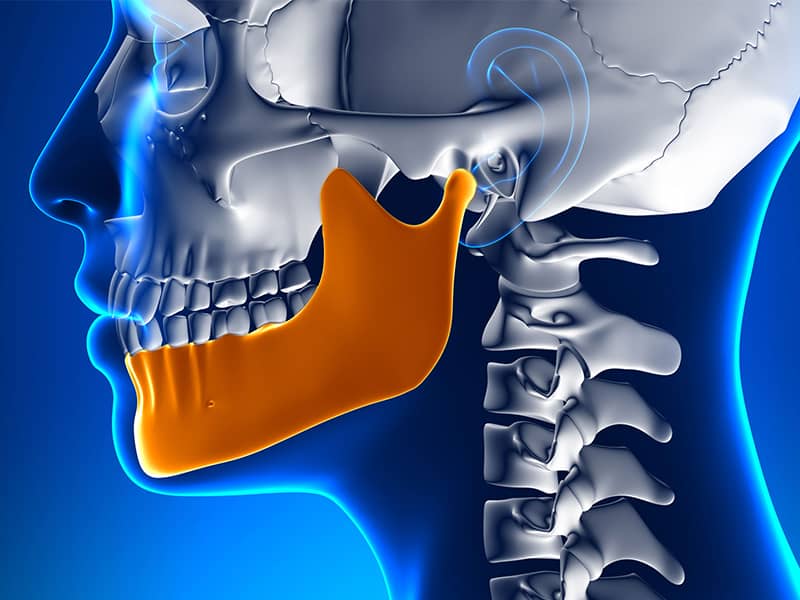
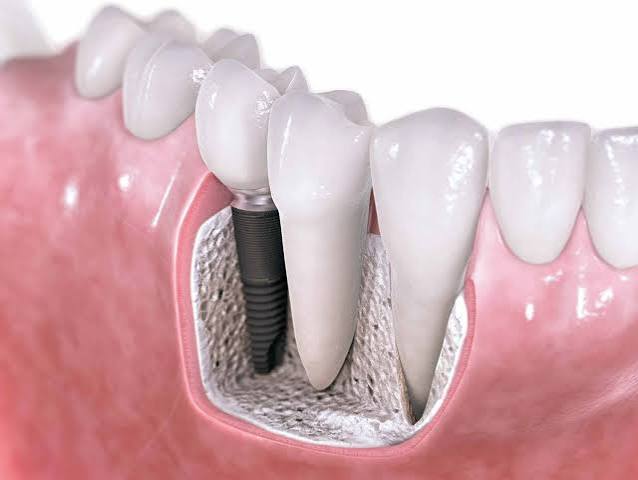
Surgical interventions applied in the field of oral and dental health are directly related to the cellular growth cycle of the human body. A child or adolescent in the phase of growth does not only grow in height; their facial features, upper jaw (maxilla), and lower jaw (mandible) bones are also continuously developing in three dimensions (forward, downward, and sideways). While natural teeth adapt to this growth thanks to the surrounding flexible connective tissues (periodontal ligaments), artificial roots placed in the jawbone remain fixed in place because they are cellularly integrated with the bone (osseointegrated). As age progresses, the surrounding bone and other natural teeth grow and move, while this fixed structure is subjected to a buried (infraocclusion) position. Due to this biological reality, even though 18 is considered a limit, the real determining factor is biological skeletal age.
Why is Implant Treatment Delayed for Individuals in the Growth Phase in İzmir?
The main reason for delaying treatment in individuals who are in the growth stage of the jaw is due to the titanium material remaining fixed, causing the jawbones to continue growing, which results in it staying below the level of neighboring teeth and disrupting occlusal dynamics over time. While natural teeth move in harmony with bone development, the fixed state of medical materials that bond to the bone will lead to both aesthetic and functional issues, so the procedure is postponed until tissue development is completed.
In the İzmir Avrupadent clinics, patient evaluation processes center around the individual’s physiological life. During the transition from childhood to adulthood, the facial skeleton undergoes significant changes. A material placed at a young age may remain so low after the growth spurt (pubertal leap) that the porcelain crown above it becomes completely non-functional and requires replacement. Moreover, bone development in the area can also be adversely affected by the position of the artificial root. This biomechanical incompatibility poses not only an aesthetic problem but also a medical risk that threatens the health of the temporomandibular joint (TMJ). To prevent these risks, it is a fundamental medical rule to wait until the growth period is over.
| Physiological Features | Natural Teeth | Titanium Artificial Roots |
|---|---|---|
| Type of Connection to Bone | Anchored by flexible connective tissue (Periodontal Ligament). | Directly bonds with bone cells (Osseointegration). |
| Adaptation to Growth | The jawbone moves continuously along with the growing bone. | It cannot adapt to bone growth and remains fixed in the positioned location. |
| Closure (Occlusion) Relationship | Maintains contact with opposing teeth throughout the growth period. | Losing contact by remaining below the surrounding tissue level (infraocclusion). |
| Effect on Neighboring Tissues | Stimulates bone development and supports the formation of alveolar bone. | If applied early, it may hinder the development pathways of neighboring tooth roots. |
How is it Determined that the Development of the Mandible is Complete?
The completion of mandible development is determined by examining the patient’s hand-wrist X-rays (carpal radiography) by the dentist to check whether the growth plates (epiphyseal lines) have closed, and by comparing cephalometric X-rays taken at different times in a measurable way. It is concluded that skeletal development has stopped when no millimetric increase in bone dimensions is observed in films taken in subsequent six-month or yearly periods.
This diagnostic process is based on extremely objective medical data. The fact that an individual has reached the age of 18 according to their identity card does not mean that skeletal development has definitively ended. In some individuals, growth stops at age 16, while in others (especially males), cellular growth can continue until age 21. Doctors exhibit a multidisciplinary approach to determine whether growth is active. Hand-wrist radiography is one of the clearest indicators of skeletal maturity in the body. In situations deemed necessary, the child’s growth rate and endocrinological (hormonal) development chart are also consulted with pediatricians to confirm the safety of the process.
What Are the Potential Biological Risks of Early Intervention Below Age 18?
The biological risks of early interventions performed before the age of 18; the embedded titanium structure remaining buried below the level of neighboring natural teeth (a picture resembling ankylosis), physical damage to the developing roots of neighboring teeth, the formation of jaw asymmetries, and the disruption of functional chewing balance. This material that remains fixed within the developing tissue negatively affects the surrounding anatomy.
The complications that early interventions can lead to are generally medical conditions that are difficult to reverse. When the development vector (direction) of natural tissues is blocked, the organism attempts to grow around this barrier, and this can pave the way for deformities. Even if the patient’s parents request to expedite the process due to aesthetic concerns, medical ethics and tissue biology necessitate avoiding such early interventions considering the risks below.
- Infraclusion (Buried Remnant): While the face continues to grow, the prosthetic tooth remains at its old level, which can lead to serious level differences in the gum line.
- Blocking Jaw Development: Titanium material can act as a barrier within the bone, limiting the vertical growth of the alveolar (tooth-supporting) bone in the area.
- Aesthetic Disorders: Particularly in cases of anterior tooth loss, the asymmetric development of gum margins (boundaries) can make achieving an aesthetic smile more difficult in later years.
- Damage to Neighboring Tooth Roots: The roots of other natural teeth that continue to develop and are in the growth phase may be traumatized during the surgical procedure.
- Joint Problems: Due to unequal distribution of chewing forces, irreversible displacements can be observed in the temporomandibular joint (jaw joint) over time.
How is missing teeth compensated until the completion of growth?
Until the growth process is completed, missing teeth are compensated using temporary removable dentures that do not damage the tissue of neighboring teeth, metal/fiber-supported Maryland (winged) bridges attached to the back surfaces of the teeth, or artificial tooth forms placed within transparent plates. These temporary applications meet both the aesthetic and phonetic (speaking) needs of the individual and mechanically prevent the neighboring teeth from tipping into the gap.
When the space for the missing tooth is left empty for a long time, according to nature’s rule, the teeth on both sides of the gap begin to tilt towards this area. The tooth in the opposing jaw also elongates towards that gap due to the effect of gravity. All these anatomical deformations narrow and complicate the bone cavity where the definitive treatment will be done in the future. Therefore, temporary dentures that serve as ‘space maintainers’ during the growth period are of critical importance. These dentures are periodically renewed or adjusted by the dentist as the child’s jaw grows.
| Temporary Treatment Method | Application Features | Advantages and Medical Function |
|---|---|---|
| Removable (Plate) Dentures | These are dentures where an artificial tooth is added to the area of missing teeth with an acrylic base, which can be monitored by the patient. | It can be easily adjusted according to the jaw’s growth, is easy to clean, and covers aesthetic gaps. |
| Maryland (Winged) Bridges | These are fixed temporaries made with special cements only on the back (invisible) surfaces of the neighboring teeth. | Applied without the need to trim the neighboring teeth, ensures aesthetic and phonetic integrity. |
| Transparent Plate Inside Artificial Teeth | Production of the missing tooth form by coloring/adding to transparent thermoplastic plates that cover the teeth. | Especially corrects the teeth and ensures aesthetics in young people undergoing orthodontic treatment (invisible orthodontics). |
How is the process managed for young people who lose teeth due to trauma?
In young people who lose teeth due to trauma (falling, sports injury, etc.), the process is managed by first waiting for the medical healing of the soft tissue and bone damage in the trauma area, followed by making temporary restorations to ensure aesthetics and maintain the volume of the edentulous area. The physician regularly monitors the skeletal growth of the patient with radiological controls and transitions to the main surgical treatment planning as soon as the growth stops.
The most common cause of anterior tooth loss in young people is trauma from sports activities or bicycle accidents. Losing the tooth along with its root is a psychologically challenging situation for both the child and the family. During the emergency intervention phase, the primary goal is to protect the open wound from infections and to radiologically detect any fractures or root damage in neighboring teeth that have been affected by the trauma. Aesthetic temporary prostheses applied immediately after tissue healing minimize the psychosocial effects of the trauma on the child. Parents are informed that the process will take a long time and this protective treatment will continue until bone development is complete.
Is there a difference between the bone development processes of boys and girls?
There is a biological time difference between the skeletal development processes of girls and boys; skeletal growth (pubertal spurt) in girls generally begins earlier and is largely completed between ages 15 and 17, while in boys, this development tends to start later and can continue until ages 18 to 21. This physiological distinction necessitates the application of a gender-specific calendar in treatment planning.
The effects of hormonal cycles (estrogen and testosterone) on the skeletal system differentiate the bone maturation ages of girls and boys. In a 17-year-old female patient, it can be observed that the growth plates have completely closed upon examining wrist X-rays, and she is suitable for surgical intervention, whereas in a male patient of the same age, there may still be slight elongations in the jawbone. Therefore, chronological age (date of birth) in dentistry is not a stand-alone reference; decisions are completely shaped according to the patient’s anatomical and cellular (biological) age.
How Does Orthodontic (Braces) Treatment Before Age 18 Affect Implantology?
Orthodontic (braces) treatment applied before age 18 prepares a perfect anatomical foundation for future implantology by correcting dental misalignments and preserving the space in the area of missing teeth at an ideal width. Since orthodontic interventions position the roots of neighboring teeth in the correct directions, it lays the groundwork for positioning the surgical material in the most appropriate position when skeletal development is complete.
In young individuals with jaw discrepancies or congenital tooth absence, a multidisciplinary approach is adopted. An orthodontist moves the teeth to ideally achieve the jaw arch’s aesthetic and functional form. During orthodontic treatment, a temporary plastic tooth is placed over the area where there is a missing tooth using a bracket (wire) to improve appearance. Once the wires are removed and treatment is complete, and the patient is of an appropriate age, the dentist can easily perform surgical intervention in the prepared and protected area. This coordination is the most important factor ensuring the healthiness of the final aesthetic result.
How is Treatment Planning Done for Young Individuals in Completion of Bone Development?
Treatment planning for young individuals who have completed bone development is shaped by measuring the width, height, and density of the jawbone in the relevant area through three-dimensional dental tomography (CBCT), evaluating surrounding tissues, and creating digital surgical simulations. If the jaw structure is anatomically suitable for surgical intervention, standard, sterile, and scientific surgical protocols observed in adults are started to be applied as is.
Once development is complete, the physician inquires about the patient’s systemic medical history. Since circulation (diabetes, hypertension) issues are generally not observed in young individuals, their tissue healing potentials (osseointegration rate) are considerably higher compared to adults. Using tomography, neural pathways and adjacent tooth roots can be identified, allowing for the preparation of a millimetric surgical guide. After the procedure, an average waiting period of 2 to 4 months is expected for cellular integration depending on the jaw structure, after which the production of porcelain or zirconium superstructures begins.
How is the Waiting Period Monitored in Congenital Tooth Absences?
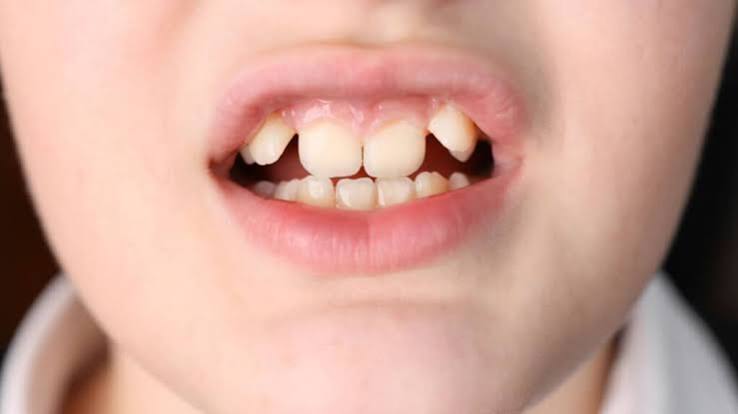
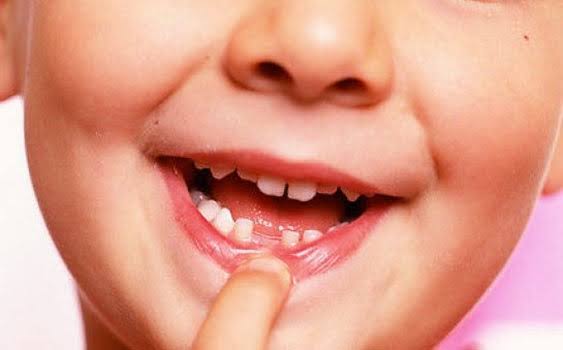
In congenital tooth deficiencies (agenesis), the existing primary teeth are preserved as long as possible, protecting against the potential permanent teeth that may come in. In cases where the primary teeth are lost, the area is monitored with temporary prosthetics until bone growth is completed. Since the primary teeth fulfill the most natural and biological “space-maintainer” role that prevents the surrounding bone from resorbing, avoiding early extractions is imperative.
Agenesis typically refers to the failure of certain tooth germs (especially lateral incisors or small molars) to develop in utero, often associated with genetic factors. When these patients are diagnosed through X-rays, a long-term plan is established with the parents. The fundamental steps implemented in the management of congenital deficiencies are as follows:
- Preservation of Primary Teeth: The non-resorbing primary tooth root can function for many years as long as it is maintained with good oral hygiene and restorations.
- Protection in Case of Early Loss: If a primary tooth is lost early due to extraction or trauma, immediate temporary restorations (such as a Maryland bridge) are used to prevent the volume of bone in the area from shrinking.
- Orthodontic Assessment: Options to preserve the space until the definitive treatment or to close the gap completely by shifting other teeth are evaluated by the orthodontist.
- Periodic Radiological Monitoring: Throughout the period of bone development, panoramic X-rays are taken every six months to monitor the anatomical structure in the area.
What Standards Are Applied for Young Patients at Avrupadent Izmir Clinics?
In Avrupadent clinics in Izmir, the standards applied for young patients are based entirely on evidence-based medical principles, in accordance with the 2026 health legislation ethical principles, and do not involve surgical intervention for any individual with incomplete skeletal development. Temporary aesthetic procedures that only preserve the existing tissue (conservative) are offered to growing youth, and throughout the process, patients and parents are informed with transparent medical data.
In the field of health, the priority is to avoid harming the patient (Primum non nocere). In the processes at Avrupadent’s Izmir location, the legitimate aesthetic concerns of families regarding “immediate dental work” are grounded in scientific terms by communicating medical and biological outcomes. The specialist doctors working in the clinic possess all the necessary radiological equipment to determine bone development. Temporary prosthetic options applied to ensure that young patients are not psychologically affected by this deficiency are carefully designed using the most suitable laboratory materials for the patient’s facial form and smile aesthetics.
What Should Be Considered to Protect Oral and Dental Health During the Growth Phase?
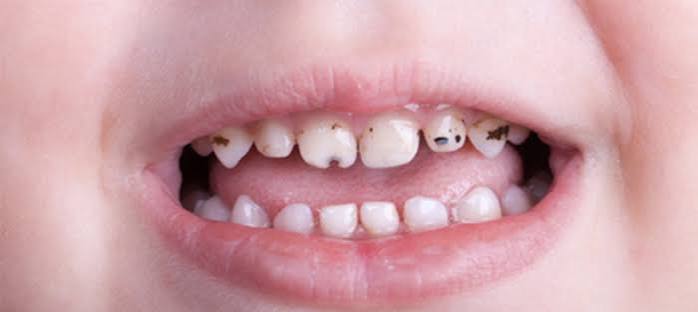
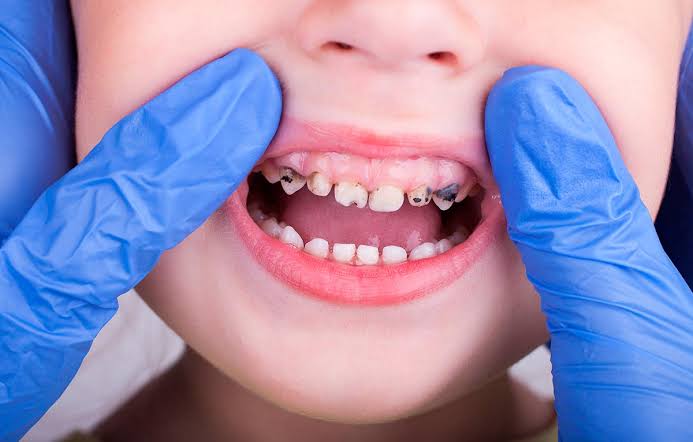
To protect oral and dental health during the growth phase, mechanical brushing should be done twice daily with fluoride toothpaste to prevent decay formation, using dental floss should become a habit, the consumption of acidic and sticky carbohydrates should be limited, and especially for sports activities that require physical contact, person-specific mouthguards should be used to prevent dental traumas. Preventing tooth loss from the very beginning is the most effective treatment method.
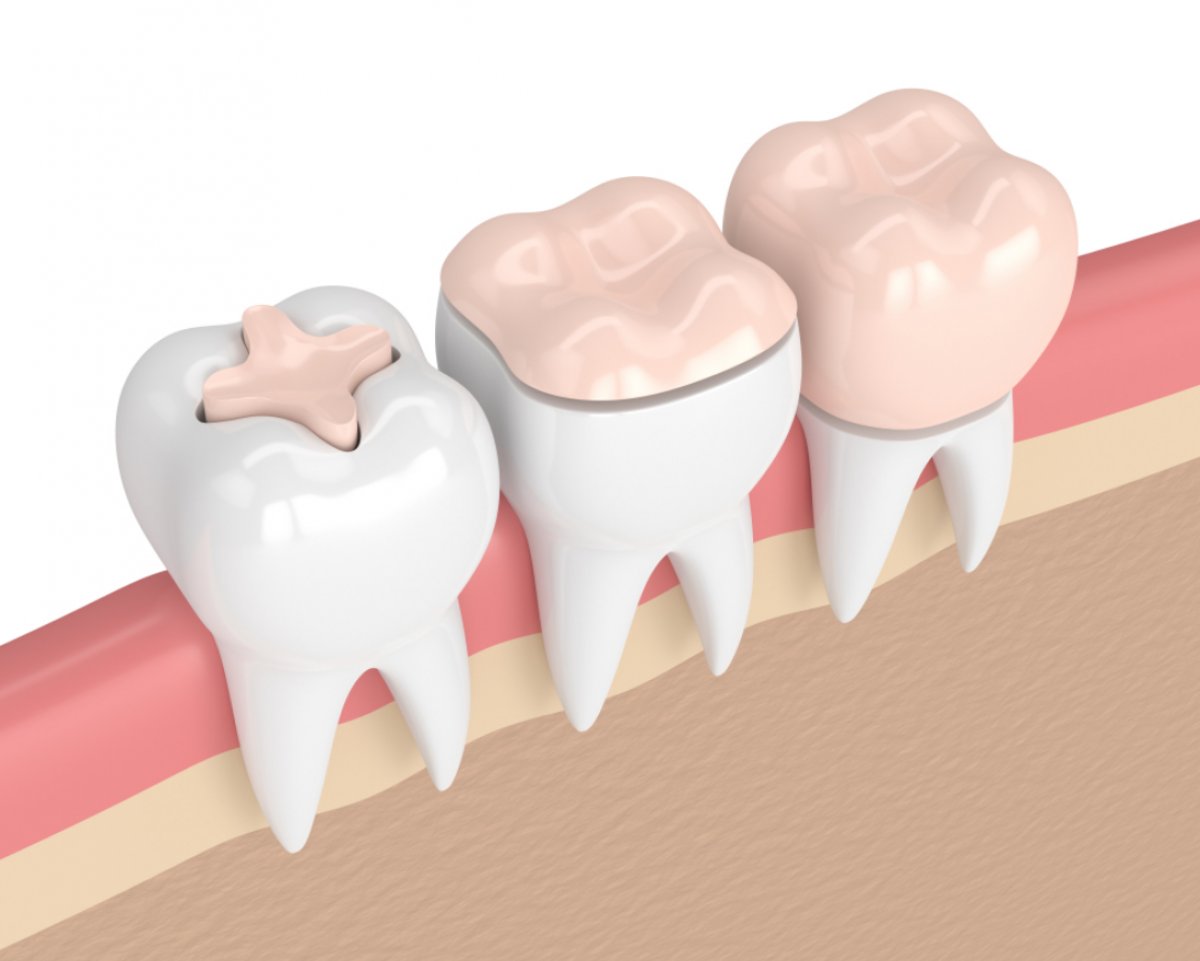
The teenage years are a phase during which nutritional habits change and the consumption of sugary foods increases. Maintaining the natural alignment of teeth (dentition preservation) is the most important mechanical stimulus for the healthy growth of the jawbone. Even if tooth extraction becomes necessary, the gaps created by lost teeth in early youth disrupt the functional development of the jaw. Therefore, preventive dentistry practices (fissure sealants, fluoride treatments) should not be neglected, and routine dental check-ups every 6 months should not be interrupted. Especially, educating young athletes about trauma can significantly reduce the incidence of fractures or tooth loss.
How is Implantology Success Shaped in Treatments Postponed to Later Ages?
In treatments postponed until the age of 18 and beyond due to skeletal development processes, the success of Implantology depends on appropriately preserving the gap with temporary prostheses during the waiting period, preventing bone volume loss in the area, and maintaining high levels of oral hygiene. Titanium materials placed on the preserved anatomical ground after development is complete ensure a high degree of biological compatibility with human tissue, providing long-term functionality.
Medical surgical interventions performed on areas diagnosed in a timely manner and carefully protected throughout the growth process allow for work on the technically most ideal anatomy. Young patients who adhere to the rules of temporary prosthesis use and do not allow the gap to narrow will undergo a very standard and comfortable surgical process when they reach adulthood. Waiting is not a waste of time; it is a necessary and essential period granted to the organism to prepare the jawbone for the most ideal surgical infrastructure for human biology.