Can You Eat Right After Implant Surgery?
Eating right after implant surgery is not medically advised because the effect of local anesthesia in the surgical area has not yet worn off and the clotting in the wound area is not yet properly established. Generally, it is recommended to avoid any solid or liquid food for the first two to three hours after the surgical procedure, and only to transition to soft foods after the time specified by the doctor.
The healing (regeneration) process of the tissues begins immediately after the procedures applied in oral and dental surgery. The placement of a medical material in the jawbone creates a local tissue trauma. The body’s first response to this trauma is the formation of a clot (coagulation) that will join the wound lips. If the patient initiates chewing or consumes liquids immediately after the procedure, this critical clot can be dislodged. The dislodgement of the clot signifies a halt in healing according to medical literature and opens the wound to bacterial infections. Therefore, post-surgical nutrition should not be seen merely as filling the stomach, but rather as a medical discipline that protects the wound site from mechanical and chemical risks.
When Should the First Nutrition Take Place After Implant Surgery in Izmir?
The first nutrition after implant surgery performed in Izmir should take place approximately 2 to 3 hours after the local anesthesia applied in the clinic has fully worn off. Eating before the numbness has gone can lead to serious tissue damage by allowing the patient to accidentally bite their lips, cheeks, or tongue without being aware.
At the Avrupadent clinics located in Izmir, patients are thoroughly informed about the nutrition and care rules before getting up from the chair after the surgical operation is completed. Local anesthetic agents create a temporary numbness in the lower or upper jaw, depending on the procedure area. During this numbness, the brain’s touch and pain reflexes are closed off. A food consumed during this critical two-hour period may lead to severe crushing of the cheek or tongue tissue between the teeth, which the patient may not feel. To prevent these anatomical injuries and to allow the sterile gauze placed by the doctor at the wound site to fulfill its function (to stabilize the clot), it is generally recommended to avoid drinking water during the specified time frame.
What Are the Ideal Foods to Consume After Treatment?
The ideal foods to consume after treatment are those that do not require chewing force, such as pureed vegetable purees, yogurt, kefir, warm soups, and soft boiled eggs. These foods not only provide the vitamins and minerals that the body needs for cellular repair, but also help the tissue heal securely without transmitting any mechanical pressure to the surgical area.
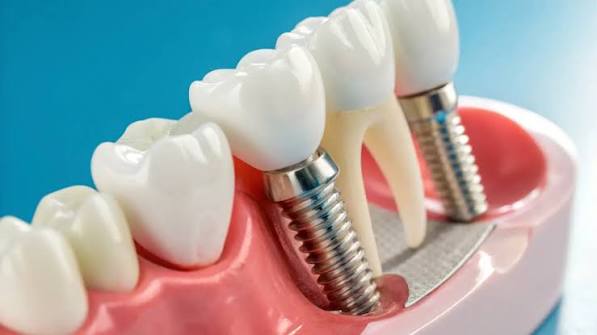
The first weeks after a surgical intervention are the most fragile period for the gum and bone tissue. In current Implantology approaches, the artificial root placed requires zero impact to establish healthy integration (osseointegration) with the bone. The act of chewing transmits a certain stress (load) to the jawbone. The puree-based diet created to overcome the edentulous period bypasses this stress on the bone. At the same time, soft foods rich in protein, calcium, and vitamins, such as kefir and yogurt, provide essential building blocks that will accelerate the activity of bone cells (osteoblasts).
| Food Group | Recommended Consumption Form | Medical Benefits |
|---|---|---|
| Protein Sources | Non-fat meat/chicken broth soups, pureed fish, soft scrambled eggs. | Provides the essential building blocks needed for tissue repair (cell regeneration). |
| Dairy Products | Yogurt, kefir, soft white cheese. | Supports the metabolic cycle of bone cells with the calcium they contain. |
| Vitamin and Fiber Sources | Well-pureed vegetables (carrot, potato), banana, applesauce. | Its soft structure does not harm the area, supports the digestive system. |
Which Foods Should Be Avoided to Protect the Surgical Area?
To protect the surgical area, it is essential to stay completely away from hard, shell-covered, grainy, sticky or foods that should be pulled away such as apple, bagel, dried fruits, caramel, and highly spicy or acidic foods. These types of foods can impose mechanical stress (micro-mobility) on the medical titanium material still in the healing phase, which can hinder the bonding of bone cells and irritate the wound edges.
The procedure of placing a material into the bone in dental jaw surgery is just the beginning. The actual success of the treatment relies on the bone accepting this material. The incorrect crushing of foods like hazelnuts, bagels, and similar snacks can lead to the transfer of the created pressure directly onto the bone structure. This physical disturbance can break the still very fragile cellular bonds between the bone and the titanium surface. The body responds to this disturbance by producing fibrous (soft) connective tissue, and as a result, the material begins to become loose within the bone. Additionally, very small granular foods like sesame and strawberry seeds can get lodged between the stitches, creating a serious risk of infection (inflammation) in the area.
- Hard and Shell-Covered Foods: Hazelnuts, walnuts, almonds, chickpeas, popcorn (can cause chewing trauma).
- Foods That Require Pulling: Sandwiches that need to be bitten into, tough meats, whole fruits (risk for anterior surgical operations).
- Granular Foods: Sesame, fennel seeds, figs (small particles can get stuck between the wound edges).
- Acidic and Spicy Drinks/Foods: Carbonated beverages, hot peppers, lemon (can cause chemical irritation and pain on open wounds).
When Will the Structure Placed in the Jaw Bone Be Ready for Chewing Forces?
The implant placed in the jawbone typically takes about 2 to 3 months for the lower jaw and about 3 to 6 months for the upper jaw due to its more sponge-like structure to complete the cellular bone healing phase (osseointegration). The chewing force will be ready only after this biological waiting period is over and permanent porcelain or zirconium teeth are placed; it is not appropriate to perform standard chewing procedures in the area where the material is located before this time.
In human biology, tissue repair has a fixed rate and cannot be accelerated by miraculous external methods. When a titanium root implant is placed, it creates small areas of bleeding around it, and then osteoblast (bone-forming) cells attach to the porous surface of this metal and build a scaffold. The upper jaw has anatomical air cavities (sinuses) and is more porous, so this scaffold takes longer to thicken and harden. The sole purpose of this months-long waiting period is to ensure that the medical material reaches a biomechanical level that can carry forces as solidly as a normal tooth root. The physician measures stability with medical devices when the time is up and progresses to the production (prosthetic) phase of the permanent tooth when sufficient stability is observed.
How Do Immediate Tooth Implant Cases Affect Nutrition?
In cases where an immediate tooth implant is placed on the same day as the surgical procedure (immediate loading), the primary purpose of these temporary teeth is to maintain aesthetic integrity rather than ensure chewing function; therefore, only a puree and soft diet is mandatory during the healing process. The patient should not make any tearing or hard biting actions in the area where the temporary tooth is located; otherwise, the mechanical pressure applied will directly disrupt the underlying bone healing.
Especially to prevent patients from being toothless for months due to deficiencies in the anterior region, if the surgical stability (torque value) is high, a light temporary tooth made of acrylic or composite materials can be fixed on the same day as the operation. Patients usually feel that they can eat normally in that area when they see a tooth in their mouths. However, these teeth are set millimetrically short in a “passive contact,” meaning they will not touch opposing teeth at the moment of biting. Biting food with these teeth directly transmits the lifting force applied to the tooth into the newly opened bone socket. Therefore, it is extremely important for patients undergoing immediate loading to strictly adhere to dietary restrictions from a biological safety perspective.
Which Jaw Region Should the Chewing Process Be Done From?
In the first weeks following the surgical procedure and throughout the healing period, chewing should definitely be performed using the healthy natural teeth on the opposite side of the operated area. If the procedure was performed on both sides or if the patient has a completely toothless jaw, only very soft pureed foods that can be mashed with the tongue and palate should be preferred, and direct contact of food with the surgical areas should be meticulously avoided.
For example, if only the lower right jaw was intervened, using the left jaw for eating during the patient’s waiting period serves as a mechanical shield that protects the wound site from trauma. If a hard bite reaches the sutured and healing mucosa, it can lead to early opening of the stitches and irritation of the tissue edges (flap). Chewing motion from the opposite side will also draw the circulating saliva in that direction, significantly reducing the potential accumulation of food residues in the surgical area. It is essential to maintain this unilateral eating habit until the first stitch removal appointment (usually 7-10 days).
How Do Cases with Bone Powder (Graft) Affect the Nutrition Process?
In cases where bone powder (graft) is applied, the cellular repair in the area has a much more delicate balance, so the rules for a soft diet in the nutrition process will be adjusted to be followed more meticulously for a longer period (sometimes weeks). To ensure that biocompatible graft particles integrate with the existing bone and transform into living tissue, it is essential that the wound site is not exposed to any mechanical trauma or food compression; this is a prerequisite for healing.
Serious volume losses (resorption) occur in bones that have been toothless for a long time or have undergone infection. When placing a medical root, the physician fills the missing bone with sterilized bone grafts from human or animal sources and covers it with a barrier membrane. The hardening of these powder-like particles is an extremely slow process of clotting and cell organization. If the patient puts hard pressure on that area with an object, the bone powders underneath the gum may become displaced (migration). Displaced graft material cannot integrate with the bone and leads to tissue rejection. Therefore, in cases where grafting (augmentation) has been performed, the nutrition rules are applied much more strictly.
How Do the Consumption of Hot and Cold Foods Affect Wound Healing?
In the first 48 hours following surgery, the consumption of excessively hot foods negatively impacts wound healing by increasing the risk of bleeding (vasodilatation) due to the dilation of blood vessels, while consuming warm foods at the level recommended by the physician helps support healing by limiting tissue swelling (edema). The temperature of the food should always be kept at room temperature or warm.
Hot tea, coffee or hot soup, such as foods, immediately speed up blood flow in the mucous membrane of the mouth. The blood clot that is attempted to be formed in the wound area after the surgery can liquefy due to this heat and may cause secondary leakage from the wound edges. In contrast, applying cold compress from the outside of the cheek on the first day and consuming yogurt, ice cream, or cold puree at room temperature (even mildly cool) constricts the capillaries (vasoconstriction), stopping the bleeding and minimizing potential facial swelling that could occur the next day.
| Food Temperature | Physiological Tissue Response | Compatibility of Consumption in the First 48 Hours |
|---|---|---|
| Extreme Heat (Tea, Boiling Soup) | Dilates veins, dissolves clots, triggers bleeding. | Absolutely Prohibited. |
| Warm / Room Temperature (Vegetable Puree) | Does not irritate the tissue, supports normal metabolism. | Recommended. |
| Lightly Cold (Yogurt, Ice Cream) | Constrains vessels, reduces edema (swelling) and sensitivity. | Recommended (without direct contact with extreme cold). |
Why is the use of tobacco and alcohol prohibited during the recovery period of nutrition?
The use of tobacco and alcohol is strictly prohibited during the recovery period due to their chemical toxins that disturb the blood supply (vascularization) of the oral tissues, dissolve the clot at the wound site, and reduce the amount of oxygen available for cellular healing. The consumption of these substances significantly increases the likelihood of the body rejecting the structure implanted in the jawbone by raising the risk of bacterial infection.
The architect of the healing process is the cells and oxygen that carry the blood to that area. When smoking occurs, carbon monoxide replaces the oxygen in the blood, and nicotine severely narrows the surrounding capillaries. A tissue that does not receive oxygen cannot heal. Additionally, the act of smoking (vacuuming) creates a negative pressure in the mouth, physically dislodging the clot at the wound site. Alcohol chemically irritates an open wound with its acidic structure and pharmacologically interacts with prescribed antibiotics or analgesic (pain-relief) medications, jeopardizing overall bodily resistance. For these reasons, medical guidelines strictly limit the use of these substances during pre- and post-surgical processes.
How is Healing and Nutrition Follow-Up Conducted at Avrupadent İzmir Clinics?
In the Avrupadent İzmir clinics, healing and nutrition follow-up is conducted by providing the patient with specially written and verbal diet lists after the operation, examining tissue health during stitch removal in the first week, and evaluating bone adaptation through periodic examinations in the following months. Each step of the process is carried out in accordance with the 2026 health quality standards, with the aim of ensuring a safe recovery for the patient based on objective data.
The completion of the surgical procedure does not mean the end of the doctor-patient relationship. In the processes at Avrupadent, providing a prescription to the patient exiting the operating room is not enough; every detail of the recovery period at home, including what the patient should eat and drink, is communicated transparently. During the wound control (suture removal) session conducted in the first week, the doctor examines for any signs of infection or food accumulation in the area using magnifying (loop) systems. If the patient’s brushing or dietary routine is going wrong, this situation is immediately detected through small redness observed in the tissue, and the necessary warnings and new hygiene/diet training are provided to the patient.
What is the Role of Regular Check-ups and Dietary Discipline in Implantology?
In the discipline of Implantology, the role of regular check-ups and the dietary discipline followed by the patient is to maintain the cellular integration of the newly established biomechanical chewing system in the first months and to ensure long-term functional health (sustainability) in the years following the permanent prostheses. Adhering to dietary rules and not missing six-month doctor appointments is the most crucial patient responsibility in the success of medical treatment.