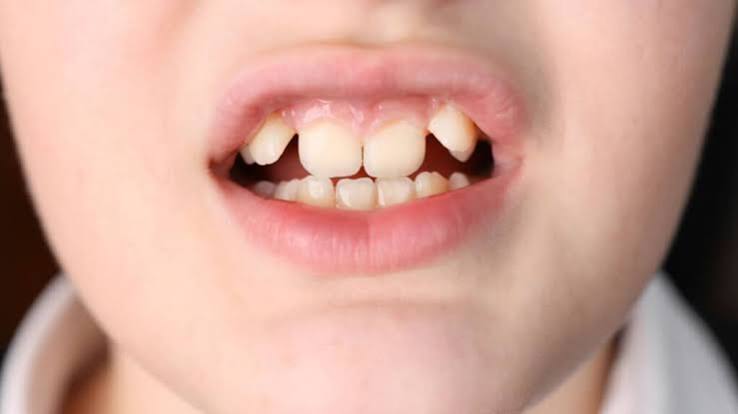

The process of closing gaps between teeth with fillings involves filling the spaces (diastema) with a white filling material called composite. This increases the width of the teeth and eliminates the appearance of the existing gap. It is usually preferred for small to medium-sized gaps in the front teeth and is applied without changing the positions of the teeth, by only enlarging the shape of the teeth. The procedure can generally be completed in a single session and is a fast and effective cosmetic solution since it can be done without pain.
What is Closing Gaps Between Teeth with Fillings?
Closing gaps between teeth with filling is a method of eliminating spaces between teeth by adding composite filling material. In this procedure, a material compatible with the natural color of the teeth is added, and the teeth are reshaped. Since the gap is filled with the filling material, the space between the teeth is closed, resulting in a more aesthetic appearance.
This method yields results in a shorter time compared to orthodontic treatments. Since the position of the teeth does not change, the material added to the gap enlarges the edges of the teeth, ensuring aesthetic harmony.
Generally, there is no need for any grinding of the teeth before the procedure. However, sometimes a small polishing may be done.
After the procedure, the patient can immediately look in the mirror with their new smile and see that the gap between the teeth has been closed.
In Which Situations is Closing Gaps Between Teeth with Fillings Preferred?
Closing gaps between teeth with filling is generally preferred for treating small to medium-sized spaces in the front teeth. The causes of the gaps between teeth can vary, but when the size of the gap exceeds certain levels, filling alone may not be sufficient.
If the gap between the teeth is minimal, the sides of the tooth are enlarged by adding composite, and the natural sizes are preserved.
In cases with large diastemas, since merely adding composite can only make the teeth appear excessively wide, other approaches (such as orthodontic correction followed by composite restorations) can also be applied.
Some patients prefer to close gaps with fillings due to the length of orthodontic treatment or the cost. Similarly, it offers a protective option for those who do not want their teeth cut or are not receptive to more invasive procedures like porcelain crowns.
For individuals with numerous gaps, the composite addition procedure can be performed on several teeth simultaneously, potentially reducing the spaces between all teeth. This way, the overall appearance of the teeth can be improved in a single session.
If the shape of the teeth is small or has a structurally narrower appearance than desired, more proportional sizes can be achieved by adding filling.
How Is the Closure of Diastemas with Fillings Applied?
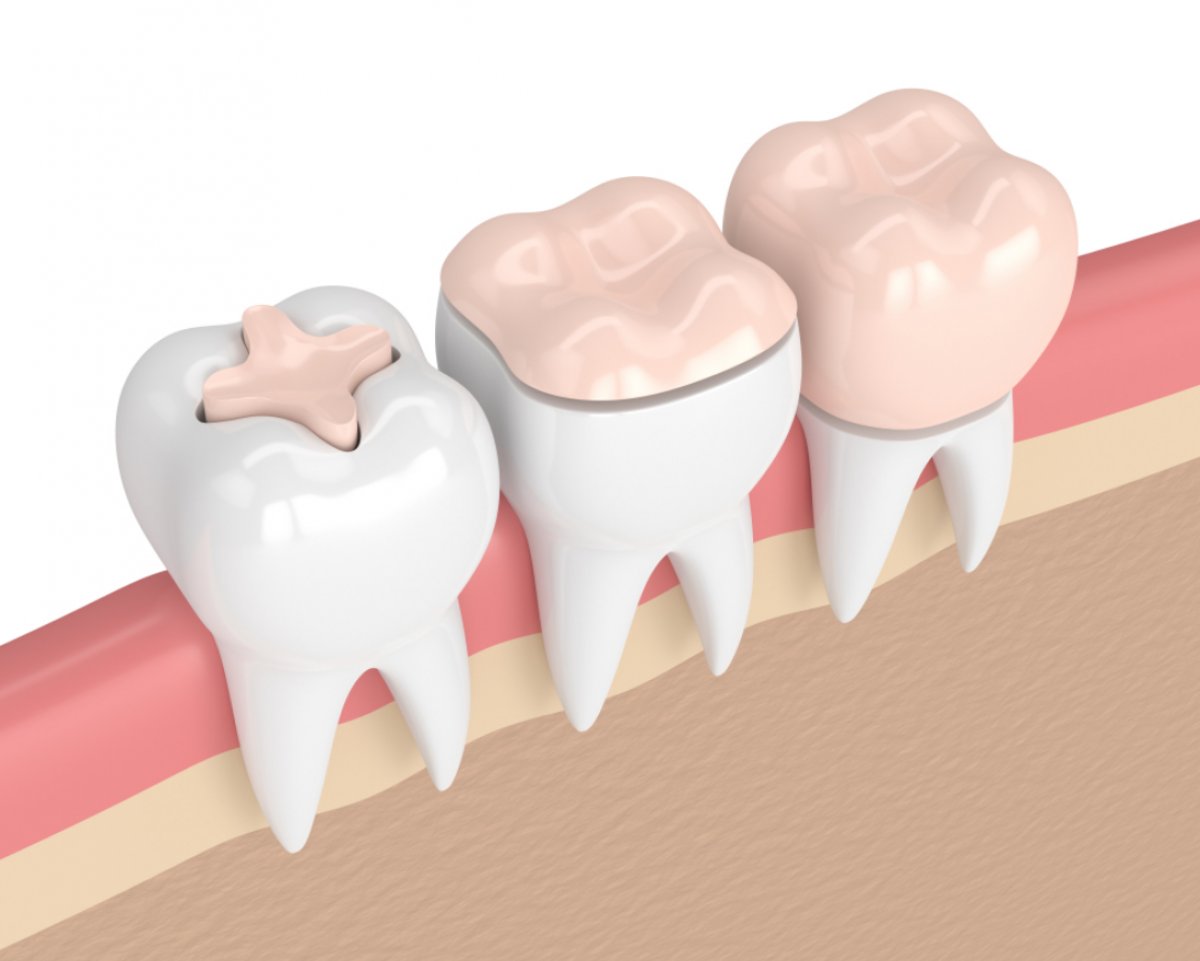
The closure of diastemas with filling is carried out by stepwise adding and hardening a white filling material known as composite on the tooth surface. In this procedure, tissue is generally not taken from the teeth; they are cleaned and polished, and the gap is filled with composite.
First, the teeth are cleaned and isolated from saliva. This ensures a better adhesion of the filling material to the tooth surface.
Then, the tooth surface may be lightly polished; this is called “acid etching.” In the next step, a special bonding agent is used, and when hardened with light, it creates a strong bond between the tooth and the material.
The composite is applied in layers. The material added to both sides of the tooth is hardened with the help of light. Subsequent layers are shaped in a similar way.
Contact points and tooth contours are formed accurately. The unwanted flow of composite to undesired areas is prevented by using plastic bands or transparent strips.
After the material has completely hardened, the dentist performs shaping and contouring to match the natural form of the tooth. It is essential for the composite surface to be shiny and smooth for long-term durability and aesthetics.
Finally, the polishing and buffing step takes place. This phase helps the composite achieve a shine similar to that of tooth enamel.
Which Materials are Used to Fill Gaps Between Teeth?
Composite resin fillings are used to close gaps between teeth, and the biggest advantage of this material is that it matches the natural tooth color. In this treatment, an aesthetic composite filling resin similar to the color of the tooth is preferred.
Modern composites contain filler particles in various sizes. Some are developed with nanofillers to enhance shine and durability.
These fillings come in a wide variety of colors and translucency options. This allows the dentist to achieve a tone that matches the patient’s teeth almost perfectly.
A special liquid known as a “bonding agent” or “adhesive” which strengthens the bond is also used in these processes. This liquid fills in the microscopic pores formed on the tooth surface and increases the retention strength of the composite material.
Composite is a reliable material that has been used for many years and is popular in direct applications. It does not contain metal and has a compatible structure with the tooth and gums.
No laboratory process or measurements are required during the treatment. The entire procedure is carried out in the clinic, directly in the patient’s mouth.
How Durable is Filling Gaps Between Teeth?
Filling gaps between teeth can last on average between 5 to 10 years. A well-made composite filling can remain trouble-free for many years, provided the patient pays attention to oral care.
Key factors affecting durability include the patient’s chewing habits, the presence of conditions such as teeth grinding or clenching (bruxism), and the level of oral hygiene.
Composite filling offers a durable structure suitable for everyday normal use, even though it is not as hard as porcelain.
Some studies mention success rates exceeding 90% for this type of diastema closure procedures after 5 years. Even if small cracks or edge fractures occur, composite can be easily repaired.
If color changes become noticeable over time at the filling edges, a simple polishing or minor touch-ups can restore the original shine. This supports the longevity of the treatment.
What Should Be Considered After Closing Gaps with Fillings?
After closing gaps with fillings, patients need to be diligent about regular oral hygiene and habits. After the procedure, regular brushing and flossing are very important to prevent plaque build-up at the edges of the composite between the teeth.
Regular dentist check-ups allow for early detection of possible color changes or small edge fractures. This way, minor interventions can resolve issues before they escalate.
Crunching hard-shelled foods with front teeth can shorten the lifespan of composite material. Additionally, avoiding bad habits such as nail-biting and opening hard packages with teeth is beneficial.
If there is a habit of grinding teeth or jaw clenching at night, using a night guard as recommended by the dentist can be helpful. This reduces the risk of wear and edge fractures in the closed areas.
Staining agents like coffee, tea, red wine, or tobacco may cause slight color changes on the composite surface in the long term. Regular brushing and clinical polishing sessions have a protective effect against this.
What Are the Advantages and Limitations of Closing Gaps with Fillings?
The advantage of closing gaps with fillings is that it can improve aesthetic appearance quickly, protectively, and economically. This method is quite conservative as it can be applied without cutting into the tooth structure and delivers results in a single session.
Advantages
- Spaces can be filled without almost any loss of the natural tooth structure.
- Anesthesia is usually not required, and the procedure is painless.
- Composite material offers color and luster that are aesthetically compatible with the tooth.
- If color changes or small fractures occur in the future, they can be easily repaired.
- The cost is lower compared to methods like porcelain veneers.
Boundaries
- In the case of filling very large spaces, the teeth may appear disproportionately larger. This situation can negatively affect aesthetics; therefore, in large gaps, planning may sometimes require orthodontics or other treatments.
- Since composite is not as durable as porcelain, its surface luster may decrease over time, or small chips may form. However, these issues can generally be easily resolved.
- If excessive stress is placed on the filling, through hard foods or habits, the risk of breakage increases.
- In the long term, slight color changes may occur on the natural tooth or composite surface. This may require polishing or touch-up procedures.
How Are Aesthetic Concerns Regarding Filling of Gapped Teeth Addressed?
Aesthetic concerns during the filling of gapped teeth are addressed through careful color selection and shaping of the tooth form. The dentist aims to achieve a natural appearance by meticulously planning the composite color and the anatomical structure of the tooth.
Before the procedure, photographs of the teeth or digital designs are used to assess patient expectations. This way, the patient can visualize how their teeth might look after treatment.
In some cases, a temporary “mock-up” is applied. This involves adding temporary composite to the tooth to roughly show the final form. The patient expresses their opinion at this stage, and revisions are made if necessary.
Different composite shades can be applied to the tooth for color matching and can be checked inside the mouth. The light is examined from different angles to select the most suitable shade.
The shaping of the edge lines to align with the natural tooth form is different from an ordinary filling. When closing a gap with a separate tooth, the proportion of the teeth is taken into account.
The polishing and surface smoothing performed at the final stage makes the boundary between the tooth and the filling indistinct. Therefore, from an aesthetic perspective, the existence of the filling becomes imperceptible.
How Are Gaps Closed with Fillings Maintained in the Long Term?
The closure of gaps with fillings can be maintained long term with regular care and follow-up visits to the dentist. Brushing the teeth daily with the correct technique and using dental floss prevents bacteria and plaque accumulation around the filling edges.
Typically, the dentist recommends check-ups every 6 months after treatment. These check-ups assess the surface gloss of the composite, edge compatibility, and the condition of the tooth.
If small color differences or minor edge irregularities are detected, quick polishing or repair can be carried out. These small touches extend the life of the filling and maintain its aesthetic appearance.
Over time, teeth may make slight movements in their natural positions. If the patient realizes this and consults the dentist early on, the gap can be reclosed with composite addition if necessary, or alternative solutions can be sought.
In cases where teeth are subjected to excessive force, such as in bruxism, a protective night guard protects the teeth and fillings from wear. This simple precaution ensures the filling remains intact for a long time.
Healthy eating habits also help maintain fillings. Chewing very hard foods with front teeth can lead to unwanted cracks. Additionally, excessively consuming acidic drinks damages not only the composite but also overall oral health.