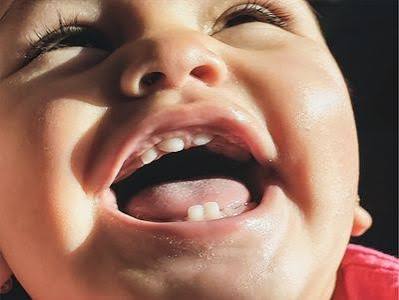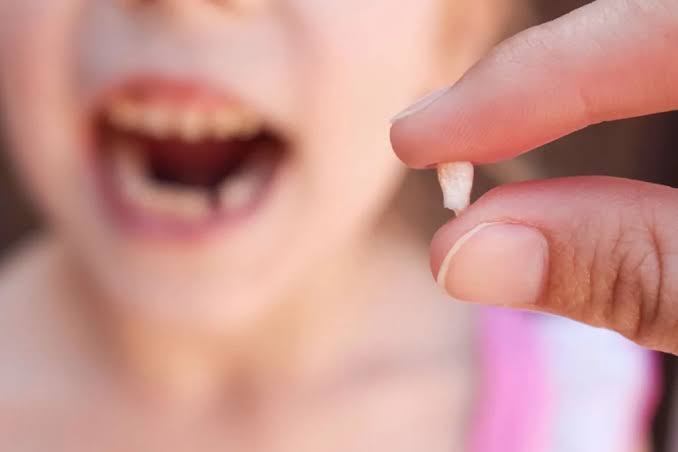
The first dental examination in children is one of the most important turning points in your baby’s or small child’s dental health journey. This first visit is a unique opportunity to establish a positive relationship with the dentist and lay the foundations for oral health at an early age. The first dental examination in children is considered the first step towards future healthy smiles. This early introduction sets the stage for preventive dentistry practices and significantly contributes to the child’s awareness of oral health.
When is the Best Time for a Child’s First Dental Exam?
So when should we knock on the dentist’s door after that little pearl has appeared? Dentists and important health organizations around the world agree on this. The ideal time for your child’s first dental visit should be within six months after the first tooth erupts or by the time your child turns one at the latest. In fact, some experts recommend coming in as soon as the first tooth erupts. The purpose of this early meeting is simple; to take preventive measures before problems arise and to establish a healthy beginning.
What is Early Childhood Caries and How is it Related to the First Dental Examination in Children?
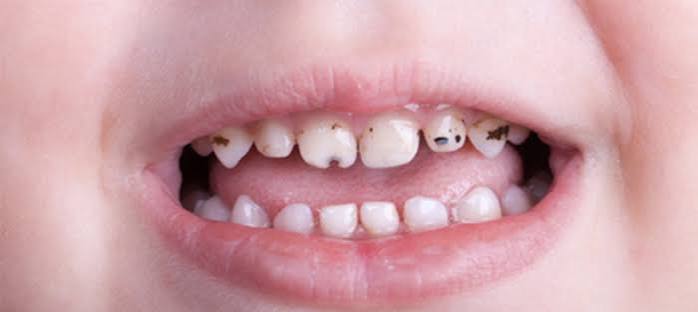
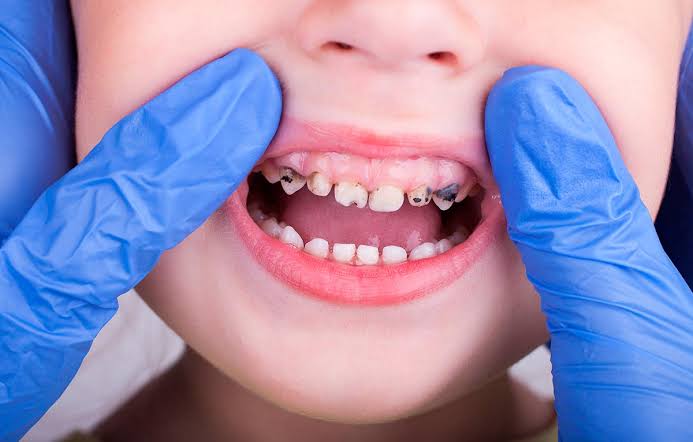
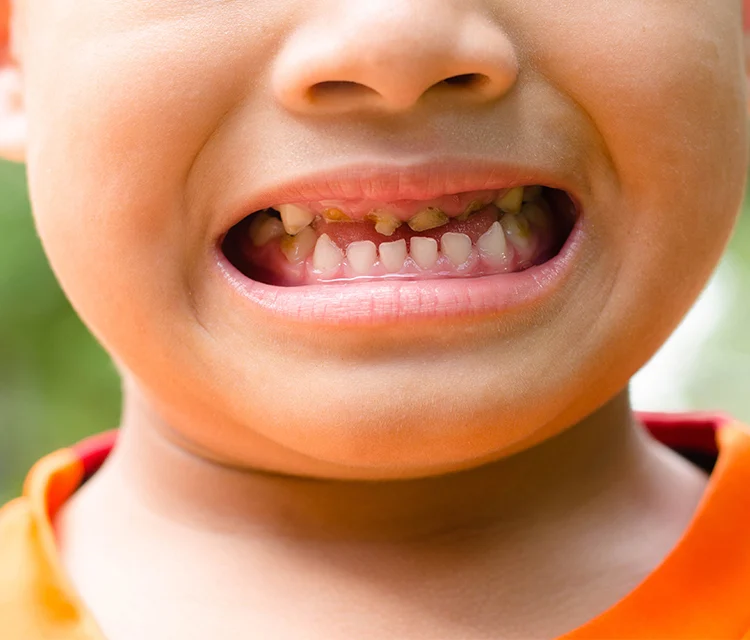
Commonly known as “bottle caries,” Early Childhood Caries (ECC) is a prevalent issue particularly seen in infants and young children. Conditions such as sleeping with a bottle filled with sugary liquids or continuous breastfeeding throughout the night after the teeth have erupted can predispose children to these cavities. ECC can progress rapidly and cause serious damage to tiny teeth. This is why the first dental examination in children is of great importance. An early visit provides an opportunity to discuss these types of risks and take preventive measures before cavities begin.
Why is the Concept of “Dental Home” Important for the First Dental Examination in Children?
“Dental Home” might be a concept you’re hearing for the first time. It means creating a reliable, ongoing resource for your child’s oral and dental health. Just like your regular pediatrician, your dentist becomes someone who monitors your child’s oral health, offers guidance, and whom you can turn to in case of an emergency. The first dental check-up in children is where the foundation of this “Dental Home” is established. When this relationship starts at an early age, your child’s dental health will be in safe hands.
Why is the First Dental Check-up in Children Recommended at One Year Old?
You might wonder why an age is so important. There are several strong reasons for this. First, the goal is to prevent problems before they arise. The dentist evaluates risks and gives you personalized advice. Secondly, it allows for the chance to identify potential issues at a very early stage. If an initial cavity or a disruption in dental development is recognized early, addressing it becomes much easier. Lastly, this visit guides you on what you need to do at home and helps your child acclimatize to the dentist’s environment.
Why is the First Dental Check-up Valuable from a Parent Education Perspective?
It’s important to remember that this first visit is just as significant for parents as it is for children. This meeting is practically an information session for you. The dentist will explain how to properly brush your child’s teeth, how much toothpaste to use, healthy eating habits, and how to manage the use of bottles or pacifiers. Additionally, they give guidance on ways to navigate the teething phase more comfortably and methods to prevent potential mouth injuries. Being equipped with this information empowers you to protect your child’s oral health.
What Should I Expect During the First Dental Check-up in Children?
The first appointment is usually short and calm. Pediatric dentistry clinics are specially designed for children to feel comfortable, and a colorful and fun environment awaits you. The examination is often done in a “knee-to-knee” position. While you and the dentist sit facing each other, your child feels secure in your lap and leans their head towards the dentist for examination. The dentist gently checks the inside of the mouth, gums, cheeks, and erupted teeth. If necessary, a very gentle cleaning or a fluoride treatment to strengthen the teeth may be performed. It’s normal for your child to be a little grumpy; don’t worry. Dentists are accustomed to this situation.
What is the Caries Risk Assessment Done During the First Dental Examination in Children?
A critical part of this first visit is the Caries Risk Assessment (CRA). The dentist evaluates several factors to understand your child’s likelihood of developing cavities in the future. These include dietary habits, oral hygiene status, whether there is plaque buildup on the teeth or initial lesions, and even your own oral health. As a result of this evaluation, it is determined whether your child’s cavity risk is low, moderate, or high. This information is used to personalize the frequency of future check-ups and the preventive measures to be taken.
How Can I Prepare My Child for Their First Dental Exam as a Parent?
It is in your hands to make the visit easier and more enjoyable for your child. Speak about the appointment in a positive and calm manner, avoiding scary words. You can play dentist games at home with a toothbrush or toys. Reading cute books about the first dental visit can also be helpful. Try to schedule the appointment during times when your child is their most energetic and happy, usually in the mornings. Most importantly, remain calm and positive. Children sense your energy. Bringing along a favorite toy can also give them reassurance.
What Recommendations are Given Regarding Oral Hygiene During a Child’s First Dental Examination?
Good oral hygiene habits start very early. Your dentist will advise you; it is important to wipe your baby’s gums with a clean, damp cloth even before the teeth come in. When the first tooth appears, start brushing twice a day with a soft toothbrush suitable for their age and fluoride toothpaste the size of a rice grain (up to a pea size after age 3). Make sure you do or supervise the brushing. When two teeth begin to touch each other, it is time to start using dental floss to clean between them.
What Can I Learn About Nutrition and Bottle Use During a Child’s First Dental Examination?
Nutrition habits directly affect dental health. Your dentist will emphasize the importance of avoiding sugary foods and drinks between meals. They will explain the risks of giving sugary liquids (except water) in a bottle during the night or while sleeping. Bottle feeding should ideally be stopped by 12-14 months and transitioned to using a cup. Healthy nutrition means healthy teeth. Don’t hesitate to ask any questions you have about this topic.
How Can I Get Information About Teething and Habits During a Child’s First Dental Examination?
The teething period can sometimes cause discomfort. Your dentist will suggest safe methods to make this period easier. Cold teething rings or gentle massages with a clean finger can help. However, anesthetic gels sold in pharmacies are generally not recommended. You can also get information about the potential effects of habits like thumb sucking or prolonged pacifier use on teeth and when intervention may be necessary. It is important to have accurate information on these matters.
What are the Long-Term Benefits of a Child’s First Dental Examination?
The benefits of this early visit are countless. Most importantly, it is the first step in instilling lifelong good oral hygiene habits in your child. By taking early precautions and diagnosis, potential issues that may arise in the future, such as cavities and gum problems, and the related treatment costs can be avoided. Additionally, making a positive start in the dentist’s office reduces the fear of visiting the dentist in the future. Remember, a healthy mouth also positively affects your child’s overall health, nutrition, speech, and self-esteem.
How Often Should Follow-ups Be After the First Dental Examination in Children?
There is no magic number for follow-up visits after the first appointment. Instead of the “every 6 months” rule, a more individualized approach is adopted. The frequency of check-ups is determined according to your child’s risk of developing cavities. If your child is in a high-risk group, your dentist may recommend check-ups at intervals as short as 3 months. For children at medium risk, 6 months is generally considered appropriate, while for those at low risk, this period may be extended to 1 year. Your dentist will share the most suitable follow-up plan for your child with you.