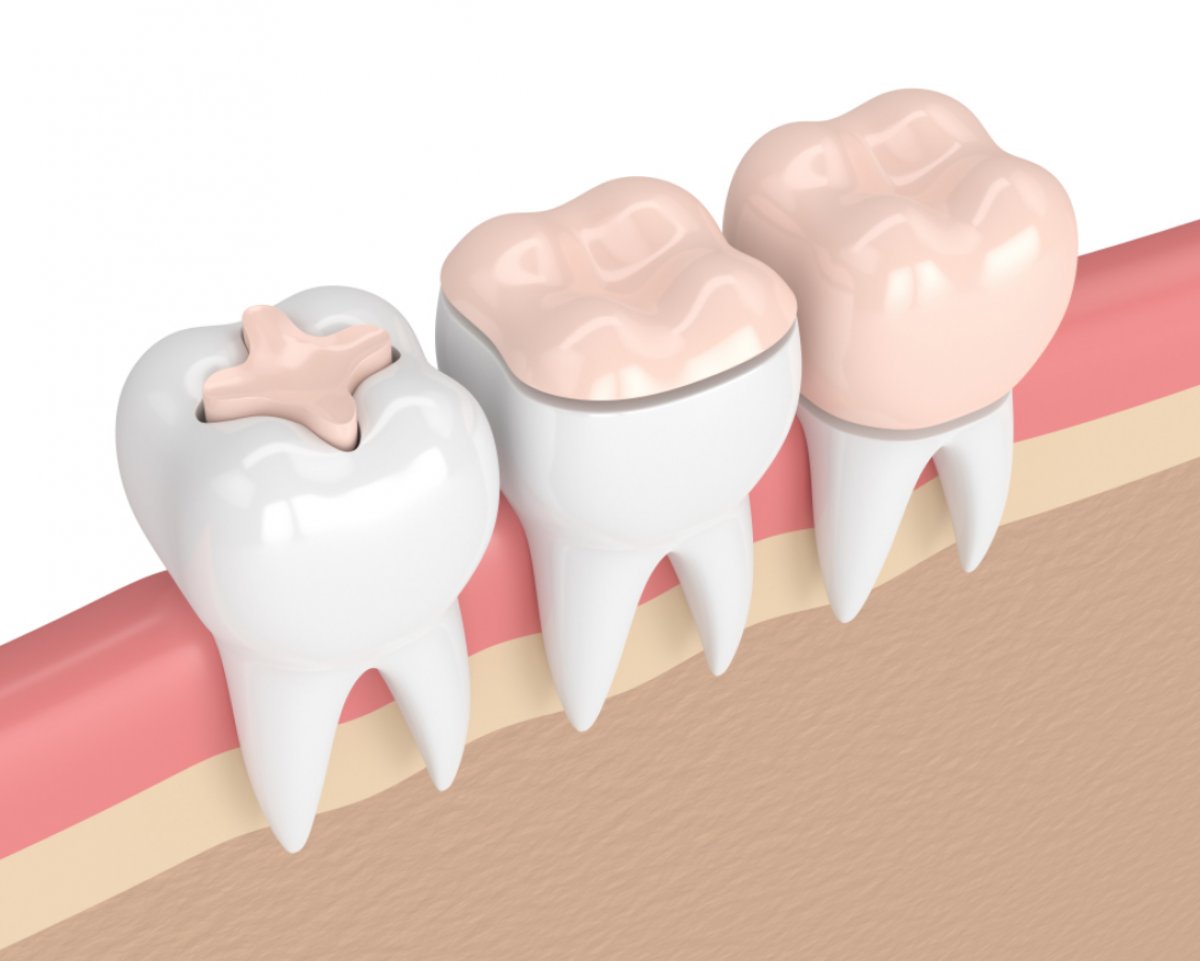

A fissure sealant is a thin protective layer that covers the deep grooves and pits on the chewing surface of back teeth; it is applied to protect these hollows, where decay most often begins, from food and bacteria build-up. It is usually applied to newly erupted molars and to teeth where decay has not yet started.
What a fissure sealant is
A fissure sealant is a thin coating that closes the natural pits, called fissures, on the chewing surface of a tooth. These pits can be so narrow and deep that toothbrush bristles cannot reach into them, so food debris collects easily; decay that forms here is called fissure decay. The sealant fills these hollows and makes cleaning easier. You can read about the causes of decay in the article on why tooth decay occurs in children.
Which teeth it is applied to
A fissure sealant is most often applied to the chewing surface of newly erupted large and small back teeth in children and teenagers. Between baby molars and permanent molars, the dentist decides which teeth to treat by looking at the structure of the tooth and the risk of decay. Because the smooth surfaces of the front teeth do not have such deep pits, it is usually not needed there. In adults, it can also be applied to teeth with deep pits that have not yet decayed.
Application steps
The application is usually a simple procedure done in a single session without cutting the tooth. The steps are as follows:
- Examination: The tooth is checked for decay.
- Cleaning: The chewing surface is cleaned thoroughly.
- Drying and preparation: The tooth is kept dry and the surface is prepared so that the sealant can bond to it.
- Application: A flowing sealant material is applied into the pits.
- Hardening and check: The material is hardened with a special light and the bite is checked.
You can find our approach to working with young patients in the article on paediatric dentistry (pedodontics).
The right age for children
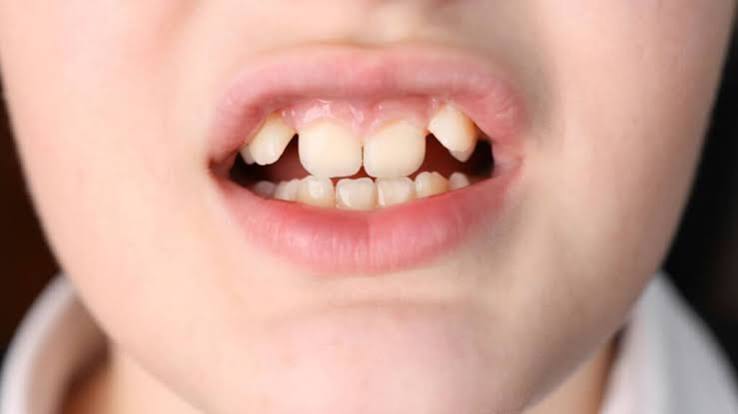
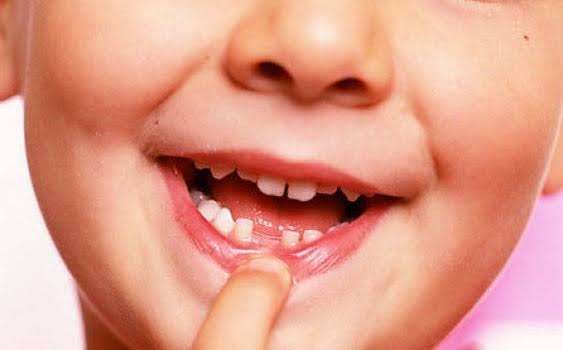
There is no single age limit for a fissure sealant; the most suitable time is when the back tooth has erupted enough and decay has not started. Regular check-ups during the period when permanent molars come in make it easier to catch the right moment. Which tooth is treated and when is decided by the dentist after your child’s examination. For how often to check, see regular dental check-ups for children, and for the first visit, see a child’s first dental examination.
How long it lasts and follow-up
How long a fissure sealant lasts depends on chewing habits, diet and the quality of the application. It can wear down or partly chip off over time, so its condition is monitored at check-ups and it is renewed if needed. A sealant does not replace daily brushing. For habits that help prevent decay, you can read how to prevent tooth decay in children.
To find out whether your or your child’s teeth are suitable for a fissure sealant, you can book an appointment through our contact page.
Frequently asked questions
What is a fissure sealant?
It is a thin protective layer that covers the deep pits on the chewing surface of back teeth and helps prevent decay from starting.
Which teeth is it applied to?
It is most often applied to newly erupted back teeth. The dentist decides which tooth to treat by looking at the structure of the tooth and the risk of decay.
At what age is it done?
There is no set age. The aim is to apply it once the back tooth has erupted enough and before decay starts; the dentist decides this time at the examination.
How long does it last?
The duration varies from person to person. Because a sealant can wear down, it is monitored at check-ups and renewed if needed.