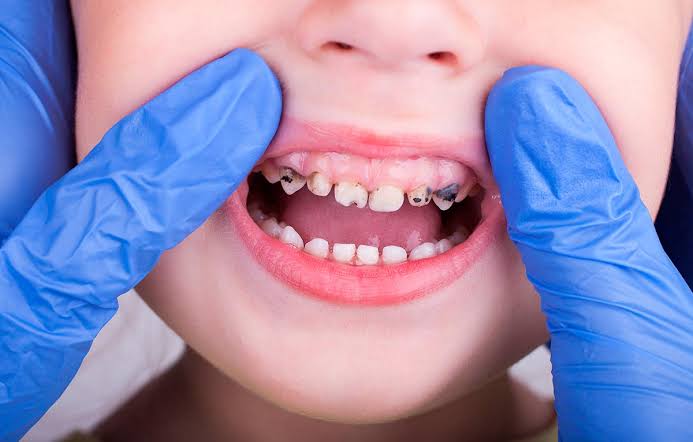
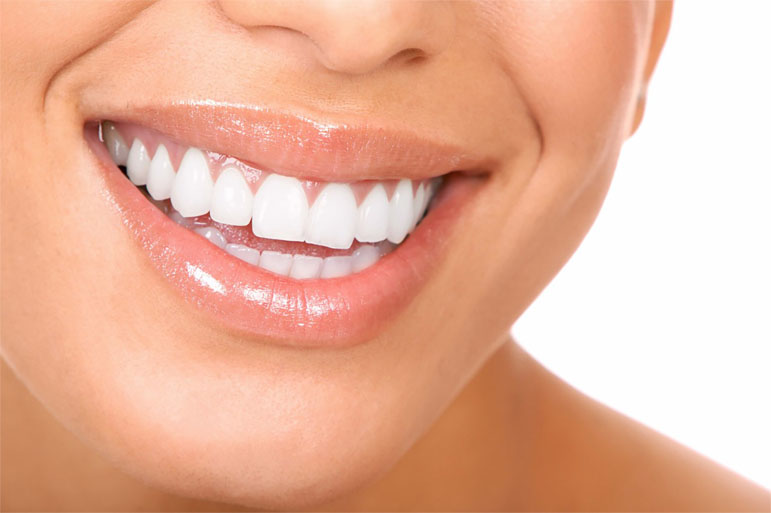
Anterior tooth filling is quite important in terms of aesthetics and functionality. It helps preserve the natural appearance of the tooth by repairing decayed or damaged teeth. During this process, the decayed part of the tooth is cleaned, and then filled with tooth-colored composite resin applied in layers. Each layer is hardened with light to increase durability. After the filling process is completed, the tooth is shaped and polished to match its natural structure. With proper care, an anterior tooth filling can last between 5-10 years, which extends the lifespan of the filling and provides long-term comfort.
| What is Anterior Tooth Filling? | It is a restoration procedure based on composite or porcelain used to correct decay, fractures, or aesthetic defects in anterior teeth. | |||
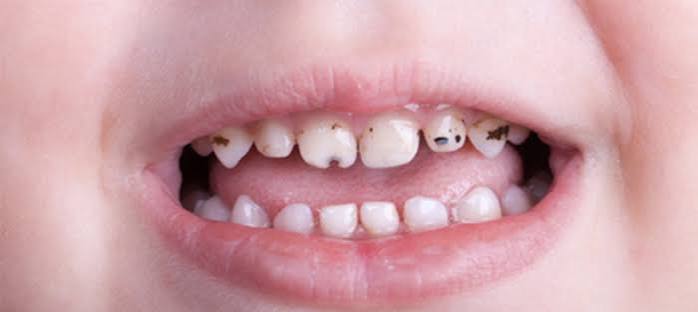
| Who is it Applied to? | – Anterior teeth that have decay or an initial stage of decay – Fractured or cracked teeth – Wear or shape irregularities in anterior teeth – Closing gaps between teeth (diastema) – Correction of color changes or stained teeth | |||
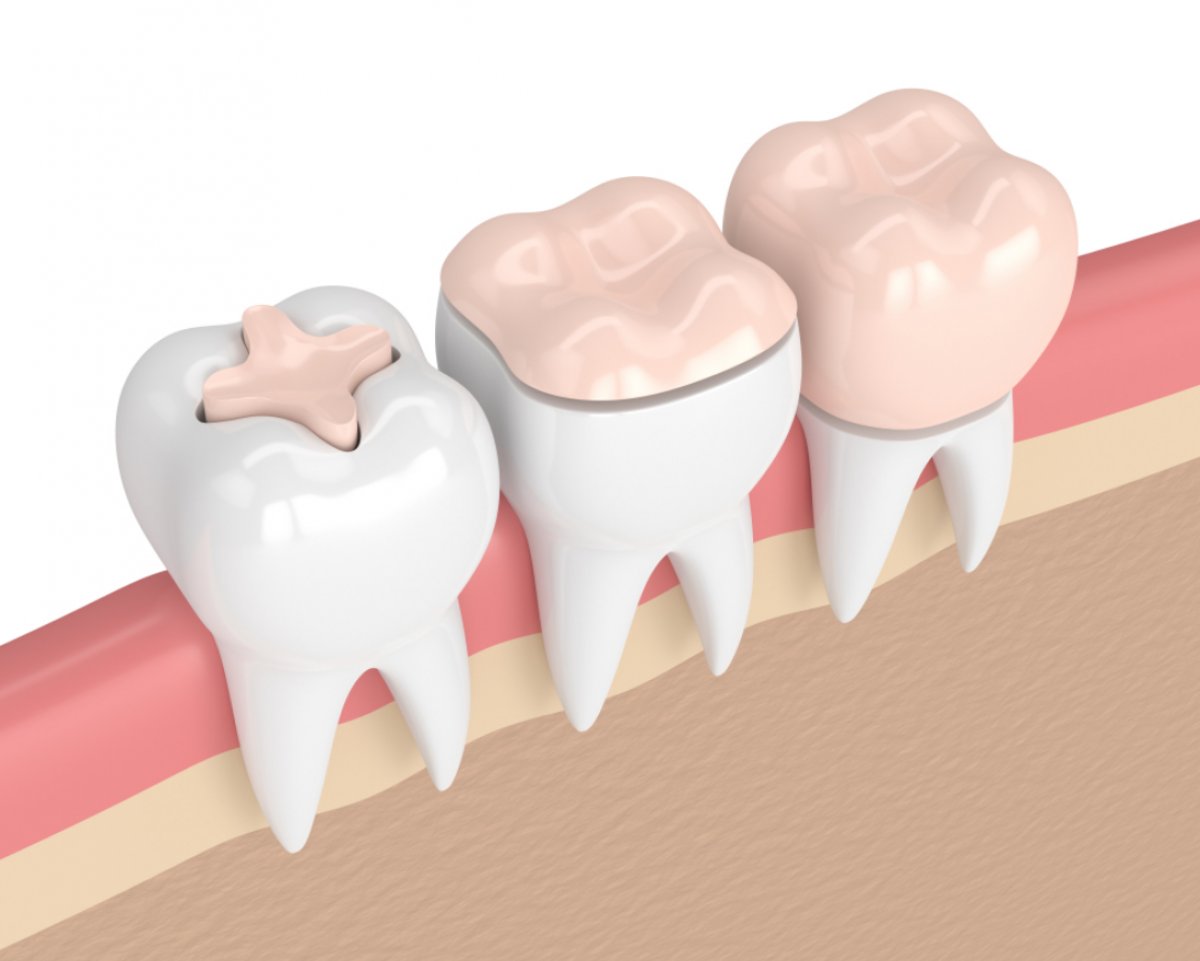
| Materials Used in Filling | – Composite Filling: Aesthetic filling material that matches tooth color and is hardened with light. – Porcelain Filling (Inlay-Onlay): A more durable and long-lasting option, but has a higher cost. | |||
| Advantages | – Matches the natural tooth color (especially composite fillings). | – Can be applied in a single session. | – Requires minimal grinding or none at all. | – Restores the tooth’s function and aesthetics. |
| Disadvantages | – Composite fillings may discolor over time. | – Less durable compared to porcelain fillings against hard foods. | – Polishing or renewing may be required after a certain period. | |
| Application Process | 1. The decayed or fractured area of the tooth is cleaned. | 2. Composite material is applied in layers. | 3. It is hardened with a special light. | |
| Durability and Lifespan | – Composite fillings: 5-7 years – Porcelain fillings: 10-15 years | |||
| Care and Protection | – Regular brushing and flossing.</ – Avoid stain-causing substances like coffee, tea, and cigarettes. – Do not bite hard foods with the front teeth (e.g., nail biting, biting on pens). – Regular dental check-ups (every 6 months). |
How is the Front Tooth Filling Procedure Done?
The front tooth filling procedure repairs decayed or damaged areas while preserving the natural structure and function of the tooth. The process consists of several steps, and each step is carefully performed to achieve both aesthetic and functional results. First, the dentist evaluates the condition of the tooth and numbs the area to ensure the patient’s comfort. Then, the decayed or damaged tissue is cleaned with special instruments, and the tooth is shaped appropriately for the filling procedure.
The steps involved are as follows:
-
\t
- Diagnosis and preparation
- Cleaning of the decay
- Cleaning and shaping
- Application of acidic agent
- Application of bonding agent
- Placement of the filling
- Shaping and polishing
\t
\t
\t
\t
\t
\t
Once all these steps are completed, the filling material is shaped to match the natural tooth color, and the final layer is polished for shine. This way, the filling creates a natural effect in the appearance and function of the tooth. A properly applied filling that is regularly maintained not only contributes aesthetically but also supports chewing function.
What Materials are Used for Front Tooth Fillings?
The most preferred material for front tooth fillings is composite resins. These resins are widely used due to their aesthetic advantages and the strong bond they provide to the tooth structure. Since composite materials match the natural color of the tooth, the visibility of the filling is nearly negligible. Additionally, composite fillings allow for better protection of the healthy part of the tooth.
- Natural appearance
- Durable
- Healthy integration
- Low wear
Composite resins are particularly ideal for repairing broken or cracked teeth. This material, which adheres tightly to the tooth structure, shows less wear compared to other traditional fillings. This results in a long-lasting and durable filling. Composite fillings, popular in aesthetic dental treatments, provide successful outcomes both functionally and cosmetically in anterior teeth.
How Long Do Front Tooth Fillings Usually Last?
Front tooth fillings attract attention with their aesthetic and functional lifespan. The durability of these fillings varies depending on the type of material, the size and location of the filling, and also the individual’s oral hygiene habits. Generally, a lifespan of 5-10 years is expected for composite fillings used for aesthetic purposes, but there are factors that can affect this duration:
- Material quality
- Size of the filling
- Position of the tooth
- Individual’s oral hygiene habits
- Regular dental check-ups
To ensure that fillings have a long lifespan, it is recommended to visit a dentist at least once a year, along with regular dental cleaning and the use of dental floss. Paying attention to oral hygiene not only enhances the durability of the filling but also preserves its functionality and aesthetic appearance. This way, the front tooth filling can be used healthily for many years.
What Factors Affect the Lifespan of Front Tooth Fillings?
The durability of front tooth fillings depends on various factors, ranging from the materials used to personal habits. Each of these factors determines how long the filling can last.
\t- Material selection: Composite resin fillings can last approximately 5-10 years.
\t - Amalgam and gold fillings: Generally, amalgam fillings last 10-15 years, while gold fillings can last up to 20 years.
\t - Oral hygiene: Brushing and using dental floss prevent the formation of cavities around the filling.
\t - Habit of grinding teeth: Grinding or clenching teeth can lead to early wear of the fillings.
\t - Consumption of hard foods: Hard and sticky foods can cause wear on the fillings.
\t - Location of the filling: Fillings in the back teeth are subjected to more pressure than those in the front teeth.
\t - Aging and erosion: Over time, natural erosion occurs in the fillings.
\t
\t
\t
\t
\t
\t
Each of these factors has significant effects on the durability of the filling. For example, having regular dental check-ups and using protection against habits like teeth grinding can be effective in extending the lifespan of the filling. At the same time, the size of the filling also affects its durability; larger fillings are under more stress and may wear out more quickly.
How to Maintain Front Tooth Fillings to Extend Their Lifespan?
The longevity of fillings depends on regular maintenance and healthy habits. The first step is to pay attention to oral hygiene; brushing teeth twice a day and using dental floss helps remove plaque from teeth. Additionally, avoiding hard and sticky foods preserves the integrity of the filling and prevents damage. Furthermore, regular dental check-ups play a critical role in maintaining the fillings and overall oral health.
If you have a habit of grinding your teeth at night, it is recommended to consult your dentist about using a night guard. This measure, which prevents tooth wear, increases the durability of the fillings. Staying away from beverages like coffee and tea, and harmful habits like smoking, also helps maintain the aesthetic appearance of fillings. In caring for fillings, it is important to prefer a soft-bristled toothbrush; hard brushes can damage the fillings.
To protect front tooth fillings, it is important that teeth are not used as tools. Using teeth for purposes like opening packages or breaking hard objects can put excessive strain on the filling and damage its structure.