How Long Does Implant Treatment Take?
Medical titanium root applications, which are part of oral and maxillofacial surgery procedures, are at the top of the list of medical treatments that patients research most in terms of time planning. How long this process will take depends not on the duration of the surgical operation, but on the cellular structure of the jawbone, the biological healing speed, and the laboratory schedule of the prosthetic (crown) stages to be applied. The timeline varies significantly across a wide medical spectrum, from a simple single tooth loss to complex full jaw restorations.
The discipline of Implantology, planned to support dental deficiencies through medical means, is not a one-session application like a standard dental filling or tooth extraction. The medical process includes the biological waiting times required for the material placed in the jawbone to integrate with body tissues (osseointegration), the maturation periods that extend depending on the use of bone powder (graft), and the stages of porcelain or zirconium teeth production in a laboratory environment. Individuals must clearly understand this medical timeline when planning their work or social lives, as it supports the medical compatibility of the process.
In this content, all steps of the medical timeline will be examined in detail, starting from the duration of surgical operations by the minute to the biological period of bone fusion spanning months, and from the stages of interim prosthesis usage to the delivery of permanent teeth. Factors that extend the process based on which anatomical conditions, reasons for differences in healing between the upper and lower jaws, and the effects of systemic health conditions on this timeline will be addressed based on objective medical data.
How Long Does Implant Treatment Typically Take and What Are the Factors Determining the Duration?
The overall timeline for the placement of titanium materials in the jawbone and the subsequent attachment of teeth varies depending on the patient’s bone density, the surgical technique used, and additional bone powder procedures, typically ranging from 2 to 9 months. While a surgical session itself usually takes between half an hour to two hours, the main factor determining the overall duration is the biological timeline required for osteoblast (bone-forming) cells in the jawbone to adhere to the titanium surface and harden. If there is sufficient bone thickness and height in the area to be treated, the patient can transition to the prosthetic phase after a waiting period of about 2 to 3 months in the lower jaw and 3 to 4 months in the upper jaw. This waiting period allows the material to remain stationary within the bone, creating its own cellular structure without being subjected to chewing forces.
One of the main factors extending the treatment timeline is the anatomical resorption in the jawbone. When the bone volume in the relevant area is found to be insufficient, preparatory surgeries such as “bone grafting” (addition of bone powder) or “sinus lifting” (elevation of the sinus floor) are included in the treatment plan. The graft particles require an additional maturation period of at least 4 to 6 months for the body to convert them into the patient’s own living bone. In such complex medical scenarios, the total treatment duration can extend up to 8-9 months. Another factor determining the timeline is the type of prosthesis to be used; in special concepts where temporary fixed prostheses are installed on the same day, patients do not go without teeth during the waiting period, while in standard applications, durable porcelain measurements and laboratory stages require an additional 2-3 week period after the bonding is completed.
How Many Days Does the Initial Examination and Digital Planning Phase Take?
The initial examination, the execution of radiological tests, and the creation of a medical treatment plan is a preliminary phase that can generally be completed in a single clinical appointment (approximately within 1-2 hours). At this stage, the dentist not only observes the inside of the mouth but also transfers the width of the jawbone and the millimetric position of the nerve pathways to a digital medium through three-dimensional Dental Volumetric Tomography (CBCT) images. The length and diameter of the titanium screw to be used are virtually determined from the obtained digital data. If there are conditions in the patient’s general systemic health status that require detailed examination (cardiovascular issues, diabetes, etc.), this planning process may be delayed by a few days for the medical tests and consultations (visions) requested from the medical doctors.
According to the standards observed in the clinical operations of Avrupadent, if an active gum infection or teeth that need to be extracted are detected in the patient’s oral flora after the examination, these issues need to be medically addressed before proceeding to the main surgical phase. Preparatory procedures such as dental stone cleaning and gum treatment may take a few weeks on the schedule to ensure that the area to be operated on is free of infection and has a sterile structure. If all clinical findings are positive, an appointment is typically scheduled for a few days after the initial examination for the surgical operation.
How Many Minutes or Hours Does the Surgical Operation Session Last?
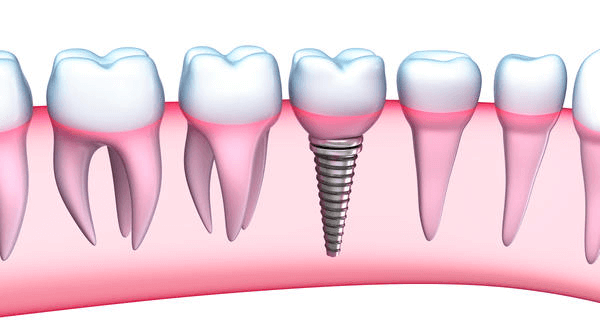
The duration of the surgical operation session varies depending on the number of materials to be placed and the anatomical scope of the procedure. The placement of a single titanium root into the jawbone typically takes an average clinical timeframe of 20 to 30 minutes, including the local anesthesia process. During the procedure, the nerve transmission in the area is blocked, allowing the doctor’s work to progress at a stable level. The procedure is quite straightforward, involving only the retraction of the gum, gradual preparation of the medical socket inside the bone with special drills, and the positioning of the implant into this socket. If two or three units are to be placed side by side on the same jaw, this time may extend to a range of 45 minutes to 1 hour.
The complexity of the medical case directly determines the duration of the operation. If all teeth are missing in the patient and multiple placements will be done on one jaw using the ‘All-on-4’ or ‘All-on-6’ concept, the operation time is estimated to be between 1.5 to 2 hours for a single jaw. If additional surgical maneuvers such as tooth extraction, adding bone powder (graft), or raising the sinus membrane on the upper jaw will be performed during the operation, approximately 30 to 45 minutes of additional time will be added to the session duration. The meticulousness of the medical maneuvers focuses more on the respect toward biological tissues than on the timing of the operation.
How Many Months Does the Integration Period of Titanium Root into the Jawbone (Osseointegration) Take?
The process of integrating titanium material into human physiology to establish a structural connection with the jawbone (osseointegration) is a biological timeline that typically lasts about 2-3 months for the lower jaw and 3-4 months for the upper jaw, depending on the speed of cellular mechanisms. Even if the screw is mechanically fixed to the bone at the time of the operation (primary stability), the cells must organically wrap this metal in order to be able to bear chewing forces for many years. Immediately after the operation, blood vessels migrate to the area, and bone-building cells begin to weave new bone fibers by adhering to the micro-porosities on the titanium surface. The calcification of this cellular cycle (hardening) is a normal medical healing period that spans several months.
The table below classifies the average bone healing (waiting) times under different anatomical regions and clinical conditions based on medical data:
| Surgical Application Area and Conditions | Average Biological Waiting Period | Medical Justifications |
|---|---|---|
| Lower Jaw (Standard Bone Volume) | 2 – 3 Months | Since the lower jawbone is thick and hard (cortical), the cell integration cycle reaches stability earlier. |
| Upper Jaw (Standard Bone Volume) | 3 – 4 Months | The upper jaw is composed of a more spongy and porous (trabecular) tissue, and it takes more time for the cells to form a solid ground. |
| Cases with Bone Powder (Graft) Addition | 4 – 6 Months | An additional maturation period is required for the added synthetic or organic powder particles to convert into the patient’s own living bone. |
| Post-Sinus Lifting (Open Technique) | 6 – 8 Months | The process of vascularizing grafts added to a large bone defect (inside the sinus) and transforming them into a single piece of hard bone is the longest medical period. |
Why Is There a Time Difference Between Healing Periods of the Upper Jaw and the Lower Jaw?
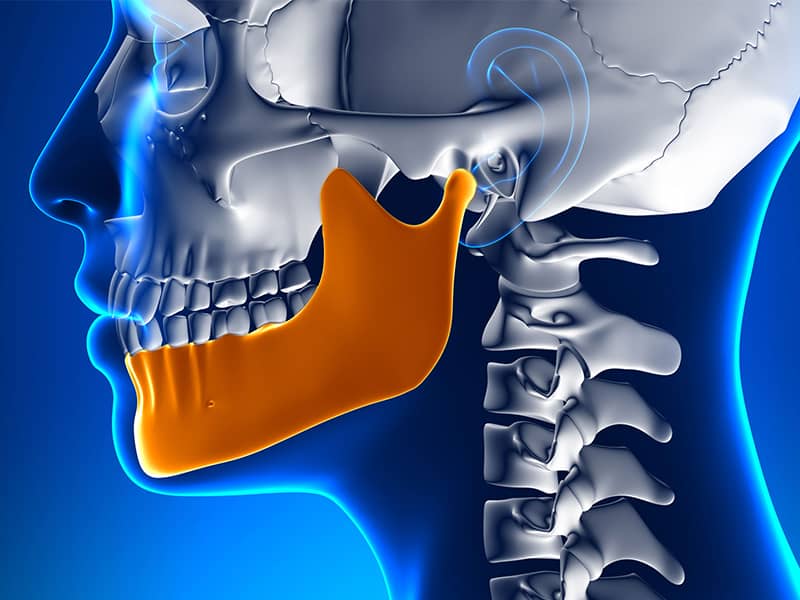
The difference in healing periods between the upper jaw (maxilla) and the lower jaw (mandible) arises from the differences in calcium densities and trabecular (spongy) structure ratios of these two bones. The lower jaw, being a movable skeletal part, is subjected to the force of strong chewing muscles, resulting in a structurally much denser and cortical (hard) bone formation. Medical components placed within this hard structure ensure stronger mechanical initial fixation, allowing bone repair cells to complete calcification (ossification) over a shorter period on this solid ground.
In contrast, the upper jaw is a complex bone that is fixed to the skull and contains air cavities such as the nasal cavity and maxillary sinuses. This bone, which aims to alleviate the weight of the head, has a much more porous and spongy architecture (D3-D4 type bone density) due to its internal structure. The process of sufficient encapsulation and compression of titanium material placed within a porous tissue by bone cells biologically requires a longer timeline. Therefore, doctors allow for an extra month or two of biological maturation before moving on to the prosthetic phase in upper jaw surgeries.
How Long Is the Treatment Timeline Extended in Cases Where Bone Powder (Graft) Is Added?
In cases where bone powder (graft) is added due to the vertical or horizontal position of the jawbone being closely examined, the treatment timeline expands to a medical process that is longer by 3 to 6 months compared to standard practices. Placing titanium material directly into severely resorbed bone can result in the fragment remaining exposed and the system failing to function. To prevent this, in augmentation (volume enhancement) procedures, autograft or synthetic graft minerals are placed in the area. These added particles are inert scaffolds by themselves; the body sending blood vessels into these particles and the bone-forming cells utilizing this mineral scaffold to transform it back into the patient’s original living bone is a cellular reconstruction process that progresses very slowly.
If the bone deficiency is minimal (for example, if only a 1-2 mm thickening is needed), the physician can perform the graft placement and the installation of the titanium implant in the same surgical session. In this case, the total duration (4-6 months) encompasses both the integration of the graft with the bone and the bonding of the titanium at the same time. However, if the bone scaffold is as thin as paper and unable to hold any material, the area is first closed by adding bone powder. After a six-month waiting period, when new jawbone has formed, the patient is taken for surgery again to have the artificial root placed, with an additional standard bonding period of 3 months added on top. In such two-phase (staged) medical planning, the process can extend up to 9 to 10 months.
What Periods Does Temporary Tooth Usage Cover and How Long Does It Stay in the Mouth?
The temporary dental prosthesis is used for a cellular waiting period that lasts for several months following the surgical procedure performed on the jawbone. To prevent patients from experiencing aesthetic concerns during this biological healing phase and to allow them to maintain basic nutrition functions, temporary acrylic prostheses are planned according to the intraoral condition within a few days after the surgical procedure (or the same day if appropriate). Temporary teeth usually serve their function in the mouth for a period ranging from 2 to 6 months until permanent restorations (zirconium/porcelain) are fabricated and installed.
In the design of temporary teeth, the primary medical concern is not to apply force on the underlying healing titanium root. In cases of single tooth gaps, thin-winged prostheses (Maryland bridge) that are anchored to adjacent teeth or temporary teeth supported by transparent plates that rest on the palate are typically preferred to isolate the wound area from mechanical stress. In cases of complete toothlessness, a soft medical liner is applied inside the patient’s existing denture to prevent damage to stitches and bone. In special concepts where multiple implants are placed and bone resistance is high (such as All-on-4), fixed temporary teeth anchored directly to the screws but intentionally kept short on chewing surfaces can be delivered to the patient on the same day. All these temporary devices support the process until biological maturation is complete.
How Many Weeks Does the Laboratory Production of Permanent Porcelain or Zirconium Crowns Take?
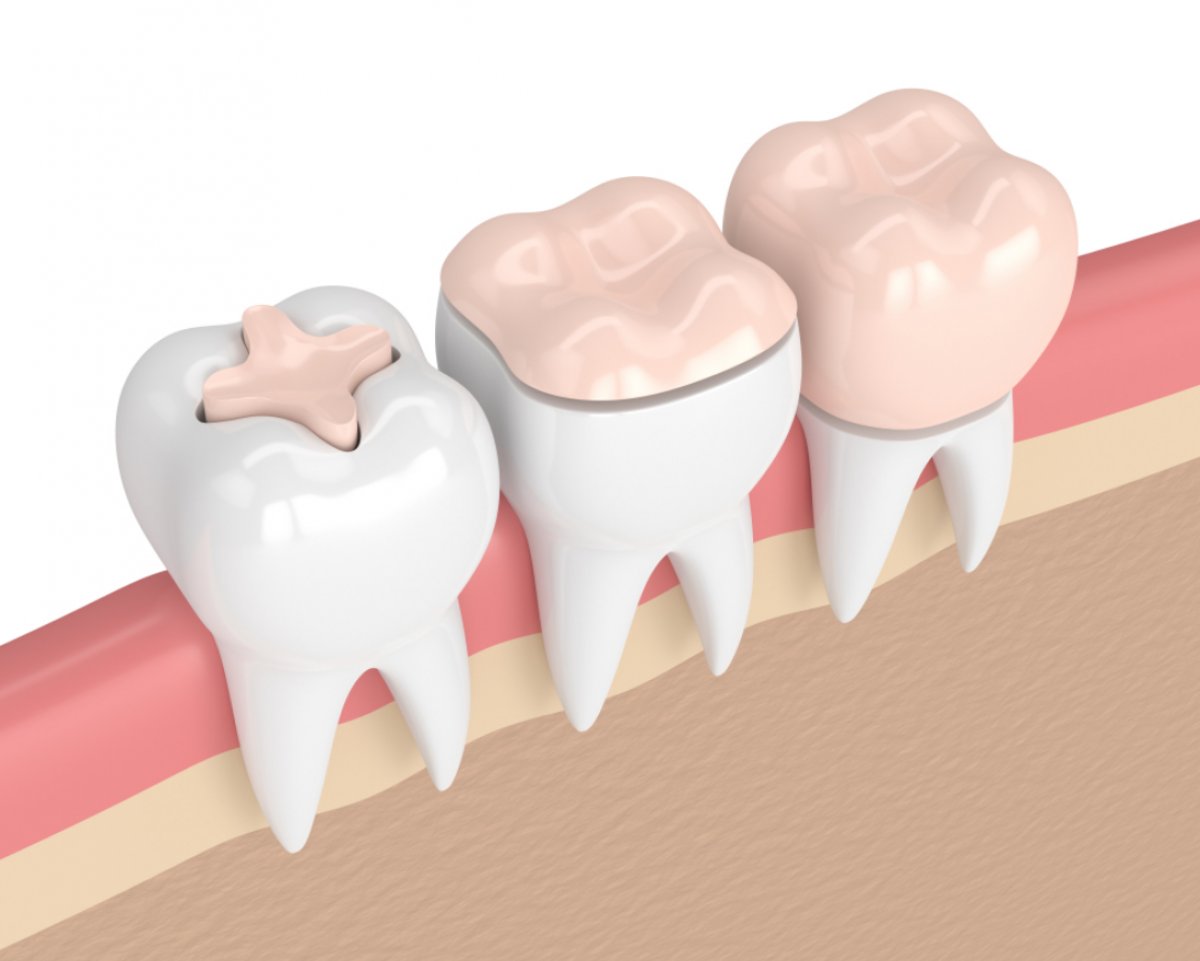
The laboratory production of durable porcelain or zirconium crowns is a detailed design and manufacturing schedule lasting approximately 2 to 3 weeks after the bone healing process is completed and digital or conventional measurements are taken. In the implantology procedures, when the surgical waiting period ends, the “healing abutments” remain in the mouth for about 7-10 days, preparing the tissue. Once the gum reaches the desired rounded shape, impressions are taken with intraoral scanners for prosthesis construction, and the laboratory process begins.
The laboratory phase is a step-by-step medical process that requires multiple fitting appointments rather than a one-time waiting period. A few days after taking measurements, a trial of the framework (metal or zirconium skeleton) is made, and the compatibility of the structures in the mouth is checked. Once this phase is successfully completed, the technicians shape the porcelain powders to create the anatomical form and color integrity of the tooth. In the next session, a “dentin/porcelain trial” is carried out where the patient’s lip support, bite closure (occlusion), and phonetic compatibility on the tooth’s smile line are evaluated by the physician. Necessary aesthetic and functional adjustments are sent to the laboratory, and once completed, the polished (glaze) final prosthesis is delivered to the patient. This series of trials results in the prosthesis delivery being spread over approximately 15-20 days.
How Do Different Surgical Techniques Affect Total Treatment Duration?
Different surgical techniques (immediate placement, early loading, or a two-stage delayed approach) are strategic factors that change the overall timeline of medical intervention and prosthetic delivery in terms of months. In the surgical technique known as “immediate” where tooth extraction and artificial root placement are carried out in the same session, the 2-3 month bone healing period that the patient would need to wait for the extraction site to heal is eliminated. Since the titanium unit is placed in the socket as soon as the extraction is performed, the treatment timeline is shortened to an average of 3 months from the very beginning.
However, the approaches in the philosophy of prosthetics (crowns) also directly affect the duration. In the literature, the technique referred to as “early loading” (immediate loading), in clinical cases where bone density is very high (D1-D2), fixed prostheses are attached to the screws within 48 hours after the surgical operation. In this technique, the patient is directly engaged in function by skipping months of edentulousness or the use of a removable temporary prosthesis. However, in order for this technique to be applied, the anatomical structure of each patient may not meet medical standards. In the “traditional two-stage” (delayed loading) technique applied in soft bone structures, the material is completely covered with gum tissue, the area is placed in isolated rest for months, and the process is prolonged to ensure biological safety.
How Do Systemic Health Conditions Affect the Healing Timeline?
Diabetes (sugar disease), autoimmune disorders, or systemic health conditions such as heavy smoking slow down the body’s cellular repair capacity, directly affecting the bone fusion (healing) timeline and causing it to extend several months longer than the anticipated medical schedule. For titanium material to integrate into the jawbone, it is essential to ensure a rich flow of oxygen and nutrients (vascularization) to the area through capillaries. The use of tobacco products or uncontrolled diabetes delays the arrival of cells to the area by suppressing this capillary circulation.
Especially in diabetic patients, when the three-month average blood sugar (HbA1c) is above medical limits, non-healing at the wound site and slowing in the bone cycle (calcification) is observed. Doctors may extend the waiting period for patients with such systemic conditions to ensure that osseointegration has been medically completed, from 3 months for standard lower jaw cases to 4-5 months, and up to 6 months for the upper jaw. Individuals undergoing treatment for osteoporosis also face a longer and more cautious medical schedule for transitioning to the prosthetic phase, as bone metabolism is altered, which is monitored with radiological controls.
How Are Appointment Intervals Organized in Avrupadent Clinic?
In the Avrupadent clinic operation, appointment intervals are organized according to standard medical procedures, ensuring that they do not interfere with the biological healing phases of the patient; after the first surgical session, suture removal (1 week), bone fusion control (between 2-4 months), and prosthetic fittings (2-3 weeks after fusion) are scheduled. The time the patient will spend in the clinic on the day of the operation is generally reserved between 1 to 3 hours, depending on the area where the procedure will be performed, after which the patient can return to their daily activities.
The first appointment following the procedure is usually scheduled 7 to 10 days later to check the soft tissue healing and to remove stitches if they are not of the dissolvable type. This appointment is a relatively short clinical visit. The patient’s next visit is planned months later to medically test the stabilization of the titanium root within the bone using radiological and special frequency devices (ISQ measurement). When moving to the final stage of the discipline of implantology, the patient is generally given fitting appointments spaced 4 to 7 days apart, depending on the laboratory process. This appointment organization within Avrupadent’s procedures supports the disciplined progression of the medical calendar while considering patient comfort.
Frequently Asked Questions (FAQ)
1. How many months does the entire process take from start to finish? In standard medical cases where the bone structure is suitable and doesn’t require additional bone powder, the entire schedule, including the operation and installation of the porcelain tooth, is generally completed within 3 to 4 months. 2. Will I have teeth during the waiting period? Yes, during the expected months of bone healing, temporary prostheses designed not to put pressure on the relevant area are medically planned to meet the patients’ chewing, speaking, and aesthetic needs. 3. How many minutes does it take to just extract the tooth and place the implant? In immediate procedures where a single tooth is extracted and an artificial root is placed in the same socket, the clinical time typically ranges from about 30 to 45 minutes, including the anesthetic duration of the surgeon’s intervention. 4. How many days after the operation can I return to work? In standard (single or dual) placements, patients can comfortably return to work or their social lives the day after the operation. If there are advanced surgical procedures (such as sinus lift), a rest period of 1-2 days is recommended. 5. Why is the duration of bone integration (osseointegration) shorter in the lower jaw? The lower jawbone (mandible) has a much denser, stronger, and tougher tissue adapted to the masseter muscles. Osteogenic cells achieve calcification (osseointegration) on this hard tissue in a shorter biological period. 6. How much does grafting (bone powder) extend the treatment? The conversion of synthetic or animal bone particles into the patient’s own living jawbone is a slow cellular process, extending the overall treatment timeline medically from 3 to 6 months, depending on the clinical situation. 7. When are stitches removed after the procedure? Depending on the healing speed of the soft tissue (gums), stitches are generally removed in a clinical setting between 7 to 10 days without causing pain. If dissolvable stitches (sutures) were used, they will naturally dissolve without needing to be removed. 8. What is the beginning of the healing process and how long will it take? These are small metallic fixtures placed before moving to the porcelain stage after bone healing is completed. Their purpose is to shape the gum tissue in a round form suitable for coverage, and they are typically held in the mouth for 7 to 10 days. 9. How many days does the pain process continue after the operation? Once the effect of the anesthesia passes after the procedure, a mild throbbing or sensitivity may be felt during the first 1-2 days; this can be easily managed with the medical pain relievers prescribed by the doctor and usually subsides within a few days. 10. How many trials does the porcelain manufacturing stage in the lab consist of? The preparation of porcelain or zirconia teeth usually requires 2-3 clinical trials, which consist of a framework trial, a porcelain (dentin) trial, and a glaze stage, and this process typically takes about 2 weeks. 11. Is there a waiting period in the All-on-4 technique? The All-on-4 concept allows for an “early loading” protocol in patients where bone resistance is adequate. This means that fixed temporary teeth are delivered to the patient on the same day or the next day after the surgical procedure, however, a bone healing period (3-4 months) is still required for the final crowns. 12. Does smoking prolong the treatment period? Yes, since smoking reduces blood flow to the capillaries in the oral cavity, it slows down the transportation of cells to the surgical site; this not only prolongs the bone healing process but also increases the risk of medical complications during wound healing. 13. How is bone density measurement performed during the examination? Bone density and volume are examined in cross-sectional detail on a millimeter level using 3D Dental Tomography (CBCT) devices taken during the first appointment. This radiological data serves as the clearest medical reference for calculating the duration of the treatment. 14. Is an implant performed on individuals whose jaw development is not completed? In young individuals (under 18), since the jawbone’s anatomical growth process continues, the titanium parts to be placed cannot move with the bone and will remain beneath until the growth is completed; thus, treatment is medically postponed. 15. If years have passed since tooth extraction, will the process take longer? During the years without teeth, the jawbone may lose its vertical and horizontal volume (resorption). According to the tables in which the bone has been extensively studied, bone grafting procedures may need to be performed first, extending the overall treatment timeline up to 8-9 months. |