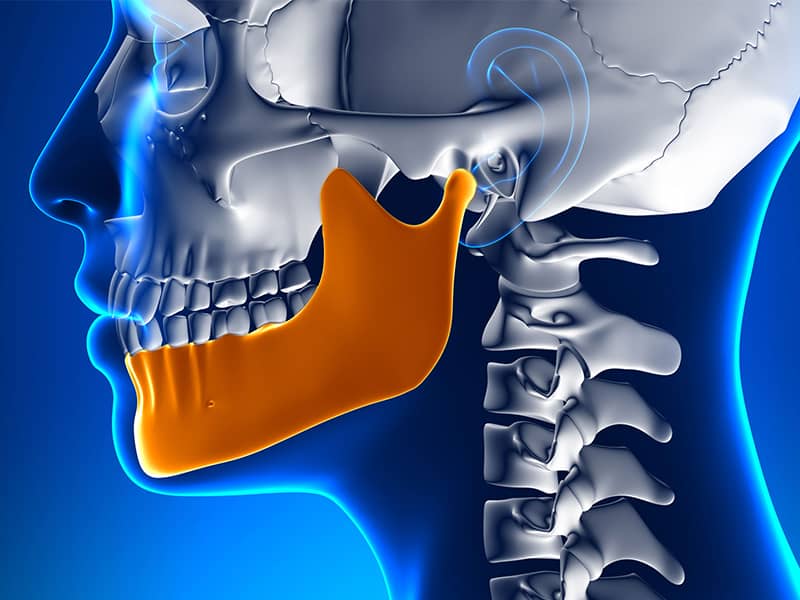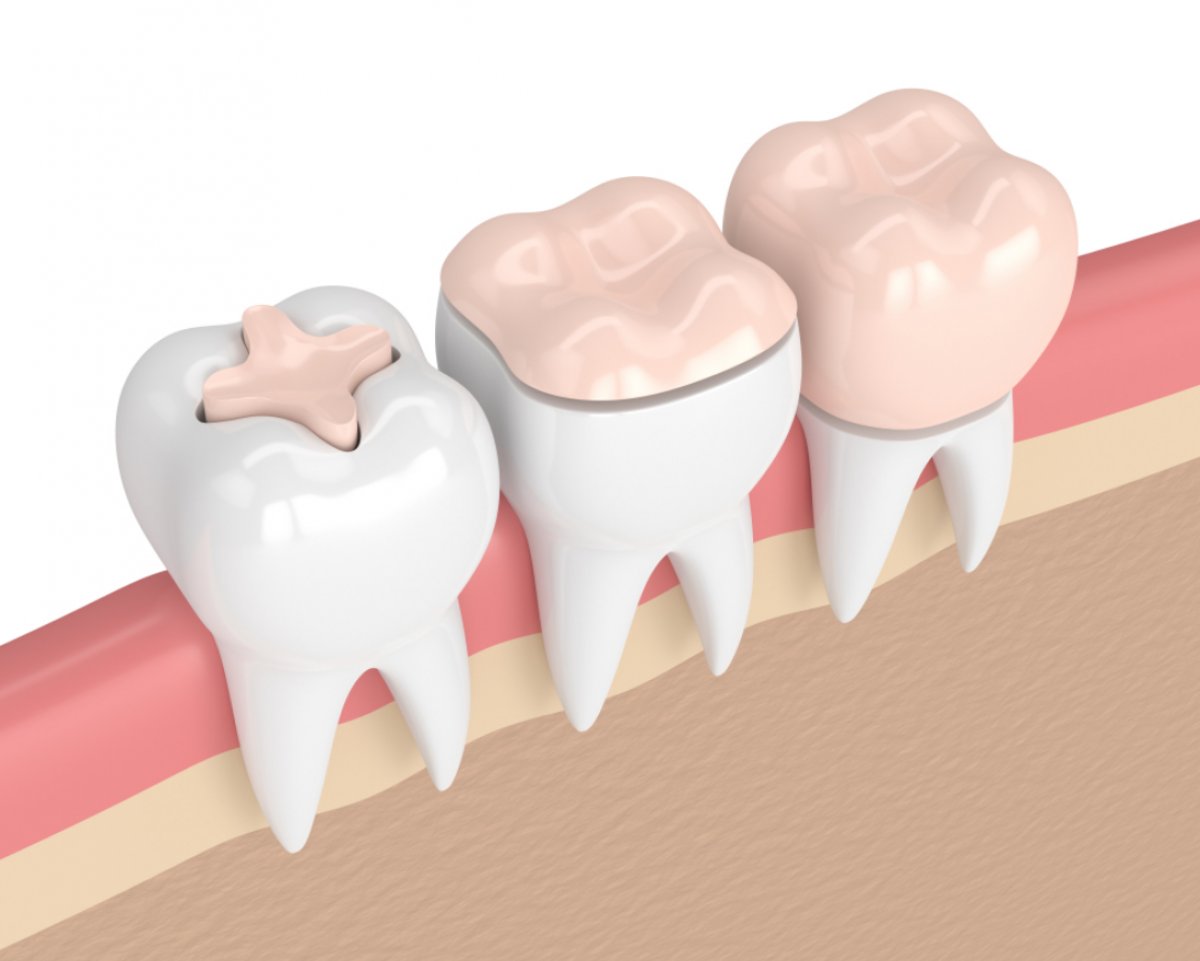

The number of dental implants can vary depending on an individual’s oral structure and needs. Theoretically, one implant can be placed for each missing tooth, with a maximum number of up to 32. However, it is not common to use that many implants in complete oral restorations. For example, methods like the All-on-4 technique can restore missing teeth by placing four implants on the upper and lower jaw. The number of implants is determined by factors such as the density of the individual’s bone, the condition of the gums, and overall oral health. Therefore, the number of implants to be applied can vary for each patient.
Is There a Theoretical Limit to the Number of Dental Implants a Person Can Have?
While the number of dental implants a person can have seems theoretically unlimited, there are practical physiological, biomechanical, and clinical limitations. Although it is possible to place an implant for every missing tooth, this approach is not always feasible and carries some disadvantages. In most cases, dentists prefer to use several implants for complete jaw prostheses.
Among the limiting factors are:
-
\t
- Bone volume and density
- The position of jaw nerves and sinuses
- Correct distribution of chewing forces
- The invasiveness of the procedure
\t
\t
\t
The All-on-4 treatment concept, one of the clinical approaches used today, allows for the provision of a complete jaw prosthesis using only four implants.
How Do Complete Arch Restoration Techniques Affect the Required Number of Implants?
Full arch restoration techniques involve methods for implant placement and factors determining the number of necessary implants in cases where all teeth are missing. Traditional techniques aim to stabilize the prosthesis by placing six to eight implants for each arch. This method increases the balance of chewing forces and enhances long-term durability. In contrast, the All-on-4 technique aims to achieve the same result with fewer implants. In this technique, a complete set of teeth is supported by four implants.
All-on-4 reduces the need for bone grafting by utilizing the anterior region with a denser bone structure and lowers the risk of damaging anatomical structures.
What Are the Risks and Considerations of Placing Multiple Dental Implants?
There are several important risks and factors to consider when placing multiple dental implants. This procedure, which requires surgical intervention, necessitates careful planning to ensure the implants are correctly positioned in the mouth and to guarantee long-term success. To avoid potential complications, it is essential to pay attention to important aspects at every stage of this process. Here are the risks that may be encountered in this process and the precautions that should be taken:
-
\t
- Risk of infection
- Risk of nerve damage
- Risk of excessive bleeding
- Stitch problems
- Failures in osseointegration
- Peri-implant inflammation (Peri-implantitis)
- Mechanical failures
\t
\t
\t
\t
\t
\t
Healing periods may vary depending on the structure of the bone and the technique used to place the implant. It is important for the implant to integrate with the bone during the healing process. Immediate loading and delayed loading, classified as early and late loading, respectively, show differences based on the initial stability of the implant and the bone density of the patient. The least risky method, delayed loading, may be preferred for the long-term success of the implant.
Multiple implants provide significant benefits in terms of preserving oral health and supporting the jawbone. However, regular and careful maintenance is required to protect the health of the tissues surrounding the implant. For this purpose, using special cleaning devices and regular dental check-ups can help protect the tissues around the implant. Poor maintenance can lead to issues such as peri-implant diseases.
How Does the Type of Dental Prosthesis Affect the Required Number of Implants?
The type of dental prosthesis plays a critical role in determining the number of implants needed. Each type of prosthesis is adapted to different tooth loss situations and requires varying numbers of implants. A single tooth implant offers an appropriate solution for individuals who have lost one tooth, while implant-supported bridges and prostheses may be preferred in cases of multiple tooth loss. Here are the numbers of implants according to dental prostheses:
-
\t
- Single Tooth Implant 1 implant
- Implant-Supported Bridges 2 implants with 3-4 teeth support
- Lower Jaw Implant-Supported Prosthesis 2 implants
- Upper Jaw Implant-Supported Prosthesis 4-6 implants
- All-on-4 Fixed Prosthesis 4 implants
\t
\t
\t
\t
One of the most important factors affecting the number of implants is the patient’s bone density and jaw anatomy. For example, while usually two implants are sufficient for the lower jaw, four to six implants may be necessary for the upper jaw due to varying bone densities. Similarly, the All-on-4 method, which is fixed with four implants for complete jaw restoration, offers both functionality and economic advantages.
What Do Scientific Studies Say About the Optimal Number of Implants for Different Tooth Restorations?
Dental implants can be applied in varying numbers depending on the type of tooth loss, jaw structure, and patient needs. According to scientific data, the most suitable number of implants has been determined for each tooth loss scenario. While generally one implant is sufficient for single tooth restoration, the number of implants for multiple tooth loss can vary according to the number of lost teeth and prosthesis design. In completely edentulous patients, methods like “All-on-4” and “All-on-6” are used to achieve the function of all teeth with a fewer number of implants.
For a single tooth loss: 1 implant
- For multiple tooth loss: 2-3 implants depending on the bridge design
- For complete edentulism: 4 implants in the All-on-4 technique
- For alternative stability: 6 implants in the All-on-6 technique
- For overdenture prostheses: 2 implants in the lower jaw, 4 implants in the upper jaw
Among the important factors affecting the number of implants are bone quality and quantity, masticatory forces, and the patient’s overall oral health. The need for additional implants or bone graft may arise in patients with low bone density. Additionally, higher masticatory forces necessitate the balanced placement of implants. Good planning plays a decisive role in the success of implant-supported prostheses.