How Can Coffee and Tea Consumption Affect Aesthetic Dental Procedures?
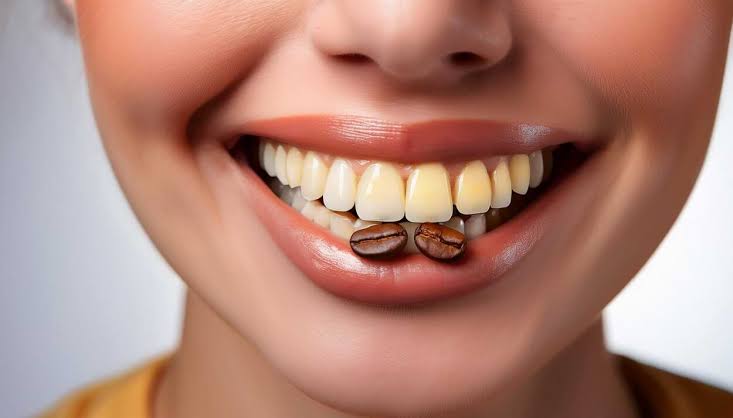
Daily dietary habits are among the significant factors determining the long-term clinical condition of medical restorations applied to the mouth and dental structures. Commonly consumed coffee, black tea, green tea, and herbal teas have the potential to affect dental enamel and prosthetic materials due to their chemical components. The intensive consumption of these beverages prepares the ground for different reactions on porcelain laminates, zirconium crowns, composite fillings, and whitening procedures, which are evaluated in the field of Aesthetic Dentistry. The lifespan and visual integrity of the applied restorations are closely related to patients’ dietary habits.
The temperatures of the consumed beverages, acidity (pH) levels, and pigment concentrations are factors that test the structural limits of the biomaterials in the mouth. When making clinical plans, doctors pay careful attention to selecting the most appropriate materials, considering such habits of the patients. As emphasized in the information provided to patients during the clinical processes at Avrupadent, establishing a balance between consumption habits and oral hygiene routines is an approach that supports restorative success.
How Do the Pigments in Black Tea and Filter Coffee Affect Tooth Surfaces?
At What Level Do Porcelain Laminate Veneers Show Resistance to Tea and Coffee Stains?
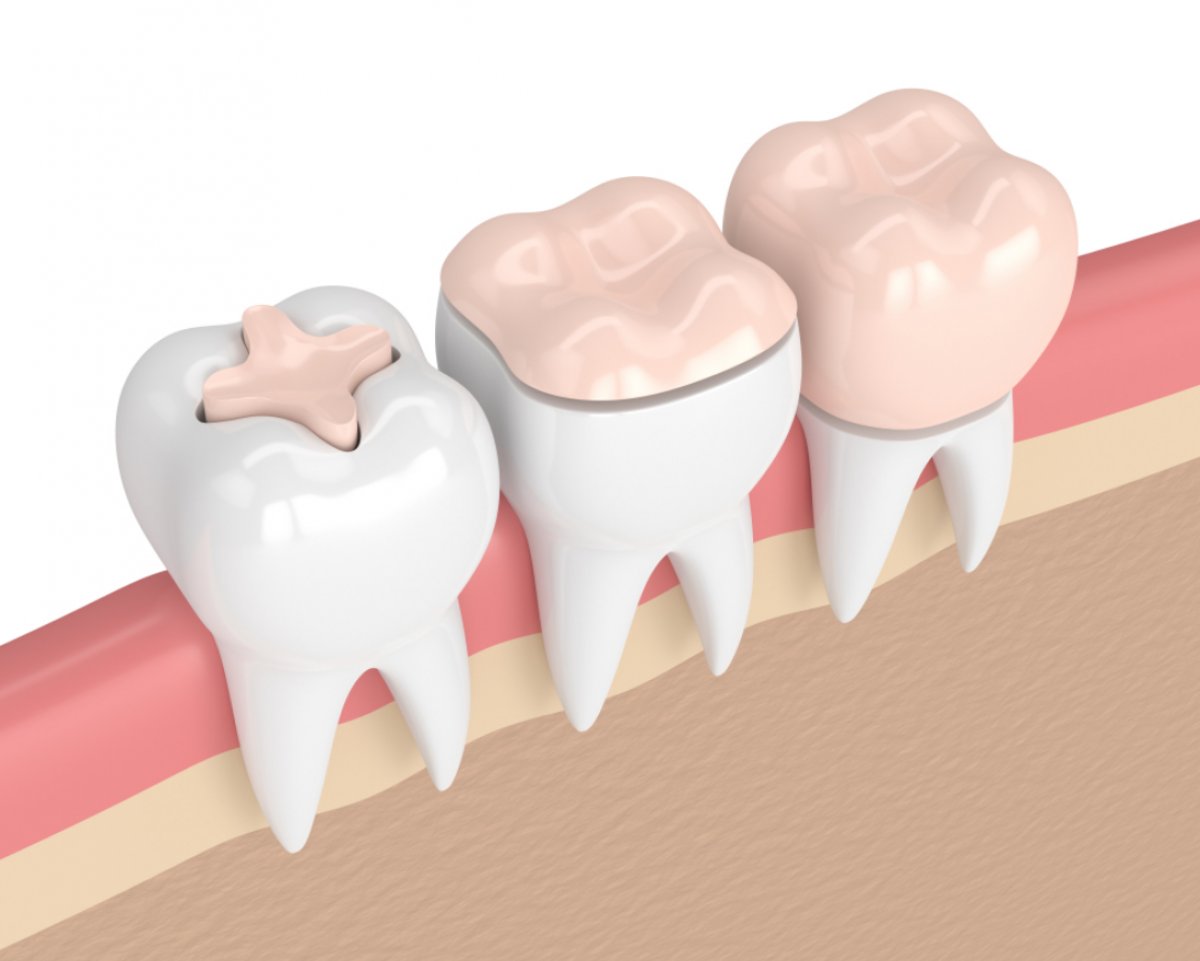
In restorative dentistry, porcelain laminates (leaf porcelains), which are often valued in anterior applications, belong to the category of materials resistant to staining due to their physical properties. The “glaze” process applied during the manufacturing phase transforms the surface of the material into a non-porous glass form. This non-porousness forces tannins and chromogens in coffee or tea to adhere mechanically to the porcelain surface. Therefore, no color change (yellowing) is observed within the structure of the porcelain itself.
However, the adhesive resin cements that support the retention of porcelain laminates to the tooth and are located in the edge (margin) areas are not as non-porous as porcelain. Frequent and regular consumption of coffee/tea, in cases where oral hygiene is inadequate, can lead to external staining within these fine bonding margins. Aesthetic Dentistry experts indicate that these types of marginal discolorations can be cleaned through polishing (finishing) methods applied in a clinical setting, preserving the visual integrity of the restoration.
| Area / Material | Coffee and Tea Interaction | Clinical Management |
|---|---|---|
| Porcelain Surface (Glazed) | No pigment absorption occurs, there is no internal yellowing. | Routine home brushing supports adequate cleaning. |
| Resin Cement (Margin Bonding) | May become susceptible to pigment retention over time. | Cleaned with special devices during periodic dental examinations. |
To What Extent Do Composite Bonding Applications Get Affected by Staining Drinks?
Composite bonding procedures aimed at achieving shape and color harmony without etching the tooth structure are made from flexible and moldable resin (plastic-based) materials. These materials, applied chairside by the dentist and hardened with light, can be made non-porous through polishing procedures, yet structurally, they have the characteristic of absorbing water and food liquids at a microscopic level.
Regular consumption of hot coffee and strong tea allows chromogenic pigments to seep into the micro-pores of the composite material’s surface. This seepage can prepare the ground for a more rapid color change compared to the natural tooth at the boundaries of the filling or all over the surface. To manage this effect, re-polishing the material surfaces of individuals with composite fillings during clinical checks with special disks and pastes helps to maintain optical brightness.
What Properties Do Zirconium Crowns Have Against Intense Caffeine and Tannin Consumption?
Zirconium is often considered for restorations in the anterior and posterior regions due to its biocompatibility and high mechanical strength. The outer layer of zirconium crowns, which encircles the tooth 360 degrees, is typically coated with porcelain powder and sintered to support aesthetic harmony. This structure exhibits a relatively stable status against the coloring effects of coffee and black tea compared to natural teeth.
However, the longevity of zirconium crowns is directly related to the health of the periodontal tissue surrounding the tooth. If deposits that can accumulate at the gum margins are not cleaned following the consumption of acidic beverages, inflammation may occur between the crown and the gum. In this context, maintaining the health of the surrounding tissues allows for the preservation of restorative balance even if the material itself does not stain.
Why Are the Acid Levels of Beverages Taken into Account in Aesthetic Smile Designs?
Coffee and certain herbal teas (such as hibiscus or lemon green teas) tend to shift the intraoral pH balance from neutral to acidic levels due to the natural acids they contain. An acidic environment leads to the dissolution of calcium and phosphate minerals in natural tooth enamel (demineralization), softening the enamel at the micro level. Softened enamel becomes more susceptible to erosion and more likely to trap coloring pigments.
From a prosthetic perspective, low pH levels have the potential to affect the polymer structure of composite fillings and the bonding mechanisms of adhesive cements. Acid attacks create micro-porosities on composite surfaces, setting the stage for the material to become dull. These biochemical interactions form the medical basis for doctors’ recommendations, such as rinsing the mouth with water after consuming acidic beverages.
How Long Should Coffee and Tea Consumption Be Restricted After Tooth Whitening Procedures?
In clinical (office-type) or home tooth whitening procedures, peroxide-based agents oxidize the stain molecules on the tooth enamel, breaking them apart. After this chemical reaction, the enamel surface remains ‘dehydrated’ (moisture-free) for several days, and dentin tubules display an open form susceptible to liquid penetration. This critical time frame is when teeth are most prone to absorb pigments from the outside like a sponge.
During this process, a dietary protocol called ‘white diet,’ based on colorless foods, is recommended. Consuming coffee or tea immediately after whitening can lead to a quick regression (relapse) of the obtained shade and can cause the teeth to exhibit a wavy appearance. It is advised to return to normal consumption habits in a more controlled manner after waiting for the minerals within the entirety to remineralize the tooth surface.
How Should Oral Care Routines Be Organized for Individuals Who Consume Colored Beverages?
For individuals who consume multiple cups of coffee or tea daily, making certain adjustments in personal hygiene habits can be beneficial for maintaining their restorations and natural teeth. Rinsing the mouth with a fluoride mouthwash or plain water immediately after drinking helps neutralize the acidic environment and reduces the adhesion time of pigments to teeth.
-
\t
- Tooth Brushing Timing: Brushing immediately after consuming acidic beverages like coffee can lead to the erosion of softened enamel; therefore, it is recommended to wait at least 30 minutes to balance the acid from the drink.
- Interdental Cleaning: To prevent the accumulation of tea stains on the edges of porcelain or fillings, daily use of dental floss and interdental brushes allows the cleaning of the gum line.
- Liquid Consumption: Drinking beverages with a straw (when possible) limits the liquid’s contact with the surfaces of the front teeth, helping to reduce the risk of staining on the front teeth.
\t
\t
How Are Guidelines Regarding Tea and Coffee Consumption Managed in Avrupadent Processes?
In the provision of health services, the patient’s lifestyle is considered an integral part of treatment planning. In Avrupadent clinics, when making prosthetic plans for individuals who consume large amounts of tea and coffee, guidance such as prioritizing glass-ceramic materials that are more resistant to color changes can also be considered.
After treatment, patients receive care recommendations explaining the limitations of the materials used. Additionally, during six-month or annual check-up appointments, microscopic coffee and tea deposits that begin to accumulate on tooth surfaces are cleaned through professional prophylaxis procedures performed by Esthetic Dentistry specialists, supporting the continuity of the aesthetic integrity of the restorations.
What Are Frequently Asked Questions?
1. Do tea and coffee cause permanent structural damage to teeth?
They do not directly create a permanent cavity, but the acids and pigments they contain can over time prepare the ground for microscopic abrasions and surface stains on the enamel layer.
2. Does consuming milk coffee cause less staining on teeth?
Milk can help reduce the potential for color pigments to adhere to the tooth by binding to the tannins in coffee; however, it does not entirely eliminate the risk of staining.
3. Do porcelain veneers get stained because of coffee?
Fired porcelain surfaces do not absorb liquids in their internal structures, so the accumulated stains on the surface can only be removed by brushing or clinical cleaning.
4. How long after teeth whitening (bleaching) can I drink coffee?
It is recommended to wait on average between 48 to 72 hours for the enamel pores to close and stabilize, according to doctors’ advice.
5. How can I remove tea stains from my composite fillings?
Surface stains can be lightened with brushing; deeper stains can be cleaned by a short polishing procedure that the dentist will perform in a clinical setting.
6. Does green tea leave fewer stains compared to black tea?
Although green tea appears lighter in color compared to black tea, it contains a significant amount of plant tannins that can cause dull grayish/yellowish stains on dental surfaces.
7. Is brushing with baking soda a solution for coffee stains?
Due to the coarse texture of baking soda, it is not medically recommended as it can scratch the enamel and the surface of composite fillings; scratched surfaces become more prone to staining.
8. Does the color of zirconium teeth change due to tea?
The color of the ceramic coating on zirconium is quite resistant to color change; internal color change is not expected.
9. Is it correct to brush my teeth immediately after drinking coffee?
No, brushing immediately can cause scratches since the acidic environment created by coffee softens the enamel at a micro level; it is advisable to wait about 30 minutes to balance the acid.
10. Does using a pipette limit staining on the front teeth?
Since it allows the liquid to be directed straight to the back of the tongue, it helps reduce the contact between the liquids and the front incisors, thereby decreasing the likelihood of staining.
11. Which toothpaste should be used to prevent tea stains?
Toothpaste with low Abrasive (RDA) values and containing fluoride contributes to protecting the enamel surface and reducing plaque buildup.
12. Can whitening toothpastes be used on restorations?
It is recommended that individuals with restorations use them carefully, as the micro-particles they contain could dull the polish of porcelain and composite surfaces.
13. Does consuming very hot tea damage porcelain?
Porcelains are manufactured in laboratories to withstand thermal changes; however, consuming icy foods immediately after very hot beverages may warrant consideration of micro-crack potential.
14. Are dark tea lines around the gum line removable?
Most of the time, these are not removable; they are chromogenic pigments that adhere to the cement at the junction area, and can be cleaned during a clinical examination by a physician.
15. How often is tooth surface cleaning performed according to European standards?
Depending on individual dietary habits and the quality of the teeth, clinical cleaning sessions are organized at six-month or annual intervals as part of oral and dental health standards.