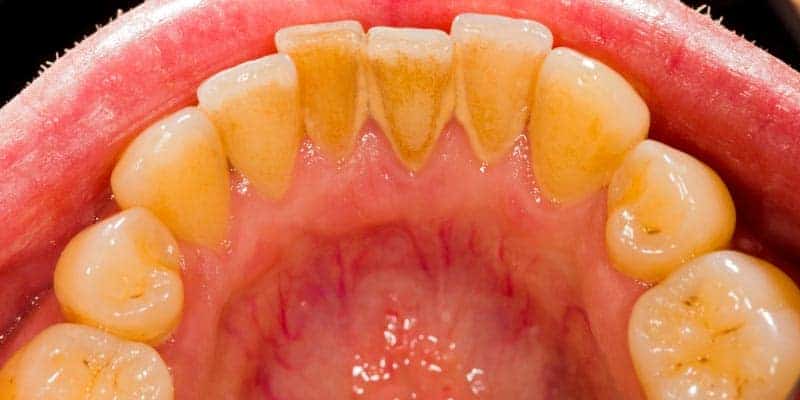
Teeth cleaning is a procedure that should be performed by dentists at regular intervals to protect oral health and prevent periodontal diseases. Although it is generally recommended for healthy individuals every six months, those with risk factors for oral health may require more frequent cleaning sessions. Especially for individuals with a history of periodontal diseases or weakened immune systems, teeth cleaning is recommended every three to four months. It is important to consult a dentist to determine an appropriate cleaning frequency based on individual health conditions and needs.
What Are General Recommendations for Teeth Cleaning?
Teeth cleaning is an important practice that should be done regularly to protect the health of teeth and gums. The American Dental Association (ADA) recommends that this cleaning is generally done twice a year. These routine cleanings not only prevent plaque buildup but also provide an opportunity for early detection, thereby preventing the progression of dental health issues.
Recommended situations for regular teeth cleaning:
- Protection of healthy teeth and gums
- Reduction of plaque and tartar buildup
- Decreased risk of gum diseases
- Prevention of early symptoms of decay
Dental cleaning is important not only for oral health but also for overall health. Advanced gum diseases like periodontitis are linked to serious health issues such as cardiovascular problems and diabetes. These cleanings allow for early diagnosis of serious conditions such as lesions or cancers that may develop in the mouth.
In some cases, regular cleanings every six months may not be sufficient. More frequent cleanings are recommended for individuals who smoke, have diabetes, or have a history of gum disease. Creating a personalized cleaning plan tailored to these individuals’ needs can minimize oral health problems in the long term.
What Factors Can Influence the Frequency of Dental Cleanings?
The frequency of dental cleanings varies according to several factors such as a person’s age, diet, habits, and individual health status.
Age
As individuals age, the risk of gum recession and tooth loss increases, and there may be a decrease in tooth production. Older adults are particularly prone to issues such as tooth loss and gum diseases, and therefore, they require regular cleanings.
Dietary Habits
High-sugar and acidic foods increase the risk of tooth loss. For those who frequently consume sugary drinks or snacks, more frequent cleaning is recommended. Foods rich in calcium, water, and fiber contribute to the maintenance of healthier teeth.
Lifestyle Choices
Smoking increases the risk of gum disease, while alcohol consumption can lead to dry mouth, negatively affecting dental health. Those with such habits should visit their dentist more regularly to reduce risks.
Personal Oral Health History
Individuals with a history of gum disease or frequent tooth loss need regular cleanings to manage future risks. These individuals typically require cleaning every three to four months.
Medical Conditions
Diabetes and certain health issues like autoimmune diseases or heart disorders can directly affect oral health. Particularly, individuals with diabetes tend to have gum problems, and to manage these risks, they should have more frequent dental cleanings.
Oral Hygiene Practices
Individuals who do not pay attention to daily oral care tend to have more plaque buildup. It is recommended that these individuals increase the frequency of their dental cleanings.
To determine the frequency of dental cleaning, the suggestions of a dentist should be taken into consideration. Since every individual’s oral structure and health are different, it is essential to create a personalized plan for cleaning frequency. This way, long-term maintenance of oral health can be ensured, and potential problems can be prevented.
Are There Benefits to More Frequent Dental Cleanings for High-Risk Individuals?
Dental cleanings performed every three months play an important role in protecting the oral health of individuals in high-risk groups. This frequency of cleaning helps reduce bacterial buildup and inflammation for those more prone to oral health issues, prevents the progression of gum diseases, and minimizes the negative effects on overall health.
Particularly, dental cleanings every three months are beneficial in the following situations:
-
\t
- Those with a history of gum disease
- Individuals with diabetes
- Individuals with a weakened immune system
- Those undergoing cancer treatment
- Those struggling with autoimmune disorders
\t
\t
\t
\t
For individuals with diabetes, regular dental cleaning improves blood sugar control and reduces the risk of infection. Infections like gum inflammation can negatively affect blood sugar levels in diabetic individuals, complicating the management of the disease. Regular cleanings break this cycle, allowing for better management of diabetes.
The cleanliness of the oral cavity is of great importance for individuals with compromised immunity; preventing easily developing oral infections due to weakened immunity is a significant factor in maintaining overall health. This way, both the healing processes are expedited, and the body experiences less strain.
Moreover, the professional dental examinations conducted during each cleaning session ensure early detection of problems. Thus, complications such as gum recession, bone loss, and inflammation can be managed early, reducing the need for more extensive treatment for individuals in high-risk groups.
What Are the Signs That You May Need Dental Cleaning?
Some signs that indicate a need for dental cleaning may be indicative of various issues related to oral health. Situations that may require dental cleaning include:
-
\t
- Persistent bad breath
- Bleeding gums while brushing or using dental floss
- Redness and swelling in the gums
- Tartar accumulation along the gum line
- A gritty feeling on the tooth surface
- Discoloration or stains on teeth
- Sensitivity to hot or cold foods
- Visible dark spots or cavities
- More than six months since the last cleaning
\t
\t
\t
\t
\t
\t
\t
\t
In addition to these symptoms, sensitivity in the teeth may indicate that plaque accumulation could lead to dental decay. Additionally, the swelling and color change in the gums may be signs of inflammation, which, if untreated, can progress to gum diseases. Regular dental cleaning not only alleviates these symptoms but also helps protect oral health and reduce the risk of decay.
How Does Regular Dental Cleaning Affect Your Overall Health?
Regular dental cleaning plays an important role in preventing many systemic diseases beyond just maintaining oral health, creating positive effects on overall health. By preventing infections that can cause gum diseases, it reduces the risk of serious health problems such as heart diseases, diabetes, and respiratory infections. Therefore, dental health is important not only for maintaining oral hygiene but also for supporting overall health.
- Heart health problems
- Diabetes management issues
- Infection risks
- Risk of endocarditis
- Adverse outcomes in pregnancy
Dental cleaning contributes to the prevention of systemic diseases, enhancing the quality of life for individuals. It especially minimizes the risk of infections in individuals with weakened immune systems and helps maintain the balance of the oral microbiome.
How Often Should Dental Calculus Cleaning Be Done?
Dental calculus cleaning (professional tartar and plaque removal) is generally recommended to be done every 6 months as a preventive oral health practice. However, this period may vary depending on an individual’s oral hygiene habits, gum health, and systemic disease conditions.
Benefits of Regular Cleaning
- Prevention of gum inflammation and receding gums
- Reduction of bad breath
- Lowering the risk of tooth loss
- Preservation of aesthetic appearance
Remember: Dental calculus cleaning is a complement to at-home care and must be performed by a dentist.