What Should Nutrition Be Like After Implant? Recovery Period Diet Guide
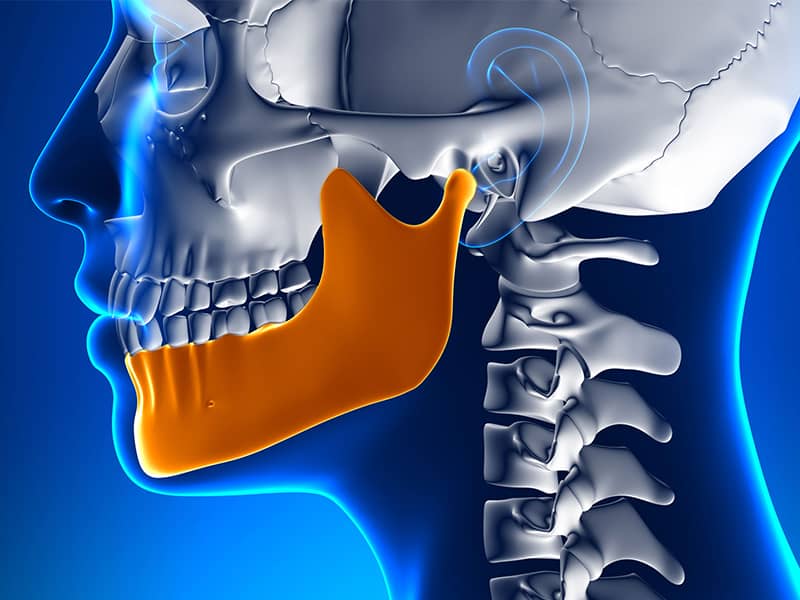
In the practice of oral and maxillofacial surgery, it is clinically necessary to reorganize daily habits with a medical discipline to support the body’s cellular repair capacity following procedures. During the process where titanium materials placed in the jawbone establish a biological integrity with tissues, it is essential to protect the wound area and support the bone healing reactions with nutritional values. In this sensitive period, where the chewing function is temporarily revised, the physical form, thermal properties, and nutritional values of the foods consumed by patients play a significant role in the normal progress of the recovery timeline.
The tissue sensitivity experienced after surgical intervention is a natural response indicating that the body is trying to repair the epithelial (gum) structure in the area. Dietary programs implemented to ensure that this response is not interrupted serve multiple medical functions, not only satisfying hunger but also preventing mechanical stress on the wound lips, preserving the clotting mechanism, and delivering the minerals needed by new bone cells to the area via the bloodstream. This guide details all dietary stages, starting from the liquid nutrition phase that begins at the moment of getting up from the operating chair, to the soft puree period, and ultimately to the transition to solid foods, along with their anatomical and biological justifications.
What Foods Should Be Consumed on the Day of the Operation?
In the first hours after the surgical procedure, the effects of local anesthesia will continue in the tissues, so it is expected that numbness will completely pass before any food intake begins. Eating while experiencing numbness can lead to accidental biting of the tongue or cheek and can cause secondary trauma in those areas. The first foods to be taken after the anesthesia wears off should be such that they do not displace the blood clot that has formed in the wound and would initiate healing. Therefore, having the foods in liquid form eliminates the act of chewing, allowing the jaw muscles to relax.
The thermal structure of foods (their temperature) is one of the most critical parameters on the day of the operation. Hot beverages and hot soups can cause the capillaries in the tissues to dilate (vasodilation), increasing the possibility of bleeding in the form of oozing and triggering the formation of edema (swelling) in the area. Bringing all foods to room temperature or serving them at cool consistencies taken from the refrigerator relaxes the tissue with the constricting (vasoconstrictor) effect on the vessels. Milk, kefir, buttermilk, soups without solid pieces of vegetables, and pulp-free fruit juices meet the energy needs of the patient during the first 24 hours while isolating the surgical area from mechanical stress.
What Are the Basic Food Groups That Should Be Consumed During the Healing Process?
The completion of epithelialization (healing) of a surgical incision site and the wrapping of titanium surfaces by osteoblast cells in the jawbone is a biological process where the body expends a significant amount of energy and building material. Collagen synthesis and cell renewal are necessary for the repair of tissues during this process. Proteins are among the primary building blocks of these structures. Soft, easily prepared foods such as scrambled eggs, well-cooked and boneless fish, lentils, and strained yogurt provide a high level of protein without requiring much chewing force.
Calcium and vitamin D are essential components of bone mineralization (hardening). The ability of the jawbone to produce new cells and wrap titanium material like an organic piece (osseointegration) is directly related to calcium levels in the blood. Including calcium-rich foods such as yogurt, cheese, and kefir in the diet routine supports the bone repair mechanism. Vitamin C is essential for the firming of gum tissue and for the resilience of the connective tissue system against bacterial activities. The need for vitamin C can be easily balanced with freshly squeezed and low-acidity fruit juices or cooked vegetables like broccoli and potatoes.
What Foods and Drinks Should Be Avoided After Surgical Procedure?
The oral flora is quite sensitive after surgery. Foods with high mechanical resistance, such as hazelnuts, walnuts, chickpeas, chips, crusty bread, or tough meat pieces, can break into hard and sharp fragments while chewing. When these hard particles come into contact with the tissue at the margins of the stitches, they can disrupt tissue integrity, loosen the suture threads, or slip into the wound, creating a basis for inflammation in that area. Therefore, the physical form of foods is the focus of diets during the healing period.
Sticky foods such as gum, caramel, Turkish delight, or pasty sweets create areas that are quite difficult to clean as they adhere to the teeth and tissues around the wound area. Since mechanical force cannot be applied to the surgical area, these types of sticky foods accelerate bacterial plaque formation in the region. Additionally, beverages with high acidity like tomato juice, orange juice, or lemonade, along with sharp spices like red pepper and black pepper, can create a chemical irritation (burning) sensation on the newly formed thin epithelial tissue, reducing the patient’s comfort and slowing down the cellular healing rate.
When Does Chewing Function Return to Normal?
The fusion of the epithelial layer in the oral tissues usually takes between 7 to 14 days. During this time, patients remain on a “pure diet” and a soft food routine. Once the stitches are removed or they are taken by the doctor in a clinical setting, the risk of food getting into the wound is eliminated because the gum tissue physically closes the surface. After the second week, patients can start eating semi-solid foods like mashed vegetables, soft meat dishes, and pasta, which helps them to reacquaint their chewing muscles with the usual pace.
The medical limitation here is where the chewing force is applied. The titanium material positioned within the jaw bone in the operated area has not yet established a complete bond with the bone cells (been fully calcified). If the patient attempts to break a hard apple or nuts with that area just after returning to a normal diet, the resulting micro-mobility may disrupt the healing process, triggering the formation of a soft tissue bond around the material. Therefore, even if the patient resumes normal eating habits, hard tearing and chewing should only be done on the sides where other healthy teeth remain until the doctor gives radiological approval and places the permanent prostheses.
How Should Liquid Intake Be Organized in the Nutrition Routine?
For metabolic processes to function perfectly, the body needs an adequate amount of water. It is medically recommended to consume plenty of fluids to help the body eliminate swelling and maintain the volume of blood carried to the cells after a surgical trauma. Patients should frequently consume fluids such as water, cold herbal teas, ayran, and pulp-free fruit juices on the day of the operation and the following days to support cellular hydration. However, the way fluids are consumed is crucial for wound stabilization.
Drinking a beverage using a straw creates negative pressure (vacuum force) inside along with the contraction of the mouth muscles. This vacuum effect is a physical force that can dislodge the newly embedded blood clot from its place within the bone. Forcing the clot to move can lead to both the wound remaining open and the resumption of leakage. Therefore, all fluids should be consumed directly from a glass, in slow sips, and without vigorous swirling movements in the mouth.
| Fluid Consumption Rules | Medical Considerations |
|---|---|
| Avoid Using a Straw | Prevent the vacuum created in the mouth from tearing the clot layer in the wound area. |
| Avoid Vigorous Swirling of Fluids | Prevent the mechanical turmoil of fluids from putting tension on the stitches. |
| Keep Fluids at Room Temperature | Limit the sudden reactions (dilation/constriction) that extreme hot or cold fluids can cause in the veins. |
| Drink Plenty of Water | Facilitate the elimination of swelling by supporting the hydration and circulation needed for cellular repair. |
How is the Vitamin Requirement Met During the Titanium Implant Integration Process?
Implantology procedures involve a biological cycle where bone-forming cells encase the titanium surface, creating a calcified foundation that takes weeks. To ensure this cycle is uninterrupted, calcium, phosphorus, vitamin D, and vitamin C are critically important. During this period when solid vegetables and fruits are difficult to consume, achieving nutrition through mechanical processing of foods is an ideal approach. Vegetables like spinach, carrots, and broccoli can be thoroughly blended to be made into soups, thus retaining their vitamin values without loss.
Naturally soft fruits like bananas, peaches, and avocados provide energy and minerals without irritating the gum tissues. Especially for individuals who experience vitamin D deficiency or have weakened bone metabolism during the winter months, the amounts obtained through natural foods may be inadequate. In such clinical cases, calcium and vitamin D supplements should be added to the diet, with the consultation approval of the relevant medical doctors who monitor the patient’s overall health profile, thereby supporting cellular bone formation reactions.
What Are Examples of a Soft Diet (Puree) Phase?
In the first weekly period when the stitches are still present in the tissue, having a strict or monotonous diet can lead to a loss of appetite in patients, thereby causing low energy levels. Preparing a soft diet program while maintaining variety supports physiological repair and boosts the patient’s morale. It is possible to create high-nutrition meals by ensuring that the prepared foods are not excessively hot.
Breakfast is the meal where protein intake should be highest when starting the day. Instead of hard crusty breads or crispy snacks, softened oatmeal in milk, scrambled eggs, cheese, and peeled soft tomatoes can be consumed. In main meals, easy-to-chew animal proteins like mussels, fish, or finely ground meat can be served mixed with mashed potatoes or celery puree. Thin noodle, lentil, or strained vegetable soups increase fluid intake and offer a filling alternative. For snacks, soft dairy desserts like kefir, banana puree, or pudding maintain energy balance.
What Changes in Nutritional Habits Should Be Considered When Using Temporary Prostheses?
Especially in cases of anterior tooth loss or multiple placements, temporary acrylic prostheses are installed to prevent patients from experiencing aesthetic concerns while bone fusion is awaited. Although these prostheses visually fill the gap, they are not designed to withstand chewing stress like permanent porcelain does. The physician ensures that these temporary prostheses do not come into intensive contact with opposing teeth (to prevent occlusal interference) during placement to prevent force on the underlying titanium root.
The most important habit that patients should adopt during this waiting period spread over these months is to refrain from tearing food with their front teeth. For example, biting an apple or a sandwich directly can apply a horizontal force to the temporary prosthesis, causing it to dislodge or the underlying medical screw to loosen. Therefore, foods should be cut into small bites with a knife and taken into the mouth using a fork, and the chewing process should be carried out slowly with the teeth that did not undergo surgery.
How Does Dairy and Dairy Products Consumption Affect Wound Healing?
Foods like milk, yogurt, buttermilk, kefir, and strained cheese are ideal dietary components that provide the body with a high amount of minerals without the need for chewing. Especially probiotic-rich dairy products like kefir facilitate the absorption of vitamins K2 and D, which play an active role in bone metabolism, while regulating the digestive system. Including these foods frequently in the post-operative liquid and pureed-heavy diet also helps the patient maintain a sense of fullness.
However, the biochemical effects of milk and dairy products in the mouth should not be overlooked. Milk sugar (lactose) and excess proteins can be rapidly fermented by bacteria in the oral flora when they remain in the wound area or between the teeth, creating an acidic environment. This acidic environment can increase plaque accumulation and the risk of inflammation in the wound area. During the initial days when swallowing is limited, after consuming dairy products, lightly rinsing the mouth without vigorously gargling with drinking water or using the mouthwash recommended by the doctor is a practical method to maintain medical hygiene standards.
How Are Nutritional Recommendations Shaped in Europadent Clinical Standards?
Informing the patient during medical treatment processes is a stage of clinical communication that directly affects the biological success of the operation. In Europadent process management, every individual leaving the surgical operation chair is guided not only by a medication prescription but also by specific nutritional rules regarding how to spend the first week. If a large area of bone powder (graft) has been added to the patient’s jaw, a more rigid and long-term soft diet program is followed, anticipating that even the slightest pressure in that area could disrupt cellular regeneration.
If the patient has a diabetic history or requires special monitoring of the circulatory system, it is advised to focus on vegetable-heavy menus containing proteins and healthy fats instead of refined carbohydrate purees that quickly raise blood sugar. These standard procedures serve as a corporate health guide that ensures the progression of every step the hospital takes in daily practice outside the clinical context, respecting the integrity of the tissue.
Why is the Consumption of Spicy and Acidic Foods Restricted After Surgery?
When a surgical flap is opened in the soft tissue of the gums, the protective enamel in that area temporarily disappears, exposing the inner layers of the tissue to substances in the oral flora. When acidic liquids with low pH values like lemonade, orange juice, grapefruit, vinegar, or carbonated beverages come into contact with this open wound, it creates a chemical burn effect in the tissue. This burning stimulates the nerve endings, leading to severe discomfort and disrupting the patient’s overall comfort.
A similar chemical reaction occurs when spicy seasonings such as hot chili pepper, black pepper, isot, or strong garlic are consumed. Spice particles may seep into the stitches by mixing with saliva, creating micro-irritations in the area. This self-defense of the tissue against such chemical attacks divides the energy for epithelialization (wound closure), medically delaying the healing timeline. Therefore, until the tissue is fully closed (approximately 10-14 days), cooking foods with minimal seasoning and at a neutral pH level is a medical discipline.
How Should the Diet Be After Fixed Porcelains Are Installed?
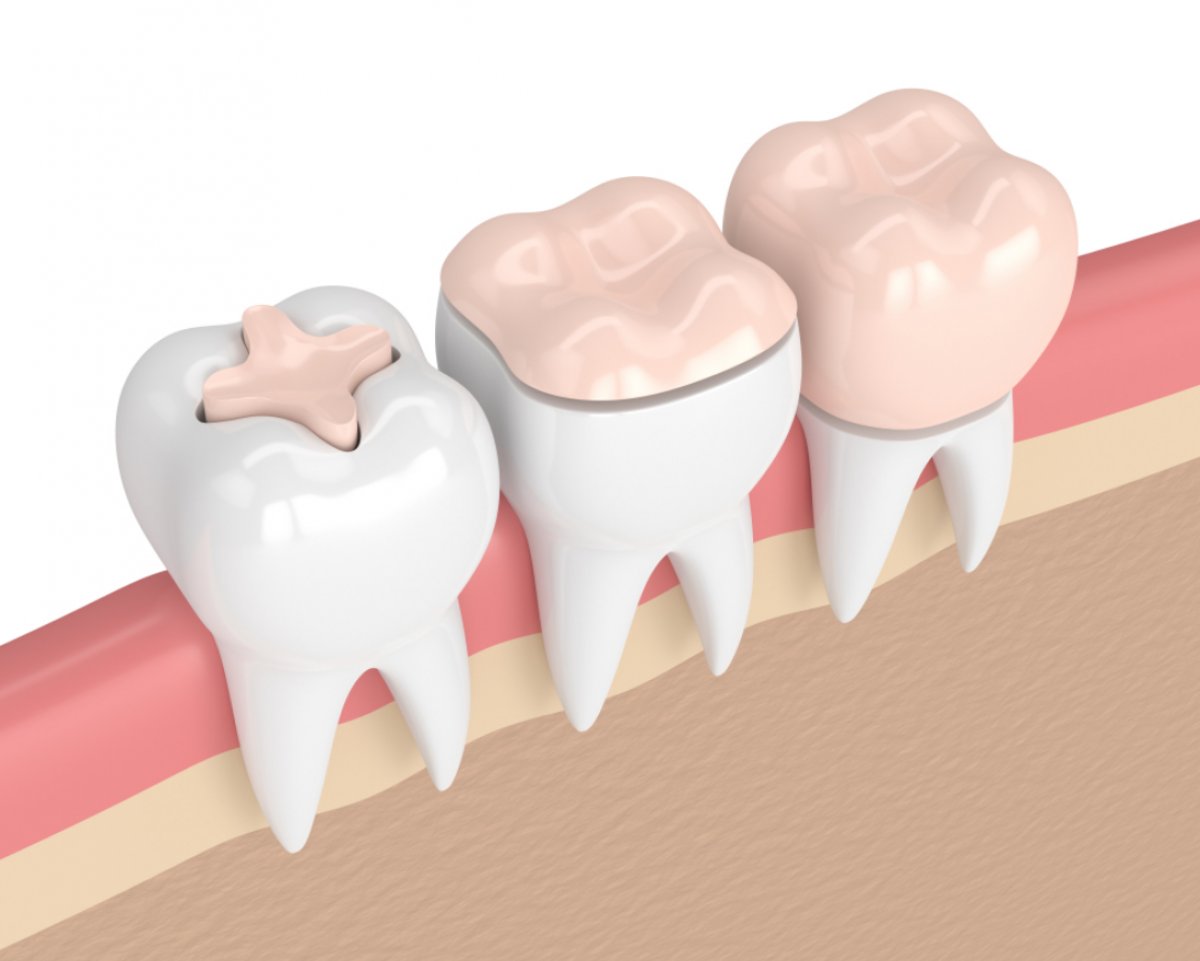
After a meticulous waiting period lasting for months, when the biological integration (osseointegration) of the titanium material with the jawbone is successfully completed, the prosthetic phase of the implantology process is initiated. Custom-designed zirconium or metal-supported porcelain crowns, adjusted to the chewing mechanics in a laboratory setting, are fixed in place. With the delivery of this medical restoration, the dietary restrictions that have lasted for months come to an end. The system transmitting force to the jawbone has now achieved a resilient structure as durable as your own natural tooth root.
The patient can start consuming foods that require strong chewing functions, such as meat, fresh vegetables, and nuts, thereby improving the performance of their digestive system. However, it is necessary to make a medical reminder here: Just as breaking hazelnuts or walnuts with our natural teeth or opening bottle caps with them can cause cracks in the enamel or trauma to the roots, such extreme behaviors should also be avoided with artificial teeth. No food encountered in a normal diet will harm these systems; the point to be preserved is the mechanical abuse caused by food that has hard shells or foreign objects.
Frequently Asked Questions (FAQ)
1. How many hours after the procedure can I drink something? It is advisable not to consume any liquids until the effect of the local anesthetic (numbness) has completely worn off (usually 2-3 hours) to avoid the risk of biting the cheek or tongue. After that, slowly sipping warm liquids is medically recommended. 2. Why is it prohibited to drink liquids through a straw? Using a straw creates a vacuum (negative pressure) inside the mouth when drinking liquids. This force can dislodge the sensitive clot that has formed to stop bleeding over the wound, potentially causing leakage to resume. 3. Can I drink tea and coffee? Tea and coffee can be consumed in the early days; however, since their warmth can expand blood vessels and increase the risk of bleeding and swelling ( edema), it is medically required to consume them at room temperature (in warm or cold form). 4. Does eating ice cream alleviate swelling? Applying a cold compress is a medical practice for the first 48 hours, so eating soft and smooth ice creams both reduces the warmth inside the mouth and provides a soft alternative that gives energy to the patient. 5. How does alcohol consumption affect recovery? Alcohol has a chemical structure that disrupts the dynamics of blood clotting and can lead to dehydration in tissues. Additionally, it may interact with prescribed antibiotics, so its consumption should be restricted during recovery days. 6. Which vitamin supplements should I take? Vitamin D supports the calcification (ossification) reactions, while Vitamin C ensures tissue mineralization. These should be obtained naturally. If there is a deficiency, prescribed supplements should be used, as they provide biological support throughout the process. When can I transition to solid foods? When soft tissue closure is achieved and the stitches are removed (on average 10-14 days), a gradual transition to semi-solid foods begins. However, hard chewing processes should be done with the other side that has not undergone surgery until ossification is complete and the dental implant is placed. Do dairy products cause infection in the wound area? Dairy products themselves do not cause infection, but leftover protein in the mouth creates an acidic environment for bacteria. Rinsing the mouth lightly with drinking water after consuming dairy products is a practical measure to minimize this risk. What should I pay attention to while drinking soup? Soups should not be served too hot; they should be at room temperature or slightly warm, and during the initial days, there should be no chunky or solid ingredients (such as noodles or large vegetable pieces) that could get caught in the wound. What else can I eat besides puree? Well-mashed and pureed vegetables, very soft cooked fish, scrambled or soft-boiled eggs, oatmeal, pudding, and strained cheese are easy-to-eat foods that put minimal strain on the chewing muscles and can be comfortably preferred. Should I brush the stitched area after meals? The surgical area should be protected from mechanical impacts until the stitches are removed, and it should not be brushed. Cleaning is maintained by gently rinsing the area passively with the rinses recommended by the physician (without vigorous swirling). 12. Is there any harm in consuming carbonated drinks? Acidic and carbonated (fizzy) beverages create chemical irritation (burning and discomfort) on the newly formed sensitive epithelial (gum) tissue; therefore, the consumption of such drinks is limited until the tissue heals completely as it drains the cellular repair energy. 13. I had a bone graft surgery, should my diet be more solid? In cases with bone grafts, it is crucial to avoid mechanical pressures as this forms the basis for cellular healing; thus, the avoidance period should be followed more strictly compared to standard procedures and a soft diet should be extended. 14. What should I do if my prosthesis comes out while eating? Removable temporary prostheses used during the waiting months can become dislodged when sticky foods (chewing gum, caramel, etc.) are consumed. In such cases, the prosthesis should be cleaned gently and a clinical appointment with the physician should be requested for readjustment. 15. Will there be any restrictions once treatment is completed and permanent teeth are placed? When permanent porcelain or zirconium crowns are secured onto the bone-integrated material, all dietary restrictions are lifted. Any food can be comfortably added to your diet, as long as it is chewed naturally with the natural teeth. |