How Should Oral Care Be Done After Aesthetic Dental Treatment?
After completing prosthetic and restorative procedures such as porcelain laminate, zirconium crowns, E-Max crowns, or composite bonding within oral and jaw health, the most critical phase determining the lifespan and tissue compatibility of these applications is daily home care habits. The meticulous care provided in a clinical environment and the micromechanical compatibility achieved in the laboratory can lead to tissue loss or margin leakage if not supported by the hygiene sensitivity exhibited by the patient at home. Current Aesthetic Dentistry disciplines emphasize that the care habits acquired by patients upon leaving the clinic extend the lifespan of restorations.
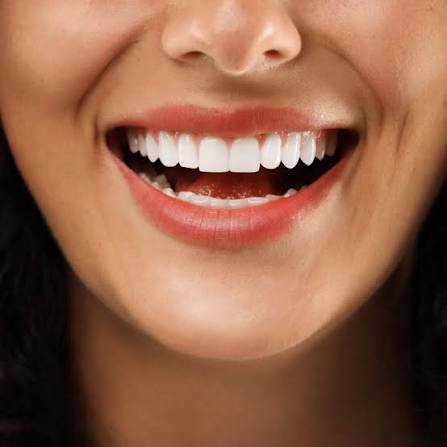
Even if the teeth applied over prosthetic restorations do not decay, the junction areas where these structures connect with the gums are still areas prone to bacterial plaque accumulation and gum inflammation. In the European clinic protocols, it is frequently addressed that maintaining gum health (pink aesthetics) is a fundamental rule for preserving the natural appearance of porcelains (white aesthetics) for many years.
How Should Nutrition and Chewing Habits Be Organized in the First Days After Aesthetic Dental Treatment?
The resin-based cements used in prosthetic restorations undergo their final chemical hardening stages due to the effects of ambient temperature and humidity within the first 24 to 48 hours after placement. During this sensitive period, consuming extremely hot or cold foods can cause expansion stresses at the adhesive interface. Additionally, sticky foods such as gum, caramel, or Turkish delight should be avoided since they may distort newly constructed composite bonding materials or temporary structures.
Separating hard foods directly with anterior teeth (for example, apples, quinces, or crusts of hard bread) can create a lever effect on the cutting edges of porcelain laminates, leading to chipping. Therefore, in the initial days, cutting hard foods into small portions and chewing them with back teeth is a fundamental rule to maintain the mechanical safety of restorations.
How Should Correct Tooth Brushing Techniques Be Applied to Protect Prosthetic Restorations?
The brushing technique, which forms the basis of oral hygiene, requires even more attention in the presence of prosthetic restorations. The use of stiff-bristled brushes with aggressive horizontal movements can lead to micro-scratches on porcelain surfaces over time or cause gum recession. This situation damages both the gloss of the restorations (the glaze layer) and leads to the receding of the gum margins.
During brushing, the brush bristles should be positioned at a 45-degree angle to the junction of the gum and the tooth, and cleaning should be carried out with gentle circular or sweeping movements from the gum to the tooth tip. Aesthetic Dentistry specialists emphasize that patients performing this mechanical cleaning with the correct technique protect both natural teeth and porcelain structures.
| Hygiene Parameter | Recommended Approach | Situations to Avoid |
|---|---|---|
| Brush Bristle Firmness | Soft or medium bristled brushes. | Use of stiff bristled brushes. |
| Brushing Motion | Gentle sweeping motions from the gum to the tooth. | Hard and aggressive horizontal brushing pressure. |
| Cleaning Frequency | At least twice a day, 2 minutes each time. | Inconsistent brushing only once a day. |
How Should Dental Floss and Interdental Brushes Be Used to Protect Gum Margins?
Standard toothbrushes can only clean the front, back, and chewing surfaces of the teeth; it is anatomically impossible for the bristles to reach the narrow spaces between the teeth. Food debris that accumulates in these interdental areas, especially in teeth that have porcelain laminates or zirconium crowns, can lead to gum inflammation (gingivitis) and tissue irritation if not cleaned, resulting in the deterioration of pink aesthetics.
While using dental floss, the floss should not be pressed hard against the gums; it should be gently placed in the interdental area, wrapping around the side surface of the tooth in a “C” shape and pulled upwards. In areas with wider spaces, interdental brushes of the size recommended by the dentist should be preferred. In Avrupadent clinics, the proper use of these interdental cleaning tools is demonstrated to patients.
Which Toothpastes and Mouthwash Should Be Preferred?
Some toothpaste sold in the market contains a high level of silica or similar abrasive materials to lighten the natural color of the teeth. These types of toothpaste can dull the composite bonding surfaces and porcelain finishes over time, leading to scratches. Therefore, it is recommended to choose toothpaste with low abrasiveness (RDA value), fluoride content, and sensitivity-relief properties.
When selecting oral care rinses, non-alcoholic products should be used instead of alcohol-based heavy solutions, which do not dry the gum tissue and support enamel resistance with fluoride supplementation. The proper choice of product is an important detail that preserves the overall integrity of restorations and the balance of the oral flora.
How Should Protectors for Nighttime Teeth Grinding (Bruxism) Be Used?
Bruxism is a common condition that causes the jaw muscles to exert stress far beyond normal chewing forces during sleep. This uncontrollable pressure can lead to chipping on the thin cutting edges of porcelain laminates or excessive wear on the natural structures underneath zirconium crowns. Protecting against such parafunctional habits is essential for the longevity of treatment.
Night guards prepared with individual measurements are designed to fit precisely on the lower or upper jaw, preventing teeth from directly impacting ceramic surfaces. Cleaning the guards with water every morning and storing them in a special case ensures hygiene and supports the mechanical lifespan of restorations.
What Should Be Considered After Consuming Colored Foods and Beverages?
Porcelain veneers and laboratory-made glass ceramic restorations, like zirconium, do not absorb food stains due to their smooth surfaces; however, resin cements or composite bonding materials found within their bonding limits may be sensitive to external pigments. Therefore, the consumption of dark-colored beverages should be kept under control.
Since tobacco products can form yellow/brown layers on both natural teeth and porcelain edges, it is recommended to limit these habits to protect the durability of aesthetic treatments. Rinsing done after consumption is a practical treatment that helps prevent surface staining.
What Rules Should Be Followed to Prevent Gum Recession and Margin Leaks?
The most critical factor determining the lifespan of prosthetic restorations is the preservation of the margin fit between the tooth and the restoration. When recession occurs due to incorrect brushing or inflammation in the gums, the end margin of the porcelain can become exposed. This situation can create a boundary line aesthetically and facilitate plaque accumulation in that area.
Maintaining gum health is directly related to proper brushing techniques and regular oral hygiene. These preventive measures communicated to patients during their appointments are the fundamental structures that ensure the pink aesthetics remain stable for years.
When Do Temporary Sensitivities Observable After Restoration Return to Normal?
During the preparation phase, the thinning of the enamel layer or the stimulation of the dentin tubules may cause a short-term irritation of the nerve bundle. This situation is part of a physiological adaptation process and remains at a mild level that does not require pain relief.
However, if this sensitivity increases over time instead of decreasing, turns into prolonged pulsations in response to hot and cold stimuli, or creates sensations of early contact during closure, this situation is outside normal adaptation limits and requires a doctor’s examination.
Why are Periodic Doctor Checks Planned in Avrupadent Standards?
In institutional medical service standards, the completion of treatment does not imply the end of the relationship between the doctor and the patient; rather, post-op follow-up periods form the basis of long-term success. In Avrupadent clinics, personalized care instructions are provided to each patient at the conclusion of treatment, and a 6-month periodic examination schedule is established.
During the initial check session, early contacts that occur while chewing are examined, and occlusion is balanced. In periodic checks, the risk of natural teeth decay is screened, and porcelain surfaces are protected through professional cleaning. This sustainable follow-up flow maintains the comfort of aesthetic investments for years.
What Are Frequently Asked Questions?
1. When can I start brushing my teeth after aesthetic dental treatment?
You can start gently brushing with soft-bristled brushes that won’t damage the gums immediately after the permanent cementation procedure is completed.
2. Can hard-shelled foods break porcelain veneers?
Hard-shelled foods like hazelnuts and walnuts should absolutely be avoided as they can cause chipping on the cutting edges of porcelain veneers.
3. Will my porcelain veneers break if I don’t use a night guard?
For individuals who have a teeth grinding habit, not using a night guard can lead to high muscle pressure during sleep, which may cause the porcelain structures to crack or break.
4. Does using dental floss damage porcelain teeth?
It does not cause damage; on the contrary, it is the most important cleaning step that prevents the accumulation of bacteria in the interproximal areas, ensuring the health of the gums.
5. What should I do to maintain the color of my teeth after whitening?
In the first few weeks, avoid staining substances like tea, coffee, and cigarettes, and rinse your mouth with water after consumption.
6. Do porcelain veneers stain on their own?
Glazed glass ceramic porcelains do not stain within their structure as they are non-porous, but slight discoloration can be observed at the edges.
7. Which toothpaste should I prefer?
Toothpastes with lower abrasive (aggressive whitening) content, as well as non-abrasive and fluoride-containing toothpastes are recommended to protect the lifespan of both the porcelains and natural teeth.
8. Is it normal to have sensitivity to heat and cold after restoration?
Mild sensitivity in the first few days after the procedure is part of the physiological adaptation process, but increasing pain requires medical attention.
9. Does smoking damage zirconium crowns?
Zirconium surfaces do not get stained from cigarette smoke, but long-term tobacco use can discolor the gums, negatively affecting aesthetic appearance.
10. How often should I have my check-ups?
As with general dental health standards, routine check-ups every 6 months are recommended even after aesthetic treatments.
11. Is it necessary to brush my teeth immediately after eating?
Instead of brushing right after consuming acidic foods, rinsing the mouth with water and brushing 30 minutes later is better for enamel health.
12. Can porcelain veneers be repaired if they break?
Small surface defects can be occasionally masked with special composite materials, but larger breakages may require the replacement of the porcelain.
13. If the gum recedes, will the porcelain be visible?
Over time, if the gums recede, the edge of the porcelain may become exposed, but with zirconium or all-ceramic crowns, color mismatch remains minimal since there is no metal.
14. Can an interproximal brush be used on every tooth?
Interproximal brushes selected to match the width of the gaps between teeth should be used carefully to avoid damaging the gums.
15. How is care training provided according to Avrupadent standards?
When treatment is completed, brushing techniques, dental floss, and interdental brushes are practically demonstrated to the patient by the dentists.