How to Care for Teeth After Implants?
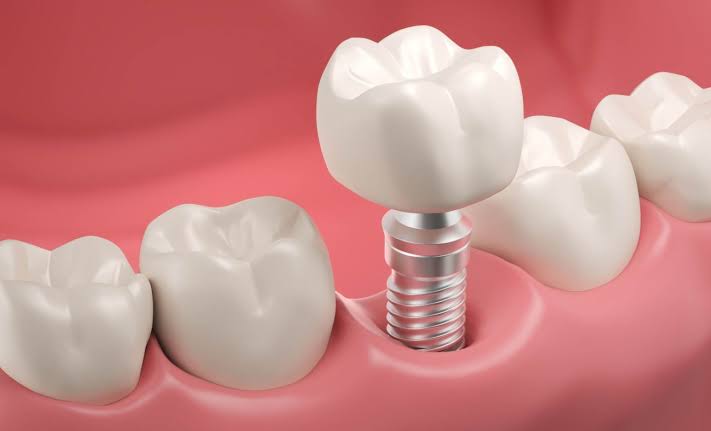
Titanium artificial roots placed in the jawbone for the purpose of compensating for missing teeth, along with the prosthetic restorations built on them, are medical materials that are in constant interaction with the biological environment. The human mouth is a complex ecosystem that hosts billions of microorganisms. The structure of the periodontium (tooth supporting tissue) in natural teeth gives way to a different connective tissue adaptation (peri-implant mucosa) surrounding the artificial roots. This structural difference reveals that the question of how to care for teeth after implants is not just an aesthetic concern, but a medical maintenance (protection) procedure.
How to Care for Teeth After Implants and What to Pay Attention to in the Early Days?
After surgical procedures that involve an incision and sutures, the body’s initial repair activity forms a healthy fibrin clot at the wound site. Contact of toothbrush bristles with this area on the day the titanium material is placed in the jawbone can tear the microscopic clot, leading to the opening of the wound and disruption of the healing physiology. Therefore, the areas where surgery was performed should be kept clean with pharmacological methods (mouthwashes) specified by the physician, rather than mechanical brushing.
However, routine tooth brushing in other areas of the mouth should not be interrupted. Allowing plaque accumulation on teeth outside the surgical area will prepare the ground for pathogenic (harmful) bacteria to migrate to the wound area, as it will increase the overall microbial population inside the mouth. While brushing other areas, the toothpaste foam filling the wound area does not create a physiological problem; the critical point is not to agitate the mouth by forcefully rinsing with water or spitting out at the end of brushing. The foam should be slowly drained from the mouth.
What Toothbrushes Should Patients Who Underwent Implant Surgery in Izmir Use During the Healing Period?
The bristles of toothbrushes can have hard or sharp edges when examined in a microscopic environment. The mucosa of the healing gums is quite delicate. Hard-bristled toothbrushes can cause mechanical trauma by creating micro-tears in the gums. This condition is among the factors leading to the recession of the gum tissue below the titanium material’s neck.
| Timeline | Recommended Toothbrush Type | Medical and Mechanical Justification |
|---|---|---|
| First 1 – 2 Weeks (Sutured Period) | Post-operative (After Surgery) Extra Soft Toothbrush | These brushes with very fine bristles apply to the surface plates without getting caught in the stitching threads and without irritating the edges of the wound. |
| 2 Weeks – 3 Months (Waiting Phase) | Soft / Medium Hard Manual Brush | Once the tissue closure is complete, standard brushes that will massage the normal gum tissue and stimulate blood circulation are used. |
| After Implant Placement | Manual or electric (Sonic/Oscillating) Brush | Electronic brushes with pressure sensors help protect tissue by removing food particles from the implant surface. |
How Should the Gum Tissue Surrounding the Titanium Roots Be Cleaned?
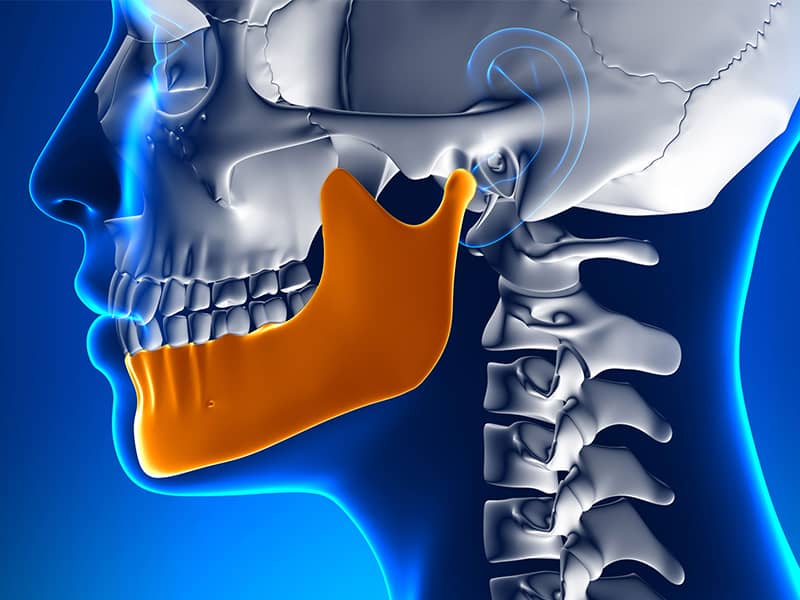
While natural teeth are held by micro fibers called “periodontal ligament” to the jawbone, artificial titanium roots bond directly with the bone (osteointegration). This anatomical difference also reflects in the gum structure. The gum tissue surrounding a natural tooth is tightly structured around the tooth, while the gum tissue around an artificial root serves as a more biological seal (mucosal seal). If this seal weakens, bacteria find an opportunity to directly reach the jawbone.
The aim is to clean not just the visible part of the prosthesis that appears white, but primarily the narrow boundary where the prosthesis joins with the gum. Instead of keeping the toothbrush completely parallel to the tooth surface, it should be positioned at a slight angle (45 degrees) allowing the bristles to lightly enter the gum pocket and perform short vibrations back and forth, which helps limit the microbial load around this fragile seal.
How Should Mouth Rinsing and Gargling Be Done in the First Week After Surgical Operation?
In the acute surgical phase where mechanical cleaning cannot be done using toothbrushes, chemical cleaning agents come into play. Chlorhexidine gluconate-containing mouthwashes create a protective layer over the gums by slowing down plaque formation due to their broad-spectrum antibacterial properties. However, the fluid dynamics of these solutions should not pose a physical risk for the wound site.
The negative pressure inside the mouth (vacuum effect) is a major factor that triggers bleeding within the tissue. Instead of vigorously swirling the gargle liquid back and forth when taken into the mouth, it should be ensured to passively flow over the wound area by tilting the head from side to side. At the end of the procedure, rather than swallowing the liquid, it should be directed into the sink. Additionally, the use of chlorhexidine-containing mouthwashes for longer than two weeks can lead to temporary discoloration on the teeth and changes in taste receptors; therefore, adhering to the schedule indicated by the doctor is a clinical necessity.
How to Care for Prosthetics on Implants According to Medical Protocols in Europe?
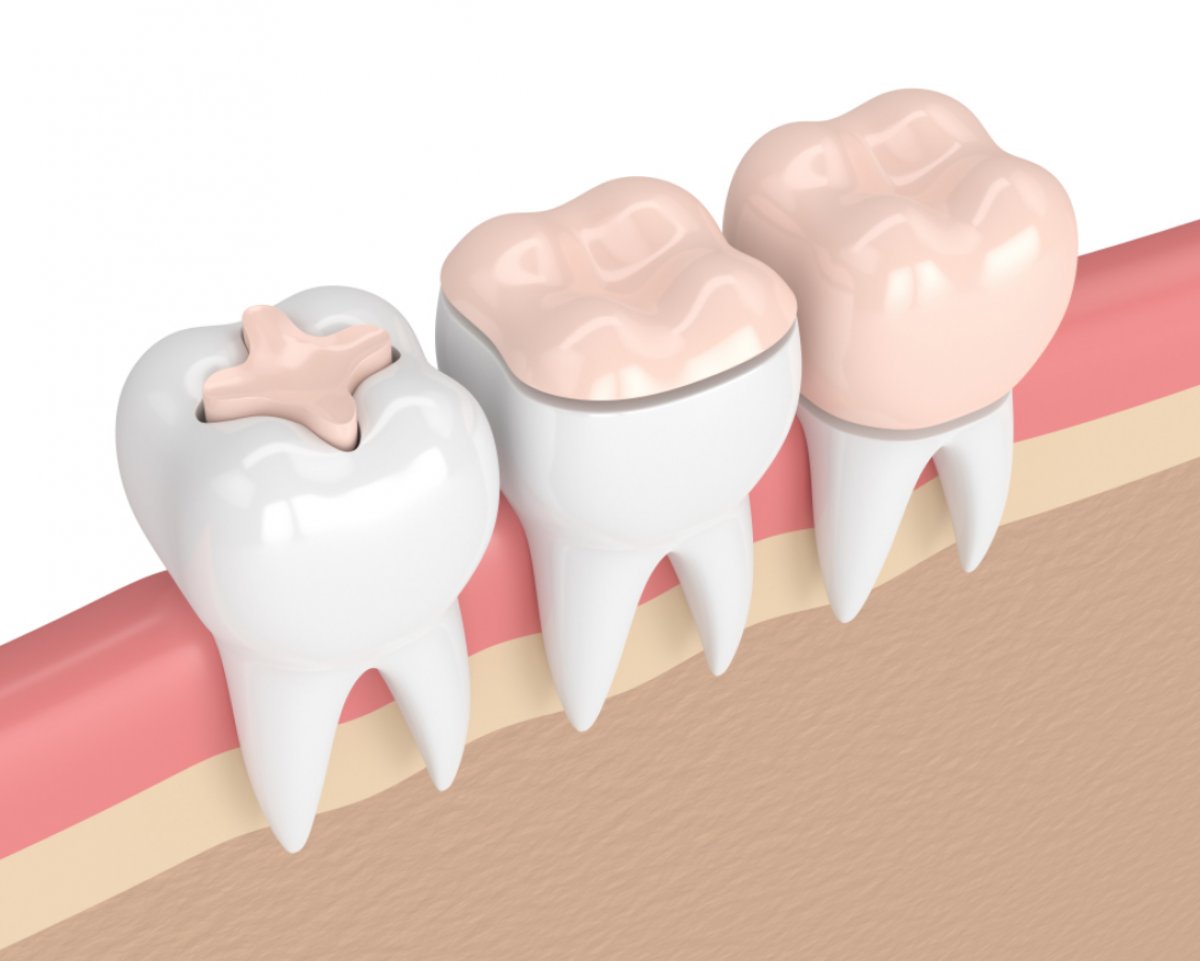
Zirconium or porcelain structures produced in a laboratory environment have a very smooth (glass-like) surface. It is difficult for bacteria to adhere to these flat surfaces. However, the neck part of the prosthetic, contact areas where it touches the adjacent tooth, and the lower surfaces facing the gums (especially in bridge prosthetics) create anatomical niches for plaque organization.
The maintenance processes of institutional clinics involve teaching specific oral hygiene routines tailored for the patient. It is impossible for the bristles of a standard toothbrush to reach the fine margin between the titanium root body and the gum. If organic residues in these blind spots are not removed, they combine with the minerals in saliva to form tartar (calculus). Once tartar has formed, it is physiologically impossible to remove it with a brush; they must be cleaned with medical instruments in a clinical setting.
How Should Interdental Brushes and Dental Floss Be Used in Implant-Supported Bridges?
Using dental floss in the back teeth is done by entering from above between two teeth (towards the gum tissue from the chewing surface). However, in implant-supported bridges (prostheses where three or more teeth are connected), it is anatomically impossible to go down from between the gaps. In this case, the dental floss must be passed horizontally underneath the prosthesis.
- Superfloss Threads: These are threads with a hard tip like fishing line and a sponge-like thickness in the middle. Thanks to the hard tip, they can be easily pushed from the gap under the prosthesis, and the sponge-like part wraps around the neck of the titanium screw like a gauze, cleaning by pulling side to side.
- Interdental Brushes: These small brushes have diameters ranging from 0.4 mm to 1.5 mm. It is essential to choose the appropriate diameter for the prosthesis gap; while a very narrow brush cannot clean effectively, forcing a larger brush into the gap can cause tears in the gum mucosa. Those with plastic-coated wire parts are among the medical preferences to prevent titanium from scratching.
What Medical Function Do Oral Irrigator (Water Flosser) Devices Serve in Implant Cleaning?
In extensive prosthetic systems that encompass all teeth or include multiple components like “All-On-4”, the patient’s manual dexterity may be insufficient to reach the back areas. Water pressure-producing mouth rinses serve as a powerful supplement that eliminates this handicap. The pulsatile (pulsing) water flow that emerges from the device creates a turbulence in the tissues.
This turbulence allows the anaerobic (oxygen-free environment) bacteria under the prosthesis to come into contact with oxygen. Oxygen disrupts the life cycle of these harmful bacteria. Adding highly diluted antimicrobial solutions to the reservoir (water tank) of the water rinses, under the dentist’s guidance, also enhances the chemical effectiveness of the rinsing procedure. However, it should be noted that the mechanical cleaning of mouth rinses does not replace brushing; it only cleans the coarse waste on the plaque layer; mechanical brushing is always the main cleaning procedure.
What is Peri-Implantitis (Surrounding Tissue Inflammation) and How is it Related to Regular Brushing?
Just as periodontitis (gum recession) occurs when tartar accumulates around natural teeth, the same mechanism operates around titanium screws. Since the orientation of the connective tissue fibers around artificial roots differs from natural teeth, the peri-implantitis process progresses much faster, leading to bone loss. This situation is the primary physiological cause of long-term material loss.
The bacterial plaque is a colorless, sticky biofilm layer. It can only be detached from the outer surface by mechanical scraping (the scraping of toothbrush bristles). If the brushing routine exceeds twenty-four hours, it starts to harden by combining with the calcium ions in this soft biofilm. The porous surface of the formed dental calculus attracts more bacteria to that area. The main aim of tooth brushing is to disrupt the plaque before it has time to harden, with intervals of twelve or twenty-four hours.
Do the Ingredients in Toothpastes Affect Implant Surfaces?
Many toothpastes marketed with claims of “instant whitening” or “stain removal” contain hard micro-particles such as carbonate derivatives, silica, or aluminum oxide. While these particles clean by scraping the stains from the natural tooth enamel, they can cause matting and abrasive effects on the porous neck surface of titanium or acrylic/composite prosthetic structures. A microscopically scratched surface creates ideal incubators for bacteria to settle and multiply.
| Toothpaste Ingredient / Formula | Mechanism of Action | Clinical Usage Suggestion |
|---|---|---|
| High RDA (Abrasive) Ingredients | Physically scrapes away stains on the surface, dulling the polish layer. | It is advised to avoid prolonged use to shorten the lifespan of the restorations. |
| Sodium Fluoride (NaF) Containing Gels | Cleans the surface with a low abrasive, protecting the oral flora. | These are the medical forms expected to be preferred in daily routine oral hygiene practices. |
| SLS (Sodium Lauryl Sulfate) Substance | It is a synthetic detergent that ensures the paste foams densely. | For individuals in the healing phase or with sensitive mucous membranes, SLS-free (non-foaming) products can be chosen to limit tissue irritation. |
How Often Should Professional Clinical Cleaning Be Done in Long-Term Implant Care?
Narrow areas in the oral anatomy (especially the tongue side of the lower jaw’s anterior region and the cheek sides of the upper jaw molars) are the locations where calculus formation is most intense due to their proximity to the saliva drainage channels of the salivary glands. No matter how good the manual maneuvers of the clinician are, certain junction points of the prostheses that go under the gums cannot be cleaned with home tools.
Clinical care periods are akin to physiological check-ups of the system. Dentists use special tools made from materials softer than titanium instead of standard metal instruments (cleaning tools). This way, the surface of the artificial root is not damaged. Simultaneously taken radiographs aim to detect possible millimeter losses at the bone level early on, preventing progressive damage.
How Does the Consumption of Tobacco Products Alter the Hygienic Structure of Implant Surrounding Tissues?
The use of tobacco and related products establishes a dual negative mechanism on oral tissues. On one hand, the tar and chemicals it contains create a very hard and highly adhesive layer by accumulating on prosthetic surfaces. It is extremely difficult to remove this layer with a normal toothbrush.
On the other hand, the vasoconstrictive (blood vessel narrowing) effect of nicotine disrupts the blood supply to the gums. When plaque accumulates on a healthy tooth, it causes the gum to bleed, signaling an “alarm” to the patient; however, due to suppressed circulation in smokers, the gums do not bleed. The individual may continue to neglect brushing, believing their gums are healthy; meanwhile, inflammatory damage at the bone level continues deeply. To maintain long-term clinical success, limiting tobacco consumption is of great medical importance.
How Do Climate and Nutritional Habits in İzmir Shape Implant Hygiene?
Nutritional culture is a determinant of the biochemical environment within the mouth. Consuming fibrous foods (such as vegetables unique to the Aegean region like artichokes and celery) creates a partial self-cleaning effect on tooth surfaces, helping to wash away soft plaques. Salivary glands work more actively to maintain the pH balance of the oral flora.
However, fig seeds, as part of the local diet, can lead to a higher likelihood of starch residues remaining in the interspaces after consuming carbohydrate-heavy dough products like boyoz. Carbohydrates are quickly converted to acid by bacteria. Following the consumption of such foods, rinsing the mouth with plenty of water and then waiting at least thirty minutes (after the acid attack has passed) before brushing the teeth helps maintain the stability of the pH balance around the prosthesis.