How to Care for Your Mouth After Implant Treatment? Comprehensive Hygiene Guide
Methods for compensating for missing teeth hold great importance among oral and maxillofacial surgery disciplines, relying not only on medical successes at the moment of operation but also on long-term biological sustainability. The structural integrity created by artificial titanium roots placed in the jawbone is directly related to the patient’s daily hygiene habits. The mechanical and chemical cleaning processes that individuals undertake after clinical intervention are the primary factors supporting biological repair by maintaining the balance of the microflora in the area.
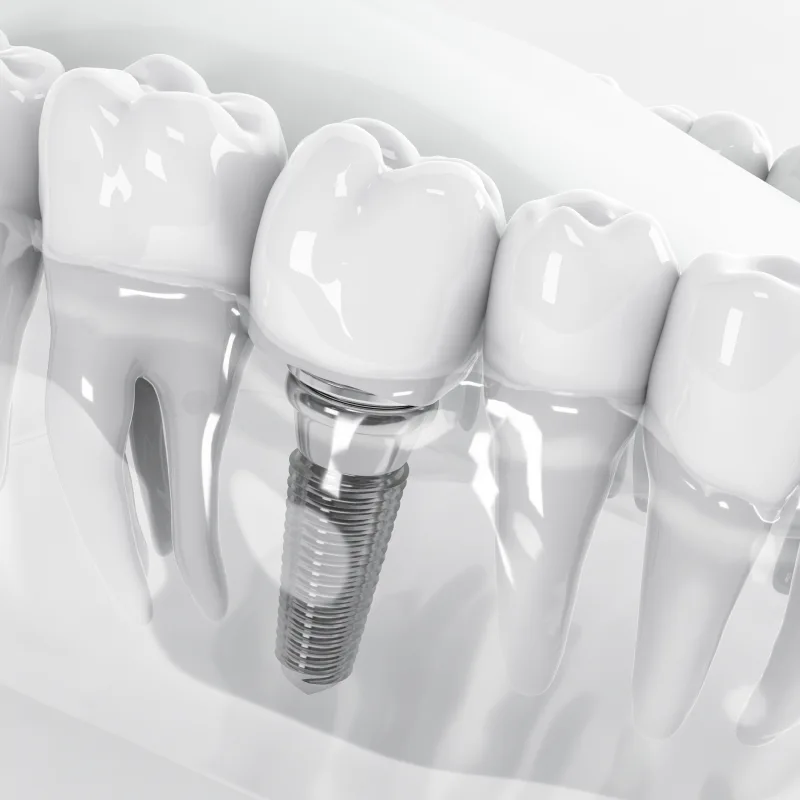
The anatomical relationship between natural teeth and titanium materials with surrounding tissues has different physiological dynamics. While natural teeth adhere to the bone via periodontal fibers (elastic attachments) and are nourished by their own rich vascular network, titanium pieces create a rigid (non-flexible) calcification network with the bone. This structural difference alters the tissue’s defense mechanism against potential bacterial accumulations around artificial roots. Therefore, the maintenance routine that will last for a lifetime, starting from the post-operative period, requires a medical discipline that includes specific cleaning agents and physician directives, going beyond standard brushing habits. In this context, it details how to optimize oral care throughout the years following the surgical procedure when prostheses are used, in line with anatomical necessities.
How are the Initial Oral Care Steps Structured on the Day of Surgery?
After a surgical intervention, the body initiates a rapid hemostasis (clotting) process in the relevant area to restore tissue integrity. The area where the gum flap has been lifted and where the bone has been intervened is quite sensitive to all kinds of mechanical effects that may come from the outside. In the first hours after getting off the operating chair, if patients rinse their mouths vigorously with water, it may cause the newly formed fibrin (clot) to break off and restart bleeding. Therefore, the hygiene rule on the first day is to isolate the entire surgical area from mechanical stress.
Reducing the bacterial load in the mouth is essential for the normal progression of healing. The brushing of other unaffected natural teeth should be done meticulously to lower the bacterial population in the general flora. During brushing, allowing the liquid to flow out of the mouth without the cheek muscles contracting contributes to wound stabilization. The use of chemical gargles in the first 24-hour period is generally postponed to the next day to avoid damaging the clot layer.
How to Clean Plaque Buildup Around the Sutured Area?
Surgical sutures that hold soft tissue together create a physical retention area for food residues and proteins in the tissues to accumulate. During the first week of healing, the formation of whitish or yellowish plaque layers around these threads is a commonly observed clinical finding. Most patients may mistakenly think these plaques are infections and try to scrape them off with a toothbrush; however, this action can lead to the opening of wound lips (dehiscence) and damage to the healing tissue.
During this period, mechanical cleaning is replaced by chemical cleaning. Antiseptic solutions seep between the sutures, damaging the cell walls of bacteria attempting to colonize there and inhibiting their reproduction. When the solution is taken orally, instead of swishing the cheeks around, it is tilted gently towards the operated side, allowing the liquid to quietly (passively) rinse that area. After the sutures are taken out or dissolved, a gradual transition to mechanical cleaning is implemented once the tissue surface is physically closed.
What Medical Criteria Should Antiseptic Mouthwashes Follow?
Mouthwashes have a broad-spectrum inhibitory effect on both gram-positive and gram-negative bacteria due to their active ingredients (most commonly chlorhexidine gluconate). This chemical cleaning, started the day after surgery, minimizes bacterial threats from the outside until soft tissue closure is achieved. Thanks to the mouthwash’s ability to adhere to tooth surfaces and mucosa (substantivity property), the antimicrobial effect lasts for hours in the mouth.
However, the use of these chemical agents is subject to specific medical durations. Continuous use of chlorhexidine for more than fourteen days can lead to temporary changes in the taste buds on the tongue, yellow-brown discolorations on natural teeth, and the destruction of beneficial bacteria in the mouth, disrupting the balance of flora (which can lead to conditions like fungal infections). Therefore, it should not exceed the schedule prescribed by the physician, and when the specified duration is over, the use of mouthwash should be terminated and routine mechanical cleaning (brushing and flossing) should be emphasized.
What are the Brushing Techniques for Titanium Material During Bone Healing Phase?
Implantology procedures involve titanium pieces while the jawbone is in a biological calcification cycle; the small connecting parts facing the mouth of these pieces or the gum surface should be kept mechanically clean. In the weeks following the removal of the stitches, although the epithelial tissue appears to have closed from the outside, the repair of the connective tissue continues beneath the surface. The use of hard-bristled toothbrushes or hard brushing motions in the horizontal direction can predispose the newly matured thin gum edge to tissue recessions.
The toothbrushes that patients will use during this waiting period spread over several months should be ultra-soft models with “post-operative” or surgical toothbrush features, which can be obtained from pharmacies. The toothbrush head should be placed at a 45-degree angle to the line where the tooth meets the gum, and small vibrating movements should direct the cleaning surface towards the gum. This technique removes the bacterial plaque at the gum line and creates a light massaging effect on the tissue, supporting circulation (vascularization) in that area.
How Does the Daily Cleaning Routine Change When Transitioning to the Prosthetic (Crown) Stage?
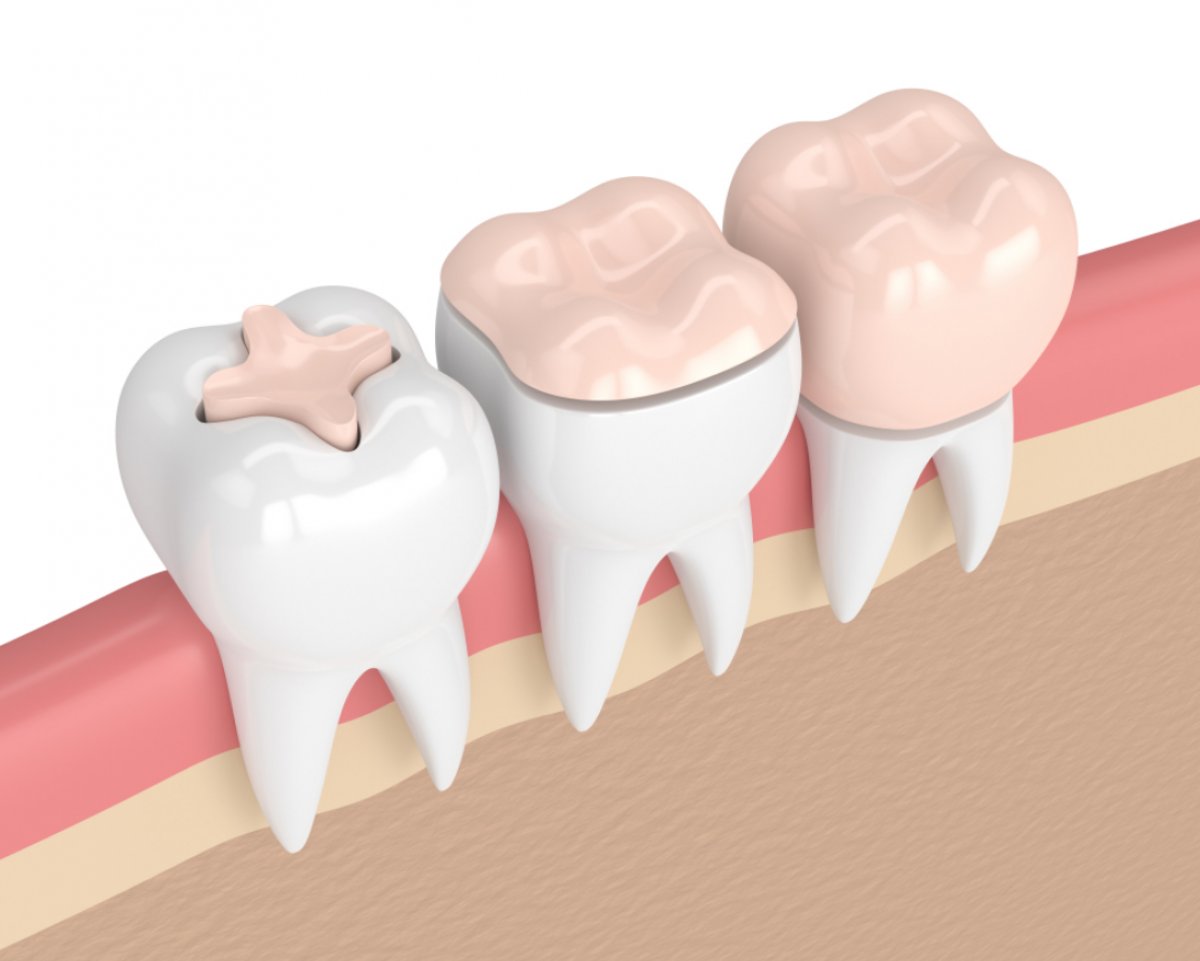
When the months-long bone healing period is completed and the zirconium or porcelain crowns produced in the laboratory are secured to the titanium framework, the patient’s chewing system is reactivated. These newly added artificial teeth are made from materials that are resistant to decay, unlike natural enamel; that is, porcelain itself cannot be dissolved by acid from bacteria. However, this situation should not create a misunderstanding that the area does not need cleaning. The main goal of cleaning is not to protect the porcelain but to defend the biological boundary where the porcelain meets the gum.
After the crown is placed, patients can return to their regular, medium-hard toothbrushes. Using fluoride toothpaste, they should brush at least twice a day, systematically covering every surface (front, back, and chewing surfaces). Plaque that accumulates around the crowns and is not mechanically cleaned can combine with minerals in saliva, turning into tartar. These stones can progress into the gum pocket, initiating an inflammatory process that causes cellular damage. For this reason, routine brushing is the most important line of defense that preserves the biological foundation of the prostheses.
Why Are Dental Floss and Interdental Brushes a Medical Necessity in This Process?
A standard toothbrush can only access the cheek, tongue, and chewing surfaces of a tooth or porcelain crown. The adjacent surfaces (interdental spaces) where two teeth come together are dark and narrow areas where the bristles of the brush cannot reach. The structure of the gum tissue around implantology applications lacks the cross-linked and tight fiber connection found in natural teeth, making it physiologically easier for bacteria to seep from these pockets.
If these gaps are not cleaned, food residues ferment and produce acid and toxins. The interface brushes are small brushes arranged on fine wires with different diameters (0.4 mm, 0.6 mm, etc.). An interface brush appropriate to the diameter determined by the doctor is inserted horizontally into the gap between the porcelain and the adjacent tooth, and with back-and-forth movements, it mechanically removes the plaque in that area. In areas where the teeth are in very tight contact, dental floss coated with wax or Teflon is used, and the floss is slowly slid downwards while scraping the side surface of the porcelain upwards.
| Cleaning Equipment | Usage Area and Anatomical Region | Medical Function |
|---|---|---|
| Standard Toothbrush | The broad surfaces of the porcelain that face outward and inward, chewing trays. | Ensures the general cleaning of large food residues and surface dental plaque. |
| Interface Brush | The openings in the open triangle between teeth that the toothbrush cannot reach. | Removes the plaque in narrow areas with brushing mechanics and ventilates the gum pocket. |
| Special Dental Floss (Superfloss) | Under the bridge structures, the contact points where the teeth press tightly against each other. | Mechanically cleans by expanding and filtering the surfaces under the coating with its sponge-like texture. |
How Does Oral Irrigators (Water Flosser) Function in Titanium-Supported Systems?
Dental flossers (water flossers or oral irrigators) are technological hygiene devices that transfer water from their reservoir into the mouth through a fine tip using a pressurized pump. Especially in cases of multiple tooth deficiencies, the use of long bridge systems or complete jaw restorations can make it difficult for the patient to clean the inner parts of the prosthesis with traditional threads. In these cases, pressurized water can filter even into microscopic gaps, removing food residues and loose bacterial colonies from where they are located.
A key point to consider when using these devices is the water pressure setting. A very high-pressure water jet can damage the sensitive sealing barrier between the porcelain crown and the gums. Therefore, it is medically more appropriate to hold the water tip at a 90-degree angle to the gums at low or medium pressure settings, moving it along the gum line. Sometimes, diluted antiseptic mouthwashes may be added to the water reservoir on the recommendation of a physician; this way, a chemical antibacterial effect is also included in the mechanical rinsing process.
How Does Peri-Implantitis (Surrounding Tissue Inflammation) Develop Due to Insufficient Hygiene?
Although titanium materials bond organically with the jawbone, their connections with the gum tissue are structurally more fragile than a natural tooth. In an unbrushed mouth, the proteins and food residues in saliva create a biofilm (plaque) layer at the neck of the porcelain crown. Within this layer, bacteria proliferate rapidly, irritating the surrounding soft tissue (the gum) with the acids and toxins they produce. The body increases blood flow to the area to fight these toxins; the gum becomes inflamed, and bleeding starts while brushing. This initial stage is called “peri-implant mucositis” and is a reversible stage with good hygiene since it has not yet affected the bone.
If intervention is not made in the mucositis stage and the plaque turns into tartar, the bacteria begin to descend from the gum pocket to the bone level. At this stage, the body’s cellular defense response to the infection created by the toxins starts to erode its own jawbone. The threads of the titanium screw, which has lost its surrounding bone support, may become exposed, and inflammatory discharges can emerge from the pockets, potentially leading to loss of the piece as it progressively loosens. The way to avoid this destructive situation called peri-implantitis is to maintain a disciplined daily mechanical plaque control routine.
How Should the Lower Parts of Fixed Prostheses in Bridge Form Be Cleaned?
Bridge systems applied for multiple missing teeth consist of a body (pontic) formed between two or more support points. This body part does not directly embed into the bone; it lightly rests on the gum tissue to ensure aesthetic and functional integrity. The thin horizontal gap remaining between the gum and this porcelain body is designed to allow the passage of bacteria and fluids; however, microscopic food particles can also seep into the same gap while eating.
Anatomically, it is difficult for a standard toothbrush or an inter-dental brush to reach this horizontal tunnel. Special threads (superfloss) available at pharmacies, consisting of three different forms, are used for cleaning this area. One end of this thread is stiffened with plastic (guide end), while the middle part is thick and sponge-like. The stiff end is inserted into the gum space from one side of the porcelain body and pulled from the other side. When the thick sponge-like part comes underneath the body, it mechanically wipes away the plaque that accumulates in that area by pulling it back and forth (like polishing shoes). Performing this cleaning step daily prevents odors and inflammation that may occur under the bridge.
How to Care for Removable (Dentures) Prosthetics and Retaining Parts?
Implantology systems, commonly known as “overdentures” and planned for complete edentulous cases, consist of two separate parts: the retaining male components fixed to the bone inside the mouth and the main prosthesis body that the patient takes out. The cleanliness of these systems requires a two-fold discipline. First, the patient’s removable denture should be taken out of the mouth every night before bedtime. The removed prosthesis should be mechanically cleaned in the sink using odorless liquid hand soaps and special denture brushes, rather than regular toothpaste (as the abrasives in toothpaste can scratch the acrylic). The prosthesis is kept moist overnight by soaking it in a glass of water or in a solution with denture cleaning tablets.
When the prosthesis is removed, the parts that appear as metallic knobs or bars visible from the outside, connected to the jawbone in the mouth, become exposed. The gum tissue surrounding these parts is quite sensitive to plaque accumulation. Patients should gently brush around these metal parts, their surfaces, and connection areas using regular toothbrushes. Any food debris left between the knobs or bars can cause the prosthesis to not fit properly and lead to mucositis (gum inflammation), so this two-fold hygiene routine should be strictly followed.
How are Periodic Hygiene Controls Organized in Avrupadent Clinic Processes?
Although individuals’ daily hygiene routines at home are of high quality, the dynamics of oral flora tend to lead to the formation of dental calculus (tartar) over time due to the accumulation of minerals from the structure of the teeth. It is possible to remove these hardened deposits in a home environment using dental floss or interdental brushes. In clinical operations at Europadent, after the treatment process is completed and the crowns are placed, patients are enrolled in a standard medical follow-up program. During routine visits every six months, the doctors primarily examine for bleeding, pocket formation, or color changes at the gum margins with the naked eye and with probes (measuring instruments).
In addition to the physical examination, periapical (small) X-rays or panoramic films are taken to check the vertical height of the jawbone on a cellular basis. When the stabilization of the bone around titanium material is verified, ultrasonic cavitron devices or special teflon-tipped cleaners are used to professionally clean any tartar that may have accumulated around the crowns and natural teeth. If deficiencies are observed in the patient’s current home care (for example, errors in the use of the interdental brush), correct techniques should be demonstrated again during these appointments to increase the individual’s medical awareness.
Frequently Asked Questions (FAQ)
1. When can I brush my teeth for the first time after the operation?
The surgical area should not be touched on the day of the operation; from the next day onwards, while gently brushing the other teeth, the area where the stitches are located should be kept free from the brush to allow healing.
2. What type of toothpaste should I use?
Toothpaste with a high whitening effect can scratch porcelain surfaces, so the use of standard care toothpastes that contain fluoride or soft formulations with gum-protective properties is considered medically appropriate.
3. Can electric (rechargeable) toothbrushes be used?
They should not be used during the healing period (in the stitched phase). However, after permanent restorations are placed and the tissue has fully matured, plaque can be removed with electric toothbrushes using soft bristles.
4. Will I remove the restoration when using dental floss?
Permanent prosthetics are securely anchored to the jawbone with strong medical adhesives or screw systems, so using standard dental floss should not cause the restoration to detach when pulling in the upward direction.
5. Is it normal to occasionally taste metal in my mouth?
Light bleeding in the early postoperative days can lead to a metallic taste. However, if this taste persists months after restoration, it may indicate leakage or a change in flora due to hygiene deficiency under the restoration.
6. My gums bleed while brushing, what should I do?
Bleeding around newly placed prosthetics is often an indicator of mucositis (gum inflammation) caused by plaque accumulation. Instead of stopping brushing due to bleeding, the cleaning of that area should be intensified, and if the issue persists, a consultation with a doctor is advised.
7. Can I add mouth rinse to the reservoir of my oral irrigator?
Yes, it is recommended to mix a small amount of antibacterial mouth rinse into the device’s water reservoir, as it adds a chemical cleaning effect in addition to mechanical fluid pressure, supporting hygiene.
8. Does cigarette smoke shorten the lifespan of coatings or titanium?
Cigarettes disrupt the blood flow to the oral tissues, compromising gum health and increasing plaque buildup. This condition negatively affects the biological lifespan by raising the risk of jawbone resorption (peri-implantitis) in the long term.
9. Can I wear my removable prosthesis at night while sleeping?
To prevent the gum from developing fungal infections (stomatitis) due to lack of air and to allow the tissue to rest, it is a medical guideline to remove removable systems during nighttime sleep.
10. What issues might I face if I do not clean under my bridge?
Microscopic food particles trapped under the bridge structures will gradually decompose, leading to severe bad breath (halitosis) and irritating the gum tissue in that area, triggering infections.
11. Do carbonated (fizzy) drinks damage porcelain?
Porcelain or zirconium materials are chemically resistant to acids; however, acidic beverages should be consumed in moderation as they can weaken the enamel of nearby natural teeth and disrupt the pH balance in the mouth.
12. Can I brush with miswak or baking soda?
Coarse abrasive powders like baking soda can scratch the fine glaze layer on porcelain, leading to dullness and allowing bacteria to attach more easily, thus having no place in medical care.
13. Do titanium particles cause calculus formation?
In areas looking into the mouth or around the necks of prostheses, mineral deposits from saliva can form hard tartar, just like natural teeth; these should be cleaned professionally in clinics with specialized equipment.
14. What should I do if I notice gum recession?
If the metallic or titanium edge of the prosthesis becomes visible from the outside (indicating tissue recession), it may be a sign of bone loss or trauma from severe brushing, so a doctor’s examination should be requested without delay.
15. How often should follow-up X-rays be taken?
After surgical healing is completed and prostheses are placed, in the first year, a control film is usually taken every 6 months, while in subsequent years, the bone level is monitored with panoramic or periapical X-rays once a year.