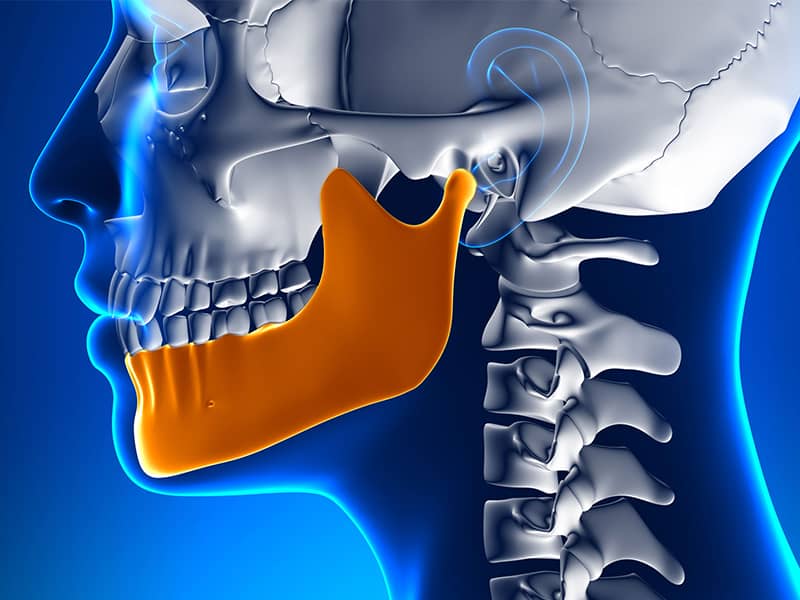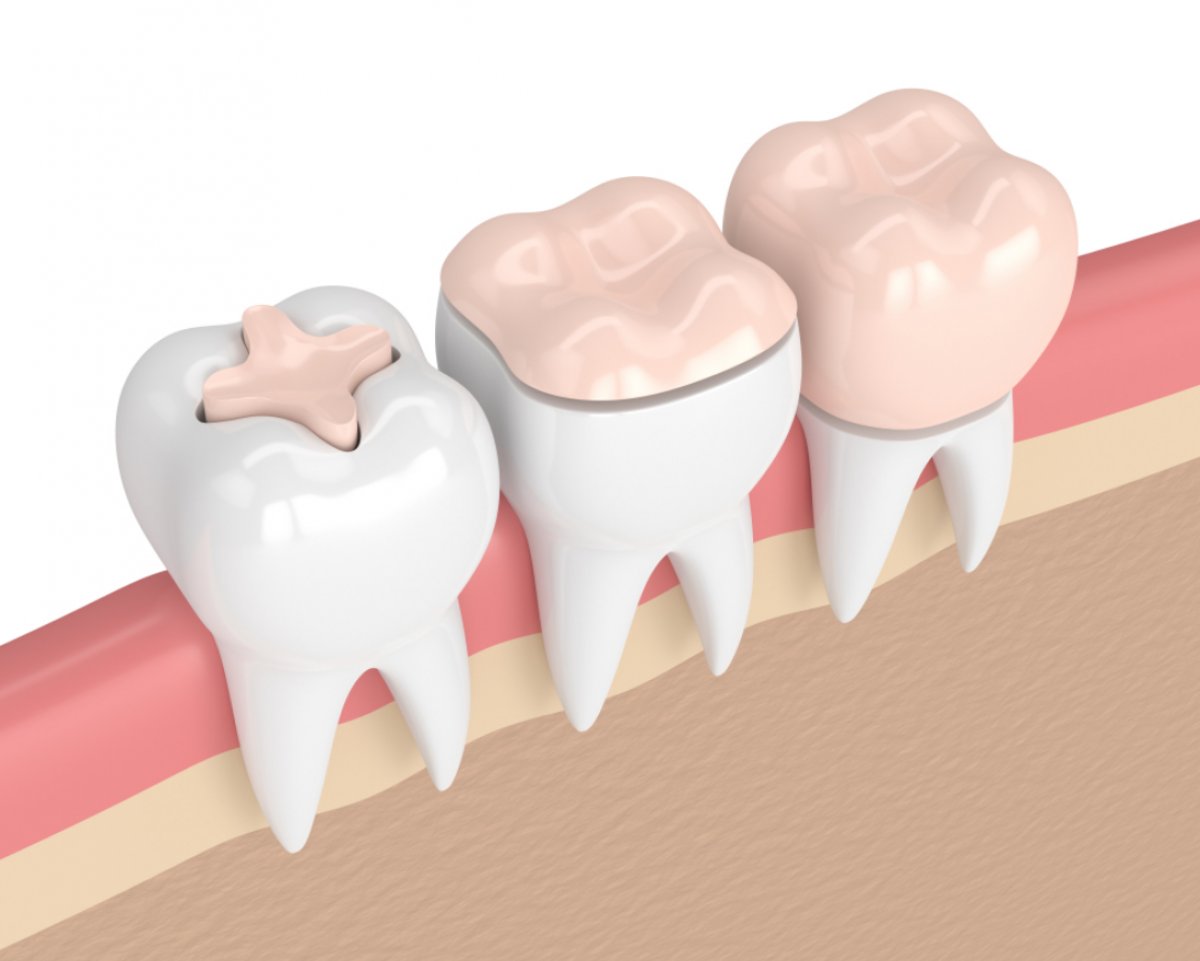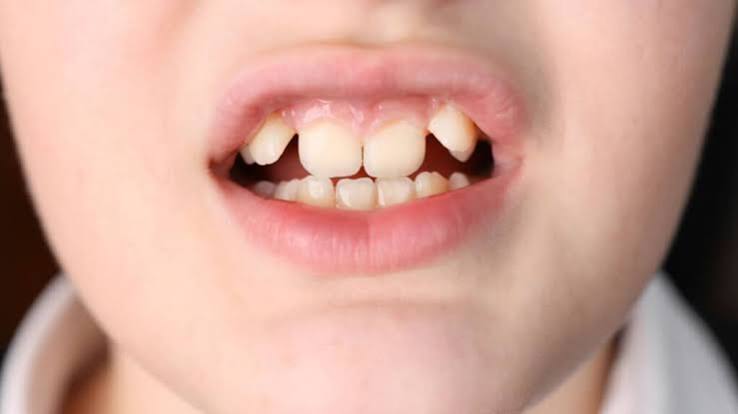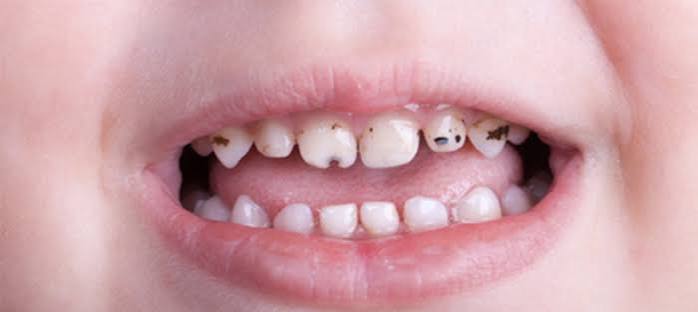
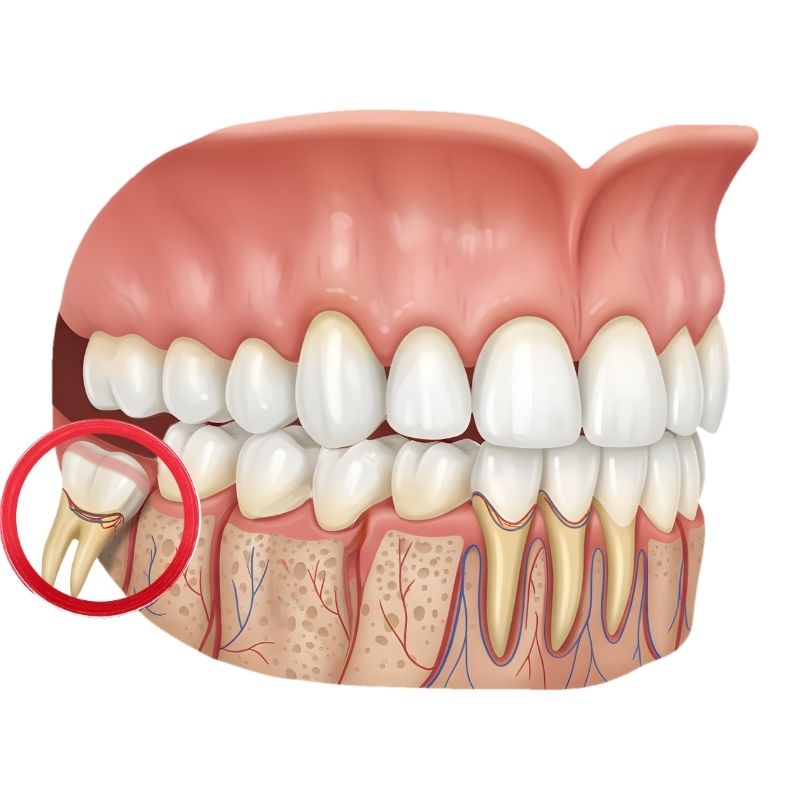
Yes, a root canal treatment or filling can be performed on a wisdom tooth, but this is preferable under certain conditions. Because not every wisdom tooth is the same, the position of these teeth in the mouth, their necessity, anatomy, and contribution to chewing function are also of great importance. If this tooth is in a condition that can be treated and is in a necessary position for the patient’s overall oral health, it’s possible to apply root canal treatment or filling, just like with other molars.
In Which Situations Is It Preferred?
Yes, a root canal treatment or filling is applied to a wisdom tooth, but factors such as the position of the tooth, its contribution to chewing function, and its suitability for treatment are also evaluated for preference.
When a wisdom tooth requires extraction or root canal treatment, the first thought that comes to mind is often extraction. The primary reason for this is that wisdom teeth are located at the back of the mouth and can sometimes be impacted or partially impacted. However, today, it has become increasingly common to preserve wisdom teeth that are in a position where they can perform chewing function, fully erupted (meaning they have emerged normally into the mouth) and can be cared for. Points to consider in this approach include:
-
\t
- How functional the tooth actually is
- Whether there is a tooth present opposite it (above or below) that serves as a partner for chewing
- Whether it has an anatomical structure suitable for root canal treatment
- Whether the level of impaction or infection allows for saving the tooth
\t
\t
\t
If these criteria are deemed appropriate, the goal is to preserve the patient’s natural tooth as much as possible. Particularly in cases where the second molar is missing and the patient may benefit from support from the wisdom tooth in bridge or prosthesis planning, it may be more beneficial to preserve the tooth with root canal treatment or filling instead of extracting it. Additionally, if the patient specifically requests the preservation of the tooth instead of extraction and the anatomical condition of the tooth allows, a treatment plan for root canal treatment or filling can be developed with the dentist’s guidance.
How is a Procedure Process Monitored?
The filling process involves cleaning the cavity in the tooth and filling that area with a suitable material (such as composite or amalgam). If the cavity is limited and has not reached the tooth’s nerve tissue, a filling is generally sufficient. On the other hand, root canal treatment includes cleaning the nerve and blood vessel tissue known as the pulp of the tooth, shaping the canal spaces, and sealing them with special filling material.
We can briefly summarize the steps for procedures on wisdom teeth as follows:
Diagnosis and X-ray Examination
-
\t
- When necessary, three-dimensional imaging methods (such as CBCT) are used to examine the tooth root and canal structure.
Access Opening
-
\t
- Due to the positioning of the tooth in the back area, it may be difficult to open the mouth sufficiently. In this case, the tools and approach used by the dentist may vary. For some patients, working under sedation may be preferred.
Canal Cleaning and Shaping
-
\t
- Infected tissues in the root canals are cleaned, and then the canal spaces are widened with suitable tools. Modern nickel-titanium rotary tools provide significant convenience at this stage.
Canal Filling
-
\t
- After the canals are completely cleaned, they are tightly sealed with a special canal filling material.
Permanent Filling or Restoration
-
\t
- Once the root canal treatment is completed, the upper part of the tooth is also finished with a filling or an appropriate protective restoration.
What Technical Difficulties Arise?
Especially in root canal treatments, third molars can have very different root combinations. In some cases, the roots may have fused together, whereas in others, there may be extreme curvature or additional canals present. This complicates the finding and proper cleaning of the canals. Additionally, if the patient’s mouth opening is limited, it makes it even more challenging for the dentist to work with fine and delicate instruments from the back.
Similar accessibility difficulties can arise when it comes to fillings. In order to achieve a high-quality restoration in the back region, a good visualization of the area is essential, along with ensuring butter and tongue control, and the ability to isolate the tooth. Especially if a portion of the wisdom tooth is partially impacted or remains under the gum, making a comprehensive filling becomes much more difficult.
The cutting glasses used in today’s technology, microscopes, and three-dimensional imaging methods significantly reduce these difficulties. Additionally, the dentist’s experience in this area is a determining factor. Therefore, it is very important for the dentist or endodontist handling the root canal treatment or filling of the wisdom tooth to possess the necessary technology and experience.
What is the Success Rate?
In suitable cases, the success rate is quite high; due to accurate diagnosis and proper application, a success rate of approximately 80-90% can be mentioned.
However, these statistics can vary depending on factors such as the position of the tooth, the structure of the roots, the patient’s oral hygiene, and the dentist’s experience. For example, a highly curved root system combining multiple canals may somewhat decrease the success rate. Additionally, if the tooth has been severely infected or has experienced extensive material loss, these are negative factors.
Success in the long term depends more on how much healthy tissue the tooth has and the depth of the cavity. If the cavity is detected early and filled, the wisdom tooth can function problem-free for many years. In fact, some patients report using the old fillings in their wisdom teeth for a long time without any issues.
The failures that can occur after root canal treatment or filling generally stem from three main causes:
- Inability to fully perform the treatment due to anatomical difficulties or poor hygiene
- The tooth is too worn to be restored or becomes fractured after treatment
- The patient neglects oral hygiene, leading to recurrent cavities or infection
Therefore, choosing the right case to increase the success rate, carefully conducting the procedure, and ensuring that the patient takes care of the tooth as needed afterward are very important.
When is Extraction More Appropriate?
Extraction is generally recommended in the following situations:
- If there is no opposing tooth for the wisdom tooth and it is not participating in chewing functions
- If the tooth is impacted or partially impacted and causing frequent inflammation (pericoronitis) or pain
- If the cavity has progressed to the point where there is no longer enough healthy tissue to save the tooth
- If the tooth roots are in very abnormal positions within the jaw or are in a risky relationship with nerves, and the complications that may arise during root canal treatment are very high
- If there are pathological conditions such as cysts or tumors around the tooth
In such cases, the benefits of keeping a wisdom tooth in the mouth may be outweighed by the risks it can create. Furthermore, it should be noted that in some patients, wisdom teeth can cause issues again over the years and result in repeated treatments. If the tooth is evaluated as having a “high probability of causing problems” in the long term, extraction is generally a clearer and more permanent solution.
On the other hand, if your dentist believes that extracting your wisdom tooth is more risky (for example, if it is very close to the nerve), maintaining the tooth with root canal treatment or filling may be a safer approach. This is especially the case for some patients with systemic disease or those at risk of osteonecrosis in the jawbone, where root canal treatment may be preferred over extraction.
What Criteria Are Evaluated?
In general, the following criteria are considered to understand whether a wisdom tooth is suitable for treatment:
X-ray and 3D Imaging Results if Necessary
-
\t
- The complexity of the root and canal structure, the relationship of the tooth with the nerve or sinus, and its position relative to other teeth are examined.
Degree of Tooth Eruption
-
\t
- Intervening in a fully erupted wisdom tooth may be easier and more successful compared to a buried or partially buried tooth.
Support from Gingiva and Bone
-
\t
- If there is significant bone loss or gum recession, the success rate of root canal treatment or filling may decrease.
Severity of Caries
-
\t
- If the caries is limited only to the crown (cap), filling may be preferred. However, if it reaches the nerve tissue and there is sufficient healthy tissue to save the tooth, root canal treatment is necessary.
Functional Value
-
\t
- If there is a chewing partner opposing the tooth or if this wisdom tooth will provide prosthetic support due to the patient’s missing tooth, it is considered valuable.
What Complications May Occur?
One of the significant risks is the possibility of nerve damage, especially for the wisdom teeth located in the lower jaw. In cases where the tooth root is positioned very close to the major nerve in the lower jaw, excessive use of canal tools or pressure applied during filling may pose a risk of damaging the nerve. This may lead to symptoms like numbness or tingling. Generally, these symptoms are temporary, but they can occasionally be permanent.
During the filling process, due to the backward positioning of the tooth, inadequate isolation of the tooth and poor visibility can lead to the filling material being subjected to leakage and may result in subsequent fracture development. With proper approach and experience, this risk can be minimized.
Similar undesirable situations can also arise from excessive instrumentation in wisdom teeth of the upper jaw, where blood vessels or sinus cavities are nearby. However, it should not be forgotten that tooth extraction is not a risk-free procedure; complications such as nerve injury, damage to neighboring teeth, or exposure of the sinus may also occur during extraction.
Most of these risks can be significantly reduced if the dentist conducts a thorough radiological analysis, uses careful techniques in treatment, and the patient pays attention to post-treatment care.
How Long Will the Tooth Last in the Long Term?
The fundamental factors that determine the longevity of a wisdom tooth are:
-
\t
- A successful and complete root canal treatment
- Preservation of the structural integrity of the root and crown
- Appropriate restoration on the top (filling, onlay, or crown if necessary)
- The patient’s attention to regular oral hygiene habits such as brushing, flossing, and mouthwash
- Monitoring the condition of the tooth and surrounding tissues with regular dental check-ups
\t
\t
\t
\t
If these wisdom teeth are maintained, a wisdom tooth can remain in the mouth for decades, just like any other tooth. Of course, the structural durability of each tooth differs, and as they age, tooth enamel wears down as well. However, the thought that “the wisdom tooth is already a problem, whatever we do is in vain” is not always valid. Many people can use their wisdom teeth without issues for many years when treated correctly at the right time.
In Which Situations is Root Canal Treatment Required Instead of Filling?
If the decay in the tooth is limited to just the enamel or dentin and has not reached the nerve tissue (pulp), a filling is usually a sufficient solution. However, if the pain is very severe, or if there is inflammation or necrosis in the pulp, this means the decay has progressed to the nerves. In this case, root canal treatment becomes necessary.
Some patients want to get a filling when the toothache temporarily subsides. However, if the nerve tissue has been irreversibly damaged, even if the filling provides relief in the short term, the likelihood of the inflammation recurring is high. Therefore, if there is a real need for root canal treatment, “managing with a filling” is not a long-term solution.
Thus, the dentist evaluates the condition of the pulp through X-rays and clinical examination to determine the appropriate treatment. A filling is a good option for a completely vital wisdom tooth with only superficial decay, while root canal treatment or extraction should be considered if the nerve tissue is damaged.
What Should Be Considered Afterwards?
Tooth Brushing and Oral Hygiene
- It is recommended to brush teeth after every meal or at least twice a day, use dental floss or mouthwash, and clean the tongue. It is difficult to clean the area where the wisdom tooth is located; therefore, it requires more attention.
Regular Check-ups
- You should not skip your dental check-ups at the intervals recommended by your dentist after treatment. This way, any possible leak, recurring decay, or gum issue can be diagnosed early on.
Eating Habits
- Chewing very hard foods on one side can cause chips or fractures in newly treated fillings or root canal teeth. In the first days, it is beneficial to prefer soft and warm foods.
Teeth Grinding or Clenching Issues
- People who have the habit of grinding their teeth at night may apply excessive force to their teeth. This can also lead to damage to treated teeth. If such a problem exists, protective measures like a night guard should definitely be taken after consulting a doctor.