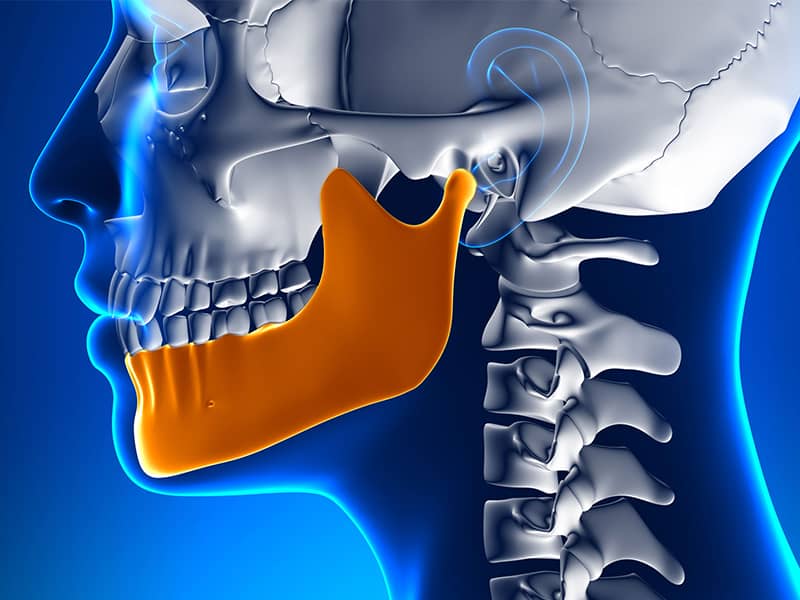

A single tooth implant is a commonly preferred method in modern dentistry to replace a missing tooth. In this procedure, an implant made of titanium is placed in the jawbone to fill the gap left by the lost tooth. After the implant has fully integrated with the jawbone, a custom dental crown is added on top. Compared to traditional bridge applications, this method is less invasive, preserves surrounding teeth, and helps prevent bone loss. The single tooth implant, which offers advantages in terms of aesthetics and functionality, is considered a treatment option with high success rates in scientific studies.
What is a Single Tooth Implant?
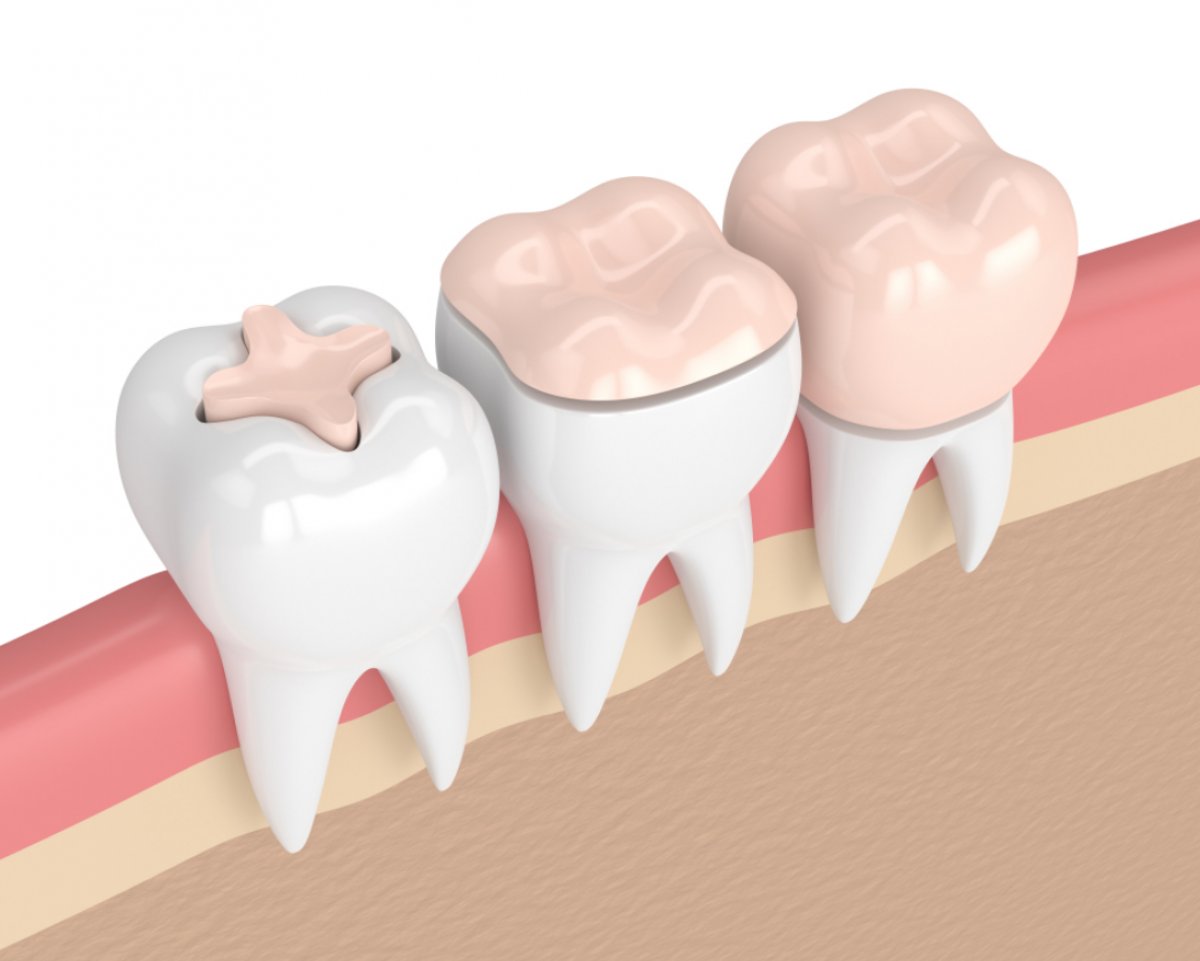
A single tooth implant is a surgical treatment method that places a structure similar to the missing tooth in the jawbone, ensuring both functional and aesthetic resemblance. The implant, which establishes a strong connection with the jawbone, provides a permanent solution without harming adjacent teeth. The single tooth implant consists of components such as the implant screw and porcelain crown. Each component has a specific role in ensuring the functionality and aesthetics of the implant.
Each of these components must work together compatibly for a successful implant treatment. The implant screw forms a strong foundation by integrating with the jawbone, while the connection piece links the implant to the porcelain crown. The porcelain crown mimics the appearance of a natural tooth and meets the aesthetic expectations of the individual.
Who is a Suitable Candidate for a Single Tooth Implant?
A few important criteria are considered in determining suitable candidates for a single tooth implant. Firstly, individuals who have good oral health and do not have gum disease are more suitable for this treatment. Maintaining gum health supports the successful placement and healing of the implant. Individuals who pay attention to oral hygiene are more protected against the risk of implant infection, and the treatment process proceeds more smoothly.
Secondly, sufficient density and volume in the jawbone are important for the stability of the implant. In cases of bone loss, a bone graft may be necessary before treatment.
The overall health condition is another criterion that needs to be evaluated. For individuals with chronic illnesses or weaknesses in the immune system, the success of the implant may be at risk. Therefore:
-
\t
- Diabetes
- Cancer
- Issues with the immune system
\t
\t
Individuals with such conditions must definitely consult their doctors before treatment.
Lifestyle also affects the success of treatment. Especially for smokers and those who consume excessive alcohol, the healing process may be slower. Therefore:
-
\t
- Smoking
- Excessive alcohol consumption
\t
Candidates who have these habits should consider reducing them before treatment.
What Are the Advantages of Choosing a Single Tooth Implant?
A single tooth implant offers an aesthetic, functional, and health-oriented solution for completing a missing tooth. Unlike traditional bridge applications, it protects neighboring teeth, supports the health of the jawbone, and is highlighted by its longevity. Some of the advantages of this treatment are as follows:
-
\t
- Neighboring teeth are protected
- Bone loss is prevented
- Natural and aesthetic appearance is achieved
- Speech and chewing function is supported
- Provides long-lasting durability
- Facilitates oral hygiene
\t
\t
\t
Single tooth implants are directly placed into the jawbone, making them compatible like natural tooth roots, which prevents the bone from thinning over time. As an aesthetic advantage, they contribute to a natural appearance especially in cases of missing front teeth. Another important feature of single tooth implants is that they offer ease of maintenance; since adjacent teeth are not affected, each tooth can be easily cleaned with dental floss and brushing.
What Does the Single Tooth Implant Procedure Involve?
The single tooth implant procedure provides a step-by-step treatment process to replace a missing tooth. This process aims for the implant to integrate completely with the jawbone and for the crown structure to achieve a natural appearance. Each step requires careful planning, and the patient’s oral health is monitored throughout the procedure.
The single tooth implant procedure generally consists of the following steps:
- Initial examination
- Oral cavity check
- Imaging techniques
- Tooth extraction if necessary
- Assessment of bone structure
- Bone graft if necessary
- Implant placement
- Osseointegration process
- Abutment placement
- Preparation of the prosthetic tooth
- Placement of the prosthetic tooth
One of the most critical stages of the procedure, osseointegration ensures that the implant fully fuses with the jawbone, providing a permanent solution. During this period, the bonding of the implant is ensured and the healing of the gums is expected.
After the upper structure of the implant is completed, a prosthesis compatible with the patient’s own tooth is made and placed on the abutment piece. This prosthesis is designed to resemble a natural tooth in terms of aesthetics and function.
What are the Possible Risks and Complications of a Single Tooth Implant?
Although single tooth implant application is considered a successful treatment method for individuals with tooth loss, it involves some risks and complications. It is crucial for both the patient and the dentist to minimize the likelihood of these complications and manage them correctly if they occur. Here are the potential risks and complications that can be encountered with single tooth implants:
-
\t
- Risk of infection
- Nerve damage
- Excessive bleeding
- Implant mobility
- Issues with the gum flap
- Peri-implant mucosal inflammation
- Peri-implantitis
- Fracture of the implant
- Loosening/fracture of the screw or abutment
- Soft tissue recession
- Overheating or fracture of the prosthesis
- Allergic reactions
\t
\t
\t
\t
\t
\t
\t
\t
\t
\t
\t
Various management strategies are required to cope with these complications. A detailed planning process prior to implant treatment should examine the patient’s overall health status and oral structure. Proper application of surgical techniques and adherence to sterilization rules reduce risks such as infection and bleeding. Post-treatment care is fundamental to minimizing complications; the patient should be provided with advice on oral hygiene, nutrition, and daily care.