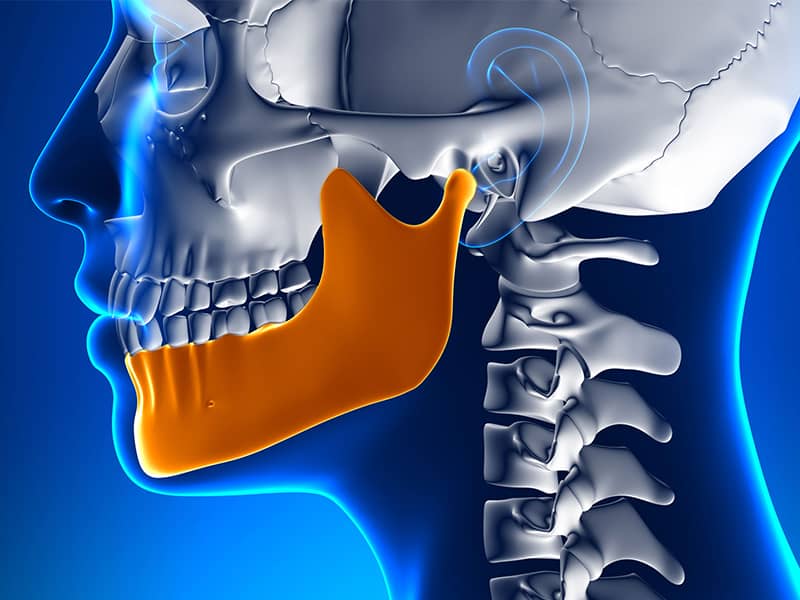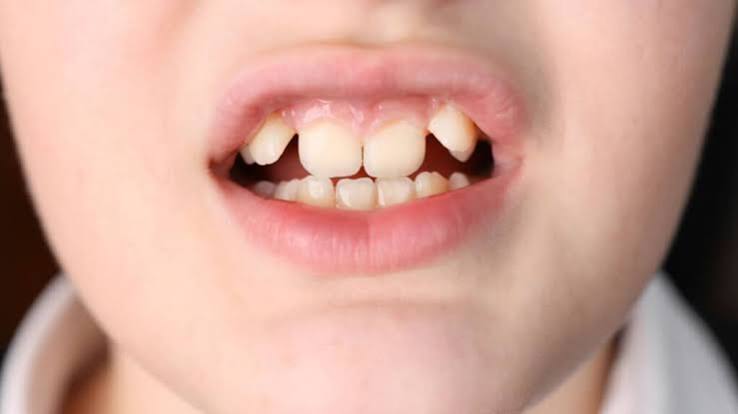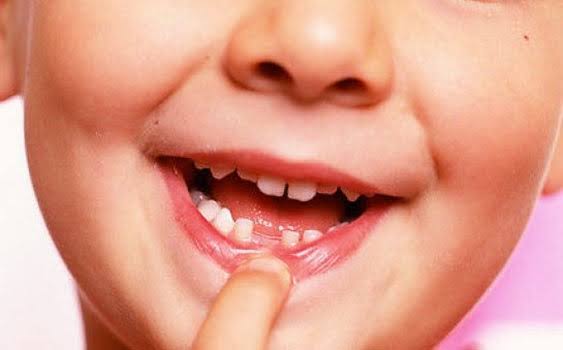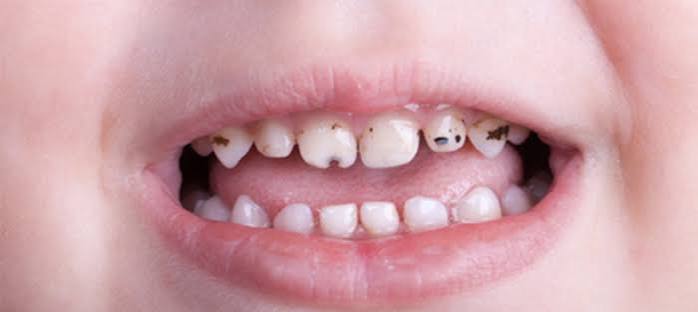

The placement of dental implants in young individuals can vary depending on whether the development of the jawbone is complete. In girls, jawbone development usually completes around the age of 16, while in boys it is around 18. Implant treatment performed before these ages can lead to various problems because bone development is still ongoing. It is not recommended to place implants in individuals whose jawbone development is still in progress; therefore, it is advisable to wait until development is complete for implant applications. For those considering implant treatment at a young age, the ideal age range is after these ages when the jawbone is fully matured.
What are Dental Implants and How Do They Work?
Dental implants are artificial roots placed in the jawbone to replace missing teeth and are frequently preferred for the functional and aesthetic restoration of missing teeth today. These implants are usually made of titanium because this material is biologically compatible with the body and has a long lifespan. Implants integrate with the jawbone through a process called “osseointegration.” Thanks to osseointegration, the stability of the implant is ensured and the natural structure of the tooth is mimicked.
The implant process consists of the following basic stages:
-
\t
- Initial evaluation
- Placement of the implant
- Healing process
- Placement of the abutment
- Installing the crown or bridge
\t
\t
\t
\t
For the success of the implant passing through these stages, the bone structure of the patient as well as their overall health status is important. To ensure the longevity of the implant, attention must be paid to oral hygiene, smoking should be avoided, and health issues such as diabetes should not be present. The modern materials and surface technologies used in implant procedures are factors that increase the success of the process.
At What Age Does Jawbone Development Finish for Dental Implants?
For dental implants to be healthy and long-lasting, it is important for jawbone development to be complete. In women, jawbone development usually ends between the ages of 16-18, while in men, this process is completed between the ages of 18-20. This difference is due to the longer duration of the male puberty process. Implant procedures performed before the jawbone is sufficiently mature can lead to various problems due to the continued development of the bone.
Example Problems:
- Implant slippage
- Incorrect positioning
- Failure of the treatment
If implant treatment is considered at a young age, the development of the jawbone must definitely be evaluated.
Why is it Important to Wait Until the Jawbone Matures?
Dental implants placed before the jawbone has completed its development can lead to various complications due to ongoing bone growth. The most common issue among these complications is misalignment and relocation of the implant caused by continued jawbone growth. This situation can lead to undesirable aesthetics as well as negatively affect the functionality of the implant. As the jawbone grows, it becomes harder to maintain the implant’s position, which may require additional interventions. Early implant procedures can carry these risks:
- Incorrect alignment
- Aesthetic issues
- Loss of function
- Peri-implant bone loss
- Additional corrective procedures
In addition to these risks, the dynamic changes in the jawbone during growth may complicate the implant’s integration into the bone.
What Are the Alternatives to Dental Implants for Young People?
Providing temporary solutions when dental implants cannot be placed in young individuals is of great importance in meeting aesthetic and functional needs. Various alternative treatment methods are available for young individuals whose jawbone development is not complete. These methods not only conform to the anatomical structure of the mouth but also reduce the functional and aesthetic losses caused by gaps from missing teeth throughout the developmental process. The main alternatives recommended for young people are as follows:
- Removable Partial Dentures (RPD): This is an option for young people that does not require surgical intervention.
- Adjustable Dentures: These can easily be rearranged to adapt to changes in jaw structure.
- Cost Effectiveness: They offer a lower cost compared to fixed dentures.
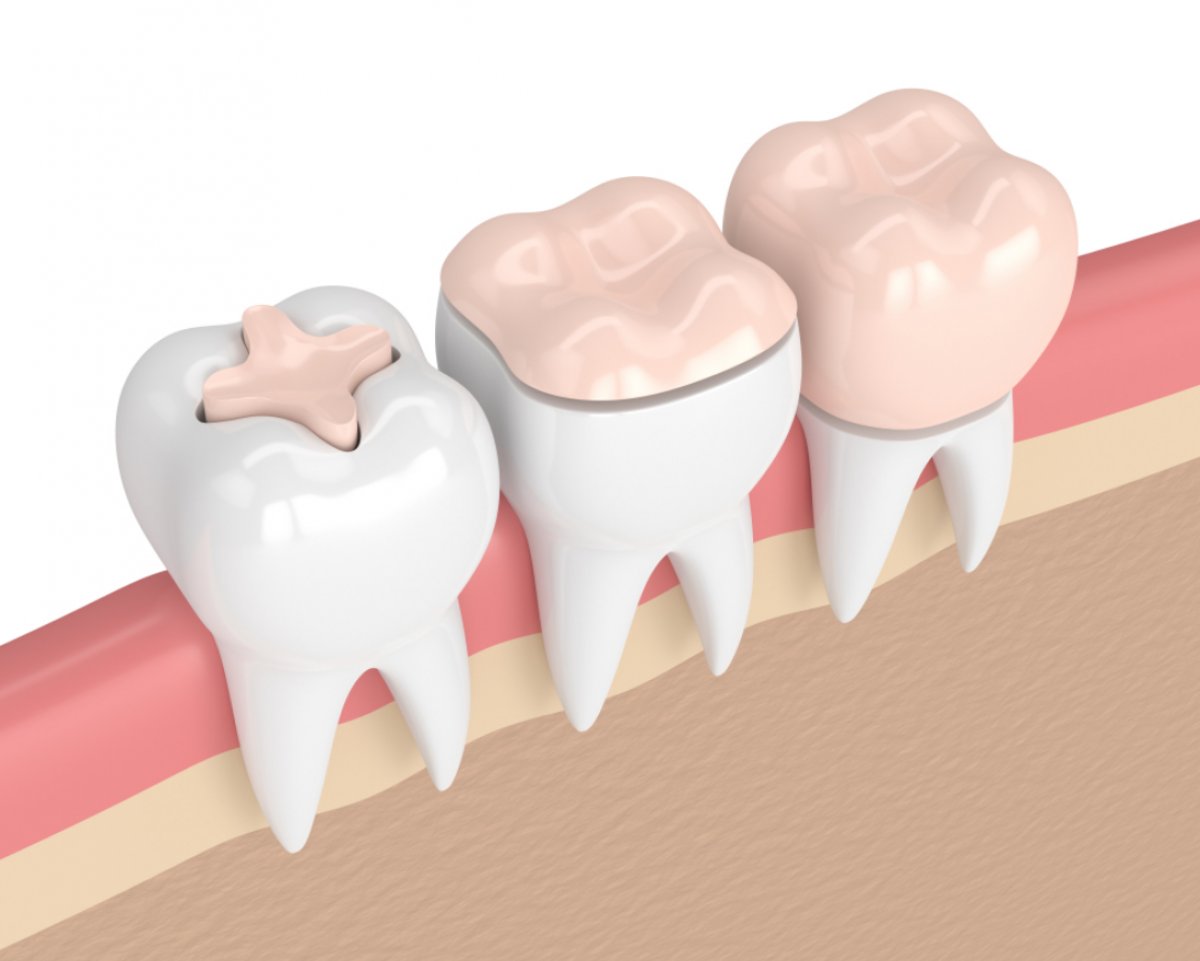
Additionally, Dental Bridges provide a permanent and stable solution for young individuals. This prosthetic method aesthetically covers the gap by securing missing teeth to the adjacent natural teeth. Dental bridges fill the space of the missing teeth without affecting jawbone development and provide a functional solution.
- Fixed Solution: More durable as it is cemented in place.
- Aesthetic Appearance: Can be designed to match natural teeth.
- Bridges Requiring Minimal Tooth Preparation: Address missing tooth issues without damaging young individuals’ tooth structure.
Another alternative is the procedure known as Autotransplantation. This method is used to utilize the teeth of young individuals that are in the process of development. When correctly applied, the transplanted tooth integrates into its new location and offers a functional solution.
- Utilizing Their Own Tooth: Ensures the use of teeth from areas that are not visible.
- Compatible with Development Process: Allows for the relocation of teeth whose root development is not yet complete.
One alternative method to provide temporary solutions for tooth loss in young individuals is Orthopedic Care. This approach preserves tooth gaps for future treatments and supports jaw development with the help of orthodontic devices.
How Can Young Individuals Prepare for Future Dental Implants?
In order for young individuals to prepare for future dental implants, they need to maintain oral health and closely monitor jaw development. Optimally preparing the mouth and dental structure before implant application contributes to achieving more successful results in the future. Some basic habits towards oral health provide a solid foundation for implants:
-
\t
- Regular tooth brushing and flossing
- Protecting gum health
- Annual or biannual dental check-ups
- Avoiding tobacco and alcohol consumption
- Healthy and balanced diet habits
\t
\t
\t
\t
In addition to these, strengthening bone structure by protecting oral health will prepare the best ground for future implants. Monitoring jaw development during adolescence and regularly consulting with dentists during this process contributes to keeping the jaw structure in the best condition. Moreover, maintaining the alignment of teeth with temporary solutions ensures the necessary conditions for the implant process.