Izmir Dental Implant Types
The compensation of tooth loss occurring in the human skeletal structure has evolved beyond being a singular standardized screw in modern dentistry. The human jaw is a dynamic biomechanical system that encompasses complex restrictions such as varying bone density in different regions, vertical and horizontal volumetric resorption (atrophy), sinus cavities, and nerve networks.
What Are the Types of Izmir Dental Implants and How Are They Classified According to Anatomical Placement?
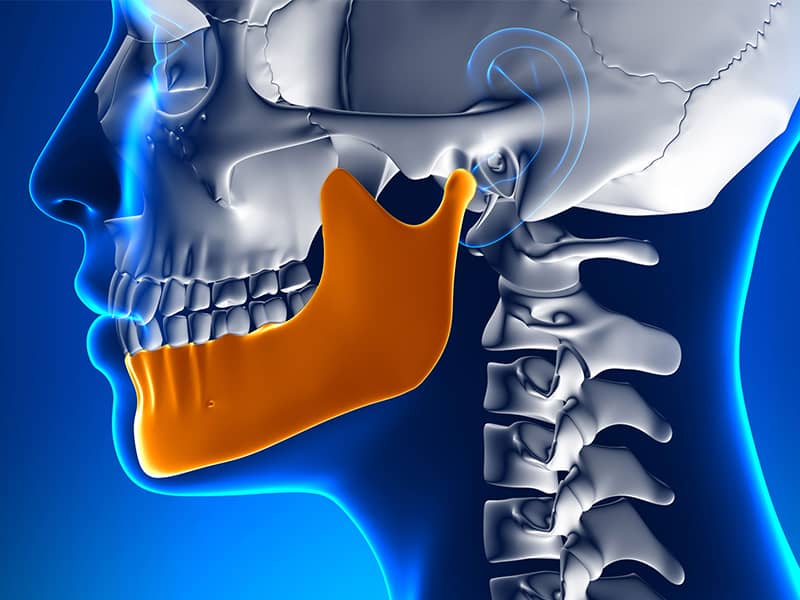
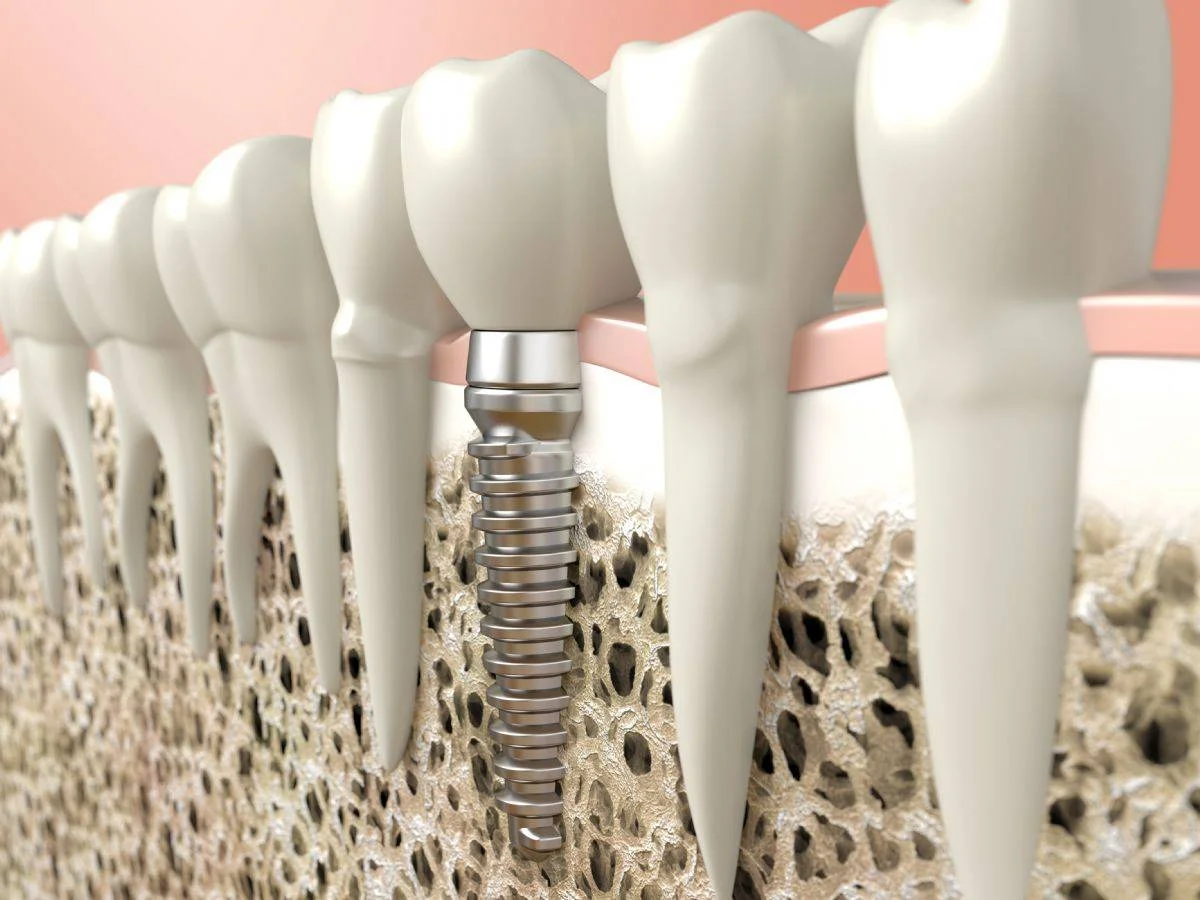
Medical designs in dentistry are based on the philosophy of conforming to the existing structure of the jawbone. Endosteal structures, which are directly implanted by creating a socket (socket) in the bone, are forms that closely mimic the natural biomechanics of a human tooth. These structures can be designed as screws, cylinders, or blades; today, screw-shaped grooved designs that exhibit the highest cellular retention (osteointegration) are recognized as the universal standard.
Subperiosteal systems were developed in the early periods of medical history as metal frameworks designed according to the shape of the jawbone in cases where it was anatomically impossible to access the inside of the bone (where the bone completely dissolves). Although the use of subperiosteal methods has become quite limited with the development of bone powder (graft) surgeries today, modern medicine considers three-dimensional titanium cages produced custom-made for individuals using advanced CAD/CAM technologies as a functional option in cases of severe atrophy.
What Biological Properties Do Titanium Alloy Dental Implants Types Have?
Foreign bodies implanted into the body tend to be isolated and rejected by defense cells (macrophages) under normal conditions. The revolution of titanium in the medical world lies in its ability not to trigger this rejection mechanism. When titanium surfaces come into contact with oxygen, they create a microscopic rust (oxide) layer within microseconds; the human organism accepts this layer as a neutral surface and does not form an inflammatory sheath around it.
From a biomechanical perspective, jaw muscles (masseter and temporal muscles) produce forces weighing hundreds of kilograms during the act of chewing. Grade 4 titanium, due to its high chemical purity, maximizes the adhesion of bone cells to the surface; Grade 5 titanium alloys, through the additional elements they contain, offer much higher resistance to fracture (flexural) stress. Particularly, Grade 5 alloys are considered the preferred medical option by doctors to limit the risk of fracture in thin materials to be placed in narrow bone areas.
In Which Clinical Scenarios Are Zirconium (Ceramic) Dental Implant Types Planned?
The intersection of aesthetics and biological compatibility in dental material science is the development of zirconium oxide (ZrO2) ceramics. Although rare, clinical tests may reveal that some individuals develop allergic sensitivity at the macrophage (cellular) level against titanium or other metal elements within it. In these individuals, the use of titanium can lead to chronic inflammation (redness) in the gum, which is why completely metal-free zirconium root systems are implemented.
The contribution of zirconium in aesthetic area surgery is significant. In areas where the anterior incisors are located, the bone and mucosa are generally thin. When a titanium screw is placed, a grayish or purplish hue may reflect from the tissue. Since zirconium structures are white/ivory in color, they appear like a natural tooth root beneath the gum. At the same time, their glassy structure, which is unsuitable for plaque and bacteria accumulation, acts as a physiological barrier that limits the development of bone loss inflammation known as “peri-implantitis.”
What Physiological Cases Are Mini Dental Implants Used for in Jaw Surgery?
In clinical practice, it is often encountered that the jawbone does not always have the volume to accommodate standard thickness (4-5 mm) titanium screws. In the anterior region of the lower jaw, where the bone is as thin as the edge of a knife (crest narrowing), it is necessary to perform bone augmentation surgeries to place standard material. However, if the patient’s general health condition, blood profile, or healing capacity is not at a level to withstand this advanced surgical stress, the physician will opt for the “mini implant” option with respect for the tissue.
Mini structures produced by joining with an abutment are adapted to the bone by creating a very fine socket. Due to their slimness, their tensile strength is inferior to standard components, which is why they cannot be used to create a single tooth (crown). Generally, 4 of these are placed parallel to each other in the lower jaw, aiming for the patient’s loosely moving and non-retentive removable (denture) prosthesis to be seated on these mini screws with clip-on lock mechanisms. Thus, with minimal surgical intervention, the patient’s nutrition and speech comfort is enhanced to medical standards.
How Does Short Dental Implant Types Function Medically in Anatomical Constraints?
The traditional dental approach which suggested that materials placed inside the bone should be at least 10-12 mm long has been challenged by biomechanical research. Force distribution studies have proven that the stress during chewing is encountered in the first 3-4 millimeter area of the neck (crest) where the material first enters the bone rather than the tip of the material.
| Medical Condition / Risk Factor | Long Material & Graft Surgery Approach | Impact of Short Material Use |
|---|---|---|
| Proximity to the Nerve Canal (Lower Jaw) | It requires traumatic procedures such as block grafting (transplantation) or repositioning the nerve canal to form vertical bone. | Placing into an existing 5-6 mm bone reduces the risk of nerve damage and temporary/permanent numbness (paresthesia) to zero. |
| Sinus Lifting (Upper Jaw) | The sinus membrane is lifted, bone powder is added, and an additional 6-8 months is waited for regeneration. | By only anchoring to the existing cortical bone (without entering the sinus cavity), the biological repair timeline is shortened. |
Why are Zygomatic Dental Implant Types Preferred in Upper Jaw Atrophies?
The prolonged absence of teeth for decades causes the spongy structure of the upper jaw to dissolve into a thin layer. In these extreme anatomical situations where individuals experience clinical despair stating “I can no longer have teeth made,” maxillofacial (jaw-face) surgical protocols come into play. The zygomatic bone (cheekbone) is an extremely hard and non-resorbable (not dissolving) anatomical foundation where chewing muscles are attached in the cranial skeleton.
The surgical procedure is performed under general anesthesia or deep sedation. These special structures, which are four to five times longer than normal titanium screws, are positioned by passing through the outer wall of the sinus cavity and are anchored to the body of the zygomatic bone. Thanks to the hardness of the bone, materials are fixed so rigidly (immobile) that without waiting for ossification months (with the immediate loading principle), temporary fixed teeth are screwed into the patient’s mouth, restoring function medically on the same day.
What Alternative Do Pterigoid Tooth Implant Types Create in Posterior Region Surgery?
The parts of the upper jaw where the molars are located are places where mechanical forces are felt most intensely. Inadequacies in this area traditionally lead surgeons to add bone powder. However, some patients may have chronic thickening of the sinus mucosa, have experienced sinusitis, or harbor cystic lesions; performing bone powder surgery on these tissues increases the risk of infection.
Within the framework of the philosophy of respecting tissue anatomy (minimal manipulation), surgeons target the healthy skeletal structure (processus pterygoideus) behind, completely bypassing the sinus cavity. This bony column is resistant to resorption and has a compact structure. Long and specially threaded pterigoid screws are anchored to this column at specific angles up to 45 degrees, directly transferring the chewing stress in the posterior regions to the base of the skull. This protocol is a sophisticated medical alternative that preserves the patient from waiting for months for sinus healing.
What Types of Dental Implants Are Used in All-On-4 and All-On-6 Concepts?
Placing a material for each missing tooth to rehabilitate an entire jaw can compromise the blood supply of the jawbone, risking tissue health. The “All-on” philosophy is based on creating a biomechanical arc (polygon) by strategically placing material only at the points of the jaw that harbor the densest bone (usually the anterior area).
-
\t
- Anatomical Protection: Placing screws in the posterior region at a backward-angled (angled) position ensures mechanically passing over the nerve holes in the lower jaw (mental foramen), and the anterior walls of the sinus in the upper jaw.
- Force Distribution: Angled placement shortens the cantilevered posterior extensions of the prosthesis, distributing the support taken from the anterior region to the back side of the jaw through a biomechanical bridge.
- Thread Design: The external threads of the screws used in this concept progress by compressing the bone rather than cutting it; thus, it allows for immediate prosthesis placement even in spongy bone with high Newton values.
\t
\t
How Do Implant Surface Coatings (SLA, SLActive, etc.) Determine the Healing Period?
The bonding of titanium to bone (ankylosis) is not a physiological process that can be ignored; the pinnacle of material science is surface engineering. When a dull and shiny titanium screw is placed into the bone, cells cannot find areas to adhere to. Titanium screws on the production line are first sandblasted with coarse alumina particles, creating macro-porosities; then they are cleaned in special acid baths to create micron-sized craters where cells can adhere (SLA surface).
In the latest generation hydrophilic (water/loving) surfaces, titanium is kept in saline solutions or special solutions, preventing contact with carbon molecules in the air. The moment these screws are placed in the bone, the surrounding blood clot is almost absorbed into their pores like a sponge (capillary effect). The fibrin mesh and repair proteins in the blood wrap around the titanium within seconds. Due to this biological activation, the usual three-month cellular maturation period can be compressed into four to six weeks on medical timelines.
How are Custom Dental Implant Types Planned in Izmir Avrupadent Clinics?
In the medical philosophy adopted by corporate organizations, a standard, one-size-fits-all material selection cannot be made for every patient. The diagnostic process is operated using a data-driven biomechanical algorithm. The three-dimensional radiological scans (CBCT) reveal the internal structure of the bone in slices (cross-sectional). The physician overlays the virtual copy of the planned screw onto the bone image displayed on the computer screen.
If the cortical (outer hard) layer of the bone is thin and the inner part is very spongy, aggressive screw types with wide gap intervals that enhance retention are selected. If the jawbone is very hard and compact, cylindrical screws with non-sharp ends are preferred to avoid fracturing the bone. If severe teeth grinding history (bruxism) is detected in the patient’s jaw closure (occlusion), designs made of Grade 5 titanium, which have thicker bonding walls and high fracture tolerance, are added to the surgical report to minimize medical error margins.
Which types of dental implants carry medical priority for individuals with systemic diseases?
Oral surgery is not an isolated area with respect to the body’s overall connections and repairs. In patients with type 2 diabetes, high circulating glucose molecules in the blood slow down the closure of wounds and the arrival of bone-forming cells to the area by disrupting protein synthesis. Similarly, in patients with osteoporosis, the rate of cellular remodelling is diminished.
In individuals with these systemic constraints, it is a priority for the physician to lighten the physiological burden on the body. Advanced surgical bone powder (augmentation) procedures are chosen with designs that ensure compatibility with the existing bone, avoiding those that increase infection risk, such as ‘short’ or ‘open’ configurations. As surface characteristics, hydrophilic active surfaces are employed, which rapidly attract blood to initiate coagulation and vascularization, thereby providing a cellular boost to the weak integration system and ensuring the operation is within medical safety protocols.
How Do the Climate and Nutrition Culture of İzmir Affect the Types of External Implants?
Although inorganic systems placed in the jawbone do not decompose, they are directly influenced by the biochemical map of the oral flora. The local diet determines the pH value of the tartar and the nature of the bacterial film layer that will form on the prosthesis. Not brushing after the consumption of acidic foods allows microorganisms to organize in the neck area (sulcus) between the prosthesis and the gum.
The long-term chewing of hard foods (shearing force) is a factor that accelerates metal fatigue on titanium screws, especially in thin-walled or winged (cantilever) prosthetic designs. Medical organizations analyze local dietary habits through medical history forms; if high mechanical stress is anticipated in the patient’s dietary profile, they design monolithic (single-piece) superstructures and thick-walled internal screws. Water flossers used during maintenance procedures and bi-monthly clinical cleanings serve as the most fundamental physiological shield that protects the surrounding tissue of all types of implants from peri-implantitis (bone loss).