
Clear aligners are a modern orthodontic solution used to align misaligned teeth. Made from thermoplastic materials such as polyurethane or PETG, these aligners are designed specifically for the individual and are removable. As an alternative to metal braces, clear aligners are preferred for the treatment of mild to moderate teeth misalignments by applying controlled forces to gradually shift the teeth into the desired position.
[block id=”call-to-action-v2″]
What are Clear Aligners and How Do They Work?
Clear aligners provide an invisible alternative to traditional braces, offering an aesthetic and comfortable orthodontic solution. They are usually made from durable, flexible thermoplastic materials like polyurethane or PETG. They apply gentle pressure to the teeth, gradually moving them into the desired positions over time. Each set of aligners is personalized according to the patient’s needs through digital modeling and 3D visualization technology, allowing for a gradual and controlled tooth movement.
Main advantages:
- Stand out with aesthetic appearances
- Provides comfortable use
- Easily removable for eating and cleaning
- Facilitates maintaining oral hygiene
Clear aligners work by utilizing the natural bone remodeling process of the teeth. The pressure applied by the aligners creates tension and compression on the periodontal ligaments, leading to bone remodeling through the action of osteoclasts and osteoblasts. With this controlled process, the teeth move approximately 0.25 mm towards the target positions with each aligner change.
Clear aligners are especially preferred among young people and adults due to ease of adhering to oral hygiene and aesthetic concerns. However, to achieve effective results, it is important for users to wear the aligners for 20-22 hours daily. In complex cases, support may be provided with elastics or additional components; however, traditional braces may be more suitable for severe alignment issues.
What Dental Issues Can Clear Aligners Effectively Treat?
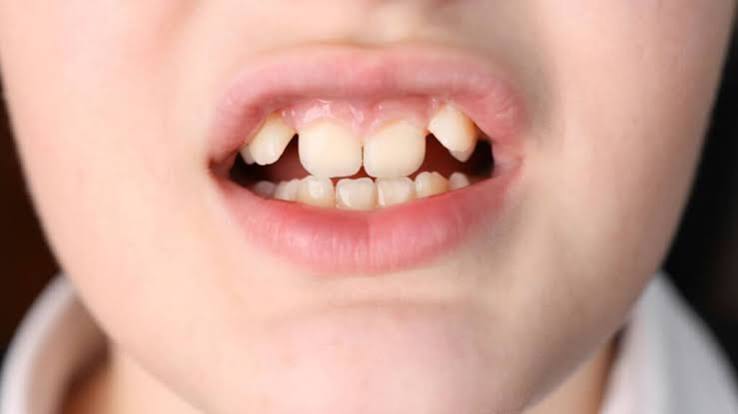
Clear aligners are orthodontic devices that are effective in treating mild to moderate teeth alignment issues. These aligners can correct various types of malocclusion by directing the teeth gradually toward their target positions with controlled forces.
The dental issues they can treat include:
-
\t
- Teeth crowding
- Spacing between teeth
- Rotations
- Overbite (deep bite)
- Underbite (lower jaw prominence)
- Crossbite
- Open bite
- Mild jaw expansion
\t
\t
\t
\t
\t
\t
\t
In some cases, clear aligners can provide higher accuracy with additional orthodontic support and may be sufficient only for mild cases. When extensive movements, large gaps, or severe teeth rotations are required, support with traditional brackets may be necessary.
How Are At-Home Aligners Compared to Clinical Treatments?
At-home clear aligners and clinical treatments such as Invisalign and ClearCorrect have noticeable differences from the user’s perspective. Both options offer various advantages, but they differ in terms of cost, convenience, and monitoring, making them suitable for different orthodontic needs.
At-home use: No office visit required
Clinical treatment requires check-ups every 4-10 weeks
Home use: Remote virtual check-ups are conducted
Clinical treatment: Offers face-to-face assessments
Home use: Suitable for mild to moderate issues
Clinical treatment: Used for moderate to severe cases
Clinical treatment: Can include appliances and special devices
In-office clear aligner treatments offer the safety and close monitoring necessary for more complex cases. This option allows for regular professional evaluations, providing early detection of complications such as root resorption. However, clear aligners used at home are suitable for users wanting to manage their treatment from home but involve less supervision; this places greater responsibility on the user’s self-discipline.
What are the Advantages and Disadvantages of Using Clear Aligners?
Clear aligners offer different advantages and disadvantages compared to traditional brackets, which can highlight them in some orthodontic treatment processes while limiting their effectiveness in others.
Advantages:
- Aesthetic appearance
- Comfort
- Ease of maintaining oral hygiene
- Fewer visits to the dentist
Thanks to these benefits, clear aligners are particularly appealing for adult and young users who have aesthetic concerns. Their nearly invisible appearance, ease of use, and removable nature allow users to comfortably choose these aligners in their daily lives. Moreover, their removability makes it possible to temporarily take them out while eating or during special events, providing extra comfort in social settings.
Disadvantages:
- Limitations for complex cases
- High cost
- Requirement for regular use
- Risk of loss or damage
The fact that clear aligners may not be suitable for every orthodontic case is an important limitation. In particular, teeth with severe crowding or significant gaps may require additional attachments or a more intensive treatment process. The removability of the aligners can affect the effectiveness of the treatment, depending on the user’s discipline.
Are Clear Aligners Safe and Effective?
Clear aligners have proven themselves as a safe and effective treatment option compared to traditional braces. They provide similar results in treating many dental issues such as spaced teeth and mild to moderate malocclusion, achieving high satisfaction rates among users.
The advantages include:
- Comfortable use
- Easy removability
- Shorter appointment time
Two leading clear aligner systems, such as Invisalign and ClearCorrect, have different qualities regarding materials and monitoring options. Invisalign, with its proprietary material called SmartTrack and SmartForce attachments, provides more precise tooth movement. This feature can be particularly beneficial for patients needing complex corrections like rotations and vertical movements. Additionally, the integration of DentalMonitoring with Invisalign allows for remote tracking of the treatment process and can reduce the number of appointment visits. This feature is only available with certain providers.
ClearCorrect, considered a more budget-friendly option, offers different treatment options. For example, the ‘FLEX’ option is suitable for minor corrections, while the ‘UNLIMITED’ option caters to more extensive cases. However, ClearCorrect does not support remote monitoring during the treatment process.
It is quite important to use a retainer to prevent teeth from returning to their original positions in the post-treatment period. Patients are advised to continue using it at night for a full day after the initial treatment. Regular check-ups every six months help maintain alignment and make necessary adjustments to the retainer when needed.