Unsuccessful root canal treatment can be a concerning situation for many people. After root canal treatment, symptoms such as pain sensitivity or swelling in the gums may be observed. This situation may indicate that the infection in the treated tooth wasn’t completely cleared or has reappeared. Notably, changes in the tooth color coupled with hot and cold sensitivity and inflammatory swelling are among the indicators of unsuccessful treatment. When facing such symptoms, it is essential to consult a dentist without delay. Early intervention can prevent the progression of problems.
Why Does Pain Continue After Root Canal Treatment?
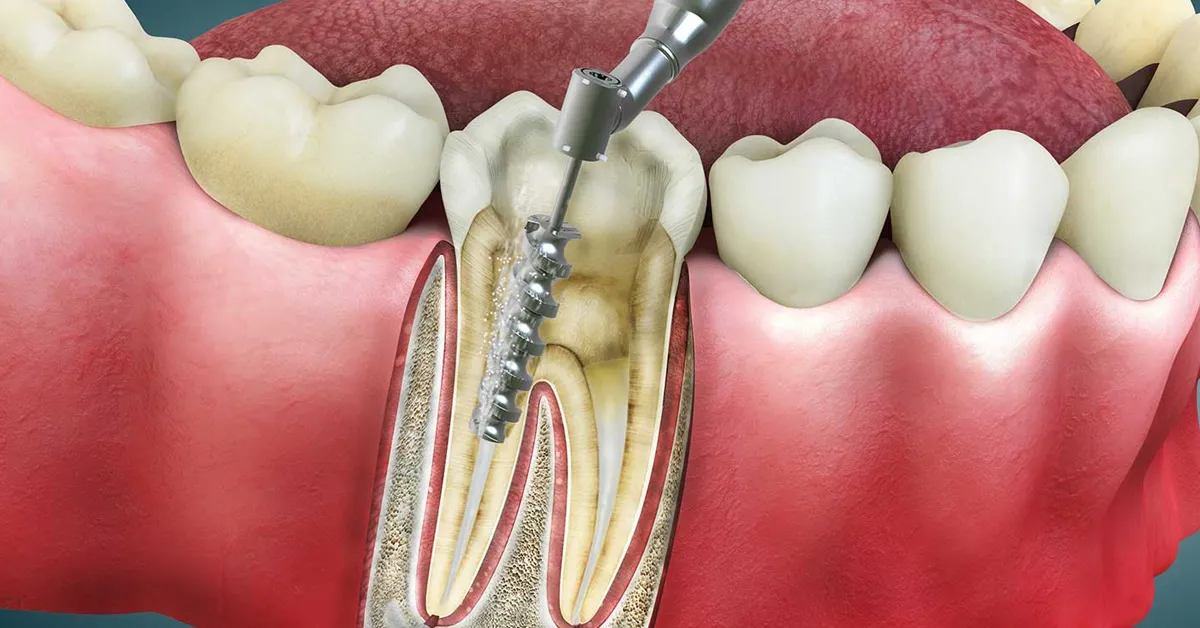
The continuation of pain after root canal treatment can arise from several factors and should be evaluated carefully. This situation generally occurs due to certain deficiencies encountered during the cleaning or sealing phases of the canal. Ongoing pain in the tooth can result from not completely cleaning all root canals during treatment, missing some canals during treatment, or failing to ensure airtight seals in restoration procedures.
-
\t
- Post-treatment pain
- Incomplete cleaning of the canals
- Missed canals
- Insufficient sealing
- Re-infection
\t
\t
\t
\t
It is important to remove all infected tissues from the tooth during root canal treatment and to properly seal all canals. To prevent reinfection in the tooth, restoration procedures such as fillings or crowns must be applied correctly after treatment. Especially in cases where the root canal structure is complex, some canals may go unnoticed, which can increase the risk of reinfection. If the infection does not completely disappear, pain may continue; therefore, it is important to consult a dentist if symptoms are encountered after treatment.
What Does Gum Swelling Indicate About a Failed Root Canal Treatment?
The appearance of swelling in the gums after root canal treatment means that the infection in the tooth was not cleaned or has reoccurred. This situation, resulting from the spread of infection from the tooth roots to the surrounding tissues, is one of the most prominent signs of a failed root canal treatment. If microorganisms were not sufficiently eliminated during treatment or the canal was not fully filled, the infection may return over time, leading to noticeable swelling in the gums.
The causes of formation are as follows:
- Insufficient canal cleaning
- Missed accessory canals
- Insufficient filling material
- Complex anatomy of the canal
As the infection progresses, the swelling in the gums may increase and can lead to abscesses. The formation of a pus-filled pouch or an inflamed area resembling a pimple in the gums is also a common symptom. These abscesses tend to spread in the tissues surrounding the tooth and, if the inflammation is not controlled, can lead to serious oral health issues. Sensitivity accompanied by swollen gums, pain, or throbbing is also an indication that the infection has progressed. In such a case, retreatment of the root canal or application of other treatment methods may be necessary.
Is the change in tooth color a sign of the failure of root canal treatment?
A change in tooth color does not always indicate the failure of root canal treatment. The darkening or graying of a tooth after treatment is often a direct result of the therapy and can arise from various causes. This color change originates from certain biological and chemical interactions within the tooth’s internal structure and may lead to the formation of internal stains after treatment.
Some common causes that may lead to color changes include:
- Remaining tissues
- Canal filling materials
- Loss of pulp pressure
The color changes that arise from these causes are often perceived solely as an aesthetic issue and do not pose a threat to health. However, if, alongside color change, other symptoms such as pain or sensitivity in the tooth occur, it should be considered that reinfection may have developed in the tooth. This situation may require the renewal of root canal treatment or additional interventions.
Whether the change in tooth color indicates the failure of the treatment can only be determined definitively through a detailed examination by the dentist.
How does tooth sensitivity play a role in identifying complications of root canal treatment?
Tooth sensitivity is one of the most common complications that can be observed after root canal treatment and plays an important role in understanding whether the treatment was successful. If the tooth reacts excessively to cold, heat, or pressure after treatment, it may indicate that certain stages of the root canal treatment were not adequately completed or that an unexpected complication has arisen. This may be due to the presence of bacteria remaining in the canal or the existence of side channels that could not be fully cleaned. Some causes that may lead to sensitivity in the tooth are:
- Failure to completely clean the canal during treatment
- Presence of hidden side channels inside the tooth
- Incomplete closure of the canal
- Improper placement of the filling
- Punctures occurring in the canal wall
- Fracture of instruments inside the root canal
Early detection of these types of sensitivity in the tooth is a critical clue in understanding whether the treatment has been successful. In some cases, sensitivity may be temporary and can decrease within a few days. However, if sensitivity persists, it may require reconsideration of the root canal treatment. Especially in cases of recurring or increasing sensitivity, the intervention of a dentist is crucial.
When Should You Consult Your Dentist if the Root Canal Treatment is Likely Unsuccessful?
Some signs indicating that the root canal treatment may be unsuccessful are important symptoms to be aware of after treatment. If the healing process in the treated tooth is not progressing as expected, certain symptoms may clearly indicate this situation and require immediate professional intervention. If you encounter the following symptoms, you may need to consult your dentist without delay:
- Persistent pain
- Discomfort during chewing
- Swelling of the gum
- Sensitivity to hot or cold foods
- Formation of an abscess on the gum
- Darkening or discoloration of the tooth
The healing process after root canal treatment can vary from person to person, but it is not normal for pain or discomfort to last more than a few days. Symptoms such as significant sensitivity in the gum tissue or abscess can indicate that the infection has not been completely cleared or has returned. A noticeable color change in the tooth may suggest an issue with the nerve tissues in the treated area. Such situations should not be ignored; to ensure the long-term success of root canal treatment, it is essential to consult a dentist as soon as possible.