
Protecting our oral and dental health is one of the cornerstones of our overall health. The concepts of plaque and tartar (dental calculus) have been familiar to most people; however, it is not well known why these two differ and which one can lead to more dangerous consequences. In short: plaque is a soft and sticky layer formed by bacteria. If not cleaned in time, it hardens into tartar due to the minerals present in saliva. Thus, plaque is a layer that can easily accumulate on tooth surfaces and be removed relatively easily through methods such as brushing or flossing, whereas tartar has become a much more resilient structure that cannot be removed by brushing and requires professional intervention. Both formations can lay the groundwork for various dental and gum problems.
| Feature | Plaque | Tartar (Dental Calculus) | ||
| Definition | A sticky, colorless layer formed by bacteria that accumulates on the surface of teeth. | Hardened and calcified plaque accumulation over time. | ||
| Formation Process | Food debris combined with saliva forms plaque within a few hours. | Plaque can harden within a few days and turn into tartar. | ||
| Color | Usually colorless or light yellow. | Can be yellow, brown, or greenish. | ||
| Structure | Soft and can be cleaned with brushing. | Has a hardened structure and cannot be removed by brushing. | ||
| Harms | – Can lead to cavity formation. | – Can cause gum inflammation (gingivitis). | – Advances gum diseases (periodontitis). | – Can lead to gum recession. |
| How to Clean? | Can be cleaned with daily brushing and flossing. | Professional cleaning by a dentist (ultrasonic scaler or hand tools) is necessary. | ||
| Prevention Methods | – Brush your teeth at least 2 times a day – Use dental floss – Use antibacterial mouth rinses | – Prevent tartar formation by avoiding plaque accumulation – Visit a dentist regularly for dental cleaning |
What is Dental Plaque and How Does It Form?
Plaque is a thin and sticky layer formed by bacteria in the mouth. Even just minutes after dental cleaning, a layer made of proteins called “pellicle” begins to form on the tooth surface. Bacteria and food residues adhere to this layer; similar to how dust settles on a freshly painted wall. Among the most common bacteria are species such as Streptococcus mutans, Actinomyces, and Lactobacillus. These microorganisms produce acid by breaking down sugars and other carbohydrates found in the food and drinks we consume. The acids that emerge start to dissolve the minerals contained in the tooth enamel, eventually leading to the inevitable formation of cavities.
Plaque formation is a dynamic and multi-layered process. Initially, bacteria that colonize early adhere to the protein layer covering the tooth surface. Subsequently, other bacterial species settle on top of this initial layer, forming a “micro-colony.” During their life cycles, bacteria produce acidic by-products and sticky polymers (such as glucans). These sticky polymers help to stabilize plaque structure like a spider web, creating an environment that is conducive for more bacteria to adhere. For example, Streptococcus mutans interacts with sucrose (table sugar) to produce strongly binding glucan polymers on the tooth surface. These glucans facilitate the adhesion of bacteria to each other and contribute to the retention of food residues and other microorganisms within the plaque.
Although plaque is a soft layer, it tightly adheres to the tooth surface and if not cleaned daily, it can change color over time and damage the gums. For example, if you neglect brushing for a few days, you will feel a “slimy” and “not smooth” surface on your teeth with your finger or tongue. This texture you feel is the plaque layer. Moreover, plaque can accumulate not only on the tooth surface but also in areas close to the gums, on the tongue, and even on dentures.
In addition to a lack of oral hygiene, dietary habits also directly affect plaque formation. Frequent consumption of sugary or acidic foods and drinks promotes the proliferation of bacteria in plaque and increases acid production. Particularly, not brushing your teeth or rinsing your mouth with water after consuming snacks that are frequently eaten during the day accelerates plaque formation. Saliva acts as a defense mechanism against plaque accumulation to some extent; because saliva, through the enzymes and minerals it contains, helps not only to fight off bacteria but also aids in the self-repair of tooth enamel. However, when saliva flow decreases (for example, in individuals experiencing dry mouth), plaque accumulation becomes much easier and faster.
What is Tartar and How Does it Develop from Plaque?
Tartar, or dental calculus, forms when the components of plaque interact with minerals from saliva (calcium, phosphate, etc.) and harden over time. In other words, plaque, which is initially soft and tacky, solidifies like concrete and adheres to the tooth surface if not cleaned away. This process typically begins within 24 to 72 hours. Of course, this timeframe can vary from person to person depending on dietary habits and oral hygiene.
We can explain the process of tartar formation with an example: a fish tank. You may notice that over time a thin layer of algae forms on the aquarium glass. If you do not clean this algae layer regularly, it begins to turn into a hard, lime-like coating after a while, making it difficult to remove even with scrubbing. Likewise, the plaque on your teeth goes through a similar process and turns into tartar. However, the formation of tartar on the tooth surface is much more harmful than the lime layer in the aquarium; because tartar hosts bacterial colonies that can lead to infections in the gums and rapid progression of tooth decay.
Tartar generally forms just above the gum line, in visible areas of the tooth (supragingival tartar), or below the gum line on the root surfaces (subgingival tartar). The tartar that appears on the gums can turn yellowish, beige, or brown and may darken over time. It is most often seen on the inner surfaces of the front teeth or the sides of the upper molars, particularly in areas where saliva glands are active. Subgingival tartar, however, is usually not visible as it is in the gum pocket; but it manifests itself with symptoms such as bleeding gums, tenderness, and inflammation.
Once tartar has formed, it is no longer possible to remove this hard accumulation from the teeth through standard brushing or flossing. This hardened substance, which is almost welded to the tooth surface, requires a professional dental cleaning procedure known as scaling. Moreover, the porous surfaces of tartar act as a complete “magnet” for plaque. Thanks to the micro-holes and indentations on its surface, tartar easily holds onto new bacteria and food residues. Thus, a vicious cycle is created: Plaque forms because it is not cleaned, tartar causes more plaque to accumulate, which triggers gum diseases and decay, seriously jeopardizing oral health.
What Are the Visual Differences Between Plaque and Tartar?
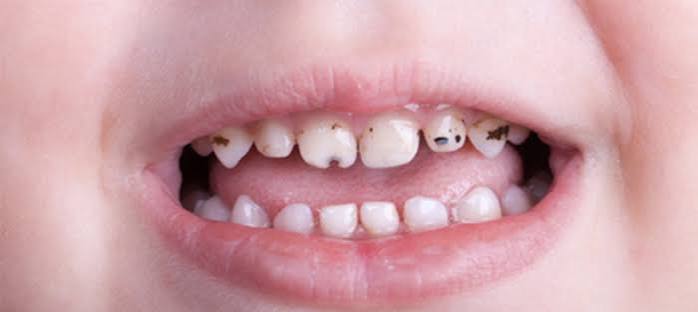
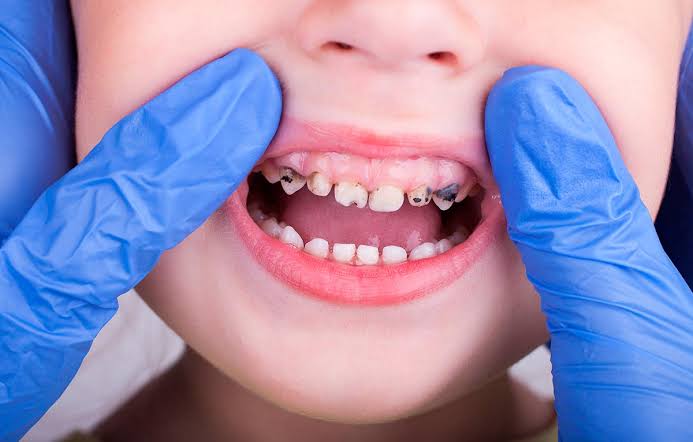
The most obvious distinction between plaque and tartar is their different colors and textures. Plaque usually appears colorless or has a slight yellowish tint. It is a soft layer that creates a “slippery and slimy” sensation when touched, especially on the tooth surface with the tongue or fingers. Most of the time, we may not see a clear color with the naked eye. However, sometimes, due to the effect of staining substances such as tea, coffee, tobacco, or red wine, plaque may appear in shades that range from light yellow to even brown. This discoloration is caused by the formation of pigments combined with the bacteria and food debris within the plaque.
Tartar, on the other hand, is a layer that can be observed much more clearly. It is typically noticeable in yellow, light brown, or dark brown forms. It has a hard, gritty texture and gives a distinctly “chalky” feeling when touched. Tartar, especially when formed on the upper part of the gum line, stands out like a separate bump from the tooth. To give an example, think of the limescale that forms around the faucets in your home. While limescale starts as a thin layer that is initially invisible, it gradually turns into a hard accumulation that appears white or yellow. Similarly, since tartar forms in a similar way on the tooth surface, its color and appearance are much more pronounced compared to plaque.
Plaque spreads like a thin film on the tooth surface, making it usually visible at the gumline or on the edge of the gums. Because it can be easily removed with brushing or dental floss, it can be largely controlled through daily care, even if it is renewed within a few hours. Tartar, however, is often found in areas where brushing is insufficient, around the gum line, and within the inner parts of the tooth. Over time, it hardens and cannot be removed simply with routine oral care.
Additionally, the appearance of tartar can become much darker and more unpleasant when it is not cleaned for a long time. In individuals who smoke or consume a lot of tea and coffee, tartar can even turn to shades close to black. This situation not only presents an aesthetically poor picture but also creates an excellent environment for bacterial retention and deepening of gum problems. Therefore, while plaque is more indistinct, softer, and can usually be cleaned in a short time by brushing, tartar has a much harder structure that is visible to the eye and does not disappear on its own without intervention.
Why is Plaque Considered a Precursor to Tartar Buildup?
Plaque is considered a precursor to dental calculus (tartar) because the hardened form of tartar is made from plaque deposits. In other words, it is impossible for tartar to form without the presence of plaque. Minerals such as calcium and phosphate found in saliva begin to crystallize when they find suitable conditions within the plaque, forming a hard structure. This is why plaque becomes the fundamental base where the components that form tartar first adhere.
You can think of this like a construction project: plaque is like freshly poured concrete (soft, moldable), while tartar is the hardened substance that becomes solid like a wall as enough time passes and minerals settle. If the ‘fresh concrete’ that we define as plaque could be regularly removed every day, it would never get the opportunity to start the hardening process. Although this would not completely prevent tartar formation, it would significantly delay it.
Plaque has a complex structure made up of bacteria, food residues, and hardened proteins. The longer this soft tissue remains attached to the tooth surface, the greater the chance for minerals to accumulate there. Particularly, when plaque remains on the inner surfaces of the front teeth, which are rich in minerals, the likelihood of it turning into tartar increases. Additionally, when oral hygiene is lacking, if sugary or acidic foods are consumed multiple times a day or if saliva flow decreases (oral dryness), plaque matures more rapidly and consequently accelerates the formation of tartar.
In an oral environment where tartar has formed, things become even more complicated; because the hardened layer of tartar continues to harbor microbial colonies due to its rough surface. Already formed tartar acts as a “durable surface” for plaque, allowing it to accumulate repeatedly. Therefore, plaque is considered a precursor to tartar, and the “real dangerous process” begins when we neglect plaque cleaning.
What Role Does Saliva Play in Tartar Formation?
Saliva is an interesting liquid that can act as both a hero and a villain in dental health. With its calcium and phosphate ions, it helps the tooth enamel to regain minerals after acid attacks (remineralization); however, it can also accelerate the mineralization within plaque, triggering the process of turning into tartar.
Let’s first talk about the protective effect of saliva. Under normal circumstances, saliva washes away food residues and bacteria from tooth surfaces. The bicarbonate it contains helps to maintain the oral pH at neutral or slightly alkaline levels, balancing the acidic environment. Moreover, due to certain antimicrobial components like lysozyme, lactoperoxidase, and immunoglobulin, it prevents the excessive increase of bacteria within plaque. Without this natural defense system of saliva, bacteria could multiply much faster and teeth could become prone to decay in a short time.
On the other hand, calcium and phosphate ions in saliva accumulate in the plaque, initiating the mineralization process. The acidic microenvironment formed by bacteria within the plaque gradually prepares a suitable ground for the crystallization of these ions. If the plaque layer remains in the mouth for an extended period, it becomes easier for the minerals from saliva to penetrate the plaque, leading to the formation of tartar. The quality and quantity of saliva flow also play a key role here. In some individuals, saliva is much richer in calcium and phosphate, which can accelerate tartar formation. Additionally, the pH value of saliva is important; when the ideal pH range is disrupted, the acidic environment within the plaque increases or different minerals come into play, facilitating tartar formation.
Nevertheless, saliva is one of our greatest allies in combating plaque. Because flowing saliva can wash away plaque layers like a ‘natural hose’ and thin the plaque layer. Therefore, individuals with insufficient saliva production or dry mouth issues have a higher risk of developing tartar. When the mouth is not kept continuously moist, it creates a perfect retention environment for the plaque layer. As a result, saliva is a balancing factor in oral health: it helps repair our tooth structure and can also invite tartar formation when conditions are right.
Can Plaque Be Cleaned at Home, How?
Plaque can be largely cleaned at home with regular oral care while it is still soft and newly formed. Brushing teeth, using dental floss, mouth rinses, or interdental brushes are the most fundamental weapons in the fight against plaque. The goal here is to physically remove the bacterial communities established on the tooth surface and to hinder their proliferation.
Brushing your teeth at least twice a day, preferably in the morning and evening, with the correct technique is quite effective. When we refer to the “correct technique,” we mean brushing movements that go from tooth to tooth and covering all surfaces of the teeth (inside, outside, and chewing surfaces) for an average of two minutes. Instead of pressing hard, the goal should be to use light circular or vertical movements to remove the plaque layer. It is also important to replace the brush when the bristles wear out; otherwise, worn bristles lose their effectiveness in cleaning the plaque.
The spaces between the teeth are areas where toothbrush bristles have difficulty reaching. Plaque can easily accumulate in these hidden corners, triggering cavities and gum problems. Dental floss is the most common way to clean plaque and food residues in these gaps. Interdental brushes are preferred in cases where using dental floss is difficult or when the teeth have inherently larger gaps. Developing a daily habit of use significantly reduces plaque formation.
Antibacterial or fluoride-containing mouthwashes play a supportive role in combating plaque. However, mouthwash alone is not sufficient to completely eliminate the plaque layer. Mechanical cleaning (brushing and dental floss) is essential; mouthwash serves as a supplementary method. Mouthwashes containing chlorhexidine can be effective for short-term intensive plaque control; however, prolonged and uncontrolled use can lead to side effects such as staining of the teeth and changes in taste.
Frequent consumption of sugary snacks leads to the rapid proliferation of plaque bacteria. Therefore, limiting sugar intake or rinsing the mouth with water after consumption is a good protective measure against plaque formation. Drinking plenty of water helps to support saliva flow, reducing plaque accumulation.
Why Does Tartar Require Professional Teeth Cleaning?
Tartar, forming a hardened structure due to plaque accumulation, becomes resistant enough that it cannot be removed with regular home cleaning methods. Therefore, the procedure known as professional dental cleaning (scaling) is the only valid method for removing tartar from the tooth surface. While many people believe they can clean tartar by “applying too much pressure” with a toothbrush and dental floss or “brushing for a longer time,” this generally poses a risk of damaging both the tooth enamel and the gums.
During professional dental cleaning, dentists or dental hygienists use specialized tools. Ultrasonic devices, through high-frequency vibrations, break up and displace tartar. Then, remaining hard fragments are carefully scraped away with hand tools (curettes, scaler instruments, etc.). Tartar in some areas may accumulate especially below the gum line (subgingival area). These areas are not visible to the naked eye, and for thorough plaque-tartar cleaning, the dentist must skillfully reach the area. The water spray feature of ultrasonic devices also removes debris and bacteria that emerge during the cleaning process.
After professional cleaning, the tooth surfaces are usually polished to achieve a smooth finish. This is a polishing procedure applied to remove small scratches and imperfections on the teeth. Since it is more difficult for plaque to adhere to a smooth surface, the polishing process is also effective in future plaque control. Additionally, your dentist will check the health of your gums and may recommend antibacterial mouthwash or other supportive treatments if necessary.
Another reason tartar requires professional cleaning is that tartar itself harbors bacterial colonies that trigger gum diseases and decay. As the hardened layer advances beneath the gum, inflammatory reactions begin to manifest in the gum. In this progressive process, serious issues can arise, including gum recession, loss of bone, and even tooth loss. Thus, ignoring tartar is not just an aesthetic or surface problem; it poses a risk for permanent dental damage and general health issues in the long run.
How Does Plaque Contribute to Tooth Decay and Gum Diseases?
When plaque accumulates uncontrollably on the teeth, it leads to two major consequences: tooth decay and gum diseases (gingivitis, periodontitis). The underlying mechanism is the conversion of carbohydrates, such as sugars, into acids by the bacteria in plaque. Specifically, species like Streptococcus mutans and Lactobacillus produce substances like lactic acid that harm tooth enamel. Over time, this acid creates microscopic holes in the tooth enamel, paving the way for decay.
We consume food multiple times a day. Especially if we are eating sugary or starchy foods, the bacteria in plaque will break down the carbohydrates from these foods, increasing acid production. The surface of the teeth is exposed to an acid bombardment, and mineral loss increases. While the tooth’s remineralization capacity works to compensate for this loss, if the plaque layer is not cleaned regularly, acids prevail. The tiny cracks in the tooth enamel gradually enlarge over time, forming a cavity. In this process, pain, sensitivity, and even serious damage requiring root canal treatment can occur, affecting the internal structure of the tooth in advanced stages.
When plaque accumulates along the gum line, toxins released from bacterial metabolism can cause inflammation of the gums. Initially, gingivitis (gum inflammation) becomes apparent: Symptoms such as redness, swelling, and bleeding during brushing emerge. If plaque is not cleaned, and hardens into tartar, the inflammatory process deepens and progresses to periodontitis. At this stage, the gums begin to detach from the teeth, creating spaces called “pockets.” More plaque and bacteria accumulate in these pockets, and the bone tissue surrounding the teeth gradually erodes. If left untreated, the stability of the tooth is compromised, leading to tooth loss.
There is an interaction between tooth decay and gum diseases as well. Poor cleaning of the teeth due to causes like pain or sensitivity further increases plaque accumulation. Additionally, as the type and number of bacteria within the plaque increase, the acid balance of the oral environment becomes disrupted. This condition hinders the healing of the gum tissue, potentially increasing the severity of gingivitis or periodontitis.
What are the Health Risks of Untreated Tartar?
Not treating tartar for a long time can lead to a series of health issues in the mouth and even throughout the entire body. Most people consider tartar solely an aesthetic problem for the teeth. However, the reality is that it represents a serious threat to the health of the gums and jawbone.
When tartar accumulates above (supragingival) or below (subgingival) the gum line, it leads to chronic inflammation in the gums and surrounding tissues. This initially starts as gingivitis (simple gum inflammation), but if not intervened, it progresses to periodontitis. Periodontitis causes the destruction of the bone and connective tissues supporting the teeth. Over time, the teeth begin to loosen and can ultimately be lost.
Chronic inflammation in the mouth creates a constant burden on the body’s immune system. Bacteria or inflammatory mediators that enter the bloodstream can trigger various systemic disorders, primarily cardiovascular diseases. There is also a known bidirectional relationship between periodontal disease and diabetes: periodontal issues are more severe in diabetic patients, and active gum infections can make it difficult to control blood sugar.
As tartar progresses below the gum line, it also covers the root surfaces of the teeth, complicating oral hygiene. This can lead to sensitivity and pain attacks that extend down to the tooth roots. Sensitivity, especially to hot and cold foods, increases, which can diminish quality of life.
Tartar, being a porous surface that holds plaque and food debris, allows bacteria to thrive continuously. Volatile sulfur compounds produced by these bacteria cause chronic bad breath (halitosis). This condition, which can become even more noticeable with the use of masks, can negatively affect social life.
Particularly the buildup of tartar on the front teeth creates yellow-brown stains, causes loss of luster in the teeth, and leads to gum recession, disrupting the overall aesthetic of the smile. People may feel uncomfortable, avoid smiling, and experience a loss of self-confidence.
How Does Daily Oral Hygiene Prevent Plaque Buildup?
The essence of daily oral hygiene lies in cleaning the plaque layer before it hardens or while it is still a thin film. Applying the simple yet effective methods below regularly and correctly each day helps to prevent plaque accumulation, keeping the teeth and gums healthy:
Brushing twice a day, for 2 minutes in the morning and evening, significantly reduces plaque formation. Using the correct brushing techniques directed from the gum line to the tooth helps clean all surfaces of the teeth (inner, outer, and chewing surfaces). During brushing, excessive pressure should not be applied, and soft or medium-hard brushes should be preferred. This approach removes plaque buildup and prevents damage to the gums.
Toothbrushes may be insufficient to reach the narrow spaces between teeth. These gaps are just the hidden corners that plaque bacteria love. Using dental floss or interdental brushes every day cleans plaque and food residues in these areas. Oral irrigators, by providing a pressurized stream of water, offer an additional convenience for cleaning the interdental spaces.
Mouthwashes containing fluoride or antibacterial agents can reduce the rate of plaque formation. However, it should be remembered that the mouthwash does not replace mechanical cleaning. To support the effectiveness of these products, using toothpaste and dental floss afterward boosts the effect.
When the bacteria in plaque feed on sugar, acid production accelerates. Filling the day with sugary treats causes teeth to be constantly exposed to acid attacks. Therefore, limiting the intake of sugary foods and drinks or rinsing the mouth with water afterward slows down plaque accumulation.
Being dehydrated or conditions that cause dry mouth can increase plaque buildup. Drinking plenty of water helps keep the tissues in the mouth moist and aids in cleaning the plaque layer by rinsing the teeth.
What Happens If Plaque Is Not Cleaned Regularly?
If plaque is not cleaned regularly, a chain reaction can be triggered that affects overall health starting from oral health. Initial visible signs may be very mild; however, by the time they are noticed, it is often too late, and tartar formation has begun. If plaque remains untreated for an extended period, the following problems may arise:
- Gingivitis (Gum Inflammation): When plaque accumulates along the gum line, the bacteria it contains produce toxins that irritate the gums. These toxins lead to inflammation of the gum tissue. Gingivitis is characterized by red, swollen, and bleeding-prone gums. Gum bleeding is often observed during brushing or flossing.
- Tartar (Dental Calculus) Formation: Plaque hardens into tartar when it interacts with the minerals in saliva. Once tartar adheres to the tooth surface and beneath the gum, it cannot be removed with regular home care methods. This hard structure also facilitates further plaque accumulation; as its rough surface provides a strong foothold for bacteria.
- Periodontitis (Advanced Gum Disease): The long-term inflammation caused by plaque and tartar leads to the detachment of the gums from the teeth and the formation of spaces called “periodontal pockets.” The bacteria and toxins that accumulate here damage not only the gums but also the bone and connective tissues that stabilize the teeth. Once bone loss starts, teeth may shift or be lost.
- Tooth Decay and Abscess: The acids produced by plaque weaken the tooth enamel, paving the way for decay. If advanced decay is left untreated, it can reach the tooth’s pulp and lead to severe pain or the formation of a dental abscess. Abscesses can sometimes develop into a widespread infection.
- Aesthetic and Psychological Effects: Conditions such as bad breath (halitosis), yellow or brown stains, and in later stages, tooth loss can lead to a loss of self-confidence and socially distressing experiences.
- Systemic Reactions: Chronic inflammation caused by periodontal diseases can weaken the vascular system and increase the risk of some systemic disorders like cardiovascular diseases. Its association with diabetes is also noteworthy; as high blood sugar exacerbates periodontal issues, an active gum infection can also complicate blood sugar control.
Are There Visual Differences Between Plaque and Tartar on Teeth?
It is often easy to distinguish plaque from tartar on the surface of teeth, but plaque can be more insidious and ambiguous while tartar often presents itself in a more noticeable manner. Plaque usually appears as a semi-transparent or slightly yellowish coating. Most people notice a vague dullness in the mirror or feel a “slippery” surface when probing with a finger after neglecting to brush their teeth for a few days. Despite being filled with concentrated bacteria and food debris, this layer may not be immediately noticeable due to its lack of pronounced color.
Tartar, on the other hand, causes visible, hard, and porous deposits. It typically appears as yellow, light brown, or dark brown spots near the gum line. Its color can deepen based on the consumption of staining substances like tobacco, tea, and coffee. For instance, hardened layers that transition from light yellow to brown can be easily identified on the inner side of the lower front teeth in areas where tartar accumulates if not cleaned for a long time.
Another visual difference between plaque and tartar arises from their surface characteristics. Plaque covers the tooth surface like a thin film, reducing shine but creating a soft feeling when touched. In contrast, tartar has hardened on the surface, exhibiting a bumpier structure, akin to “lime scaling.” When touched with a dentist’s instrument, plaque can generally be scraped off softly, whereas tartar feels hard and requires scraping to be removed.
In some cases, plaque, food colorings, or special plaque indicator tablets can make tartar more noticeable. Tartar can be so hard and colorful that it can be seen without needing such assistance, suggesting that it has reached a noticeable level. However, most people cannot see subgingival tartar formed below the gum line with the naked eye. Therefore, regular dental check-ups are important for diagnosing problems caused by plaque and tartar in the early stages.
How Do Dentists Effectively Clean Tartar?
Dentists perform a professional dental cleaning procedure called “scaling” to remove tartar. The primary goal is to break down the hard structure of tartar adhering to the tooth surface and especially the root area, and to remove all bacterial colonies from the environment. This procedure is generally carried out through two main methods:
\t- Ultrasonic Instruments: Devices called ultrasonic “scalers” produce high-frequency vibrations to break up tartar. While the tip of the instrument vibrates, it also sprays water; thus, the particles and bacterial remnants formed at the moment the tartar is broken up are removed from the environment. Ultrasonic devices make tooth tartar cleaning quick and relatively comfortable. They can also be used with suitable tips to clean tartar in deep pockets or below the gum line.
\t - Hand Instruments (Curettes and Scalers): Hand instruments with thin tips and curved shapes are used under the dentist’s control to scrape away tartar. Hand tools are indispensable for careful cleaning, especially in the subgingival areas below the gum line. Thanks to the dentist’s experience and tactile sensitivity, while the tartar is completely removed, the tooth surface and soft tissues are minimally traumatized.
\t
The process known as “root planing” or “smoothing the root surface,” which is performed as part of tartar cleaning, smooths the rough areas on the tooth root. This makes the formation of new plaque more difficult and helps the gums to securely reattach to the root surface in a healthy manner. Especially for patients with periodontal pockets, root smoothing is a critical step in regaining gum health.
After the cleaning process is completed, the dentist applies a polish called “polishing” to the tooth surfaces. During polishing, the tooth surfaces are polished with a special paste, making plaque accumulation more difficult and leaving the teeth with a smoother surface. In some cases, the application of fluoride or the use of antibacterial mouth rinses may be recommended. All these steps aim not only to provide immediate cleaning through professional dental cleaning but also to offer longer-term protection.
After the tartar cleaning procedure, mild sensitivity or temporary bleeding from the gums may occur. This is due to the process of renewing inflamed tissues and is a short-term situation. Patients are generally advised to avoid very hot or very cold foods in the first few days and to consume soft foods. Regular brushing, flossing, and biannual check-ups can significantly delay the reformation of tartar.