What to Consider Before and After Aesthetic Dental Treatment?
In oral and dental health practices, designing forms suitable to a person’s facial features and anatomical structure is important, but also maintaining these designs on a sustainable health basis is medically significant. Restorative procedures carried out using various materials and techniques are directly interacting with patients’ daily habits. The preparation phase for treatment aims to reach maturity that allows tissues to accept restorations biologically; the post-procedure period focuses on spreading the visual and functional gains achieved over many years. The principles of Aesthetic Dentistry emphasize that these two phases are an inseparable whole supporting each other.
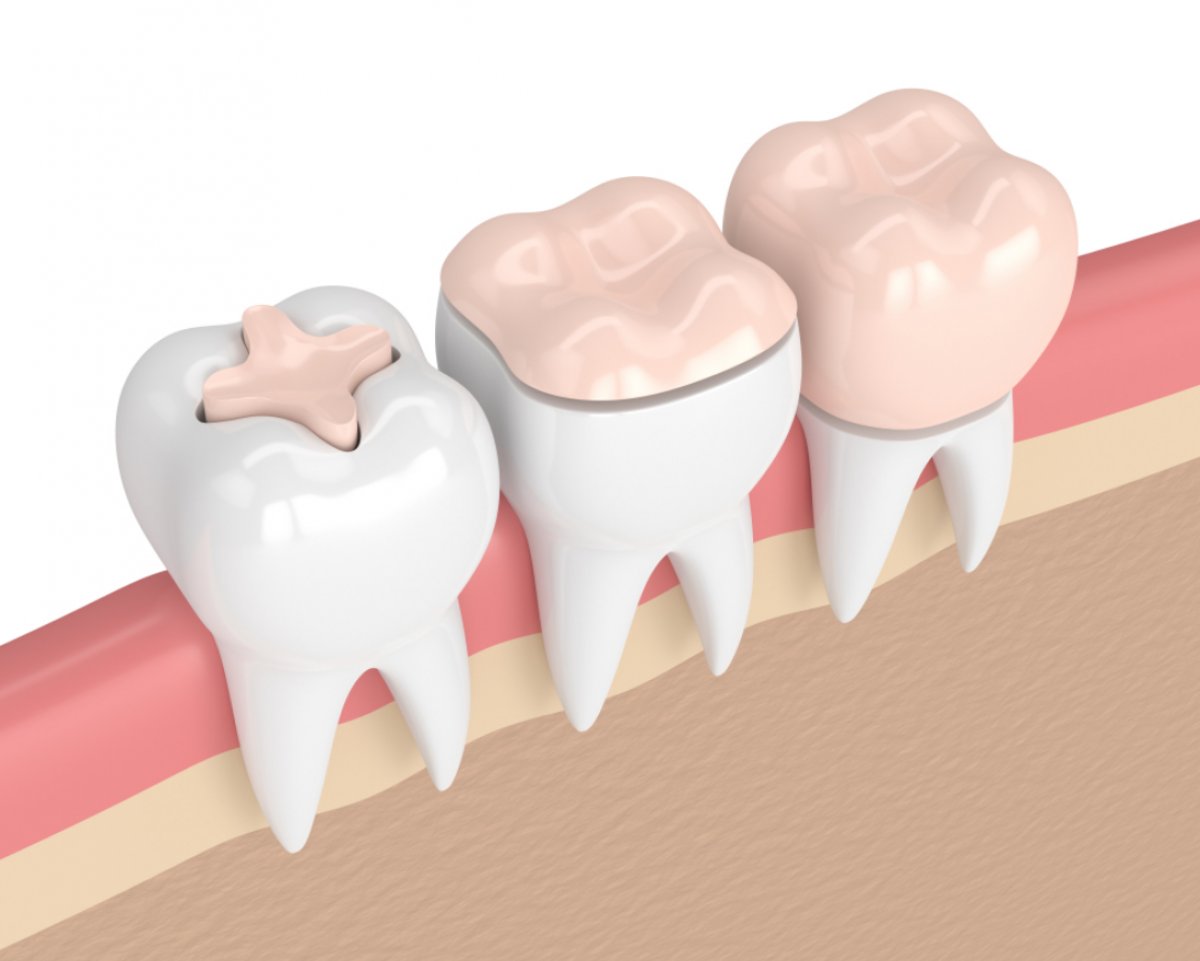
The planning involved in the clinical processes at Avrupadent addresses the individual responsibilities that patients need to take before sitting in the treatment chair and after leaving it. The adaptation of porcelain veneers, zirconium crowns, or composite additions to the oral environment is supported by a combination of the dentist’s technical guidance and the patient’s home care routine.
How Does the Clinical Evaluation Process Progress Before Aesthetic Dental Treatment?
Before starting a restorative procedure, a planning phase is carried out to determine the primary goals and medical limitations. Since each individual’s jaw structure, lip dynamics, and enamel thickness vary, a personalized preliminary preparation protocol is followed instead of a standard template. At this stage, doctors utilize three-dimensional digital scanning systems and high-resolution clinical photographs to transfer the current state of the patient into a virtual space.
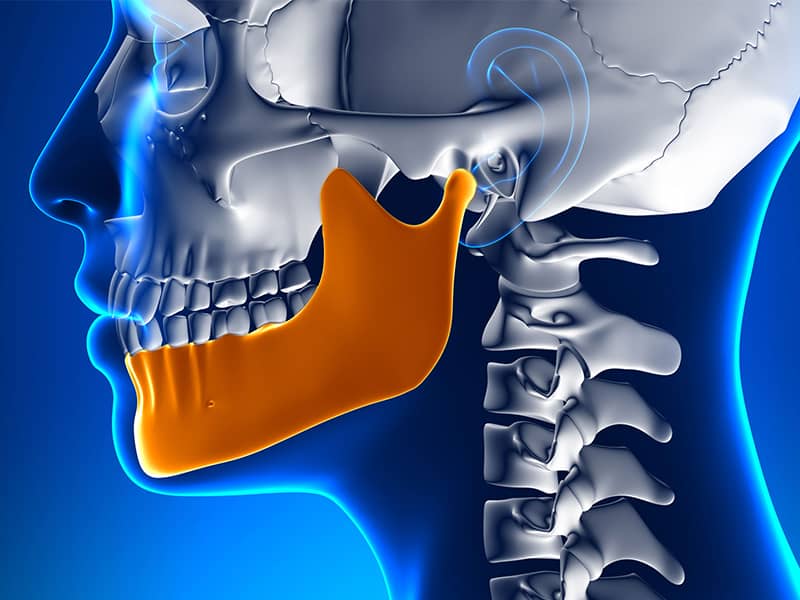
During the preliminary evaluation process, the patient’s occlusal relationships and jaw joint movements are also analyzed. The goal is to ensure that the porcelain or composite materials planned for application can counteract the mechanical forces within the mouth in a balanced manner. In the planning of Aesthetic Dentistry, this data collection process helps reduce the need for revisions in laboratory phases and supports grounding the outcome on a predictable basis.
Why is Improving Gum Health a Priority Step Before Treatment?
The visual integrity of the white aesthetics formed by the teeth is related to the health of the surrounding pink tissue (gingiva). An inflamed gingiva takes on a swollen and reddish form, exceeding normal dimensions. If the doctor performs tooth trimming or digital scanning based on this swollen state, the porcelain produced in the laboratory will shape according to this temporary swelling. Once the tissues heal and return to their original level after treatment, they may leave the ends of the restorations exposed, leading to an aesthetically unpleasing appearance.
Additionally, the adhesive resins to be used in the prosthetic material bonding (cementation) phase require the environment to be dry and free of bleeding. A small bleed that can occur from unhealthy gingiva can weaken the chemical bonds of the bonding agent, affecting its long-term durability. For these reasons, it is a medical standard to ensure dental calculus cleaning and complete necessary periodontal care before restorative procedures, waiting for the tissue to reach a healthy form.
| Gingival Condition | Impact During Measurement Stage | Long-Term Restorative Effect |
|---|---|---|
| Healthy and Firm Tissue | Borders are copied clearly and accurately. | A natural and balanced transition occurs between the porcelain and the gingiva. |
| Inflamed (Swollen) Tissue | Bleeding and exudate can distort the measurement material or optical camera. | After healing, the tissue may be pulled back, leaving the boundary of the crown exposed. |
What Personal Preparations Are Expected from Patients Before Treatment?
The routines individuals follow at home before coming to the clinic impact the quality of the doctor’s work. A patient who pays attention to oral care will have healthier gums, thus reducing the bleeding rate during sessions and allowing procedures to progress more smoothly. Regular use of dental floss helps in maintaining a clean working area by preventing plaque accumulation in interproximal spaces.
Additionally, the patient’s overall medical (systemic) condition directs many clinical decisions, from the type of local anesthesia to pain relief medications. Informing the doctor about the use of blood thinners and conditions such as diabetes or heart problems before treatment planning allows the process to be managed according to the patient’s overall health parameters.
What Criteria Should Be Considered During the Use of Temporary Restorations?
In cases requiring laboratory production such as porcelain veneers or zirconium crowns, temporary “teeth” are placed on the patient’s teeth during an average week that passes from the measurement taken until the production of permanent materials. These temporary acrylic or resin materials are applied to protect the cut tooth tissue from external stimuli and to contribute to preventing the patient from experiencing an aesthetic deficiency in their social life.
Temporary teeth are fixed with low retention structures so that they can be easily removed when the permanent restorations arrive. Therefore, eating while biting into an apple, chewing gum, or eating hard dried fruits can cause the temporary teeth to come loose or break. If a temporary tooth falls out, it is advisable for the patient to promptly request the restoration to be reattached at the clinic to avoid sensitivity in the underlying dentin tissue.
How is Oral Adaptation Observed in the First Days After Aesthetic Dental Treatment?
A new prosthetic design applied inside the mouth is a structure that the lip muscles, tongue, and central nervous system need to biologically perceive and adapt to. Especially in cases where the tooth lengths are extended or the front-back (thickness) forms of the teeth are altered, patients may express that they do not feel the teeth “like their own teeth” in the first days. This condition is a temporary phase that lasts a few days required for the reprogramming of muscle memory.
Adhesive agents used during treatment and micro interventions performed on the enamel tissue may cause teeth to become more sensitive to thermal stimuli (cold water, hot tea) for a few days. The tension felt at the gum margins is a physiological reflection of the stage where restorations are placed on the gum. These temporary reactions can be comfortably managed by supporting them with mouth rinses or simple analgesics in accordance with the physician’s instructions.
How Should Daily Hygiene Routine Be Structured After Porcelain and Composite Applications?
Although aesthetic restorations do not wear down like natural teeth, the microscopic junctions where these materials bond with the tooth and gum are susceptible to plaque accumulation. In cases where bacterial plaque cannot be removed, the gum may become inflamed and resorption in the supporting bone may begin. Therefore, the primary focus in the care of prosthetic materials is to maintain the health of the gum and the junctions.
Toothpastes with coarse granules or containing carbonate can cause abrasions over time, dulling the shine of composite fillings or porcelain laminates. Scratched surfaces tend to trap more color pigments from external sources. Regular and mindful brushing practices contribute to maintaining the optical vibrancy of aesthetic materials for many years.
How Do Dietary Habits and Beverage Consumption Affect the Post-Treatment Process?
Especially materials based on resin, such as composite bonding applications, have a certain liquid absorption potential against coloring (chromogenic) factors like tea, filtered coffee, cherry juice, and tobacco smoke. Even though porcelain materials may not stain their own surfaces, the structures at the edges of restorations can be affected by these pigments. Rinsing the mouth with water immediately after consuming beverages helps reduce the adhesion time of pigments to the tooth surface.
Additionally, attempts to break very hard-shelled nuts with front teeth or traumatic habits like biting pencils can cause chipping in the edges of ceramic veneers in Aesthetic Dentistry applications. Although aesthetic materials are produced to withstand daily chewing forces, avoiding marginal loads that could even chip natural teeth is a factor supporting the longevity of the material.
| Food / Habit Type | Potential Impact on Restoration | Recommended Approach |
|---|---|---|
| Hard-Shelled Foods (Hazelnuts, Walnuts) | Biting with front teeth can cause chipping in the restoration. | Should be consumed shelled and chewed with back teeth. |
| Dark Colored Beverages (Tea, Coffee) | Microscopic discolorations at the margins over time. | Rinse the mouth with water after consumption and brush regularly. |
| Acidic Foods (Lemon, Carbonated Drink) | It can soften the enamel and affect the material bonds. | After acid exposure, it should be brushed at least 30 minutes later. |
How Does Night Guard Usage Help Protect Aesthetic Treatments?
While individuals keep chewing forces within a certain physiological limit during the day, involuntary muscle contractions (bruxism) that occur during sleep can exceed several times normal chewing pressure. The horizontal and vertical grinding of teeth places a significant mechanical load, especially on thin porcelain veneers located in the anterior area.
To protect aesthetic restorations from these destructive forces, custom transparent night guards (splints) are prepared based on measurements taken from the patient at the end of treatment. These devices, worn on the teeth before sleeping, prevent direct contact between the teeth, allowing for a balanced distribution of force across the whole jaw. The use of a night guard is an effective preventive measure supporting the mechanical integrity of prosthetic designs prepared with great effort.
Why Are Periodic Doctor Checkups Important for Long-Term Monitoring of Restorations?
The completion of the treatment process does not mean that medical monitoring has ended. Human anatomy continues to change over time; slight adjustments or shifts may occur in the teeth. As a result of these changes, additional chewing pressure can start to exert on a previously well-fitting crown. During six-month or yearly check-ups, dentists evaluate whether there are early contact points on the teeth using occlusion records and make necessary minor adjustments.
However, the removal of invisible microscopic deposits and coffee or tea stains is achieved through professional polishing procedures performed in a clinical setting. These treatments contribute to limiting the formation of gum diseases and allow the initial aesthetic form of restorations to last for years.
How Are the Pre- and Post-Treatment Information Steps Managed in Avrupadent Clinics?
In institutional medical approaches, knowing what the patient will encounter is a fundamental factor that increases comfort during the process and compliance with treatment. In Avrupadent clinics, possible scenarios are evaluated with patients through visual models before starting aesthetic dentistry planning.
Information provided verbally and in writing about potential temporary sensitivities, dietary rules, and hygiene discipline after treatment sessions helps patients manage their process comfortably after leaving the clinic. Organizing follow-up processes in this manner prepares the ground for the long-term preservation of clinical aesthetic goals.
What are Frequently Asked Questions?
1. Should tartar be removed from the teeth before aesthetic procedures?
It is a medical necessity to remove tartar from the mouth before taking restorative measurements, as tartar can cause edema and volume discrepancies in the tissues.
2. Is it normal to feel sensitivity in my teeth after the treatment?
The tooth polishing and the use of bonding agents during the procedure may cause temporary sensitivities to hot and cold in the first few days after the procedure; this is part of biological adaptation.
3. Can I consume ice cream or hot soup after porcelain veneers are placed?
After thermal tolerance is established (once sensitivity passes), foods within normal temperature ranges can be consumed comfortably, but it is advisable to be cautious as sudden hot-cold transitions may create thermal expansion stresses in the materials.
4. Can I eat with my temporary teeth?
Since temporary teeth are made with limited retention, it is recommended to consume soft and warm foods, and to avoid biting hard foods like apples with the front teeth.
5. Do aesthetic fillings (bonding) change color over time?
Composite materials may show slight changes in color (matte formations) over the years depending on the use of tea, coffee, or tobacco; these can be refreshed with clinical polishing procedures.
6. Does using dental floss cause crowns to come off?
No, it is not expected that porcelain crowns permanently made will come off with the use of dental floss. On the contrary, maintaining oral hygiene is a habit recommended by dentists for the longevity of crowns.
7. Will my porcelain break if I do not use a night guard?
If you have a habit of teeth grinding or clenching during sleep, not using a night guard may increase the risk of chipping or breaking in restorations due to the increased pressure on the teeth.
8. What toothpaste should I use after aesthetic treatments?
It is recommended to use standard toothpastes that are non-abrasive, have a smooth texture, and contain fluoride, instead of abrasive (aggressive whitening particle) toothpastes that might damage restoration surfaces.
9. Does zirconium cause gum discoloration?
Because zirconium crowns do not contain a metal framework, the likelihood of gray/purple reflections at the gum line, seen in older metal-supported porcelains, is greatly reduced.
10. Can I exercise during the treatment process?
Light to moderate exercises can be done; however, individuals engaging in contact sports with high trauma risk are recommended to use special sports guards to protect temporary teeth and permanent restorations.
11. Should I brush my teeth right after eating?
Especially after consuming highly acidic food or drinks, it is advisable to wait approximately 30 minutes before brushing to allow the acid from the food to neutralize and prevent the enamel layer from softening somewhat.
12. How should I eat after laser gum surgery (pink aesthetic)?
For the first few days, it is recommended to avoid very spicy, acidic, or hard (crusty) foods that can irritate the gums, and to follow a warm diet which supports tissue healing.
13. Can mouthwash be used for the care of porcelain veneers?
It can be used, however, since mouthwashes high in alcohol may affect some resin cements over time, it is preferable to use non-alcoholic and care solutions recommended by the dentist.
14. How often should I have dental check-ups?
Although it varies according to the individual’s oral flora and the scope of the treatment applied, clinical standards recommend that a check-up be done every six months on average.
15. How do patients receive support for questions after treatment according to Avrupadent protocols?
Patients who have completed their treatment process can request medical guidance and support from expert teams through the clinic’s communication channels regarding any adaptation issues or questions they encounter.