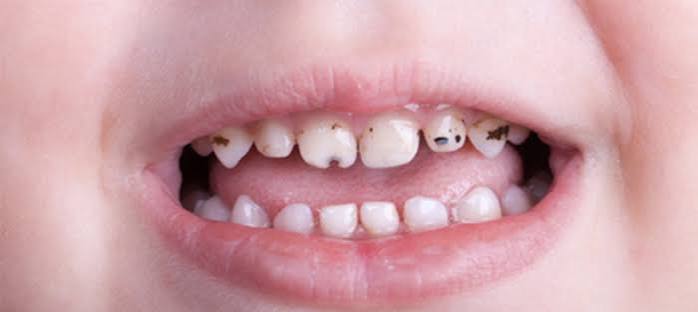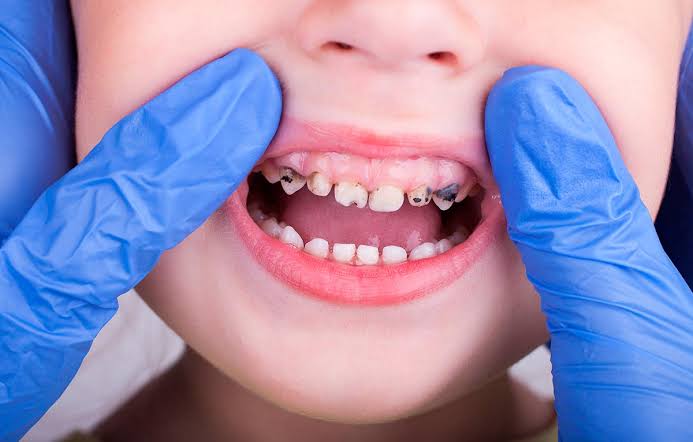
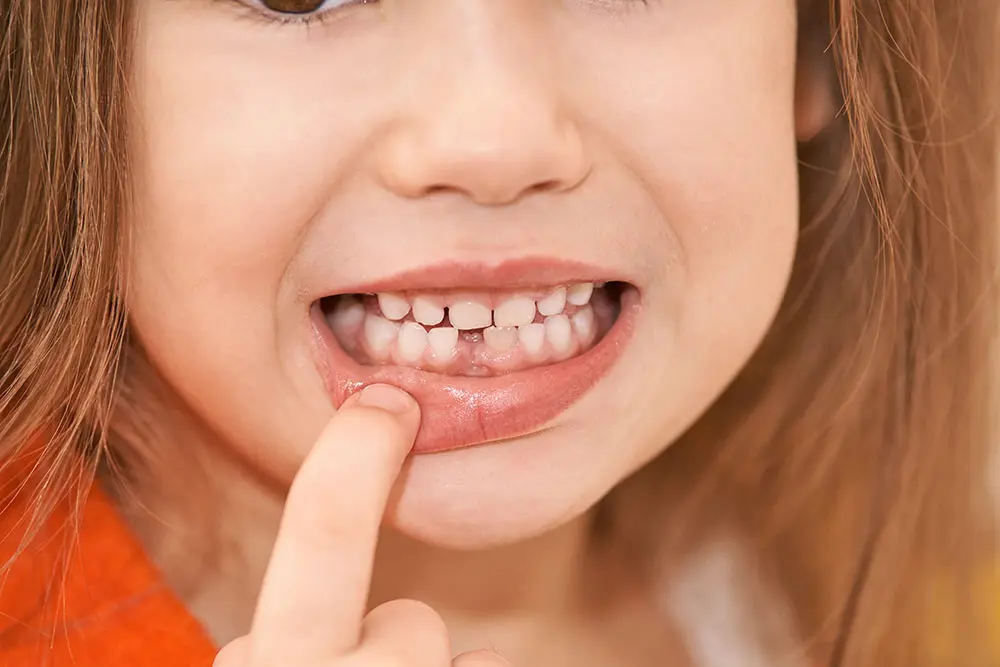
Tooth extraction in children is the procedure of removing milk teeth or, in some cases, permanent teeth due to various reasons affecting oral health. This treatment is typically performed by pediatric dentists or dentists experienced in treating child patients. Tooth extraction in children may be necessary for purposes such as alleviating the child's pain, preventing infection, or addressing future orthodontic issues. The procedure is conducted using safe and careful approaches tailored to each child's specific situation and age.
In What Situations Is Tooth Extraction Necessary in Children?
As dentists, our priority is always to preserve your child's natural teeth. However, in some cases, tooth extraction becomes the healthiest option. For instance, a severely decayed tooth that cannot be salvaged with fillings or other methods may need to be extracted.
Sometimes, an infection (abscess) located at the tooth root that does not respond to treatment may necessitate extraction to prevent the infection from spreading. If a tooth is broken beyond repair due to accidents like falls or impacts, or if it has been dislodged, extraction may be considered.
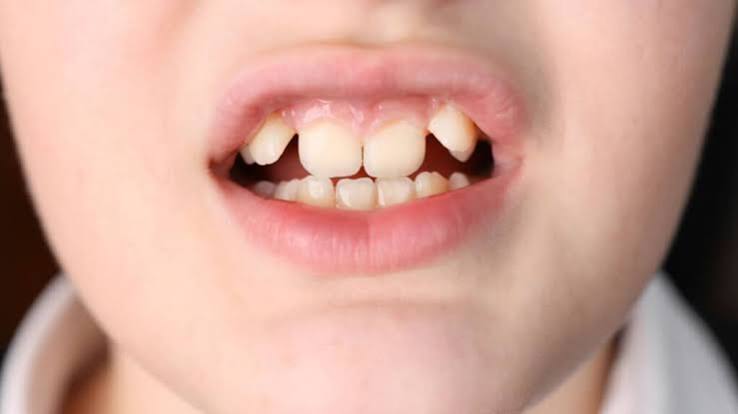
Milk teeth that stubbornly refuse to fall out when it's time for them to, or that prevent the eruption of permanent teeth, can also be extracted for the purpose of orthodontic treatment.
Why Is Tooth Extraction Most Often Performed Due to Tooth Decay in Children?
Unfortunately, the most common reason for tooth extraction in children is advanced tooth decay. The structure of milk teeth is somewhat more susceptible to decay compared to permanent teeth. Since the enamel layer is thinner, decay can progress more rapidly.
In this period, these cavities can be prevented with regular dental check-ups and good oral hygiene, or they can be treated with simple fillings in the early stages. However, if the dental visit is delayed or neglected, a small cavity can grow to the point where the tooth cannot be saved, and extraction may remain the only option. Therefore, regular check-ups at an early age are very important.
What Infections in Children Require Tooth Extraction?
Due to reasons like tooth decay or trauma, the living tissue (pulp) inside the tooth may become inflamed or die. If this condition is not treated, the infection can spread to the root tip of the tooth and the surrounding bone, causing an abscess. An abscess can cause swelling and pain in that area.
If the infection is limited to the tooth, sometimes the tooth can be saved with procedures similar to root canal treatment. However, if the infection has spread and symptoms such as fever, noticeable swelling in the face, and weakness are present in the child, this is more serious. To prevent further spread of the infection and potential entry into the bloodstream, the tooth that leads to the abscess must be extracted, and antibiotic treatment is usually required.
Can Tooth Extraction be Necessary Post-Trauma in Children?
Yes, unfortunately, accidents such as falls or impacts that occur while playing or engaging in sports can cause serious damage to teeth. A part or the entire tooth can break, and the tooth can also become loosened.
If the damage is very extensive and the tooth cannot be maintained in a healthy way with various treatment methods (like filling, crown, or root canal treatment), extraction may be necessary. Especially if a damaged primary tooth risks harming the underlying permanent tooth bud, it may be considered to extract the primary tooth in order to protect the permanent one.
Why is Tooth Extraction Done for Orthodontics in Children?
Sometimes, there may not be enough space for all permanent teeth to fit properly in children’s jaws. This situation can lead to teeth coming in crooked or some teeth remaining unerupted. Orthodontic treatment (braces) may be necessary to create space for aligning the teeth correctly.
For this purpose, the orthodontist and dentist may recommend the extraction of certain teeth (sometimes a baby tooth, sometimes a permanent tooth) as part of the treatment plan. The space left by the extracted teeth is used to adjust the positions of the other teeth, aiming for a proper bite and alignment.
What Preparations Are Made Before Tooth Extraction in Children?
When the decision for tooth extraction is made, certain preparations are carried out before the procedure. First, the dentist will collect detailed information about your child’s overall health status. It is important to learn about any allergies, medications being used, or any chronic illnesses they may have.
Next, an intraoral examination is conducted, and generally, an X-ray is taken to clearly see the condition of the tooth to be extracted, its roots, and the surrounding bone. This X-ray is also important to assess the position of the underlying permanent tooth bud.
The dentist will explain to you why the extraction is necessary, how the procedure will be done, and what to pay attention to after the procedure. They will answer all your questions and obtain consent for the procedure.
How to Prevent Pain During Tooth Extraction in Children?
This is one of the most important issues. The tooth extraction procedure is performed in a completely pain-free manner. For this, local anesthesia is used, meaning that only the area where the extraction will take place is numbed.
Before starting the procedure, a numbing gel or spray is usually applied to the gum to ensure that the child does not even feel the needle’s entry. After waiting a few minutes, a local anesthetic is slowly administered to the area with a very fine needle. This way, the tooth and surrounding tissues are completely numbed, and your child will not feel any pain during the procedure.
How is Tooth Extraction Performed in Children?
Once the area is completely numbed, the dentist begins the procedure. Extraction of a visible tooth, meaning one that is above the gums, is generally referred to as “simple extraction.” The dentist uses special instruments to gently loosen the tooth in its socket. While doing this, the bone is also expanded. Then, using a special tool called a dental elevator (similar to pliers), the dentist carefully grasp the tooth and pulls it out.
In extracting primary teeth, especially molars, extra care is taken to avoid damaging the underlying permanent tooth buds. Careful movements are made as the roots can be thin and separate.
If the tooth is fractured or impacted, a “surgical extraction” may be necessary. In this case, a small incision is made in the gum, and if needed, some bone is removed to access the tooth, which is then extracted. The area is cleaned afterward, and stitches are usually applied.
Why is Sedation Used for Tooth Extraction in Children?
Generally, children can undergo tooth extraction comfortably with just local anesthesia. However, in some cases, additional methods may be needed. Particularly for very young children, those who experience fear or anxiety about the dentist, or those with special health needs (for example, children with certain developmental or behavioral issues), sedation can be considered to make the procedure easier.
If multiple teeth are to be extracted or if other lengthy procedures are planned in a single visit, sedation may be a good option to ensure that the child remains still and comfortable. The goal is to make the procedure safer and more comfortable for both the child and the dentist.
What Sedation Methods are Available During Tooth Extraction in Children?
Sedation methods allow the child to relax and calm down without losing consciousness. There are several different levels and forms of administration.
One of the lightest methods is the administration of “laughing gas” (nitrous oxide). This gas, provided through a mask placed on the nose, relaxes the child and reduces anxiety. The child remains awake and can communicate. The effects wear off immediately after the procedure.
Another method involves sedative medications administered orally, either as a drink or in pill form (oral sedation). This can make the child a bit sleepier, but they will still respond to calls or gentle touches.
Deeper sedation or general anesthesia is usually considered for more anxious children, extensive treatments, or situations requiring a hospital setting. In these methods, the child is asleep, and vital functions like breathing and heartbeats are closely monitored by anesthesiology specialists using special devices. The dentist and anesthesiologist will decide which method is appropriate based on your child’s condition. Safety is always the top priority.
How is Bleeding Controlled After Tooth Extraction in Children?
After the extraction, the dentist places a sterile gauze pad on the extraction site. Your child needs to bite on this gauze tightly for about 30-45 minutes. This pressure helps the blood vessels close up and stop the bleeding. It also ensures the formation of a blood clot, which is crucial for healing.
It is normal to have a slight ooze or pink hue in the saliva on the first day after removing the gauze. If the gauze pad is completely soaked with blood, it can be replaced with a clean gauze pad and re-bite on it. However, if active, bright red bleeding continues or starts again after hours, you should call your dentist. Avoid strong rinsing and spitting in the first 24 hours to protect the clot.
What Should be Done for Pain After Tooth Extraction in Children?
When the effect of local anesthesia starts to wear off (typically after 2-4 hours), some pain in the area is to be expected. To manage the pain, it is advisable to administer the pain reliever recommended by your dentist before full sensation returns or as soon as pain is felt.
For children, syrups or tablets containing paracetamol or ibuprofen are generally recommended in appropriate doses (according to the child’s age and weight). Pay attention to the dosage and frequency of use indicated in the medication’s leaflet or as specified by your dentist. Never give aspirin to your child, as this can lead to a serious condition called Reye’s Syndrome. If the recommended pain reliever is insufficient or if the pain gradually increases, definitely consult your dentist.
How Should Children Be Fed After Tooth Extraction?
In the first few hours after extraction, avoid giving your child solid foods until the numbness has completely worn off. They may inadvertently bite their tongue or cheek. Once bleeding is controlled, you can first offer cold and non-carbonated beverages (such as water, milk, or freshly squeezed fruit juice). Absolutely do not use a straw, as the sucking motion can dislodge the blood clot.
On the first day and if necessary the following day, soft and cool/warm foods such as yogurt, pudding, ice cream, pureed fruits or vegetables, and smooth soups should be preferred. As your child starts to feel more comfortable, you can gradually transition to normal textured foods. However, it is advisable to avoid hard, crunchy, sticky, or small particles (such as nuts, popcorn, sesame) that can irritate the extraction area for several days.
How Should Oral Care Be After Tooth Extraction in Children?
Maintaining oral hygiene during the healing process is important for preventing infection, but care should be taken to protect the extraction site. On the day of extraction, the mouth should not be rinsed, gargled, or brushed over the extraction site.
Starting the next day, after meals, you can clean your mouth gently with water prepared by adding half a teaspoon of salt to a glass of warm water, just swirling it around in your mouth and swishing it before spitting it out. This will help keep the wound clean.
Other teeth should be brushed gently as usual from the day of extraction, and flossing should be done. However, care should be taken to be more cautious in areas close to the extraction site while brushing to avoid irritating the wound.
What to Do If There Is Swelling After Tooth Extraction in Children?
It is normal to have slight swelling on the face, especially in the cheek area, after extraction. The swelling generally becomes most noticeable on the second or third day and then gradually decreases.
To reduce swelling and possible bruising in the first 24 hours, you can apply an ice pack or cold compress intermittently (for example, 15 minutes on and 15 minutes off) over the extraction site on the cheek. Keeping the head slightly elevated can also be helpful.
If swelling persists after the first 24 hours, applying a warm, damp cloth intermittently to the same area may provide relief. If the swelling suddenly increases after the first 2-3 days, becomes very painful, or is accompanied by fever, you should consult your dentist as it could be a sign of infection.
Are There Risks Associated with Tooth Extraction in Children?
Tooth extraction in children is a relatively safe procedure when done under proper conditions. However, like any medical intervention, there can be some rare unwanted situations. These can include the development of infection, prolonged bleeding, or a painful condition known as ‘dry socket’ (alveolitis). Dry socket occurs due to the disintegration of the blood clot in the extraction site and usually presents with severe pain starting a few days after the extraction.
As a common occurrence, especially during the extraction of lower teeth, there may be temporary loss of sensation in nearby nerves or minor damage to adjacent teeth. Issues related to sinus cavities can arise during the extraction of upper teeth. Your dentist will inform you about the specific risks for your child. The frequency of these complications is considered low.
Is Antibiotic Needed After Tooth Extraction in Children?
In a healthy child, there is generally no need for antibiotics after a simple tooth extraction to prevent infection. The body’s own defense mechanisms are usually sufficient.
However, if there is already a widespread infection in the tooth or surrounding tissues before the extraction (such as a large abscess or swelling on the face), the dentist may prescribe antibiotics to treat the infection alongside the extraction.
Additionally, children with certain medical conditions (for example, those with serious heart problems or diseases that severely affect the immune system) may be at a higher risk of infection following procedures like tooth extraction. In these children, with their doctor’s approval, a single dose of preventive antibiotics may be necessary prior to the procedure. Your dentist will inform you about this matter.