What are the differences between Implant and Bridge Treatment?
To address tooth deficiencies within the mouth, various protetic and surgical methods have been practiced in dentistry for many years. Among the approaches planned to restore individuals’ chewing function, phonetic sound harmony, and aesthetic appearance, the most commonly encountered options are titanium root-supported applications and traditional bridge systems. Technological and material scientific developments in the field of implantology provide alternative perspectives for replacing missing teeth, while both methods have their own unique indications and application criteria.
When determining the prosthetic roadmap to be preferred after tooth loss, the patient’s jawbone anatomy, systemic health history, economic expectations, and the location of the edentulous area are taken into account. Bridge systems work on the principle of closing the gap by taking support from the natural teeth on the right and left sides of the gap, while artificial root applications create an independent unit through biocompatible screws directly placed inside the jawbone. In examinations conducted at Avrupadent clinics or similar health centers, the effects of these two different approaches on the patient’s physiological structure are examined through detailed radiological investigations.
How are Implant and Bridge Treatments Fundamentally Defined?
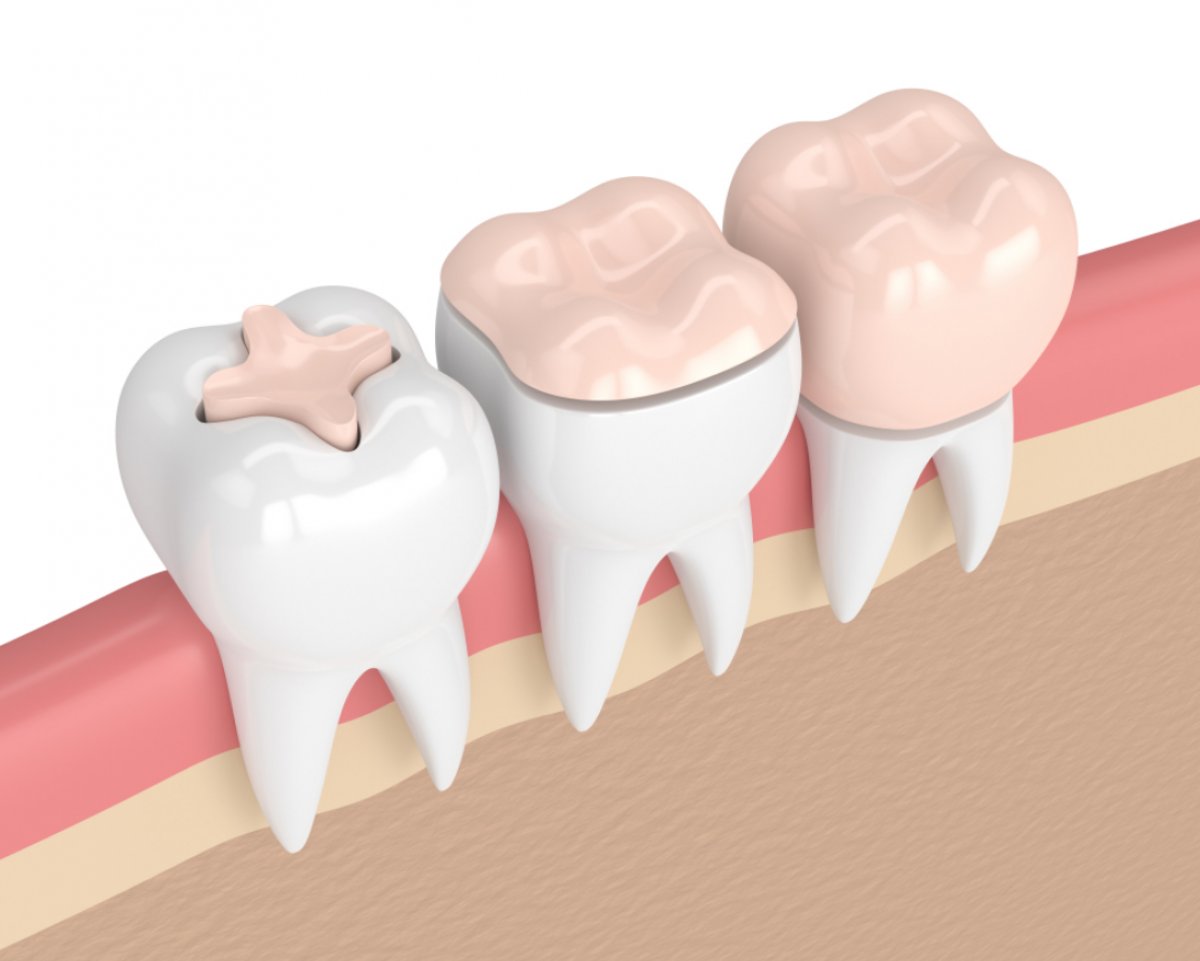
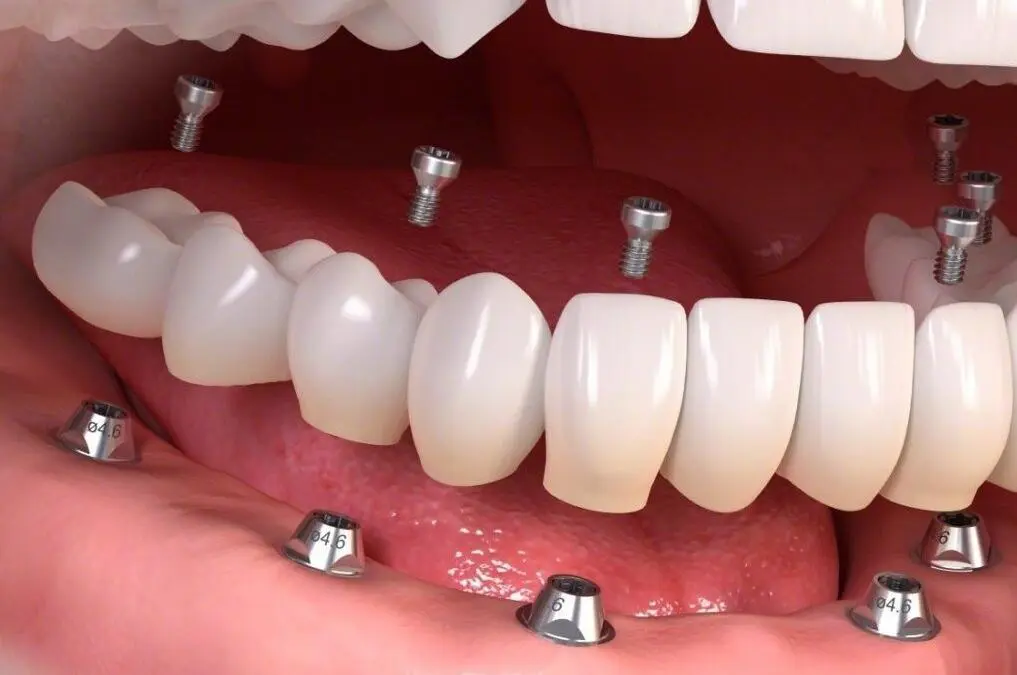
Implant treatment is a surgical prosthetic approach that involves titanium or zirconium screws placed in the jawbone to fulfill the function of lost tooth roots, along with crowns mounted on these screws. Bridge treatment is a traditional restoration method based on reducing the enamel layer of the healthy neighboring teeth on both sides of a toothless gap and covering the missing tooth with a suspended body (pontic) through supports placed on these teeth.
The fundamental difference in definition is manifested in the anatomical area where the force is transmitted. While artificial root systems directly transmit the load to the jawbone, bridge systems transfer the chewing pressure to the neighboring teeth beside the gap. This structural distinction is a key factor that determines the long-term biomechanical behaviors of both methods and their interactions with surrounding tissues.
In Which Situations is an Implant Preferred, and in Which Situations is a Bridge Preferred?
Artificial root applications are generally planned for individuals with sufficient jawbone volume, who are suitable for surgical intervention regarding general systemic health, and in single or multiple gaps where the structure of the neighboring teeth is not desired to be compromised. Bridge treatment, on the other hand, is evaluated in cases where the patient does not wish to undergo surgical operations, is not suitable for additional graft (bone) surgeries due to bone deficiency, or wishes to achieve prosthetic restoration within a shorter time frame.
During the clinic evaluation stage, doctors examine the location of the gap. For example, it is anatomically impossible to perform a classic bridge in situations where there is no other tooth behind a free-end gap (lack of teeth) to support the denture; in such areas, artificial roots are not the only solution but serve as a fundamental prosthetic alternative. Conversely, if there are non-vital teeth with significant fillings or root canal treatments on both sides of the gap, creating a bridge can make it feasible to consolidate these teeth under a single treatment plan.
What are the Differences Between the Application Processes and Healing Timelines?
Implant placement is a medical process that involves a surgical stage, healing of the gum tissue, and a biological period of several months required for the screw to integrate with the bone (osseointegration). In contrast, since there is no surgical procedure involving the interior of the bone in bridge treatment, the reduction of adjacent teeth, taking measurements, and completing laboratory stages are generally finalized within a few weeks, allowing for the fixation of prosthetic teeth.
This significant difference in the timeline affects patients’ daily living planning. In the table below, the clinical processes and application characteristics of both methods are summarized for comparison:
| Evaluation Criteria | Implant Application | Bridge Treatment |
|---|---|---|
| Surgical Intervention | A surgical operation is required for the placement of the screw into the jawbone. | No surgical procedure is performed inside the bone; only tooth reshaping is done. |
| Treatment Duration | The treatment is spread over months while waiting for bone integration. | It is completed within a few weeks with measurements and laboratory stages. |
| Steps of the Procedure | Examination, tomography, surgery, waiting, impression taking, and crown assembly. | Tooth preparation, impression taking, temporary placing, and permanent bridge construction. |
How Are the Effects on Neighboring Teeth Differentiated?
In artificial root applications, no mechanical or abrading intervention is made on the neighboring natural teeth located on the right and left of the gap, and these teeth are preserved with their original structure and enamel. In bridge treatment, however, it is a medical necessity to trim and reduce the enamel of the healthy neighboring teeth surrounding the gap to replace the missing tooth.
Preservation of dental tissue is one of the focal points of modern dentistry. Cutting neighboring teeth can lead to the loss of the enamel layer of those teeth and, in the long term, may increase sensitivity or risk of fracture. Artificial roots are considered as an independent unit, thus preserving the natural anatomy and biological health of the neighboring teeth.
What Are the Effects on Jawbone Health and Physiology?
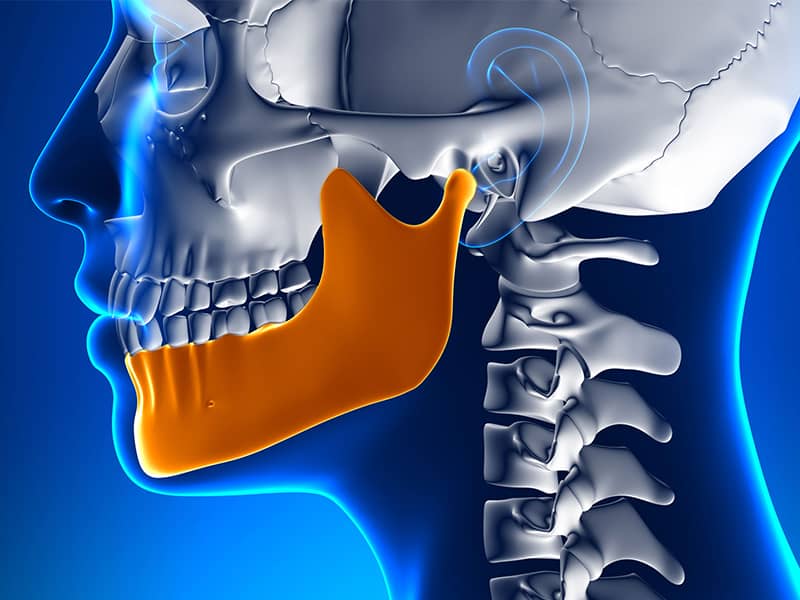
Artificial roots transmit the mechanical pressure that occurs during chewing directly to the jawbone, stimulating the bone cells and helping to slow down the resorption process in the toothless area. In bridge treatment, since the body part rests lightly on the gum tissue and does not transmit functional load to the underlying jawbone, the bone tissue beneath the gap may continue to resorb vertically and horizontally over time.
The presence of the physiological stimulation mechanism plays a critical role in maintaining the form of the jaw skeleton. Lack of stimulation can lead to a reduction in the jaw over the years and changes in the levels of gum tissue. This situation can pave the way for small gaps to form under bridges over time and adversely affect aesthetics.
What Easiness Does Daily Hygiene Provide in Terms of Cleaning and Maintenance of Dental Implants?
Single crowns supported by artificial roots can be easily cleaned around independently with standard toothbrushes, dental floss, and interdental brushes just like natural teeth. In bridge treatments, however, since multiple units are connected as a block, special bridge floss or mouth toothpicks are required to clean the lower part of the body (pontic) that fills the space of the missing tooth.
The practicality of daily hygiene routines directly affects long-term tissue health. Since there is a high potential for food debris accumulation under bridges, neglecting the cleaning of these areas can lead to tissue problems in the surrounding teeth. In artificial root systems composed of independent units, individuals can comfortably continue their standard care habits applied to their natural teeth.
How Are Durability and Service Life Criteria Compared?
Artificial roots have high mechanical resistance and potential for long-term use because they provide complete biological integration with the jawbone and directly transmit chewing forces to the skeleton. Bridge systems can also serve for many years if made correctly; however, a fracture or root problem in the neighboring teeth supporting the bridge can jeopardize the integrity of the entire bridge system.
The condition of support units is crucial in assessing durability. When there is a problem in an artificial root system, usually only the relevant unit is intervened; however, if one of the support teeth in the bridge system is damaged, the entire restoration may need to be renewed. This situation emphasizes the importance of structural independence in long-term planning.
How Are Costs and Long-Term Assessments Made?
Dental implant applications present a higher initial cost due to the surgical procedures involved, the quality of biocompatible titanium materials used, and laboratory precision. In contrast, bridge treatment may appear to be a more economical option initially, as it does not involve surgical costs and the laboratory processes are completed more quickly.
However, when long-term cost analyses are conducted, factors such as the wear of bridge-supported teeth over time and the need for replacement due to issues that may arise with the supporting teeth can alter the cost balance. Artificial roots protected with proper hygiene can support economic balance by providing a prolonged lifespan due to their long-term durability.
Which Systemic Conditions Change the Choice Between These Two Treatments?
Systemic conditions such as uncontrolled diabetes, past radiotherapy treatments to the head and neck area, or the use of active medications that suppress bone metabolism may lead to the selection of non-surgical methods like bridges instead of implantology applications since they may hinder surgical healing. In individuals with stable systemic health, both methods can be evaluated based on the radiological assessments conducted by the physician.
Health history (anamnesis) forms the basis for treatment planning. In patients with coagulation disorders or chronic conditions that weaken the connective tissue system, prosthetic solutions are considered only after assessing the surgical risks. In the presence of such medical constraints, bridge alternatives that do not involve surgical procedures can create a safe clinical route.
How are Aesthetic and Natural Appearance Expectations Met?
Artificial roots, which rise naturally from inside the gum tissue like a natural root and are supported by zirconium-based crowns, provide the most aesthetically pleasing and natural appearance, especially in the anterior area. In bridge treatment, depending on the gradual resorption of the gum tissue, metal reflections or small gaps may occur from the body part, which may require additional adjustments in cases where aesthetic expectations are high.
The harmony of the gums, referred to as pink aesthetics, is of great importance along the smile line. Artificial roots create a symmetrical emergence profile since they maintain the form of the gum tissue. In bridge systems, as the bone deteriorates, any recesses that may form in the gum can cause the porcelain tooth to appear longer compared to other teeth.
What are the Frequently Asked Questions?
1. What is the primary difference between an implant and a bridge?
The main difference is that artificial roots provide independent support by being screwed into the jawbone, while bridges operate on the principle of reducing neighboring teeth by cutting them.
2. Which treatment is completed in a longer time frame?
Since implant applications require a waiting period for bone integration (osseointegration), they take significantly longer to complete compared to bridge treatments.
3. Do neighboring teeth get damaged in bridge treatment?
Yes, neighboring healthy teeth must be reduced by undermining the enamel layer on both sides of the gap to create the bridge supports.
4. What method prevents jawbone resorption?
Artificial roots help to stimulate the bone tissue by directly transferring chewing pressure to the jawbone, assisting in slowing down the resorption process.
5. Can implants be made for any tooth loss?
Implants can be made for almost any individual who has suitable general systemic health and sufficient bone mass in the jaw (or can be supported with grafts).
6. For whom is bridge treatment a more suitable option?
It is a suitable alternative for individuals who do not want to undergo surgical operations, those with insufficient bone, or those who want to achieve a prosthetic tooth in a shorter time.
7. In terms of cleanliness and daily maintenance, which is easier?
Since implants are independent units, they can be cleaned as easily as natural teeth, whereas special dental threads must be used under bridges.
8. Aesthetically, which provides a more natural appearance?
Implants provide the closest aesthetic result to reality since they emerge from the gum like a natural tooth and maintain the bone’s shape.
9. Why is there a difference in costs between the two methods?
The applications of implants involve surgical processes, biocompatible titanium materials, and precise laboratory equipment, leading to different initial costs.
10. Which method has a longer duration of use?
With proper oral care and regular doctor check-ups, implants can be used problem-free for many years.
11. For those with systemic discomfort, is bridge replacement recommended instead of surgery?
In uncontrolled systemic diseases, considering the surgical risks, non-surgical bridge alternatives can also be evaluated.
12. How is food accumulation under bridges prevented?
Special sponge-like dental floss (superfloss) that has been produced for cleaning the spaces under the bridge should be used regularly to prevent food accumulation.
13. Can patients with a fear of surgery prefer a bridge?
Bridge treatment, which does not involve surgical intervention, is a commonly preferred prosthetic option for patients with a fear or phobia of surgery.
14. How do the loads on the jaw joint change in two ways?
While artificial roots transfer force to the skeleton in a balanced manner, bridges transfer the entire load to a limited number of neighboring teeth.
15. How is the treatment option chosen according to Avrupadent standards?
In clinical examinations, the patient’s anatomical structure, radiological data, and expectations are analyzed to determine the most suitable prosthetic roadmap customized for the individual.