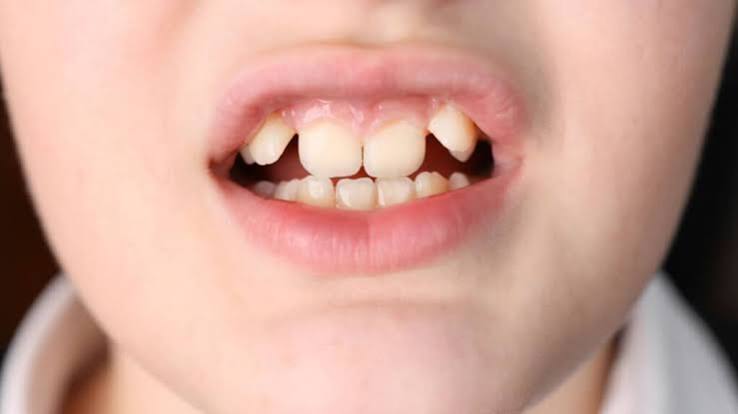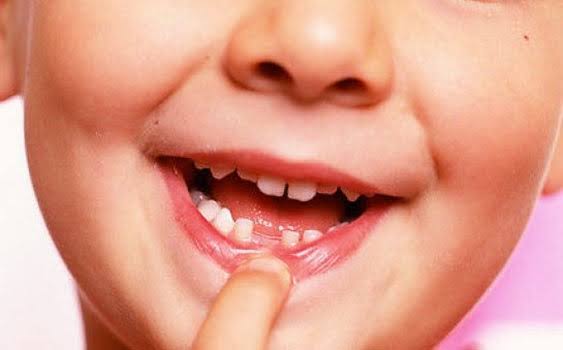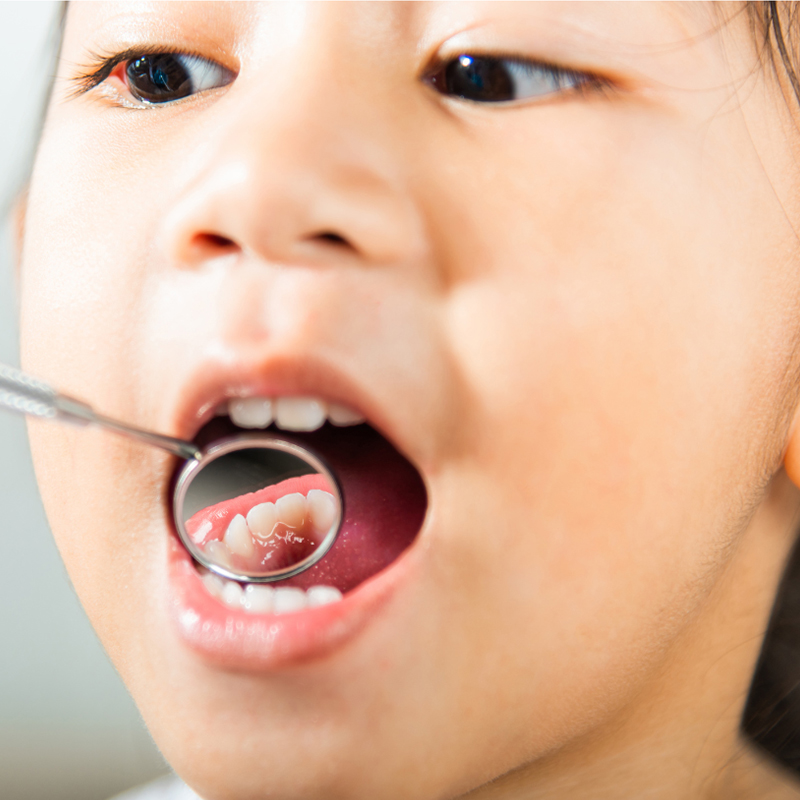

The teething process in babies is an important and delicate period for both the baby and the parents. During this process, babies go through several stages of development concerning their oral and dental health. Teething generally begins around the 6th month, but the speed and timing of teething can vary for each baby. The stages of teething are usually ordered as the development of teeth, their eruption from the gums, and finally their complete alignment. Eventually, a total of 20 milk teeth will appear in the baby’s mouth, and these teeth contribute to the child’s nutrition and speech functions until the development of permanent teeth.
When Does Teething Usually Start in Babies?
The teething process in babies usually starts between 4 to 7 months, and the first teeth to come through are typically the lower front incisors. However, each baby’s teething process can vary, with some babies cutting their teeth earlier while for others, this process may be delayed. Various factors are effective in the timing of the teething process.
-
\t
- Genetic traits
- Gender
- Nutritional status
- General health status
\t
\t
\t
Genetics play an important role in the timing of the teething process. The timing of teething in parents or siblings can have a similar effect on the baby’s teething process. Additionally, research has shown that girl babies tend to start teething earlier compared to boys. Balanced and adequate nutrition is also an important factor in dental health; a diet rich in calcium and vitamin D is known to support tooth development. Furthermore, certain health issues or developmental delays can also cause delays in the teething process.
The teething process in infants is generally considered to fall within a broad normal range, so early or late teething situations are usually not a cause for concern.
What Are the Signs and Symptoms of Teething?
The teething process can manifest in many signs in infants, and during this period, differences may emerge in their behaviors. Common signs encountered during this process reflect the discomfort in the infants’ gums. The primary signs exhibited by teething babies include:
- Gnawing on their hands or toys
- Increased drooling
- Rubbing their gums
- Being restless and irritable
- Disruption in sleep patterns
- Pulling at their ears
- Showing redness on the face
- Loss of interest in hard foods
- Slight fever elevation
The teething period can be physically and emotionally challenging for infants. Especially at times when pain increases, babies may cry more than usual, which can be a source of concern for parents. These symptoms can vary in intensity and duration in each baby. Additionally, infants’ bonding systems may be more sensitive during this period; therefore, if teething symptoms are accompanied by high fever or severe discomfort, it is important to consult a doctor. Providing infants with cold teething rings or clean cloths as soothing items can help alleviate discomfort in their gums.
What Challenges Do Babies Face at Each Teething Stage?
The teething process is a period of discomfort for babies, and each stage presents different challenges. In the initial phase, when the teeth begin to develop, babies may become restless due to pressure felt underneath the gums. Since the teeth have not yet emerged, the signs observable during this phase are usually limited, but some babies may experience gum sensitivity.
In the eruption phase, which is the process when the teeth start coming through the gums, the symptoms become more pronounced and can affect the baby’s comfort more significantly. The main challenges encountered at this stage include:
- Gum swelling
- Excess saliva in the mouth
- Desire to chew on objects
- Disruption in sleep patterns
- Reduced appetite
- Slight fever
The final stage is when the teeth have fully emerged and have started to settle in. Despite the teeth now being out, sensitivity in the gums may still persist. At this stage, oral care may become challenging; due to the sensitivity of the gums, the baby may experience discomfort during teeth cleaning. Each baby’s teething experience is different, with some navigating this process with fewer issues while others may face more difficulties. An increase in fever or excessive restlessness may not be a normal part of the teething process; it is advisable to consult a specialist if such symptoms occur.
How Can Parents Soothe Their Teething Babies?
The teething period for babies can be challenging for both babies and parents. There are some effective methods to alleviate the discomforts experienced by babies during this process and to ensure a more comfortable teething period. Proper methods applied to babies’ sensitive gums can help them relax and facilitate the process.
- Teething massage for delicate gums
- Use of cold teething rings or spoons
- Teething toys
- Pain relief as recommended by the doctor
- Avoid gels containing benzocaine and lidocaine
- Pay attention to oral hygiene
- Offer hard but safe foods
These recommendations aim to soothe the baby during the teething process. The cold teething rings and teething toys used to relieve gum discomfort should be specially selected and suitable for the baby’s health.
When Should Parents Consult a Pediatrician About Teething?
Although teething presents different symptoms in each baby, some situations require parents to be more vigilant. Some signs that may appear in babies could indicate a health issue apart from teething, and it is important to consult a pediatrician in such cases. Here are some situations to watch for during the teething process:
- High fever if it exceeds 38.3°C
- If unrest and discomfort last for an extended period
- If severe or prolonged diarrhea occurs
- If skin rashes spread beyond the mouth area
- If ear-pulling behavior occurs with fever or other symptoms
If any of these signs are observed in the baby, the teething process should be monitored more closely, and support from a specialist should be sought. During this process, if parents notice any unusual changes in their baby’s behavior or health status, medical evaluation may be necessary.