We are at your service with our 19 dental clinics in Izmir.

I will reach out to you.

What Are the Types and Variants of Dental Implants?

Contents

What Are the Types and Variants of Dental Implants in İzmir?

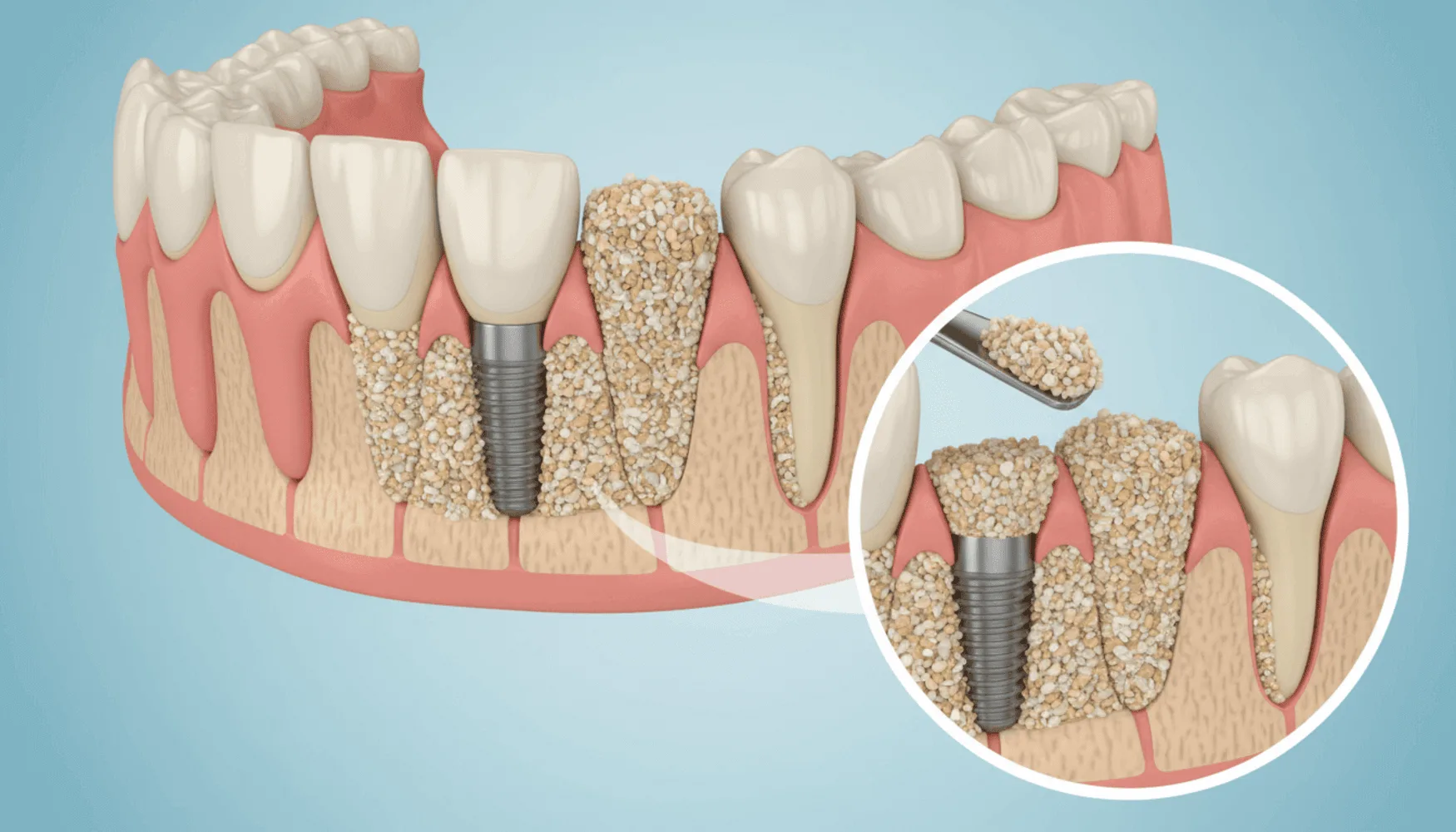
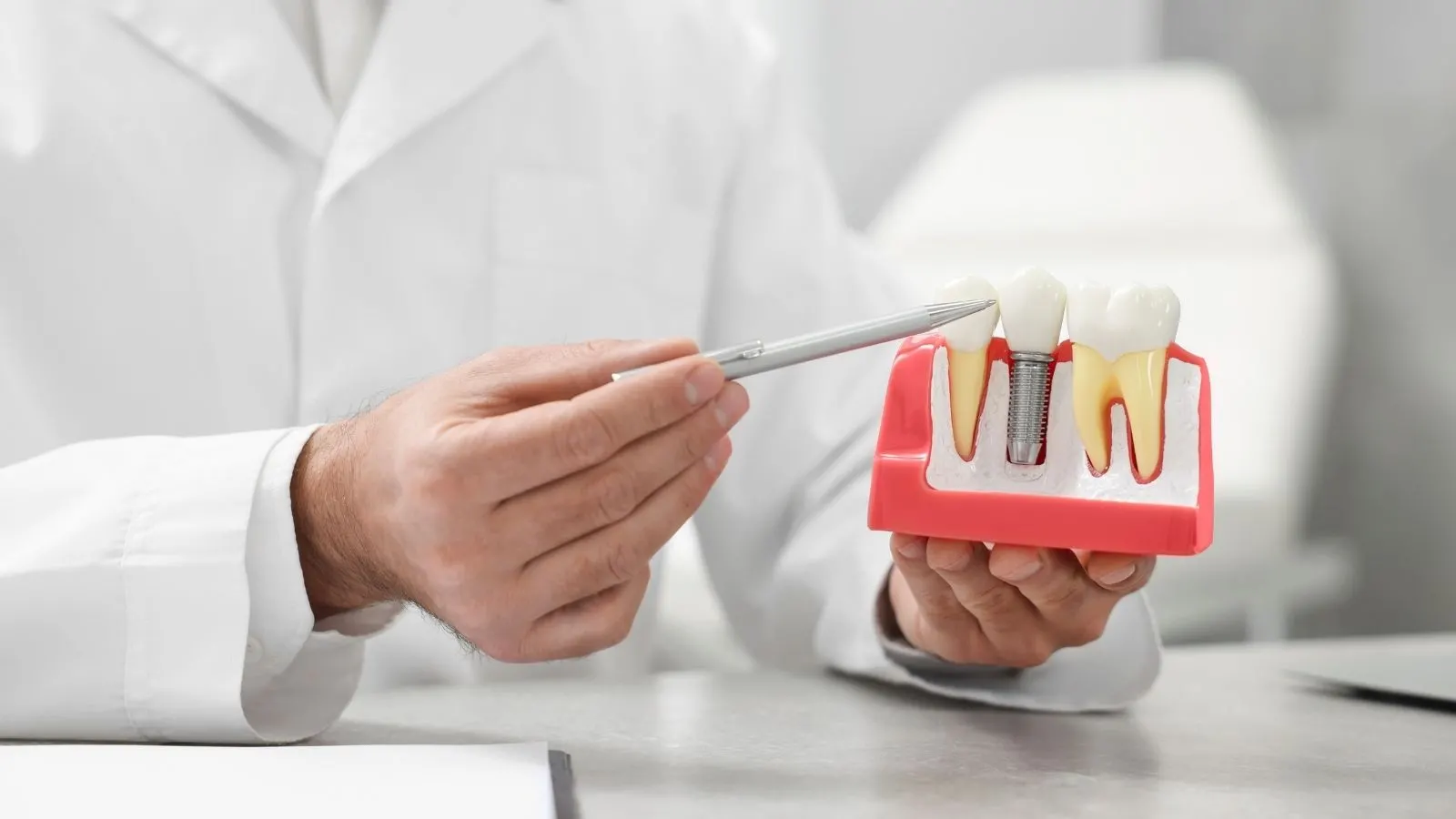
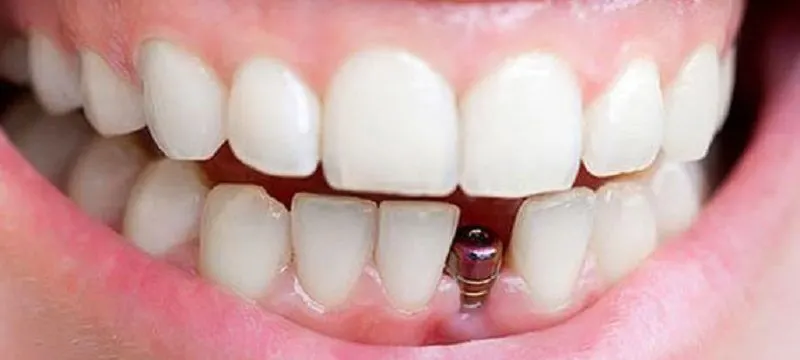
Artificial roots placed in the jawbone to compensate for tooth deficiencies are produced in various medical forms based on their biomechanical compatibility and tissue integration capacities. The question “What are the types and variants of dental implants?” varies according to individuals’ anatomical bone volume and gum thickness and is one of the fundamental analysis topics in prosthetic jaw surgery.

What Are the Types of Dental Implants and How Are They Classified Based on Anatomical Structure?

Artificial root systems are fundamentally divided into two medical categories: Endosteal (within the bone) and Subperiosteal (above the bone) based on their placements in the jaw tissue. Endosteal systems, commonly used in dental practice, are positioned directly within the jawbone; whereas subperiosteal systems are placed just beneath the mucosa of the gum as a skeletal framework in specific cases where bone volume is insufficient.
Anatomical Classification and Biomechanical Properties
ClassificationSurgical Placement AreaMedical Application Status
Endosteal SystemsInside the alveolar jawbone directly.Preferred in standard surgical procedures where there is sufficient bone thickness.
Subperiosteal SystemsOn top of the jawbone, beneath the gum (mucosa).Planned in cases with advanced vertical bone atrophy (resorption).

What Are the Biophysical Differences Between Titanium and Zirconium Materials?

Titanium materials exhibit biocompatibility that limits the body’s cellular rejection thanks to their high fracture resistance and the oxide layer on their surface. Zirconium (ceramic) structures, on the other hand, are alternative medical designs that create a superior physiological interaction with the mucosa of the gums due to their non-metallic, inorganic tissues that mimic natural enamel with their light permeability.
    \t

  • Titanium Alloys: The compressive strength against occlusal (chewing) stresses is quite high.
  • \t

  • Zirconium Forms: In aesthetic areas with thin gum tissue, it physiologically blocks metallic gray reflections.
  • \t

  • Surface Modifications: Both types of materials are produced with hydrophilic micro-pores that quickly attract blood clots.

Which Forms are Preferred According to Jaw Bone at Avrupadent Clinic Practice in Izmir?

In the medical evaluations conducted under Avrupadent in Izmir, using the hospital’s three-dimensional dental tomography (CBCT), the bone density is mapped; cylindrical designs are planned for hard (cortical) bones, whereas root-shaped screws with wider grooves in spongy bone tissues are designed to increase primary stability (initial retention).

Multidisciplinary evaluation boards determine a specific material geometry according to the metabolic and anatomical mapping of each patient. In clinical processes where two-dimensional data are insufficient, the Hounsfield (density) index of the jawbone is measured using digital software. The groove opening of the selected medical form is calibrated according to biomechanical principles that ensure balanced vector transfer of chewing forces to the jawbone.

What Alternative Surgical Designs are Applied in Advanced Bone Resorption?

In advanced atrophy (resorption) tables, where nerve canals or sinus cavities are approached, short materials measuring 4 to 6 millimeters that do not require bone graft surgeries or zygomatic implants fixed directly to the zygomatic bone in the upper jaw are utilized to preserve anatomical integrity.
  • Short Forms: In areas where the vertical bone distance has narrowed, the horizontal diameter is expanded.
  • Angled Systems: To avoid anatomical voids, they are positioned at 30-45 degrees to the jaw curves.
  • Zygomatic Structures: In extreme cases where the upper jawbone loses its function, chewing support is redirected to the cranial skeleton.

Other Blogs

Yakın çekimde kırık dişin detaylı görünümü – kırık diş ağrısı ve tedavi yöntemleri
What Helps an Abscess? Ice or Warm Compress?
Home measures do not cure an abscess; they only ease the symptoms. We explain the limits of a cold compress, rinse and pain reliever, and when to see a dentist.
Porselen Inlay Onlay Dolgular
How do inlay and onlay fillings differ from a normal filling?
Inlays and onlays are porcelain fillings made in a laboratory and bonded to the tooth. This guide covers the difference from a normal filling, suitable cases, sessions, what affects lifespan and care.
Why Are Dental Check-Ups Important for Children?

Why Are Dental Check-Ups Important for Children? Dental check-ups for children are extremely important for ensuring that oral, dental, and jaw development progresses healthily, identifying and stopping dental issues at the initial stage, and preventing potential skeletal disorders by taking advantage of growth potential. These check-ups form the basis of preventive health strategies that are […]

When Does Oral and Dental Health Begin in Children?

When Does Oral and Dental Health in Children Begin? Oral and dental health in children begins with the formation of milk tooth buds while the baby is still in the womb and turns into an active care process immediately after birth with the cleaning of the palate in the toothless period. With the emergence of […]