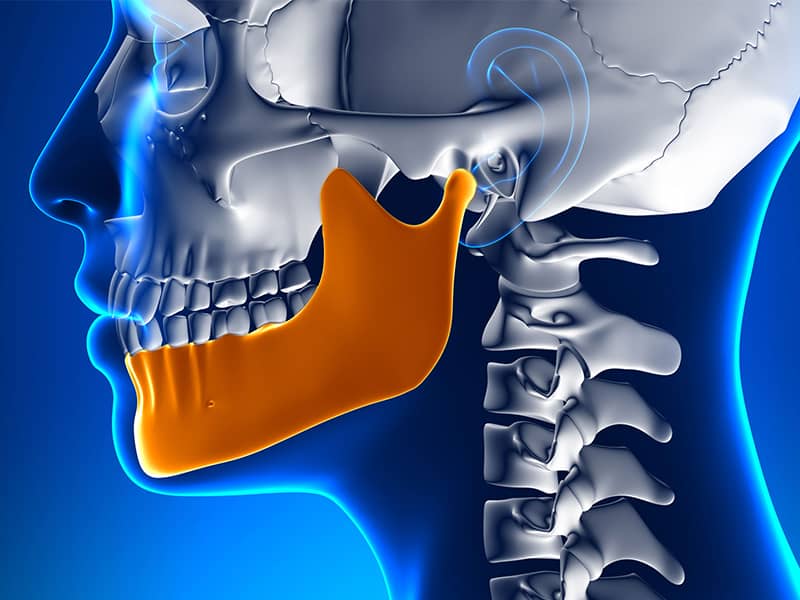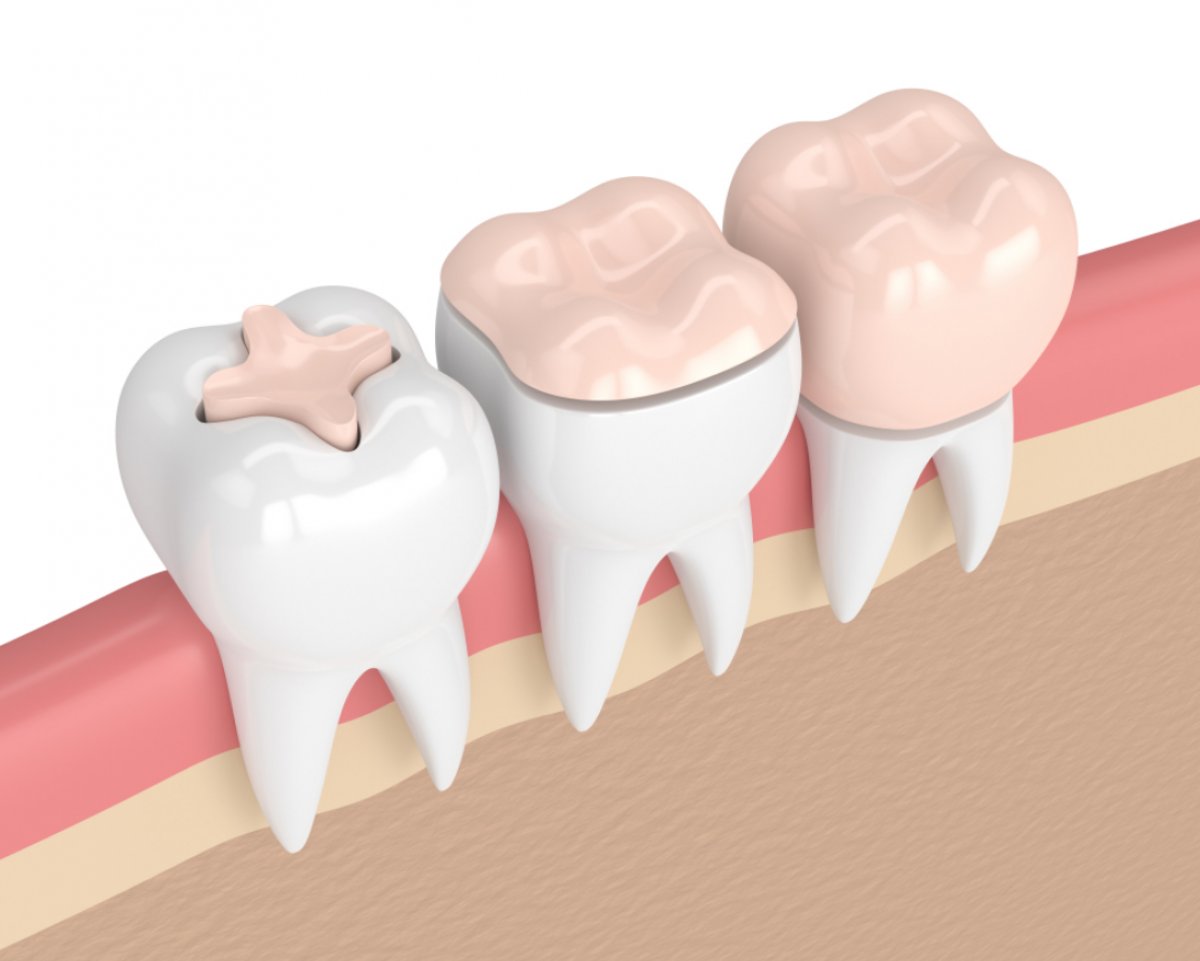

Dental implants are one of the permanent solutions used to address tooth loss and support jaw structure. They are generally classified into two main types known as endosteal and subperiosteal implants. Endosteal implants are the most commonly used type, made of titanium and placed in the jawbone. Subperiosteal implants, on the other hand, offer an alternative option for patients with insufficient bone height by being placed beneath the gum tissue above the jawbone. The implant procedure requires attention; the correct placement and compatibility of the implant with the bone during the healing process are of great importance.
What Are the Differences Between Endosteal and Subperiosteal Implants?
Endosteal and subperiosteal implants are the main types of implants used to address tooth loss. Both implant types differ in structural features and application techniques, providing a suitable solution for the patient’s jaw structure and needs:
-
\t
- Endosteal Implants
- Are in screw or cylindrical shape
- Made of biocompatible materials
- Placed directly into the jaw bone
- Serves as an artificial root
- Subperiosteal Implants
- Have a special metal frame structure
- Positioned on top of the jaw bone
- Located beneath the gum tissue
- Support prosthetics with vertical projections
\t
\t
\t
\t
\t
\t
\t
\t
\t
In endosteal implants, surgical intervention involves exposing the jawbone and placing the implant. In a process called osseointegration, the implant integrates with the bone, creating a solid foundation. Once this process is completed, the abutment and prosthetic teeth are placed. On the other hand, in subperiosteal implants, a metal framework specially manufactured according to the patient’s jaw structure is placed on top of the jawbone. As the gums heal, the framework is secured, and the excess supports the prosthetic teeth.
What are Mini Dental Implants and When Are They Used?
Mini dental implants (MDI) are a suitable type of smaller diameter implant, especially for patients with narrow jawbones or insufficient bone density. They are generally placed directly into the jawbone without cutting the gum tissue due to their thinner, one-piece design, making the procedure less invasive. The diameter of mini implants is less than 3 mm, making them ideal for patients with narrow spaces or limited bone structure. A prosthetic tooth can often be placed on the same day, thus speeding up the treatment process.
Basic features of mini dental implants:
-
\t
- Small diameter
- One-piece structure
- Immediate loading capability
- Placement without cutting the gums
\t
\t
\t
Among the advantages of MDIs are requiring less surgical intervention, offering a rapid healing process, and being more cost-effective compared to traditional implants. These implants are especially effective in stabilizing loose prosthetic teeth; they reduce the movement of dentures, providing the patient with a more comfortable experience. At the same time, they eliminate the need for bone grafts in patients with limited bone volume.
Mini implants can be preferred according to various clinical requirements. Commonly used areas include:
-
\t
- Denture stabilization
- Replacement of small teeth or teeth in narrow areas
- Use as a temporary stabilizer in orthodontic treatments
However, mini implants may not be suitable for every patient. They are not preferred in areas with high chewing force or to replace large molars. Their durability is limited due to their smaller diameters and their resistance to high pressures is lower. For this reason, the suitability of MDIs must be carefully evaluated for each patient; a comprehensive examination by the dentist is essential in determining the correct treatment option.
What is the All-on-4 Implant Technique?
The All-on-4 implant technique is an innovative method developed to offer a permanent dental solution in a short time for patients who have lost their teeth or have severely damaged teeth. In this technique, four implants are strategically placed, and a full fixed prosthesis is applied on top of the implants. The success of the All-on-4 method is based on the special angle and positioning of the implants, thus providing a stable structure even in areas with low bone density.
The features of this method include:
- Suitable for completely edentulous or severely tooth loss patients
- Successful in individuals with sufficient bone density in the anterior region
- Provides a stable and long-lasting dental solution
The All-on-4 procedure consists of several key stages. First, a clinical assessment is performed; the condition of the patient’s jawbone and overall health is analyzed in detail through examination and imaging. Afterwards, the implants are placed; the anterior implants are fixed vertically, while the posterior implants are anchored to the jawbone at an angle of approximately 30-45 degrees. This angle allows sufficient stability even in patients experiencing bone loss and reduces the need for additional bone grafts.
The healing process after treatment typically lasts 2-3 months, during which the patient has a functional temporary prosthesis from the first day. In the final stage, a permanent prosthesis is placed to achieve a natural and aesthetic appearance.
How Does the Zygomatic Implant Technique Address Severe Bone Loss?
Zygomatic implants are a specially developed treatment option for patients experiencing severe bone loss in the upper jaw. This method is used when there is insufficient bone volume in traditional implant applications and is placed in the zygomatic bone (cheekbone) instead of the upper jawbone. The zygomatic bone, due to its denser structure, provides a strong and durable foundation for the implant, allowing patients to use a fixed prosthesis shortly after the surgical procedure.
Advantages of zygomatic implants:
- Does not require a bone graft
- Shorter treatment time
- No need for sinus lifting procedure
- Utilizes the zygomatic bone instead of support from the upper jaw
- Provides high stability
- Temporary prosthesis can be immediately applied after surgery
The difference between zygomatic implants and traditional implants is their lengths and placement angle. These implants are significantly longer than standard implants, ranging from 30-52.5 mm, and are placed at an angle to engage the zygomatic bone by passing through the jawbone. This special placement technique offers a permanent solution for patients with bone loss, as it provides rapid functionality unlike traditional methods. Zygomatic implants effectively eliminate the problems caused by bone loss, delivering serious aesthetic and functional benefits and increasing patient satisfaction.
What Are the Basic Steps of the Dental Implant Procedure?
Dental implant procedures are a comprehensive treatment process aimed at providing a permanent solution for lost teeth. Each step is meticulously planned, taking into account the durability and aesthetic appearance of the health implant. The basic steps followed in this process are as follows:
-
\t
- Initial evaluation
- Medical history review
- Clinical examination
- Dental imaging
- Treatment plan preparation
- Anesthesia application
- Gum incision
- Osteotomy opening
- Implant placement
- Closure with sutures
- Osseointegration process
- Bone healing
- Abutment placement
- Second surgery (if necessary)
- Attachment of the healing cap
- Prosthesis follow-up
- Prosthesis production
- Placement of the prosthesis
\t
\t
\t
\t
\t
\t
\t
\t
\t
\t
\t
\t
\t
\t
\t
\t
\t