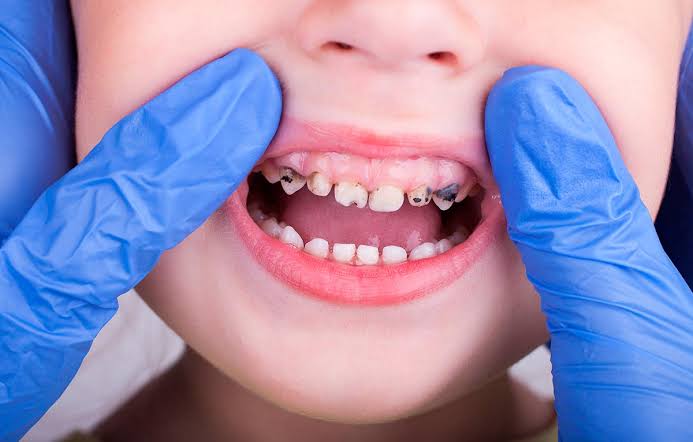

Gum bleeding is usually a condition that arises from neglecting oral health, and plaque accumulation between the teeth is a primary cause of this issue. If these plaques, which lead to gum inflammation, are not cleaned, bleeding may increase. Additionally, diabetes, hormonal changes, certain medications, and deficiencies in vitamins C and K are also factors that prepare the ground for gum bleeding. To maintain gum health, regular tooth brushing, flossing, and professional cleaning by a dentist are crucial. Attention should also be paid to overall health for a healthy mouth.
| Definition | Gum bleeding is a condition where blood comes from the gums due to brushing, flossing, or spontaneously. It is usually a sign of gum diseases. | |||||||
| Causes | – Gingivitis: Inflammation of the gums caused by plaque accumulation. | – Periodontitis: Progression of untreated gingivitis leading to gum recession and bone loss. | – Incorrect Brushing Technique: Very hard brushing or using incorrect flossing methods. | – Vitamin Deficiencies: Deficiency in vitamin C (scurvy) and vitamin K. | – Hormonal Changes: Increased gum sensitivity during pregnancy, puberty, or menopause. | – Diabetes: Poor blood sugar control can increase gum diseases. | – Blood Disorders: Diseases like leukemia or clotting disorders. | – Tobacco and Alcohol Use: Negatively impacts gum health. |
| Symptoms | – Gum swelling, redness, and sensitivity. | – Bleeding during brushing or flossing. | – Bad breath (halitosis). | – Gum recession and tooth looseness (in advanced stages). | ||||
| Treatment Methods | – Attention to Oral Hygiene: Brushing at least twice a day and using floss. | – Tooth Cleaning: Getting professional tooth cleaning (scaling). | ||||||
| Prevention | – Regular tooth brushing and flossing. |
What Are the Common Causes of Gum Bleeding?
Common causes of gum bleeding can stem from various factors ranging from lack of oral hygiene to health problems. This condition is particularly prevalent in situations such as plaque accumulation and gum inflammation. It is important for an individual experiencing gum bleeding to understand the underlying factors behind this issue:
- Plaque accumulation
- Gum inflammation (gingivitis)
- Advanced gum disease (periodontitis)
- Hormonal changes
- Blood-thinning medications
- Diabetes and other systemic diseases
Plaque accumulation is one of the most common reasons that occur when tooth brushing and flossing are neglected. The formation of plaque leads to bacterial accumulation and irritation of the gums. If this process starting with plaque is not treated, it can evolve over time into inflammation, triggering gum bleeding.
Hormonal changes, especially during pregnancy, puberty, and menopause, can make the gums more sensitive. In these cases, it is known that the gums become more susceptible to bacterial accumulation. This sensitivity, caused by hormonal effects, can lead to easier occurrences of bleeding.
Some medications can also predispose to gum bleeding. Especially anticoagulants and other medications that reduce saliva production can cause dryness in the mouth, irritating the gums and leading to bleeding.
Systemic diseases such as diabetes are other factors that can affect gum bleeding. Imbalances in blood sugar can weaken the gums and make them more susceptible to infections.
Regular oral care is essential to prevent gum bleeding and maintain oral health. This includes preventing plaque formation and visiting the dentist for check-ups at recommended intervals. This not only ensures the health of the gums but can also prevent more serious gum diseases.
How Does Poor Oral Hygiene Lead to Gum Bleeding?
Poor oral hygiene negatively affects the gums by causing plaque accumulation on the surface of the teeth and along the gum line. Since this plaque contains bacteria, it irritates the gums and inflammation begins. This can lead to redness, swelling, and sensitivity in the gums, resulting in bleeding. If plaque is not regularly cleaned, it can turn into tartar, which can advance gum diseases.
To protect gum health, it is important to regularly brush teeth, use dental floss, and not neglect oral care. Especially professional dental cleaning prevents plaque and tartar formation, ensuring the continuation of gum health. Preventing gum bleeding also contributes to the prevention of advancing gum diseases.
Can Systemic Health Conditions Cause Gum Bleeding?
Systemic health issues play a significant role in gum bleeding. Diseases that negatively affect various functions of the body can weaken the gum health, potentially leading to bleeding. In such cases, the gums’ defense mechanism weakens, making them prone to inflammation, and bleeding becomes more frequent.
Some systemic health issues:
- Diabetes
- Leukemia
- Hemophilia
- Thrombocytopenia
Diabetes lowers the body’s resistance to infections by preventing the balance of blood sugar; this can cause an increase in bacteria in the gums and plaque formation. If these plaques are not cleaned, inflammation and bleeding become inevitable.
Blood diseases, especially conditions like leukemia, can cause an abnormal increase in white blood cells, resulting in swelling and sensitivity in the gums. In diseases that affect the blood’s clotting ability, such as hemophilia and thrombocytopenia, it is observed that the gums bleed more easily.
Vitamin deficiencies can weaken the connective tissues and reduce the resilience of the gums. A deficiency in vitamin C can cause sensitivity and bleeding in the gums, while a deficiency in vitamin K can hinder blood clotting, leading to increased gum bleeding.
When Should You Consult a Dentist for Gum Bleeding?
While gum bleeding can sometimes indicate a minor issue, in some cases, it may be a sign of serious gum diseases. In such cases, it is important to consult a dentist without delay to protect oral health and prevent more significant problems. If there are other symptoms observed alongside gum bleeding, these may indicate early stages of gum inflammation or other gum diseases. These symptoms include:
- Continuous bleeding
- Swollen or reddened gums
- Recession of the gums
- Loose or misaligned teeth
- Persistent bad breath
- Pus between teeth and gums
- Painful chewing
Early detection of these symptoms can prevent more complicated gum issues in later stages. Advanced gum diseases like periodontitis can lead to bone loss that may cause tooth loss. Neglecting gum health can adversely affect not only oral health but also overall health. Infections in the mouth can be linked to systemic diseases like cardiovascular diseases and diabetes.
How Can You Prevent Gum Bleeding in the Future?
Gum bleeding can be prevented by acquiring proper care and healthy habits. Maintaining oral hygiene, visiting the dentist regularly, and eating a balanced diet are essential steps for healthy gums. To avoid experiencing gum bleeding in the future, it’s important to pay attention to the following points:
- Brushing teeth: Gently brush your teeth at least twice a day with a soft-bristled toothbrush
- Using dental floss: Regularly use dental floss to clean between your teeth
- Antiseptic mouthwash: Use an antibacterial mouthwash to reduce plaque formation
- Teeth cleaning: Get professional teeth cleaning done twice a year
- Early detection: Notice potential problems early through regular dental check-ups
Moreover, a healthy lifestyle has a positive impact on gum health. Eating a balanced diet, especially foods rich in vitamin C and calcium, contributes to strengthening the gums. Limiting tobacco and alcohol use is an effective step in preventing gum bleeding; these substances can be harmful because they may cause irritation and infection in the gums. Avoiding stress and maintaining emotional balance strengthen the immune system and reduce the risk of infection.
The way to prevent gum bleeding is to pay attention to oral hygiene and make healthy lifestyle habits a part of life.