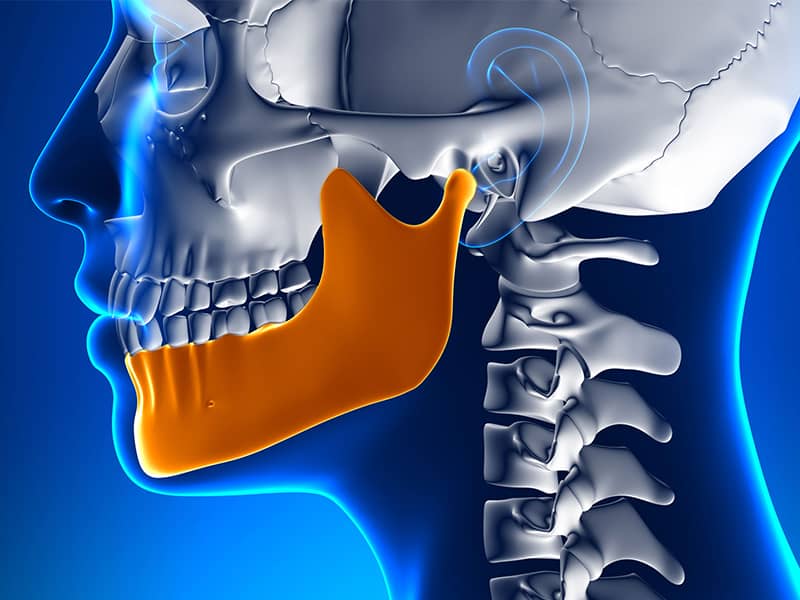

Bruxism, also known as teeth grinding, is a condition characterized by the involuntary clenching and grinding of teeth, especially during sleep. Over time, this can lead to tooth wear, jaw pain, and headaches. Various methods are applied in the treatment of bruxism to enhance the individual’s quality of life and preserve dental health. Treatment options include dental protective devices, stress management, muscle relaxants, and botulinum toxin injections. The appropriate treatment method is determined through individual assessments, and professional medical advice is essential.
| Definition | This is the condition where an individual consciously or unconsciously clenches or grinds their teeth. It usually occurs during sleep. |
| Causes | – Stress and Anxiety: Daily stress and tension can subconsciously lead to teeth grinding. – Sleep Disorders: Problems like sleep apnea can trigger bruxism. – Malocclusion: Misalignment of teeth. – Neurological Disorders: Associated with some neurological diseases like Parkinson’s. – Certain Medications: Antidepressants and stimulants may cause teeth grinding as a side effect. – Caffeine and Alcohol Consumption: Excessive intake can increase bruxism. |
| Symptoms | – Pain in the jaw, head, and facial area in the mornings. – Wear, cracks, or fractures in the teeth. – Pain and clicking sounds in the jaw joint (TMJ). – Sound of teeth grinding during sleep. – Gum recession and sensitivity. – Discomfort similar to ear pain. |
| Treatment Methods | – Using a Night Guard (Occlusal Splint): Special plates are used to prevent the damage caused by teeth grinding. – Stress Management: Stress can be reduced through methods such as yoga, meditation, or therapy. – Muscle Relaxants and Botox Treatment: May be used to relax the jaw muscles. – Dental Intervention: If there is severe wear on the teeth, filling, coating, or orthodontic treatment may be necessary. – Reducing Caffeine and Alcohol Consumption: Factors triggering bruxism should be kept under control. |
| Prevention | – Managing daily stress. |
What Are the Causes of Tooth Grinding (Bruxism)?
Tooth grinding or bruxism is a disorder that can be triggered by many factors and can negatively affect both dental health and quality of life. The underlying causes of bruxism manifest in different areas, and determining these factors is important in guiding the treatment process:
- Stress and anxiety
- Sleep disorders
- Medications and certain substances
- Genetic predisposition
- Personality traits
Bruxism can be directly related to an individual’s psychological state as well as linked to genetic heritage or sleep quality. The likelihood of experiencing bruxism increases, especially in individuals under significant stress or those with aggressive personality traits. Additionally, certain medications can trigger tooth grinding as a side effect. Improving an individual’s stress level and sleep quality during the treatment process may effectively reduce bruxism symptoms.
How Do Occlusal Splints Help Manage Bruxism?
Occlusal splints serve as an effective tool in managing occlusal compression and grinding (bruxism) conditions, contributing to the protection of dental health. These devices help minimize the damage that bruxism can cause to teeth by protecting them from the wear and fractures caused by direct contact. They reduce muscle tension by balancing the excessive activity of chewing muscles caused by bruxism. Particularly when used at night, they help relax the jaw muscles and alleviate excessive pressure on the teeth.
Occlusal splints are customized according to different needs, and each can support a different function:
- Stabilization splints
- Anterior bite splints
- NTI-TSS device
Stabilization splints fit fully over the teeth, providing a flat surface that aids in balanced occlusion and helps relax the jaw muscles. These types of splints support all teeth, providing balance and encouraging the coordinated functioning of the jaw muscles. Anterior bite splints only cover the front teeth and prevent the back teeth from making contact, which leads to reduced muscle tension. The NTI-TSS device wraps only around the upper front teeth, interrupting contact with the back teeth and facilitating relaxation of the jaw muscles.
This variety allows for the personalization of treatment methods tailored to each individual’s needs. However, it cannot be said that occlusal splints completely eliminate bruxism; these devices serve primarily as an effective solution focused on protecting the teeth. If used incorrectly, they can lead to changes in tooth alignment or cause problems like overheating. Therefore, it is crucial that occlusal splints are designed and applied by a dentist.
Which Behavioral Therapies Are Effective in Reducing Teeth Grinding?
Behavioral therapies are considered among the effective methods for reducing teeth grinding by targeting psychological factors in the treatment of bruxism. Developing coping skills for stress and learning relaxation techniques can help the individual gain control over teeth clenching.
The highlights among these therapies include:
- Stress management techniques
- Progressive muscle relaxation exercises
- Mindfulness exercises
- Yoga and meditation
- Cognitive Behavioral Therapy (CBT)
Recognizing muscle tension throughout the day and progressively relaxing this tension is important in order to reduce the impact of stress on bruxism. Additionally, through therapies like CBT, individuals find opportunities to change the thought patterns that trigger teeth clenching habits. The benefits obtained from these therapies vary by individual, but it has been observed that behavioral therapies provide long-term improvement.
Can Medications Help in the Treatment of Bruxism?
Medications in the treatment of bruxism may provide a temporary solution to alleviate pain and muscle tension associated with teeth grinding and clenching. These treatments play a supportive role, especially in cases of bruxism developed due to stress or anxiety, and can be used alongside other methods. However, the side effects of medications, risks of dependency, and effectiveness levels should be considered, thus short-term and careful use is recommended.
Muscle Relaxant Medications:
- Diazepam
- Tetrazepam (no longer used)
- Anxiolytics (Anxiety-Reducing Medications)
- Buspirone
Other Medication Options:
- Amitriptyline (tricyclic antidepressant)
- Levodopa (treatment related to dopamine)
Beta-Blockers and Other Medications:
- Propranolol
While medication treatments can help alleviate the symptoms of bruxism, they may not provide a permanent solution for the long-term management of this discomfort. In addition to stress management techniques such as relaxation methods and behavioral therapy, the use of mouth guards stands out as a more sustainable and side-effect-free option compared to medications. Therefore, if medication treatment is to be preferred, it should definitely be applied under the supervision of a specialist and for a short term.
How is Bruxism Stopped with Dental Treatments?
Bruxism, known as the problem of teeth grinding, can be controlled through various dental treatment methods, which can improve the patient’s quality of life during this process. Dental treatments help prevent the formation of wear and cracks by preserving the tooth structure. Some effective dental treatments used in the treatment of bruxism include:
- Occlusal splints
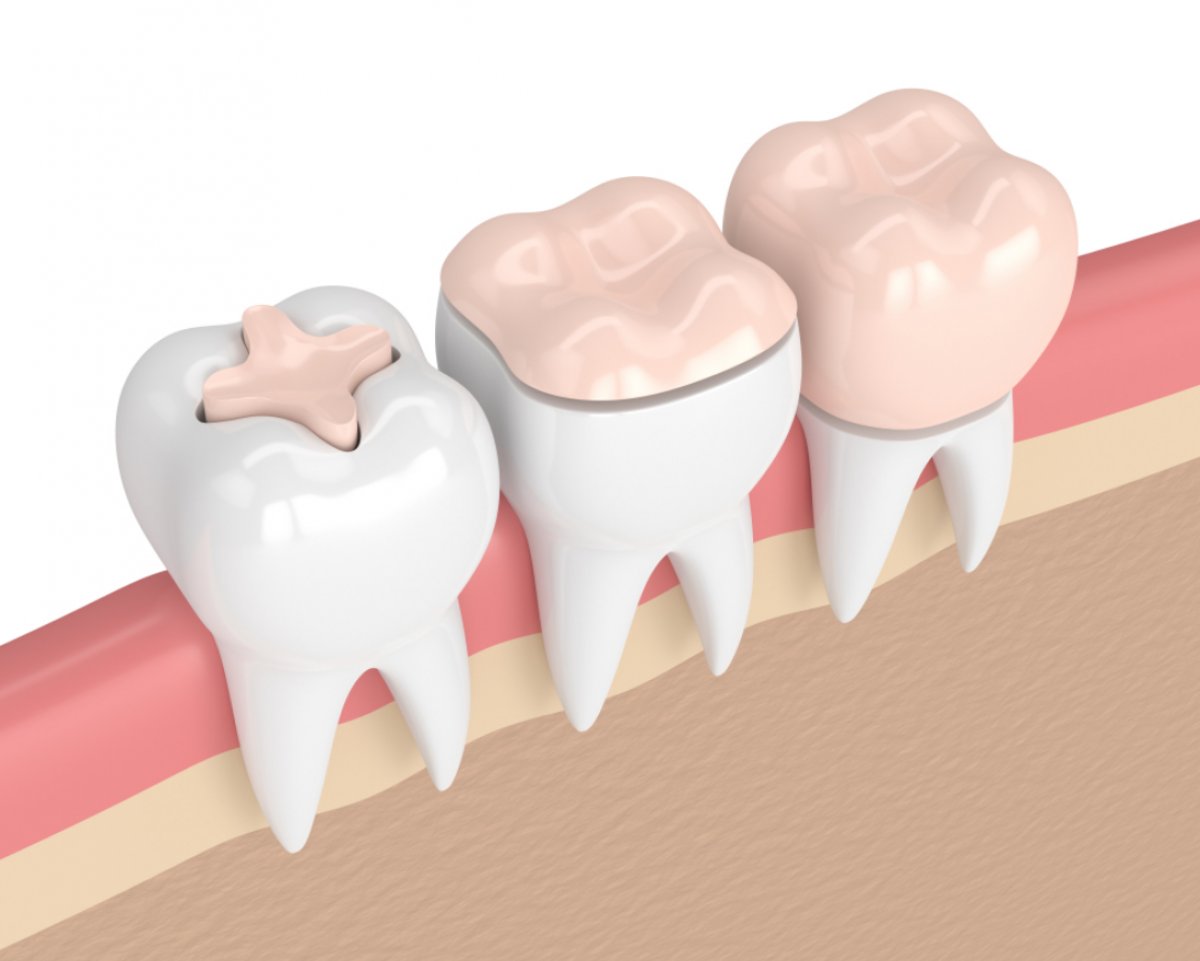
- Restorative dental treatments
- Botox injections
- Orthodontic treatments
- Behavioral therapies
Occlusal splints reduce the effects of bruxism by protecting the teeth during the night and prevent tooth grinding. Restorative dental treatments are applied to repair cracks, fractures, and wear in the teeth. Correcting the damage caused by bruxism ensures that the teeth regain their healthy appearance and function. Botox injections are applied to the masseter muscles, preventing overactivity of the jaw muscles and reducing the grinding motion. Orthodontic treatments eliminate the factors that trigger bruxism by correcting the inconsistencies in the teeth. Behavioral therapies also support the prevention of bruxism through methods like stress management.
Since each person’s bruxism condition may be different, treatment methods must be planned specifically for the individual. Dentists and specialists perform detailed examinations to determine the appropriate treatment options and apply various treatment methods together when necessary.