
Pain after wisdom tooth extraction can be quite uncomfortable for many individuals and requires effective pain management. Scientific studies indicate that using ibuprofen and paracetamol together provides the highest efficacy in pain relief treatments. This combination not only reduces pain but also prevents inflammation. Additionally, minimally invasive surgical methods such as laser or piezoelectric techniques can significantly alleviate pain during the healing process. For patients sensitive to painkillers, transcutaneous electrical nerve stimulation (TENS) or other pain modulation techniques offer alternative solutions.
What Are the Common Causes of Wisdom Tooth Pain?
There are many reasons for wisdom tooth pain related to the way the tooth comes in and the surrounding tissues. The primary causes of this type of pain generally stem from the tooth failing to find space in the mouth or its interaction with surrounding tissues. In some cases, inflammation or infection may accompany the pain, leading to discomfort in the tooth and its surroundings.
Common causes of wisdom tooth pain include:
-
\t
- Tooth clenching
\t - Formation of pericoronitis
- Cavity and gum diseases
- Cyst formation
\t
\t
Each of these conditions can lead to pain, tenderness, and other discomforts around the tooth. Particularly, inflammation around the wisdom tooth can reach a level that affects daily life. The severity and duration of the pain may vary depending on the position of the tooth in the mouth, its size, and its relationship with other teeth.
How Do Over-the-Counter Medications Alleviate Wisdom Tooth Pain?
Twenty years of wisdom stands out as a discomfort that challenges the individual in daily life, and during this process, some over-the-counter medications are used to alleviate pain. Notably, pain relievers such as ibuprofen and acetaminophen are effective against inflammation and pain.- Ibuprofen inhibits the production of substances that cause pain and inflammation in the body.
- Acetaminophen affects pain in the brain and is suitable for those with higher stomach sensitivity.
Both medications play a significant role in managing pain from wisdom teeth extraction. Ibuprofen reduces inflammation with its anti-inflammatory properties, while acetaminophen simply provides pain relief and is considered safer for individuals with stomach discomfort.
The combination of these two drugs is recommended as studies show it provides more effective pain management. Using both ibuprofen and acetaminophen together after wisdom teeth extraction enhances each one’s effect while minimizing the risk of side effects. This way, both medications can be used at lower doses to ensure safety.
Dosage Information:
- Ibuprofen: Usually 200-400 mg can be taken every four to six hours, with a maximum daily dose of 1200 mg.
- Acetaminophen: Can be used between 500-1000 mg every four to six hours, and should not exceed a daily limit of 3000 mg.
When used at the correct dosage, these medications are safe; however, long-term use can pose risks. Ibuprofen should be taken with caution for stomach and kidney health; acetaminophen can harm the liver in excessive doses. If pain persists, it is essential to consult a doctor for proper pain management.
When is Surgical Intervention Needed for Wisdom Teeth Pain?
Wisdom tooth pain at the age of twenty can sometimes necessitate surgical intervention. These teeth can lead to problems in the surrounding teeth and gums due to their growth form and positioning. Issues requiring intervention include the tooth pressing against the jawbone or other teeth, inflammation, or the formation of cysts. Below are a few of the conditions that stand out in this category:
- Incomplete eruption of the tooth
- Frequent infections in the surrounding gum tissue
- Cavities progressing to an untreatable level
- Formation of cysts or tumors
- Obstruction of orthodontic treatment
- Inability to treat broken teeth
Surgical intervention is necessary to reduce pain caused by these issues, prevent infection risk, and protect oral health. Particularly, situations where cysts form in the jawbone or tumors develop not only aim to control pain but also maintain the health of the bone structure. In these situations, timely intervention helps prevent potential complications. Additionally, the extraction of wisdom teeth during orthodontic treatment ensures a healthier alignment of the teeth and represents a significant step for long-term oral health.
How Does Proper Oral Hygiene Affect the Management of Wisdom Tooth Pain?
The importance of oral hygiene in the management of wisdom tooth pain is significant. Paying attention to oral hygiene reduces the risk of inflammation and supports pain management. In particular, food residues accumulating around partially erupted wisdom teeth can lead to infection and inflammation. Regular care cleans these accumulations and lowers the risk of infection.
- Daily tooth brushing
- Use of dental floss
- Antibacterial mouthwash
Professional dental cleaning comes into play in situations where maintaining hygiene at home is difficult. This procedure effectively removes tartar and plaque buildup around the teeth, reducing the risk of inflammation, and thus contributes to the management of wisdom tooth pain. This professional cleaning performed by dentists is important not only for the teeth but also for the overall health of the mouth.
According to research, individuals who do not pay attention to oral hygiene have been observed to experience more pain after tooth extraction.
What Are the Possible Complications of Untreated Wisdom Tooth Pain?
Untreated wisdom tooth pain can have serious effects on oral and overall health. Impacted or partially erupted wisdom teeth can create pressure on surrounding structures or lead to infection, resulting in various complications. If these issues are untreated, they can progressively worsen and require more advanced interventions. Here are the main negative effects of untreated wisdom tooth pain:
- Cyst formation
- Resorption of adjacent teeth
- Misalignment of teeth
- Gingivitis
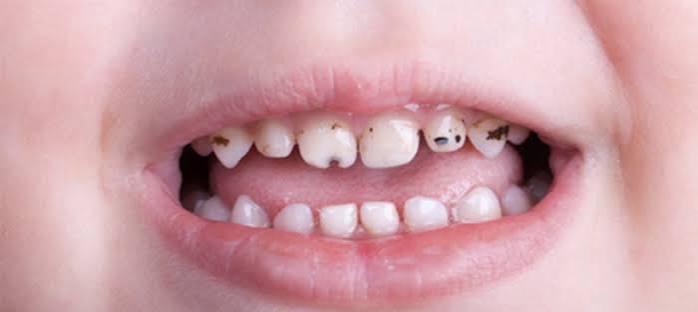
- Tooth decay
- Abscess formation
These types of complications can negatively affect not only oral health but also a person’s overall well-being. The spread of infections in the body can lead to systemic health issues, and in some cases, serious infections that threaten life. For example, a serious complication like Ludwig’s angina, if left untreated, can affect the airways and require emergency intervention.