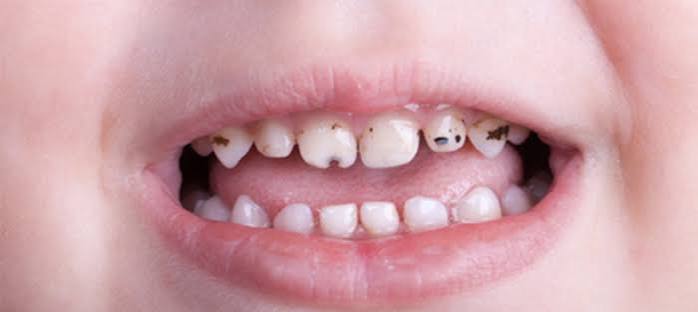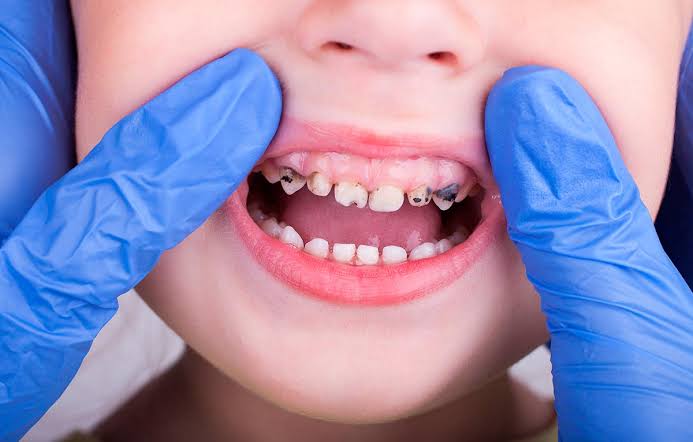

Toothache is a common health issue that many people face. Especially sudden onset and the pain that diminishes quality of life can make daily tasks challenging. Although there are various methods available to alleviate toothache, consulting a dentist is the most reliable solution for lasting relief. Pain relievers such as ibuprofen and paracetamol can be used to manage the pain. Additionally, taking care of oral hygiene and avoiding excessively hot or cold foods can also help in relieving the pain.
What Are the Common Causes of Toothache?
Toothache arises from the weakening of the protective layers of the tooth and damage to the deeper tissues. Among the main causes of pain are the erosion of the tooth enamel leading to exposure of the dentin layer and the stimulation of the nerve endings in that layer. This condition causes the tooth to become sensitive to hot, cold, or acidic foods. The most common factors triggering the pain caused by tooth decay include:
- Enamel erosion
- Exposure of the dentin layer
- Pulp inflammation
- Abscess formation at the root tip
- Tooth fracture
The pulp inflammation leading to the pain develops when bacteria reach the interior of the tooth, causing inflammation, and increased pressure over time creates a throbbing sensation in the tooth. As the pulp inflammation progresses, abscess formation can also be observed; this intensifies the pain and can spread to the surrounding tissues of the tooth. If left untreated, tooth decay can completely weaken the structure of the tooth, leading to fractures and exposing the nerves.
How Do Over-the-Counter Medications Relieve Toothache?
Over-the-counter medications offer effective solutions for alleviating dental pain. Especially, ibuprofen and paracetamol are commonly preferred drugs for this type of pain. Since ibuprofen has anti-inflammatory properties, it reduces inflammation in the surrounding area and alleviates pain directly at its source. Paracetamol, on the other hand, provides overall pain relief by affecting the pain perception pathways in the brain and spinal cord. Taking these two medications together can provide a stronger pain-relief effect in many cases.
Recommended medications:
- Ibuprofen
- Paracetamol (acetaminophen)
While ibuprofen can cause stomach issues and sensitivity in kidneys, paracetamol can pose risks to liver health when taken in high doses. Therefore, it is important to use both medications as recommended by a doctor and to pay attention to the specified dosages. Especially in the case of long-term use, it is crucial to act cautiously to avoid health issues.
Home Remedies How to Temporarily Relieve Dental Pain?
There are some simple methods that can be applied at home to alleviate dental pain. These methods can be quite effective in reducing dental pain temporarily and providing relief. Natural remedies at home can offer short-term relief before visiting a dentist and can assist in managing pain. A few practical applications for alleviating dental pain are as follows:
- Warm saltwater gargle
- Application with clove oil
- Cold compress
In addition to these, avoiding other factors that can increase pain is also important. For example, staying away from very hot or cold foods and drinks can help alleviate pain. Similarly, avoiding hard and brittle foods can protect sensitive teeth from being strained. Paying attention to dental hygiene and regularly brushing teeth can also be effective in pain management. Especially, regularly brushing teeth and using dental floss is important to prevent further progression of decay and the formation of infections.
How Does Maintaining Oral Hygiene Help in Managing Toothache?
Maintaining oral hygiene is an effective method in managing toothache caused by decay. Regular brushing of teeth, using dental floss, and not neglecting oral care can help alleviate pain caused by decay. These hygiene practices slow the progression of decay, reducing the severity of pain and protecting dental health.
- Brushing teeth
- Using dental floss
- Choosing fluoride toothpaste
- Avoiding sugary foods
- Reducing consumption of acidic drinks
Additionally, regular oral hygiene prevents bacteria from accumulating on the teeth and producing acid. This reduces the damage on tooth enamel, alleviating the pain caused by decay. Careful dental care not only alleviates existing pain but also prevents new decay from forming, thus avoiding potential future dental issues.
When Should You Seek Professional Dental Treatment for Toothache?
Seeking professional dental treatment to alleviate tooth decay is crucial in preventing the progression of the problem. It’s important to remember that decay can lead not only to pain but also to more serious consequences, including tooth loss. In certain cases, seeing a dentist becomes necessary as these symptoms indicate that decay is progressing, and home remedies may not be effective. Situations that require a visit to the dentist:
- Constant or severe pain
- Sensitivity to hot, cold, or sweet foods
- Pits or holes visible on the tooth surface
- Brown or black spots on the tooth color
- Persistent bad smell or taste in the mouth
- Swelling, abscess formation on the gums or surface
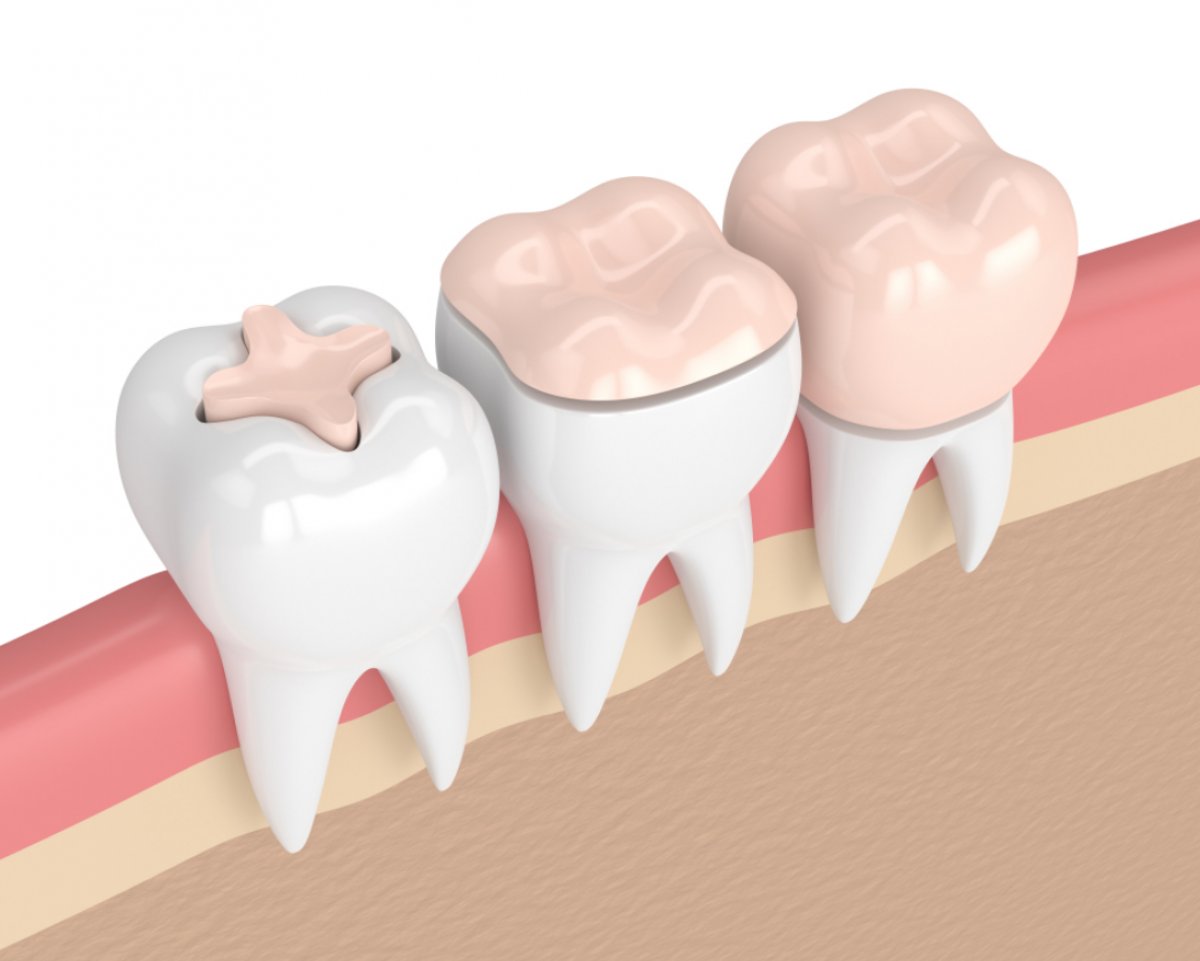
The presence of these symptoms indicates that the decay has spread to the deeper layers of the tooth and can only be controlled with professional treatment. If tooth decay is left untreated, it can reach the root canals, leading to infection and tooth loss. Particularly in cases of infection such as abscess formation, it threatens not only the tooth but also oral health and even general health. Treatments such as fillings, root canal therapy, or extraction by the dentist prevent further damage from decay and help maintain a healthy oral structure.