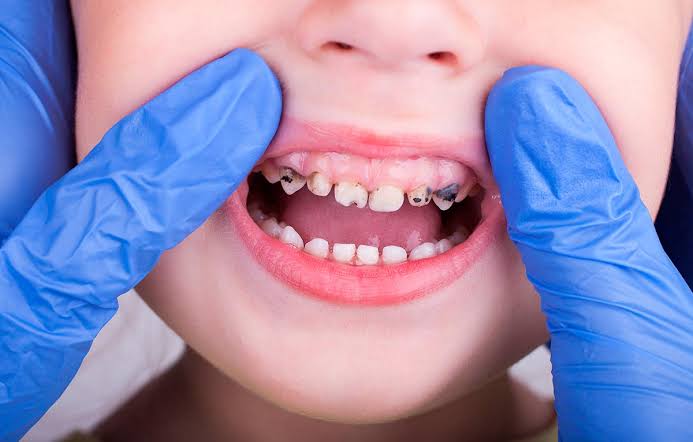
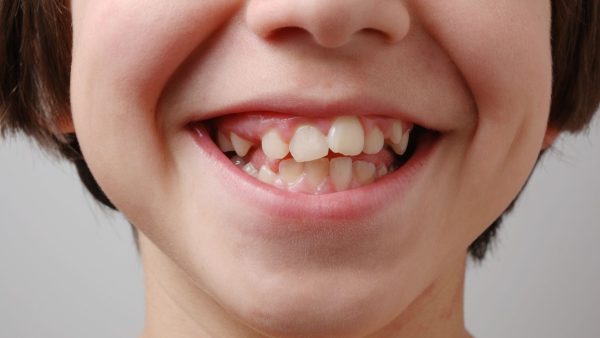
Child dental filling procedures are fundamental treatments performed to repair a milk tooth that has been damaged due to a large or small trauma or a newly erupted permanent tooth. In this treatment, the affected part of the tooth is cleaned, and the cavity is filled with an appropriate filling material to preserve the function and shape of the tooth. This procedure aims to ensure both the comfort of the child and the long-term health of the tooth, preventing the child from experiencing more significant issues in the future.
Why is the Child Dental Filling Procedure Performed?
The child dental filling procedure is performed to protect the tooth before the decay or damage progresses and creates a more serious problem.
Tooth decay weakens the hard tissue of the tooth due to the accumulation of bacteria and acid, and if left untreated, it can eventually affect the tooth’s nerve, leading to pain, infection, and even early tooth loss. Decay in children’s teeth can progress more rapidly because the structure of milk teeth is thinner compared to that of adult teeth. Additionally, children may be more susceptible to decay due to poor eating habits or oral hygiene.
If the filling procedure is not performed in time, the decay can deepen and damage the pulp tissue inside the tooth. At this point, more complex treatments (pulpotomy, root canal treatment, or crown application for milk teeth) may be necessary. Therefore, fillings significantly reduce the child’s pain and risk of tooth loss at an early stage. Additionally, the filling allows the tooth to continue its chewing function, preventing the child from being at risk of long-term pain or infections that could affect their quality of life.
In some cases, small cracks or abrasions in the tooth are also repaired with fillings. This way, the structure of the tooth is strengthened again, and aesthetic concerns are addressed. Particularly, cracks in the front teeth may negatively affect the child’s self-confidence, so filling applications also resolve such aesthetic concerns.
In What Situations is the Child Dental Filling Procedure Necessary?
The pediatric dental filling procedure is necessary in cases where the loss of substance in the tooth is significant enough to require a bridge, but not severe enough to require a crown or more advanced treatment.
Tooth decay generally first appears on the pitted and grooved surfaces of the tooth or in areas where teeth contact each other. If the decay has progressed beyond the enamel layer into the dentin layer, and if it is expected to worsen over time, treatment with a filling is performed. Even if a cavity is not visibly present on the tooth surface during X-ray checks (such as bitewings), if the decay is advancing towards the dentin, a filling process may still be initiated.
Minor traumas or fractures may also be observed in primary teeth or early-stage permanent teeth. In such cases, if there is no significant damage to the tooth structure or a problem extending to the nerve tissue, repairs can be made with a filling. If the child’s biting pattern has been disrupted or if there is an aesthetic issue, a filling may also be preferred. Additionally, if there are small congenital defects in the enamel (such as hypoplasia) and these areas are prone to decay, a protective seal can be provided with a filling.
Since the lifespan of primary teeth is limited, if there is very little time left before the tooth falls out and the decay is very small, sometimes simple monitoring or preventive methods may also be considered instead of a filling. However, in general, if the decay is likely to grow within a short period or if due to the age of the child, the primary teeth need to stay in the mouth for a few more years, filling treatment is recommended.
What Materials Are Used for Pediatric Dental Filling Procedures?
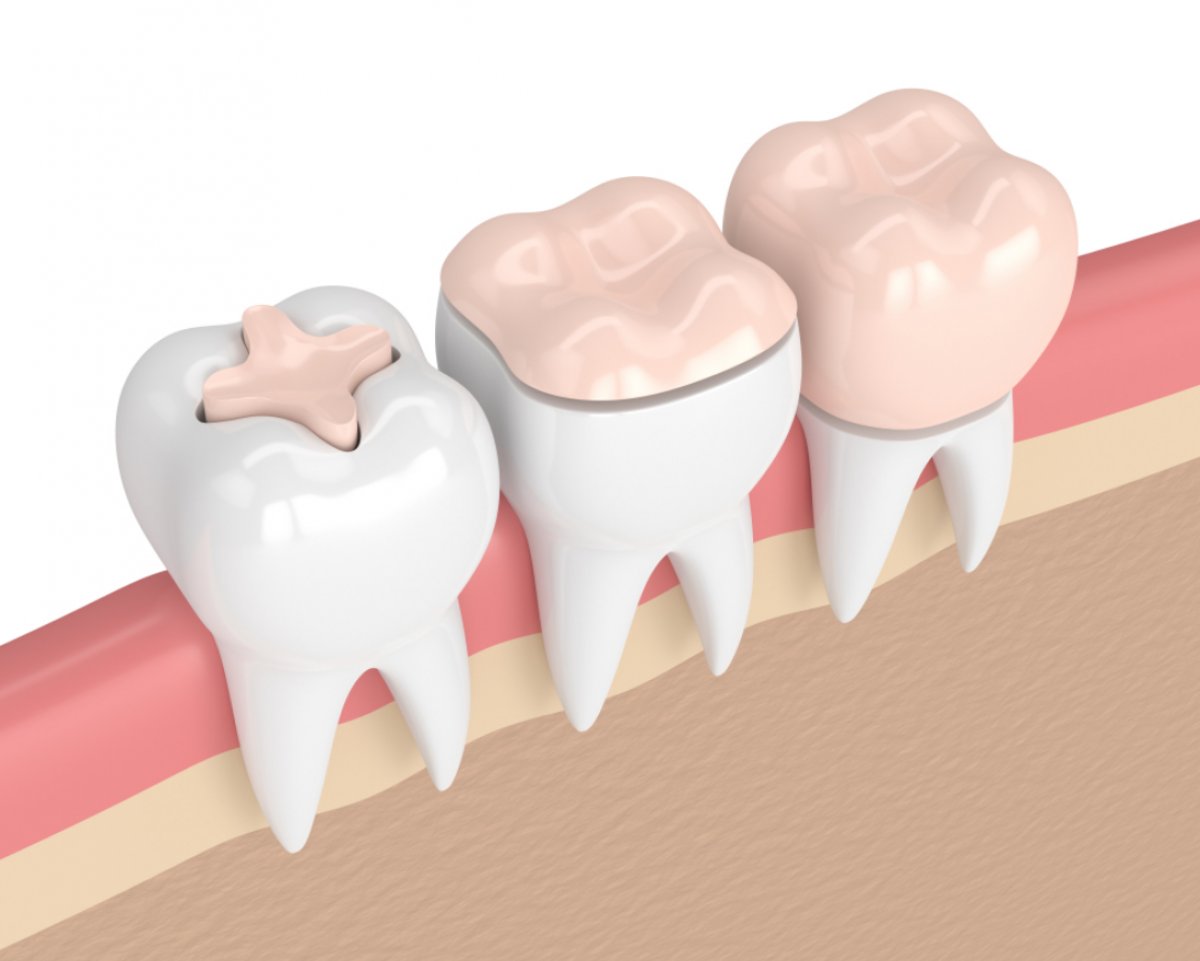
Different materials are used for the pediatric dental filling procedure, and the choice depends on factors such as the location of the tooth, the size of the decay, and the child’s oral hygiene.
- Amalgam (silver filling)
It has been a material used for many years and is durable. Its resilience to chewing forces in the back teeth is high. Even when moisture control is not perfect, it still yields relatively successful results. However, it is not aesthetically preferred because its color is gray-black. Due to the mercury content, some families have concerns, but scientific data indicates that modern amalgams are safe for children.
- Composite resin (white filling)
It is especially preferred in anterior teeth because it is tooth-colored. Since it bonds to the tooth with adhesive systems, it can be applied with minimal loss of material. However, composite is a very sensitive material and must not come into contact with moisture. If it comes into contact with saliva or blood during application, the bonding strength decreases, and the filling may fall out in the future or the risk of chipping from the edges increases.
- Glass ionomer cement (GIC)
It is known for its ability to bond chemically to dental tissue and to release fluoride. The fluoride release helps protect the surfaces adjacent to the tooth from decay. However, traditional glass ionomer cement fillings are more susceptible to wear. Therefore, they are not very durable in large cavities on the chewing surfaces of back teeth in the long term. Nonetheless, it is a comfortable material for children when used in small cavities or baby tooth fillings.
- Resin modified glass ionomer (RMGI)
It is a version of traditional glass ionomer cement that has resin added to it. It hardens faster and has better mechanical properties. The fluoride release feature is preserved, but in areas exposed to high chewing forces, its durability is not as strong as composite. It is often preferred in pediatric patients where moisture control is difficult because the application is more tolerant than composite.
- Compomer
These are filling materials that have a composite-like structure and release a certain amount of fluoride. Aesthetically, they are close to composite. However, their fluoride release is not as high as that of glass ionomer. They are generally preferred for medium-sized cavities.
In some cases, when damage to the tooth is quite common and the likelihood of the filling’s durability is low, stainless steel crowns provide better results for primary teeth. The success of stainless steel crowns is particularly high in cases of extensive decay or when the structure of the tooth is compromised.
How is a Child’s Dental Filling Procedure Planned and Prepared?
The child’s dental filling procedure is planned after a general examination of the child and an evaluation of the oral cavity.
Questions such as whether there is visible decay on the tooth surface, how advanced the decay is in X-rays, how close it is to the nerve of the tooth, the child’s age, and how long the primary tooth will remain in the mouth are answered. If the child is exceptionally fearful or has strong anxiety, sedation or different behavior management methods are also considered in addition to the treatment plan.
After detecting decay or damage, treatment options are explained to the family. Details such as which filling material will be chosen, the duration of treatment, the number of sessions required, and possible additional procedures are shared with the family. Considering the child’s age and attitude towards treatment, the most comfortable and successful outcome is aimed for.
As the appointment day approaches, the child can be allowed to wait in a relaxed environment to reduce anxiety. A treatment that progresses with short and clear steps is often preferred for younger children. Since long sessions can tire the child, treatments are sometimes divided into several stages.
The family should ensure that the child comes on an empty stomach and not give them very cold or very hot drinks shortly before the appointment. Avoiding scary words or threatening expressions while preparing the child for treatment helps the child have a more positive outlook on the treatment.
What Happens During a Child’s Dental Filling Procedure?
During a child’s dental filling procedure, the child is not supposed to feel pain or discomfort, allowing them to calmly continue with the treatment.
The preliminary treatment plan is reiterated, and if necessary, a topical anesthetic gel is applied to the gum. After that, local anesthesia is administered to numb the tooth and surrounding tissues. This numbness prevents the child from feeling pain. A few minutes are allowed to ensure that the tooth is fully numb. Information is given to the child about anesthesia in simple and positive terms such as “be careful with the numb cheek.”
The dentist typically prefers to use a rubber dam to protect the tooth from contact with the tongue and saliva. The rubber dam wraps around the tooth, ensuring that the filling material stays dry and reducing the risk of any instrument or filling piece escaping into the child’s throat. Some children may resist this covering, but most of the time, a good explanation and cooperation can help the child tolerate this method.
Next, the decayed or damaged area is cleaned with high-speed and low-speed hand instruments. If there is softened or discolored tissue on the tooth surface, it is completely removed, while healthy tissue is preserved. If the cavity is deep, it may have come very close to the tooth pulp (nerve tissue). In this case, a protective layer (known as a liner or base) can be applied in a thin layer near the nerve of the tooth. Thus, the pulp is protected and the risk of pain or infection in the future is reduced.
If a composite, compomer, or glass ionomer type material is chosen as the filling material, the cavity inside the tooth is lightly etched with an adhesive agent before bonding. This process opens micro-pores on the enamel and dentin surface. After the adhesive resin is applied, it is hardened with light. This ensures that the filling material adheres well to the tooth. Composite or similar filling materials are placed in thin layers (like 2 mm), and each layer is hardened with light. This reduces the risk of formation of bubbles in the filling.
If metal amalgam fillings are preferred, it may be necessary to create a retaining shape in the tooth after cleaning the cavity. Since amalgam is a filling that relies on mechanical retention rather than adhesiveness, slight indentations or protrusions in the cavity walls help secure the amalgam. The amalgam is placed into the tooth while still soft and compacted with special tools. Once it starts to harden, the anatomical form of the tooth is restored.
What Should Be Considered After a Child’s Tooth Filling Procedure?
After a child’s tooth filling procedure, care should be taken to ensure that the child does not bite their cheek, tongue, or lip until the numbness wears off.
Immediately after the filling is completed, due to the continued effect of anesthesia, the child is at risk of biting their lip or cheek. Therefore, it is generally recommended to avoid chewing anything for about 1-2 hours or consuming solid foods. It is also beneficial to stay away from very hot or very cold drinks. The child may experience a “tingling” or “numbness” sensation in their mouth; it is important for parents to supervise until this sensation passes.
If the filling hardens with light curing, the child can typically return to their normal eating habits within the same day. However, when amalgam is used, it is usually advisable to wait a full day for complete hardening. Avoiding very hard foods on the first day protects the integrity of the filling.
Oral hygiene is also of great importance. The child should brush the filled tooth just like a normal tooth and must not forget to use dental floss. If there is a slight sensitivity in the filled area, it may decrease within 1-2 days. If there is severe pain or prolonged sensitivity, it may be necessary to consult a dentist.
Sometimes, a tooth may feel high after the filling. The child might feel that they cannot close their tooth completely while eating at home after the procedure. This may cause discomfort while chewing. In such cases, a minor adjustment by the dentist is required. This procedure is very quick and often does not require additional anesthesia.
Is Pediatric Dental Filling Successful in the Long Run?
When performed correctly, pediatric dental fillings provide comfort for the child throughout the natural lifespan of the tooth and prevent the progression of decay.
In primary teeth, the purpose of the filling is generally to keep the tooth healthy until it naturally falls out. This period can vary from 1-2 years to 5-6 years. The durability of the filling depends on factors such as the child’s oral hygiene habits, nutrition, and the degree of chewing force the filling is subjected to.
Some fillings can last for many years without issues. For example, composite or amalgam fillings can remain in the tooth for a quite long time if supported by good oral care. Glass ionomer and resin-modified glass ionomer fillings can reduce the risk of new decay due to fluoride release, but their resistance to wear may not be as strong as that of composites. However, the temporary nature of primary teeth means that these materials often suffice for a shorter interval.
Fillings done on permanent teeth can last for years, similar to those in adults. Here, again, the most important factors are regular tooth brushing, flossing, and routine dental check-ups. Additionally, the child’s chewing habits (such as chewing on hard objects like pens or ice) can negatively affect the longevity of the fillings. Preventing such habits will extend the life of the filling.
Recurrent decay is the most common reason for failure. New cavities may form around the edges of the filling or on different surfaces of the tooth. In this case, the filling is renewed or a crown is applied if the remaining structure of the tooth is insufficient. Overall, fillings for primary teeth allow the child to chew painlessly and comfortably in daily life, which in itself is a significant benefit in the long run.
What Complications Can Pediatric Dental Filling Procedures Cause?
Pediatric dental filling procedures are often simple treatments, but some complications may arise.
Pulp exposure: If the cavity is very deep or if it gets too close to the nerve during excavation, the pulp tissue may become exposed. In primary teeth, this condition often requires pulpotomy or a more extensive treatment. If the pulp is infected, root canal therapy or extraction of the tooth may also be considered.
Filling loss: If a child subjects the filling to a hard blow without realizing it or if moisture control was insufficient during bonding, the filling may come out. In this case, a new filling needs to be placed.
Recurrent cavity: If dental care is not well maintained or if the filling margins do not adapt properly, decay can recur at the filling margin. This can be resolved either by replacing the filling or by performing a more extensive treatment.
Pain or sensitivity: Mild pain or sensitivity to hot and cold may last for a few days after filling. If it persists, a check is needed to see if there is any high filling remaining or if the underlying nerve tissue has been affected.
Soft tissue injuries: A child under anesthesia may bite their lip or cheek. These injuries usually heal on their own. However, extra attention is required in the first few days.
Allergic reaction: Although very rare, metals within amalgam or certain components in resin-based fillings can cause allergies. Such a condition can only be observed after the procedure, and if necessary, a different material may be used.