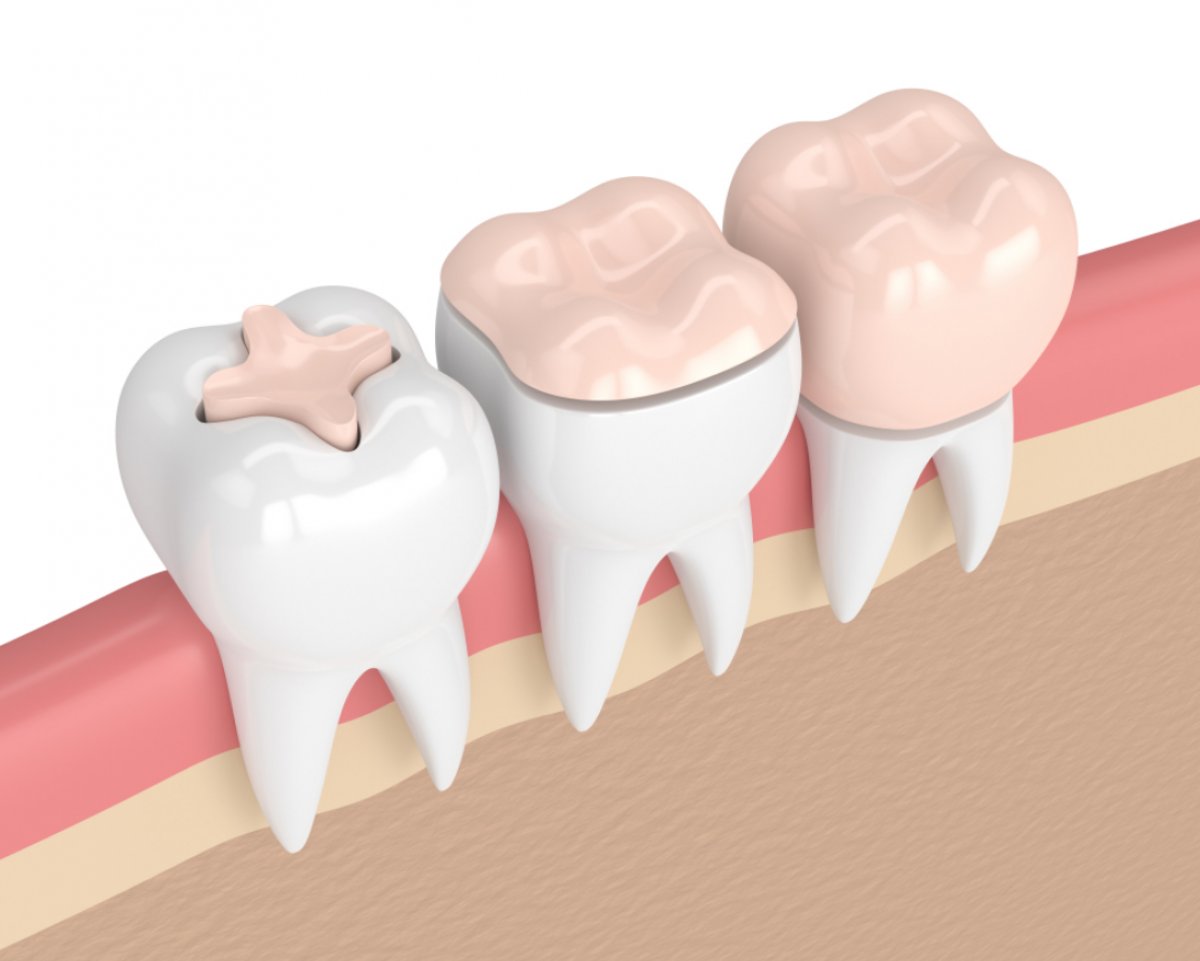
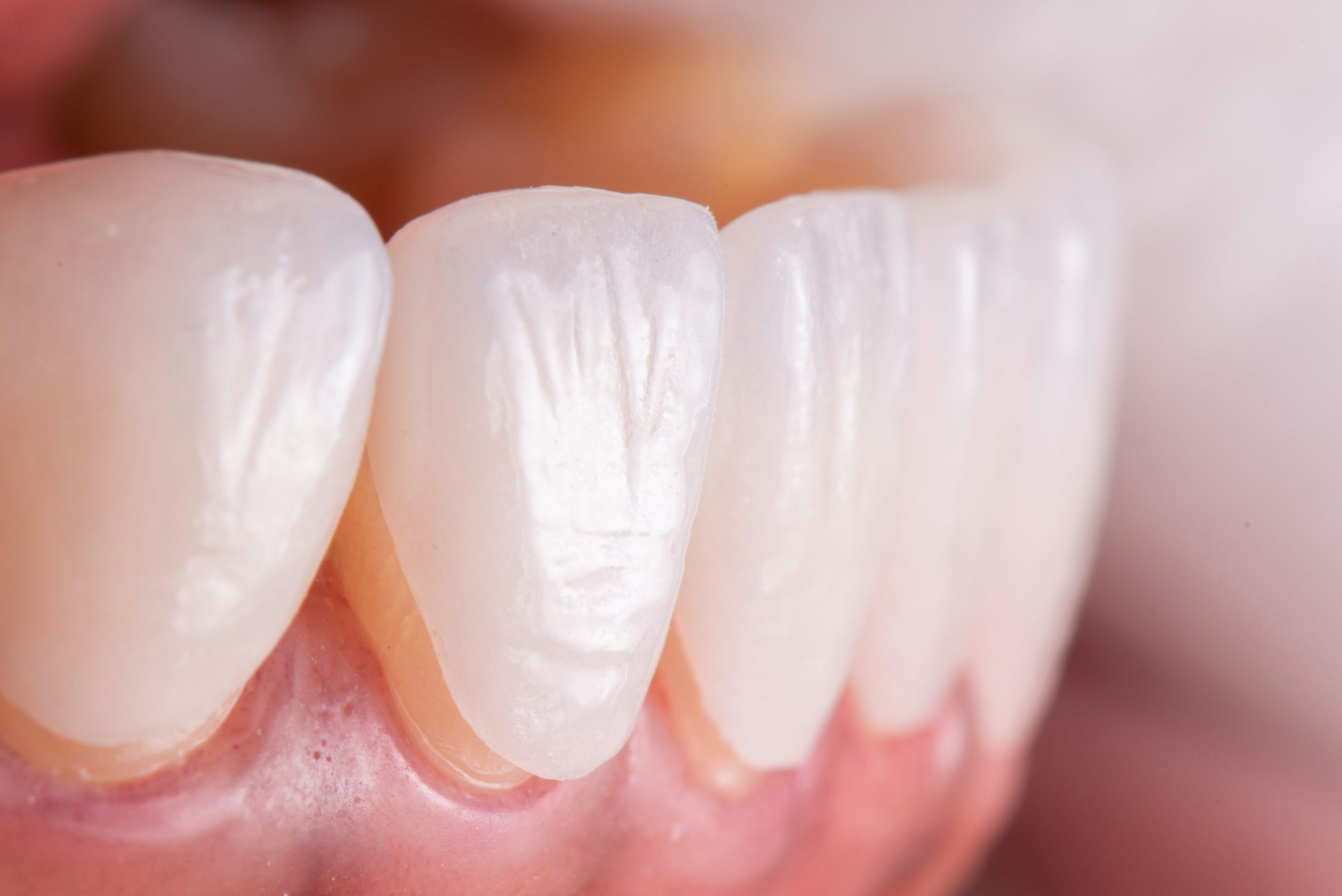
Laminated veneers refer to thin ceramic restorations applied to the front surface of teeth to provide aesthetic and functional improvements. In this minimally invasive procedure, materials such as feldspathic porcelain, lithium disilicate, and leucite-reinforced ceramics are used, each distinctive for their durability and light permeability properties. The precise preparation made from enamel tissue ensures optimal bonding of the laminate veneers to the tooth. Digitally guided CAD-CAM technology supports accurate reduction processes. In long-term studies, the survival rate of these veneers ranges between 73% and nearly 100%, and it varies depending on the materials used and the bonding protocols.
What Are Laminated Veneers and How Do They Differ from Traditional Veneers?
Laminated veneers are ultra-thin coatings applied to the front surface of teeth to improve their aesthetic appearance. They are typically designed to be tooth-colored and preserve the natural structure. These veneers require less enamel removal compared to traditional porcelain veneers, or may not require any enamel removal at all.
The main differences between laminated veneers and traditional veneers are:
-
\t
- Thickness: Laminated veneers are 0.3-0.5 mm thick; traditional veneers are 0.5-1.0 mm thick.
- Durability: Traditional veneers may be more durable.
- Natural Tooth Structure Preservation: Laminated veneers minimize enamel removal.
- Reversibility: Laminated veneers are easier to revert due to being less invasive.
- Preparation Requirement: Traditional veneers require more extensive preparation.
\t
\t
\t
\t
Traditional veneers can be more durable due to their thick structures and are particularly preferred in cases of significant structural changes, such as large cracks or distortions in shape, especially when there are serious color discrepancies. Laminates that protect the integrity of the teeth provide aesthetic benefits without harming the natural structure of the teeth thanks to their minimal or non-invasive preparations. However, traditional veneers may be more suitable for significant structural problems like noticeable tooth alignment issues or gaps.
How are Laminates Applied? What is the Procedure?
The application of laminate veneers requires careful assessment and a meticulous procedure. The dentist utilizes digital technologies at every stage to achieve satisfying results both aesthetically and functionally. The process includes several steps, from consultation to bonding, and each is executed with high precision.
In the initial consultation phase, the tooth structure and aesthetic needs are evaluated. In the smile design phase, digital simulations are created using CAD technology, allowing the patient to preview the final result. The patient’s approval is obtained prior to starting this procedure. During tooth preparation, only a minimal amount of enamel tissue is removed, ensuring that the veneers blend seamlessly with the natural teeth.
-
\t
- Consultation
- Smile design
- Digital simulation
- Minimal enamel shaping
- Tooth preparation
\t
\t
\t
\t
Digital or traditional impression taking initiates the production process for restorations. Thanks to CAD/CAM technology, digital impressions can be taken with systems like CEREC, allowing for rapid production. Restorations made from strong materials like lithium disilicate or zirconia can be completed in a single visit. At this stage, the dentist can use a temporary mock-up to check the fit of the design or perform a trial with temporary cement.
- Digital or traditional impression taking
- Digital production with CEREC
- Lithium disilicate zirconia
In the final stage, the preparations for the veneer and tooth surface are completed. The inner surface of the veneer is etched with hydrofluoric acid to prepare it for bonding, and then treated with phosphoric acid. During the bonding process, resin cement is applied between the veneer and the tooth, and initial spot curing is performed. Subsequently, each surface is fully cured, thus ensuring a strong structure. This process is completed on the same day for dental veneers made with CAD/CAM.
The speed and digital precision offered by CAD/CAM technology enhance the fit and aesthetic value of laminate veneers. This modern method requires fewer visits and results are long-lasting.
Who is a Good Candidate for Laminate Veneers?
Laminate veneers are designed for individuals with mild to moderate dental issues seeking solutions to aesthetic problems and restore the natural structure of the tooth. Ideal candidates for this procedure are those who have specific aesthetic concerns and value dental health. The desired characteristics in candidates include:
- Color variations in teeth
- Minor tooth misalignments
- Minor cracks
For veneers to protect the durability of their laminates after treatment, they need to have a solid enamel surface. Individuals with enamel loss or thin enamel layers are not ideal candidates for veneers because the bonding success may diminish. Additionally, veneers are preferred over composite restorations due to their greater resistance to staining and wear.
While traditional veneers are recommended for those seeking conservative dental restoration solutions, options like Lumineers, which require minimal preparation, offer alternatives for patients who desire reversible and minimally invasive methods. However, these types of laminates may not reach the level of traditional laminates in terms of precise fit or longevity.
Individuals with habits like bruxism or who do not take sufficient care of their oral hygiene are generally not considered suitable candidates for this procedure due to the risks of breakage or detachment. Veneers offer an aesthetic and long-lasting solution for those determined to maintain regular care and healthy habits.
How Do Veneers Improve Aesthetics and Smile Quality?
Veneers significantly enhance the aesthetic appearance of natural teeth while also making important contributions to the quality of the smile. With their thin and durable porcelain structures, these veneers bond precisely to the front surface of the teeth and are highly effective in addressing cosmetic issues. They meet aesthetic expectations by adjusting tooth color, shape, and size. Veneers also create a balanced smile design that is harmonious with the face.
Advantages:
- Covering color discolorations
- Concealing fractures
- Smoothing irregular surfaces
- Customizing tooth color
- Resolving minor alignment issues
Laminated coatings reflect light similarly to natural tooth enamel by mimicking its layered structure and provide a realistic shiny appearance. Because they are applied with minimal enamel loss, they offer a conservative solution while preserving the natural tooth structure. They especially provide a symmetrical and proportional aesthetic appearance that complements the overall expression of the face.
With the support of digital technology, dentists can create customized designs tailored to the personal needs of patients. This results in an aesthetic outcome that boosts confidence and contributes to a youthful appearance. The stain-resistant structure of laminate veneers ensures long-lasting beauty. Taking care of these coatings is quite simple; regular oral hygiene and dental check-ups are sufficient.
What are the Long-term Care and Protection Requirements for Laminate Coatings?
To ensure the longevity of laminate coatings, appropriate care and protection depend on daily oral hygiene, dietary habits, protection from damage, and regular dental check-ups. Soft-bristled brushes and non-abrasive toothpastes should be preferred to avoid scratching or loosening the coatings. Cleaning the plaque around the coating with dental floss or a water flosser ensures hygiene. It is also recommended to avoid foods and drinks that can cause staining on the coatings.
Soft-bristled toothbrush
Non-abrasive toothpaste
Daily use of dental floss or water flosser
Foods that may cause stains: coffee, tea, red wine
Avoid hard foods: ice, nuts
Additionally, using teeth as tools or grinding teeth can damage the coatings; therefore, a night guard is recommended. Smoking can increase the risk of gum disease around the coatings and cause unwanted discoloration in natural teeth as well. Hence, quitting smoking and limiting sugary acidic foods are among the preventive measures.