
Zirconium implants are an aesthetic and durable solution for missing teeth in dental practice. Made from zirconium dioxide material, these implants provide a appearance similar to natural teeth and are easily accepted by the body thanks to their biocompatible properties. The process begins with placing the implant into the jawbone; over time, it integrates with the jawbone, creating a solid foundation. Once the healing process is complete, an abutment and porcelain crown are added, replacing the missing tooth in terms of both function and aesthetics.
| Definition | A type of dental implant that is metal-free, entirely ceramic-based, and has high biocompatibility. It stands out for its aesthetics and durability. | |||
| Who Is Suitable? | Patients with metal allergies, individuals who value gum aesthetics, patients who do not want titanium implants. | |||
| Advantages | – Because it does not contain metal, it is biocompatible and has a lower risk of allergies. | – Thanks to its white color, it is more suitable for natural dental aesthetics. | – It supports gum health by reducing plaque and bacteria accumulation. | – Durable and long-lasting. |
| Disadvantages | – It may be more expensive compared to titanium implants. | – Its application requires more precise planning. | – It may not be suitable for every case. | |
| Application Process | 1. The suitability of the jawbone is evaluated. | |||
| Care and Usage | Attention should be paid to daily oral hygiene, and regular dental check-ups should be conducted. | |||
| Lifetime | Can be used for many years with proper care. |
What Are the Advantages of Zirconium Implants?
Zirconium implants have various advantages compared to traditional titanium implants. Due to their biocompatible and hypoallergenic properties, they are easily accepted by the body and provide a safe alternative for individuals with metal allergies. Zirconium is a material compatible with body tissues and does not exhibit adverse effects that could trigger the immune system. This presents a significant advantage for patients who are at risk of developing allergic reactions to metal implants.
The advantages of zirconium implants are as follows:
- Biocompatibility
- Hypoallergenic property
- Safe use for those with metal allergies
- Aesthetic appearance due to natural white color
- Compatible appearance in areas where gum tissue is thin or has receded
- Resistance to corrosion
- Resistance to plaque accumulation
- Contributes to good oral hygiene
The natural white color of zirconium is particularly a preferred aesthetic choice in the anterior tooth area. Dark lines or shadows that can sometimes be seen in titanium implants do not occur with zirconium implants. Even in areas where gum recession occurs, the aesthetic harmony of the tooth and gum is preserved. Thanks to its resistance to corrosion, zirconium implants remain durable in the mouth for a long time and, with their more resistant structure against plaque accumulation, also support gum health.
How is a Zirconium Implant Placed?
Zirconium implant placement is a meticulous treatment process carried out in several stages to provide a long-lasting and aesthetic solution for missing teeth. This process ensures that the implant functions healthily for many years through proper planning and execution. The zirconium implant placement process is as follows:
- Initial consultation and assessment
- Examination of the jawbone structure and density
- Use of advanced imaging techniques
- Comprehensive evaluation of oral and dental health
- Review of medical history
After determining a suitable candidate, the next step is the surgical placement of the implant into the jawbone. The surgical procedure is usually performed under local anesthesia, and a small incision is made on the gum to reach the jawbone where the implant will be placed. To ensure the proper placement of the implant, a suitable cavity is created with a special drill, and the zirconium implant is carefully inserted into this cavity. If a two-stage surgery is preferred, the gum is closed over the implant, and stitches are applied. Some factors to consider at this stage include:
- Conducting the procedure under local anesthesia
- Carefully creating the implant cavity
- The implant surface being suitable for osseointegration
- Closing the gum with stitches when necessary
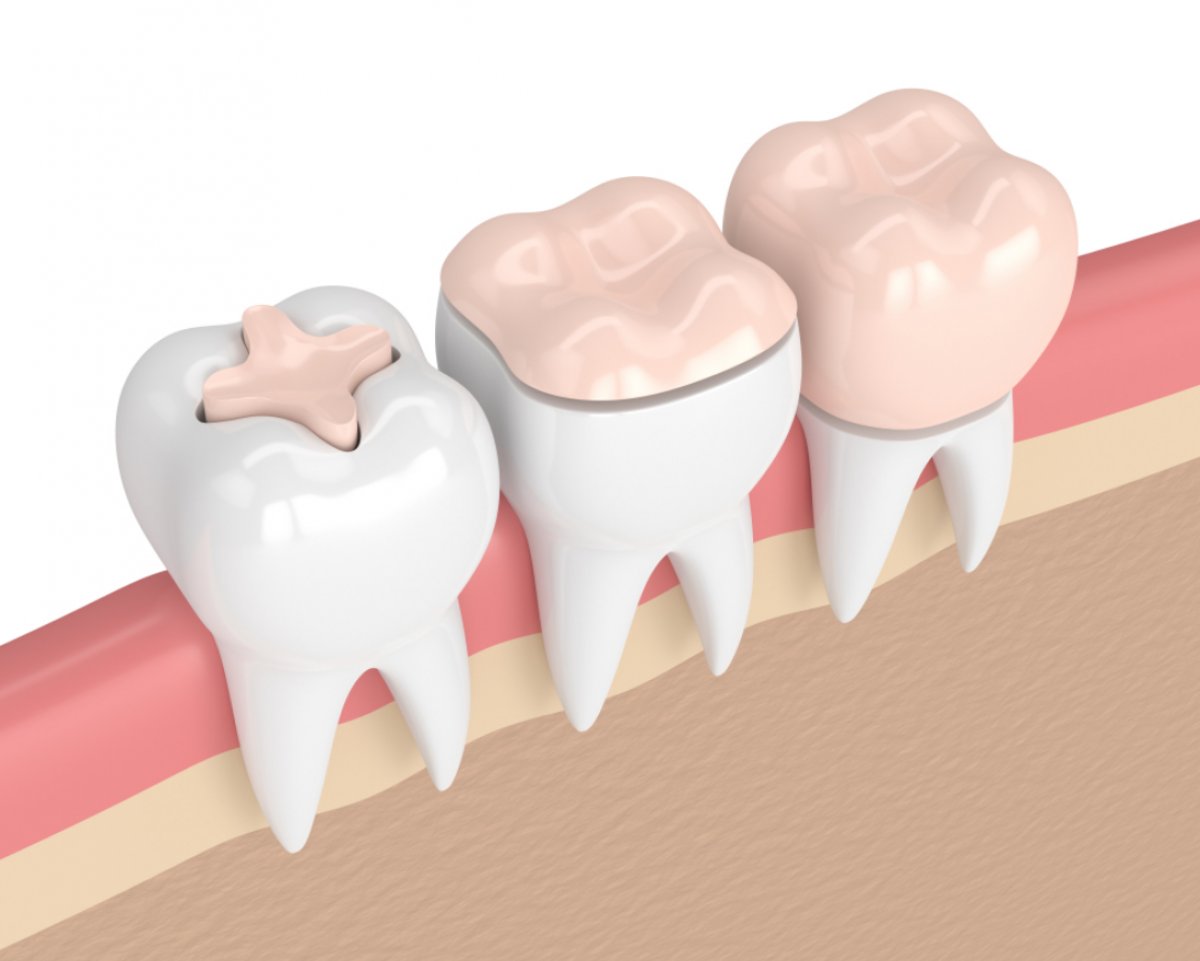
The improvement and osseointegration process is a waiting period of several months necessary for the implant to fuse with the jawbone. During this time, a diet of soft foods is recommended to avoid excessive pressure on the area surrounding the implant, and attention to oral hygiene is essential. Once the implant securely adheres to the bone, the abutment and dental crown are placed. At this stage, a connecting piece called an abutment is mounted on the upper part of the implant, and a dental crown that matches the natural tooth structure is seated on top. After placing the abutment and crown, the implant does not differ aesthetically or functionally from a natural tooth.
Who Are Suitable Candidates for Zirconium Implants?
Zirconium implants are a suitable option for individuals seeking a dental prosthesis that does not contain metal and desiring an aesthetic solution. However, certain criteria are important for the successful application of zirconium implants:
-
\t
- Sufficient bone density
- Good oral hygiene
- Healthy gum condition
- Presence of metal allergy
\t
\t
\t
Meeting these criteria facilitates the integration of the implant with the jawbone and helps successfully complete the treatment process. Additionally, the biocompatible properties of zirconium ensure rapid adaptation with the surrounding tissues and bones.
What Are the Possible Risks and Complications Related to Zirconium Implants?
Despite being aesthetic and biocompatible, zirconium implants carry certain risks and complications. There are potential complications that may arise during and after the surgical process, as well as factors to be careful about in the long term. Some risks that may be encountered during and after the procedure include:
-
\t
- Risk of fracture
- Peri-implant mucosa infection
- Peri-implantitis
\t
\t
Infections that may occur in the tissues surrounding zirconium implants require early intervention. Peri-implant mucosal infections can cause inflammation in the soft tissues around the implant; if left untreated, they can progress to peri-implantitis, leading to bone loss. This increases the risk of losing the implant, which is why regular check-ups are very important.
Among the other factors affecting long-term success are marginal bone loss, surface roughness, and plaque accumulation. Marginal bone loss can affect the durability of the implant and increase maintenance requirements. Surface roughness can lead to the accumulation of bacteria, which can increase the risk of inflammation in the tissues.
To extend the lifespan of the implant, it is essential to pay attention to oral hygiene. A good maintenance protocol includes regular tooth brushing, flossing, and professional cleanings. Visiting your dentist at regular intervals is critical for the early detection of complications. With these precautions, zirconium implants can remain healthy in the long term.
How are Zirconium Implants Compared to Titanium Implants?
Zirconium and titanium implants are materials frequently preferred in dentistry for their health properties, aesthetics, and biocompatibility. Each type of implant has its unique properties and advantages.
- Biocompatibility: Zirconium implants do not contain metal, making them suitable for patients with metal allergies. Titanium, on the other hand, provides good compatibility with tissues when used in pure or alloy form.
- Aesthetics: Zirconium implants have a white tone, providing a natural appearance especially for front teeth. Since titanium implants are metallic gray, they may sometimes leave gray tones on the gums.
- Mechanical Durability: Titanium is a clinically proven material that has been durable for many years. Zirconium has recently been improved in terms of fracture resistance, making it stronger against chewing forces.
- Osseointegration: Both types of implants work well with the jawbone and establish a strong connection with the bone, thus providing long-term stability.
- Success Rates: Titanium implants are highlighted by long-term success data, boasting a success rate above 90%. Zirconium implants’ success rates can vary between 57.5% and 93.3%.