
The zygomatic implant is a special dental implant used in patients with significant bone loss or deficiency in the upper jawbone. This implant is preferred in cases where traditional implant methods cannot be applied or where additional surgical procedures, such as bone grafting, need to be avoided. Unlike regular implants, it is placed in the zygomatic bone, which is the cheekbone, instead of the jawbone. It offers an effective solution for patients who have previously had unsuccessful implant or graft treatments or who lack sufficient jawbone support. Thus, it provides a safer and more durable option for dental treatment.
| Definition | These are long implants placed in the cheekbone (zygomatic bone) for patients with severely resorbed (atrophied) upper jawbone. | |||
| Who is it Suitable For? | Patients with severely resorbed upper jawbone and insufficient bone volume for traditional implant application. | |||
| Advantages | – Allows for fixed prosthesis application without the need for bone grafting. – Offers a faster solution compared to traditional implants. – Is long-lasting and durable. – Provides a fixed prosthesis option for completely edentulous patients. | |||
| Disadvantages | – Is a surgical procedure that requires expertise. | |||
| Application Process | 1. The patient’s jaw and zygomatic bone are evaluated. | 2. Long implants are placed in the zygomatic bone under general anesthesia or sedation. | 3. A temporary prosthesis is usually fitted on the same day or shortly after. | 4. The final prosthesis is placed within 3 to 6 months. |
| Care and Use | Daily oral hygiene should be maintained, and dental check-ups should not be neglected. Special cleaning devices may be recommended. | |||
| Lifetime | Can be used for a lifetime with proper care. |
How are Zygomatic Implants Different from Traditional Dental Implants?
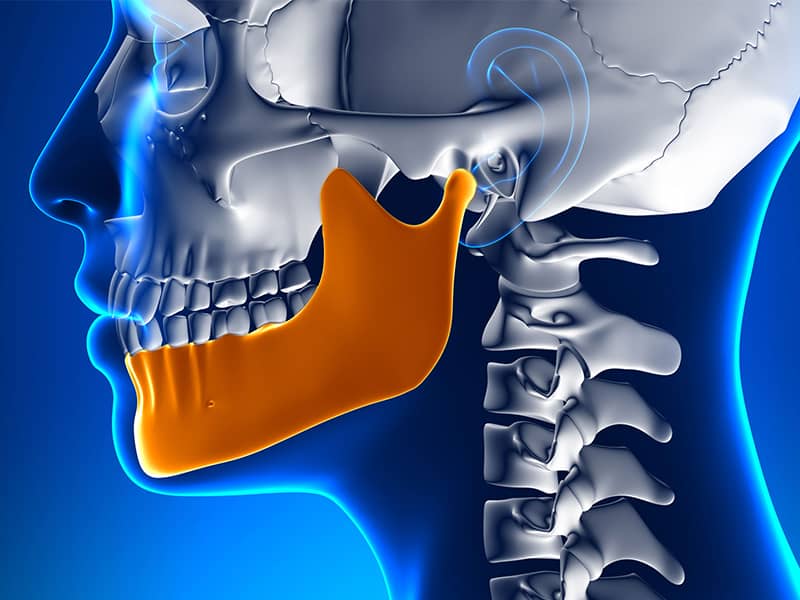
Zygomatic implants differ from traditional dental implants in terms of structural features and application methods. While conventional implants are usually placed in the upper or lower jawbone, zygomatic implants are placed into the cheekbone (zygomatic bone). This placement utilizes the strong structure of the zygomatic bone in cases where bone volume is insufficient.
Among the notable differences of zygomatic implants are:
- Application area is the cheekbone, not the upper jaw
- Special solution for cases of severe bone loss or atrophy
- Support without the need for bone graft
- Alternative after unsuccessful traditional implant treatments
The placement of zygomatic implants is more complex than standard dental implants. It can be done by entering or around the maxillary sinus and requires a more careful surgical approach. Additionally, zygomatic implants are longer than traditional implants and are designed to span the distance between the jaw and the cheekbone. These features support the implant’s biomechanical structure to facilitate prosthetic connection and enable early loading.
What Are the Situations for Preferring Zygomatic Implants?
Zygomatic implants are specially preferred in cases of severe bone loss or bone deficiency, particularly in the upper jaw, where traditional implants cannot be placed or have failed. These implants come into play when the jawbone is insufficient, providing strong retention in the zygomatic bone. They are generally applied in the following conditions:
- Long-term edentulism
- Periodontal disease
- Post-traumatic bone loss
What Are the Indications for Zygomatic Implants?
Zygomatic implants offer innovative solutions used in special situations where traditional implants cannot be applied. They provide a reliable dental implant alternative by anchoring to the zygomatic bone, especially in cases where there is insufficient support from the upper jawbone. The specific indications where zygomatic implants are preferred are listed below:
- Severe bone loss
- Maxillary atrophy
- Expansion of sinus cavities
- Pathological conditions
- Bone graft failures
- Maxillary loss after cancer
These implants are preferred not only for severe bone deficiencies but also for patients who have been edentulous for a long time. Such patients may not find sufficient support for traditional implants due to resorption occurring in the upper jawbone. At this point, zygomatic implants enhance the quality of life for patients by restoring aesthetics and functionality.
Zygomatic implants are also a suitable option for individuals who wish to avoid bone grafting procedures. In cases where traditional grafting procedures have failed, the dense structure of the zygomatic bone provides a strong foundation for these implants. Thus, safe treatment is offered without the need for additional surgical interventions.
In some cases, the expansion of maxillary sinuses can reduce the bone height in areas where implants need to be placed. Zygomatic implants pass through the sinus area and anchor to the zygomatic bone, overcoming anatomical barriers. This ensures implant stability without the need for sinus lift or other interventions.
Patients who have not had positive outcomes from previous implant procedures can also benefit from zygomatic implants. Particularly in individuals with insufficient bone quantity or quality, reliable results can be achieved thanks to the strong structure of the zygomatic bone. Additionally, for individuals who have experienced jaw bone loss after cancer surgery, zygomatic implants provide successful support in prosthetic treatment.
What Are the Potential Risks and Complications Related to Zygomatic Implants?
Zygomatic implants offer an ideal solution for patients with significant bone loss in the upper jaw, but they are also associated with certain risks and complications. The application of these implants should be carefully planned due to their proximity to sinus structures and surrounding soft tissues. Possible complications that may arise post-procedure and in the long term include:
-
\t
- Sinusitis
- Soft tissue infections
- Paresthesia
- Oral-sinus fistulas
- Hematoma and nasal bleeding
\t
\t
\t
\t
In addition to these potential risks, long-term complications may include implant failure and issues such as peri-implantitis. Implant failure can result from insufficient osseointegration or biomechanical loading problems. Peri-implantitis can create inflammation in the tissues surrounding the implant, leading to bone loss and compromising the stability of the implant. Such situations require regular monitoring and professional care.
Complications related to prosthetics for zygomatic implants can also occur. Loosening of screws may require the prosthetic to be readjusted or replaced due to issues like breakage or aesthetic defects.
What is the Success Rate and Lifespan of Zygomatic Implants?
Zygomatic implants provide a high success rate and longevity for patients with insufficient bone volume in the upper jaw. Research conducted over an average follow-up period of 6.3 years has shown that zygomatic implants have an impressive survival rate of 96.2%. This rate can vary according to different placement techniques, such as intra-sinus or extra-sinus, and may affect the long-term success of the implant:
- Intra-sinus placement 94.0 – 97.4
- Extra-sinus placement 98.2 – 100
- Anatomical guided approach (AGA) 89.9 – 98
- Zygomatic anatomical guided approach (ZAGA) 76.2 – 94.3
In zygomatic implants, immediate loading achieves higher survival rates compared to delayed loading, enhancing the success of the implant. However, some complications, starting with sinusitis, may affect this process. The sinusitis complication has been observed in 14.2% of cases during an average follow-up period of 65.4 months. Other complications include:
- Soft tissue infections
- Paresthesia (loss of sensation)
- Oro-antral fistulas
Patient factors also play a significant role in the long-term success of the implant. Patients with high bone quality who pay attention to oral hygiene have a higher success rate. Prosthesis design and fit also affect the longevity of restorations supported by zygomatic implants. A well-planned prosthesis extends the lifespan of the implant by reducing mechanical issues.