What is Aesthetic Dentistry? Which Applications Does It Include?
Dentistry practice includes not only the management of pain and the repair of functional chewing capacity but also incorporates visual restorations that provide anatomical biomechanical balance in harmony with individuals’ facial profiles. It works as a whole throughout the actions of speaking and smiling, considering the surrounding lip muscles, the vertical dimension of the jawbone, and the alignment of the teeth. Colorations on the teeth, enamel fractures due to trauma, structural deformities, or differences in gum levels disrupt this biological integrity and lead to visual asymmetries. Aesthetic Dentistry, which facilitates the rehabilitation of such clinical situations from a medical perspective, supports achieving high restorative results with minimum intervention on dental tissues thanks to advancements in material science.
Each prosthetic or periodontal procedure applied is designed by examining specific biometric parameters such as the individual’s facial structure, lip movements, age spectrum, and gender characteristics. Unlike traditional approaches, current aesthetic practices center around a conservative treatment philosophy that preserves the vitality and function of the teeth. In this guide, the clinical needs that give rise to aesthetic approaches, the medical infrastructure of smile design processes, the biological behaviors of the ceramic and composite materials used, and the details of periodontal (gum) arrangements will be examined within a scientific framework.
Based on Which Biometric Parameters is Smile Design Planned?
Any restorative intervention to be made within the mouth must display harmony with the overall aesthetics of the face, which is the core of a multidisciplinary concept called “Smile Design.” This planning not only considers the arrangement of white teeth but also assesses the pink gum tissue surrounding those teeth and the lip movements framing them. The vertical and horizontal ratios of the face are analyzed using the golden ratio (phi) rules as a reference. The practitioner digitally measures the parallelism of the patient’s pupilla (pupil) line, corners of the lips (commissures), and the incisal edges of the teeth.
Factors such as age and gender in the planning of aesthetic design determine whether the porcelain to be produced has angular or round contours. More oval, softened angular tooth shapes reflect a feminine characteristic, while angular and more pronounced tooth structures support a masculine appearance. The vertical line known as the midline, which bisects the face perfectly, is an indispensable rule for a symmetrical design, passing exactly between the two upper incisors. Optical scans taken from the patient and high-resolution clinical photographs create a digital infrastructure for processing these parameters in computer-aided design (CAD) software.
| Biometric Parameters | Medical and Aesthetic Function |
|---|---|
| Facial Midline | Aligns the vertical line passing through the exact middle of the face with the front incisors, thus creating facial symmetry. |
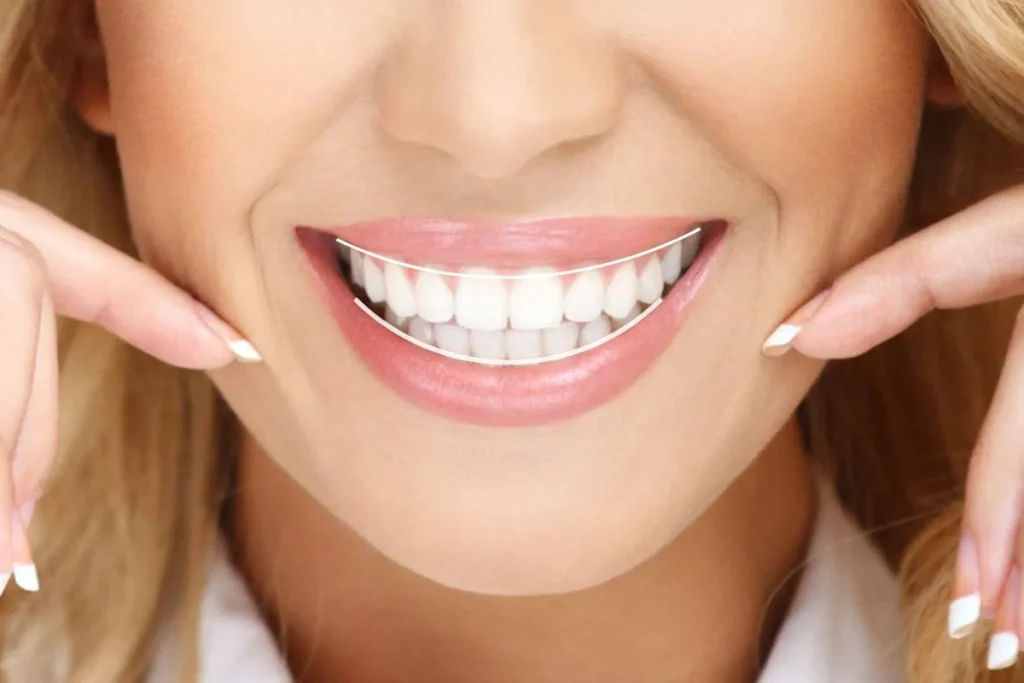
| Smile Line | Supports the upper tooth edges to follow the curved form of the lower lip during smiling. |
| Zenith Points | Adjusts the symmetry of pink aesthetics by determining the position of the highest point of the gum tissue on each tooth. |
| Golden Ratio | Describes the mathematical harmony in the visual widths of adjacent teeth arranged in a ratio of 1.618. |
Why Are Zirconium Crowns Preferred in Aesthetic Dentistry?
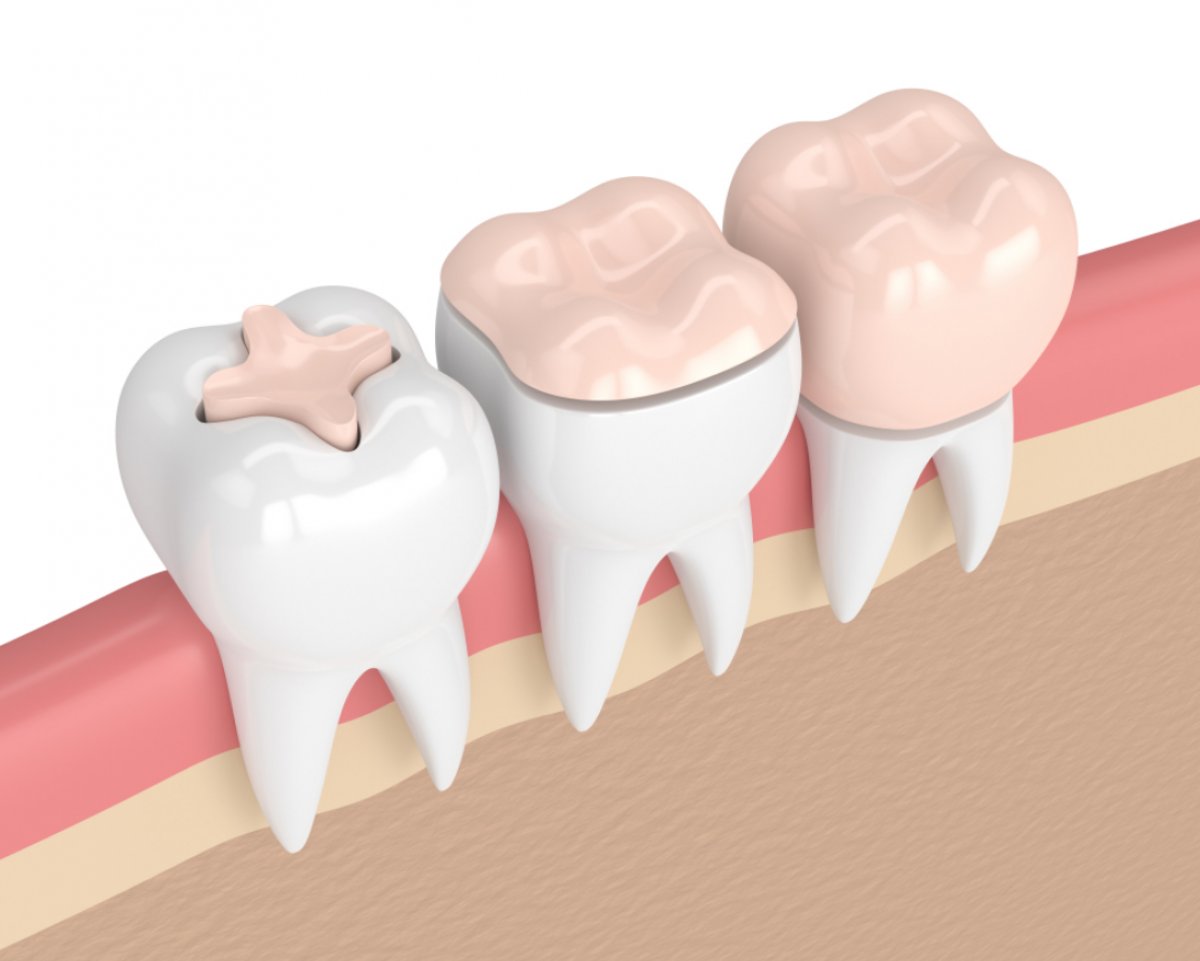
Traditional porcelain crowns with metal infrastructure have been used for many years for mechanical durability; however, they lead to a dull and opaque appearance due to the metal blocking the light inside. Zirconium (Zirconium Dioxide) is a naturally occurring white-colored and extremely hard element. The use of this element as a base material in dentistry has pioneered a revolutionary change in aesthetic restorations. Zirconium blocks are processed with millimetric precision in digital milling machines (CAM) to fit exactly to the patient’s dental structure.
One of the greatest medical advantages of zirconium is its high biocompatibility. Allergic reactions or tissue irritation that could develop in the tooth tissue against metal alloys are not observed with zirconium material. The gum tissue shows organic compatibility with the zirconium surface. Additionally, the grey/black metallic reflections that often occur after gum retraction with traditional metals are eliminated due to zirconium’s own white color. Light transmittance allows the porcelain to create a depth perception similar to that of a natural tooth, thus preserving the natural profile.
In Which Clinical Situations Are Porcelain Laminate (Leaf Porcelain) Applied?
Porcelain laminates, which are at the forefront of protective aesthetic dentistry applications, represent a prosthetic approach where mechanical intervention on the dental tissue is kept to a minimum. Instead of grinding down all surfaces of the tooth uniformly, a very thin layer of enamel, measuring between 0.3 and 0.7 millimeters, is removed only from the front surface (vestibular) facing the lips. In some specific cases, a procedure can be performed to bond directly to the tooth without any grinding (prepless laminate).
These porcelain sheets, produced in a laboratory setting from special ceramics with the thickness of a contact lens, are integrated into the enamel surface using chemical and light-cured resin cements (medical adhesives). Once the bonding is completed, the resulting structure exhibits extraordinary resistance to pulling and breaking forces. Due to the structure of porcelain, it is non-porous; thus, the potential for staining caused by pigment agents such as tea, coffee, or tobacco products on the laminate is significantly lower compared to natural enamel. It is frequently planned to create a visual alignment illusion in individuals who do not want orthodontic wire treatment and have mild malocclusions in their teeth.
How Does the Biochemical Mechanism of Tooth Whitening (Bleaching) Work?
My enamel consists of countless invisible tubules and microscopic pores. Over the years, coloring foods (such as wine, cherry juice, tea, etc.) and organic molecules in tobacco products penetrate through these tubules and get trapped in the dentin tissue beneath the enamel. Brushing or superficial cleaning procedures (scaling) only clean the deposits and stains on the outer surface of the tooth, but cannot change the internal color of the tooth. One of the procedures in aesthetic dentistry, chemical whitening (bleaching) takes on a cellular purification role at this point.
In the Office Type Bleaching procedures applied in clinics, the gums are protected by isolating them with a special barrier. Then, high-concentration peroxide gels are applied to the enamel surface, and these gels are activated with special LED or laser light sources. The light allows oxygen molecules to quickly become free and attack the dentin tubules. In the Home Bleaching approach, lower concentration gels are placed inside clear appliances manufactured from impressions taken from the patient, and the patient is asked to wear these appliances at home for several days. Doctors may often prefer to combine these two methods to achieve a more stable color tone.
| Comparison Criterion | Clinical Type (Office) Bleaching | Home Type (Home) Bleaching |
|---|---|---|
| Application Environment and Duration | In the dentist’s chair, it lasts approximately 45-60 minutes in a single session. | At home, it is a process spread over days where the patient applies for specific hours with special appliances. |
| Gel Concentration | Contains highly concentrated agents (for example, 30-40% Hydrogen Peroxide). | Low concentration agents (for example, 10-16% Carbamide Peroxide) are used. |
| Mechanism of Action | Rapid activation is ensured with laser or special light under the control of a physician. | Without light, the gel’s chemical reaction occurs gradually over time. |
Why Are Pink Aesthetic (Gum Contouring) Treatments a Medical Necessity?
No matter how satisfying the whiteness and shape of the teeth are, if the surrounding gum tissue (pink aesthetics) is not healthy and symmetrical, it negatively affects the overall smile dynamics. In some individuals, genetic factors, medication use, or the anatomical structure of the jawbone can cause the gums to excessively cover the crown surface of the teeth. This results in the teeth appearing much shorter, square, or buried. In cases of “Gummy Smile,” where the upper lip raises excessively during speaking or smiling, the focus shifts from the teeth to the red/pink tissue.
In the practice of dentistry, procedures known as “Gingivectomy” (gum tissue removal) or “Gingivoplasty” (gum sculpting) often utilize diode laser technology or electrocautery devices. Thanks to the laser application, gum levels are raised millimeter by millimeter (under local anesthesia) without pain, and the peak (zenith) points of adjacent teeth are made parallel to each other. The laser’s ability to coagulate tissue simultaneously limits bleeding and aids in accelerating the healing period after the operation. These procedures are generally preparatory arrangements for the infrastructure before starting porcelain or laminate treatments.
What Advantages Do Composite Bonding Applications Bring?
Composite resin materials are restorative filling materials that contain ceramic particles and have a high bonding strength to tooth enamel. The “bonding” procedure is the process of working this composite material on the tooth with artistic precision to change its shape, color, or size. Unlike porcelain laminates, this method does not require laboratory stages and can be completed in a single session in the clinical chair directly by the dentist.
In the preliminary procedure, the external tooth surface is purified at a micro level, and medical agents (bonds) that ensure the adhesion to the tooth are applied. Then, the composite material selected according to the color of the tooth is layered onto the tooth, hardened with special heating devices, and subsequently polished to reach the natural enamel shine. Composite bonding is a quite pragmatic approach that protects dental tissue while closing the gaps (diastema) between two teeth, slightly extending the length of the teeth, or restoring minor traumatic fractures to their original state. Over the years, potential small discolorations or abrasions that may occur on the composite surface can be easily repaired within the same session through polishing or by adding additional material.
How Does Digital Dentistry Increase Predictability in Aesthetic Processes?
In traditional aesthetic restorations, silicone-based putties used to take measurements from patients have been replaced by intraoral scanners that capture thousands of frames per second. These scanners instantaneously reflect a millimetric 3D model of the patient’s teeth, gums, and occlusion relationship on the computer screen. This data is integrated into “Digital Smile Design” programs, overlaying it with the patient’s clinical photographs.
The doctor and patient can collaboratively design the shape, width, length of the teeth, and their relation to the lips on a computer screen. This virtual design is converted into a temporary material called a “Mock-up” allowing it to be applied on the patient’s own teeth (without any cutting on the teeth) for trial purposes. Thus, the patient has the opportunity to see how the planned porcelain laminates or zirconium crowns will look on their face in the mirror before starting the treatment. This mock-up stage of digital processes helps eliminate surprise outcomes and supports maintaining high levels of medical communication and satisfaction.
How do Orthodontic Treatments Prepare for Aesthetic Restorations?
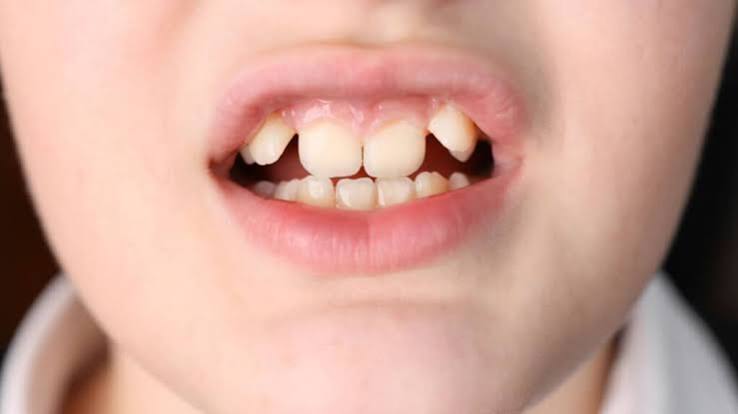
If a patient’s teeth with aesthetic expectations are positioned very deep inside or outside the dental arch (jaw cavity), trying to align these teeth with only porcelain crowns may require making a deep cut extending to the live tissue from the teeth that are left outside. This situation can lead to exposure of the dental nerve (pulp) layer and necessitate the need for root canal treatment. According to the protective principles of dentistry, it is an undesirable clinical situation to excessively sacrifice live tissue for aesthetic purposes.
In such cases, a multidisciplinary approach is adopted. Before proceeding with aesthetic porcelain applications, the patient undergoes a short-term (lasting several months) wire treatment or clear aligner treatment by an orthodontist. The roots of the teeth are gradually moved into their correct geometric alignment within the bone. Once the teeth achieve their anatomical arrangement, the amount of enamel that must be reduced for lamina or zirconium applications drops to one-tenth of a millimeter. Orthodontics is a supportive force that safely expands the biological limits of aesthetic restorations.
What Medical Standards Govern Aesthetic Procedures in Avrupadent Clinics?
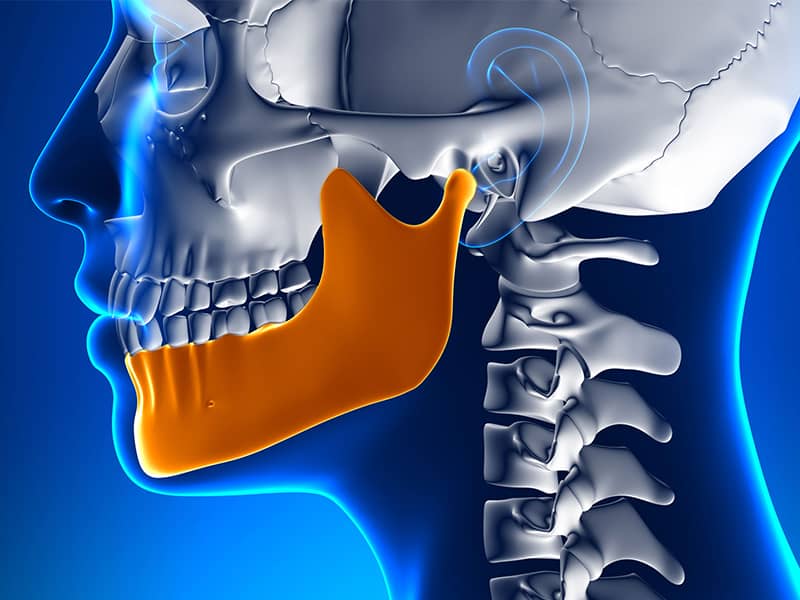
Meeting aesthetic expectations in a medical service delivery relies on building a flawless functional health infrastructure. In Avrupadent process management, every step from the patient’s entrance into the clinic to the delivery of the restoration is monitored with a specific series of protocols. In the initial phase, the patient’s bite (occlusion) dynamics, pathways of the jaw joint (TMJ), and the presence of active inflammation (infection) in the gums are clinically analyzed. Placing aesthetic porcelain over unhealthy or bleeding gums is first preceded by ensuring periodontal stabilization, as it would hinder biological adaptation.
When transitioning to the laboratory stage, the biocompatibility certifications of the ceramic or zirconium blocks used, the precise calibrations of CAD/CAM supported devices, and the use of digital measurement tools minimize human errors in the process. The aesthetic assessments by practitioners are created in a way that preserves the long-term integrity of the prosthesis, supported not only by visual data but also by medical data measuring the distribution of occlusal forces.
How Should Long-Term Care for Aesthetic Restorations Be Done?
Zirconium crowns, porcelain laminates, or composite bonding applications are not susceptible to decay from bacteria. However, the gum tissue where these materials sit (the collar region) and the underlying natural dental tissue are defenseless against plaque accumulation. Food residues and bacteria accumulated at the porcelain margins can prepare the ground for gum retraction or root decay starting from under the crown over time. The long-term use of aesthetic restorations is dependent on the protection of these margin areas through mechanical cleaning.
Patients are medically advised to use soft formulation fluoridated toothpaste instead of whitening pastes that contain abrasive particles in their daily routine. This is because abrasive toothpaste can dull the glaze layer on porcelain or composite over time. Additionally, for individuals with teeth grinding habits (bruxism), the regular use of medical night splints worn during sleep is essential to maintain the structural integrity of aesthetic restorations and to prevent porcelain from cracking under mechanical pressure.
Frequently Asked Questions (FAQ)
1. Is aesthetic dentistry performed only for appearance?
No, while organizing aesthetic appearance, it is also aimed to meet functional and medical needs, such as treating decayed teeth, aligning improper bites, and restoring gum health.
2. How long does smile design take?
Depending on the type of treatment to be applied (laminate, zirconium, gum shaping, etc.), digital design, trial, and laboratory stages generally require a few clinical sessions and an average schedule of 1 to 2 weeks.
3. Do laminate teeth discolor over time?
Porcelain laminates are fired and polished at high temperatures, which makes their surfaces non-porous; they do not experience internal yellowing from staining agents like tea, coffee, or cigarettes, unlike natural teeth.
4. Can the difference between zirconium crowns and natural teeth be identified from the outside?
Zirconium, thanks to its light transmittance properties, mimics the optical characteristics of natural enamel to a very high degree; when designed with accurate color and form, it is quite difficult to distinguish it from natural teeth from the outside.
5. Does teeth whitening damage the enamel?
Peroxide-containing gels applied in a clinical setting under the supervision of a dentist and in accordance with medical procedures do not alter the structure of enamel; they only oxidize the color molecules in the pores. The development of temporary sensitivity to hot and cold is a physiological process.
6. How long does bonding last?
Composite bonding applications can maintain their form for years, depending on oral hygiene, dietary habits (avoiding hard-shelled foods), and the habit of teeth grinding; if necessary, they can be renewed by polishing.
7. How is gummy smile treated?
The condition where the gums are excessively visible while smiling is managed by millimetrically pulling the gums up with laser (gingivectomy) or by applying medical botulinum toxin ( Botox) to relax the relevant muscles.
8. How long does recovery take after aesthetic pink procedures?
The procedures for aligning the gums performed with diode lasers heal quite quickly as they progress without bleeding; tissues usually return to their normal, healthy, and pink form within a few days to a week.
9. Will there be sensitivity in treated teeth?
After the session that involves minimal reduction of the teeth and in the first few days after the placement of the veneer, experiencing temporary sensitivity to thermal stimuli (hot-cold) is a natural response of the body and diminishes over time.
10. Are porcelain laminates easily breakable?
They are sensitive until they are bonded to the tooth structure with special medical resin cements; however, when chemically bonded to the tooth enamel, they gain extraordinary breakage resistance and can withstand chewing forces like natural teeth.
11. How is digital scanning different from traditional impressions?
Digital measurements taken with intraoral scanners prevent the swallowing/nausea reflex that can be caused by conventional silicone impression materials, and transfer the three-dimensional anatomy of the mouth to the laboratory with zero error, without any distortion/expansion.
12. What should be considered in nutrition after aesthetic treatments?
To protect the structural integrity of aesthetic veneers and laminates, one should avoid hard-shelled foods like walnuts and hazelnuts that can break teeth or opening packages with teeth (mechanical trauma) just like with natural teeth.
13. Does the zirconium base cause allergies in the gums?
Zirconium material shows high biocompatibility with body tissues. Tissue irritation, allergic reactions, or metal intolerance observed in conventional metal alloy restorations are not medically documented in zirconium applications.
14. Is a veneer sufficient for crooked teeth?
In mild cases of crookedness, porcelain laminates or veneers can create a uniform illusion; however, in severe cases where there is significant tissue loss from the teeth, a short-term orthodontic (bracket/plate) alignment procedure is primarily recommended to avoid excessive tissue loss.
15. How does bruxism (teeth grinding) affect aesthetic restorations?
Grinding or clenching teeth during sleep can apply uncontrolled mechanical stress to porcelain or composite surfaces, increasing the risk of chipping or breaking; using a night guard under the supervision of a dentist is recommended to manage this condition.