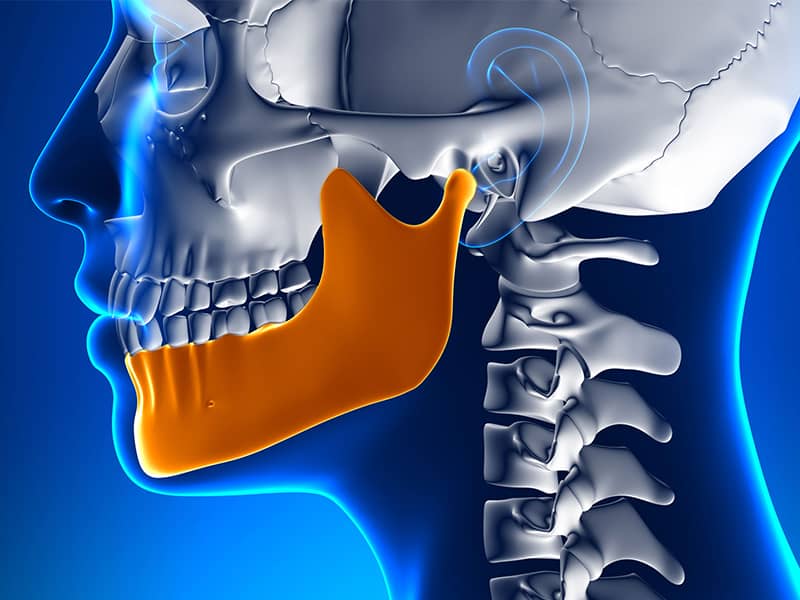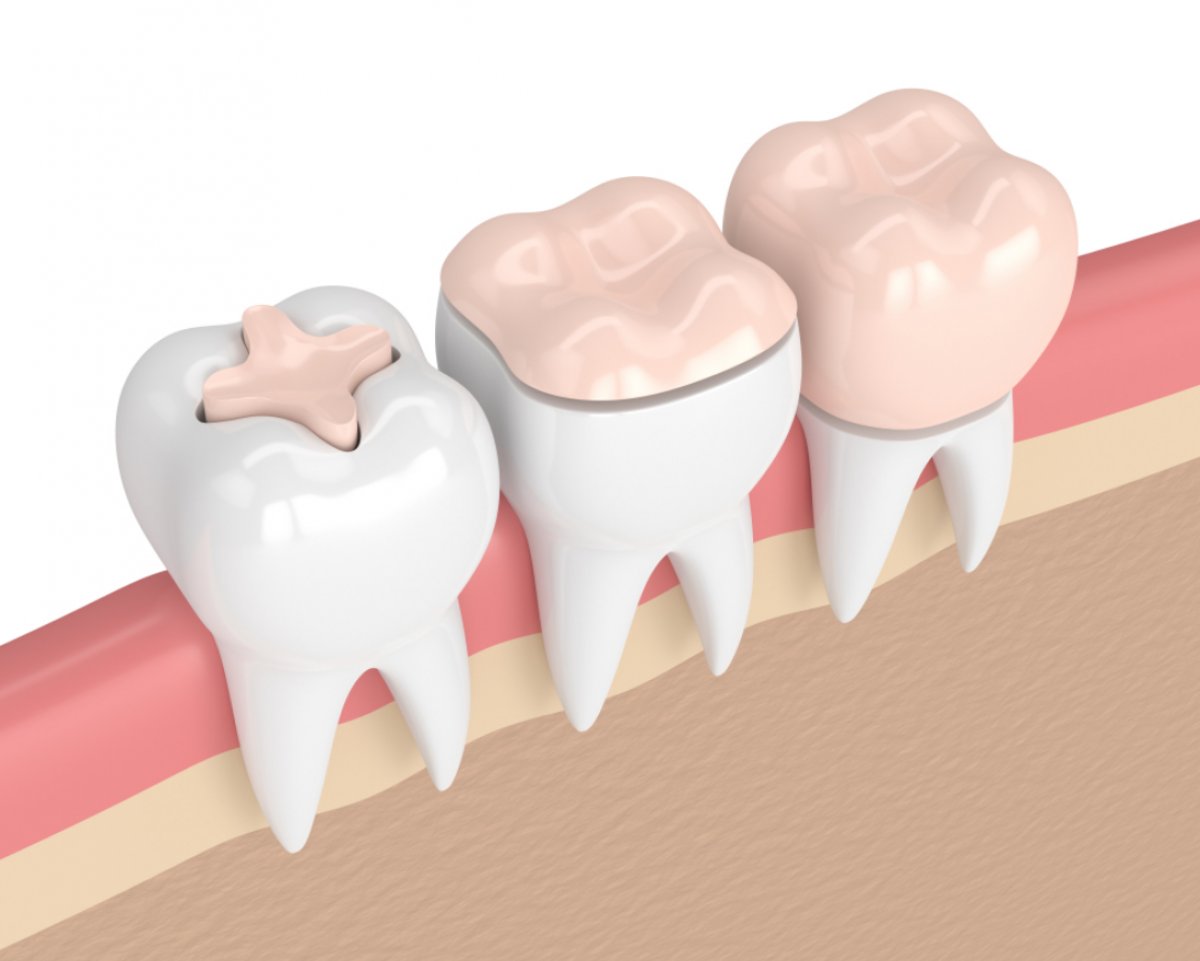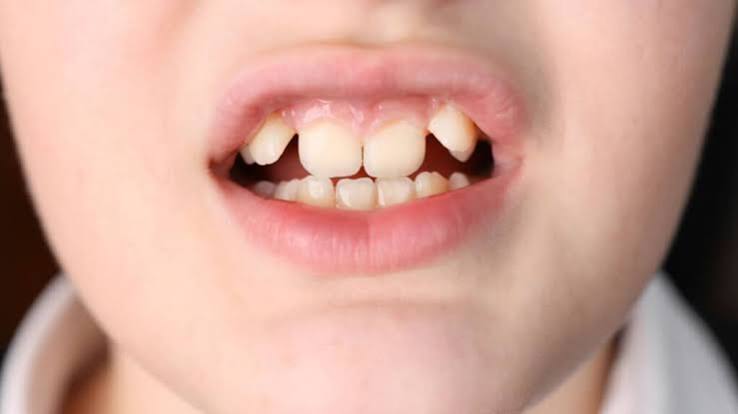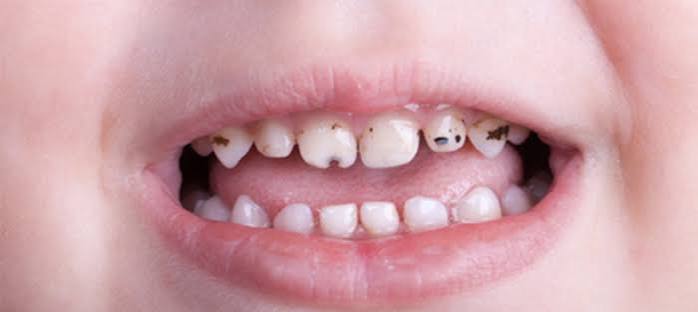

The implant-supported bridge is a modern dental prosthesis method preferred for replacing missing teeth. Unlike traditional bridges, this bridge is anchored to implants, providing a more robust and durable structure. The bridges placed on dental implants offer high stability while also mimicking the functionality of natural teeth. Clinical studies have demonstrated that implant-supported bridges yield long-lasting and successful results. Therefore, they are considered a reliable option in dental restoration, providing an effective solution for both aesthetic and functional needs of patients.
| Definition | It is a bridge prosthesis fixed onto implants placed in place of missing teeth. Compared to traditional bridges, it does not require cutting natural teeth. |
| Who is Suitable? | Patients with multiple missing teeth who do not want to cut adjacent teeth. Individuals with sufficient jawbone volume. |
| Advantages | – Does not harm natural teeth. |
| Disadvantages | – Requires implant surgery. |
| Application Process | 1. The patient’s jawbone and overall oral health are evaluated. |
| Maintenance and Use | Daily oral hygiene should be maintained, and regular dental check-ups should be performed. The use of oral irrigators is recommended. |
| Lifetime | With proper care, it can be used for 15-20 years or even longer. |
What is an Implant-Supported Bridge, and How Does It Work?
An implant supported bridge is a treatment option that uses dental implants to replace missing teeth. Unlike traditional bridges, it does not rely on neighboring teeth to support the missing tooth. Instead, implants placed in the bone provide the support for the bridge. This method restores the function and aesthetics of missing teeth without damaging the healthy adjacent teeth. An implant-supported bridge offers a durable and long-lasting solution, making it a popular choice for patients experiencing tooth loss.
Key features:
- Healthiness
- No harm to adjacent teeth
- Natural appearance
- Long-lasting
As the first step in this treatment process, a detailed examination and planning will be conducted. The dentist examines the jaw structure and determines suitable areas for treatment, planning the number of implants according to the patient’s needs. The process begins with the placement of titanium implants into the jawbone and continues with the integration of the implants with the bone during the healing period. This phase is referred to as “osseointegration” and is critical for the health of the treatment.
The components of an implant-supported bridge consist of titanium implants, abutments, and prosthetic teeth. These components work together to mimic the natural appearance and function of teeth. The prosthetic teeth are custom-made for the patient’s oral structure and are secured to the abutments. After the implant-supported bridge is placed, the patient can confidently continue daily activities and maintain dental functions for many years.
What Are the Benefits of Choosing an Implant-Supported Bridge?
Implant-supported bridges provide a stronger, more durable, and long-lasting solution for missing teeth. Thanks to the implants integrated into the jawbone, these bridges offer high stability and mimic the functions of natural teeth. Unlike traditional methods, the advantages provided by implant-supported bridges preserve both the health of the jawbone and achieve an aesthetic appearance:
- Increased durability
- Protection of adjacent teeth
- Prevention of jawbone loss
- Preservation of aesthetic appearance
These bridges are placed without damaging healthy teeth, thus preserving the natural structure of adjacent teeth. The stable foundation provided by the implants makes chewing and speaking functions more reliable and offers long-term use.
Who is a Suitable Candidate for Implant-Supported Bridges?
The implant-supported bridge treatment offers a solid option for replacing missing teeth, but not everyone may be a suitable candidate for this treatment. Candidacy is determined based on criteria such as the condition of the patient’s jawbone, oral health, and general health. These conditions must be carefully assessed to increase the chances of success.
Required characteristics for suitable candidates:
- Sufficient bone density
- Healthy teeth
- Regular oral care
- Non-smoking
- Good overall health condition
These features help support the longevity of implant-supported bridges by reducing complications that may arise during the treatment process. For example, smoking and neglecting oral hygiene can increase the risk of implant failure. Therefore, the patient’s oral health and overall health should be carefully evaluated before undergoing implant-supported bridge treatment.
How is the Implant Supported Bridge Procedure Done?
The implant-supported bridge procedure offers a permanent and aesthetic solution for missing teeth. This process consists of four main stages, each of which is crucial for the success of the treatment process. Here are the steps of the implant-supported bridge procedure:
- Initial Consultation and Assessment
- Surgical Placement of the Implants
- Healing Process and Osseointegration
- Placement of the Permanent Prosthesis
These steps allow for the development of a personalized treatment plan tailored to the patient’s dental and jaw structure. During the initial assessment, the dentist collects all necessary information and analyzes the state of the teeth and jawbone using advanced techniques such as X-rays and 3D imaging. If the quality and quantity of the jawbone are found to be insufficient, additional bone grafting treatments may be needed.
During the surgical placement phase, the implants are made of titanium and positioned to integrate with the bone. A suitable number of these implants are selected to support one or more teeth. The healing process is necessary for the implants to fuse with the jawbone, and temporary prostheses may be used during this period.
At the end of the procedure, the permanent prosthesis is placed. The connecting elements called abutments attach the implants to the bridge, resulting in a strong and long-lasting dental prosthesis. The bridge materials provide aesthetics and durability, and are generally produced from high-quality materials such as porcelain zirconia.
How to Maintain and Protect Implant-Supported Bridges?
Implant-supported bridges require special care and regular maintenance to remain durable and healthy. Daily oral hygiene and professional dental check-ups are essential parts of this process. A meticulous oral care routine is crucial to prevent plaque and bacteria formation around implant-supported bridges, enhancing the bridge’s longevity:
-
\t
- Tooth Brushing: Gently brushing with a soft-bristled toothbrush
- Interdental Cleaning: Using dental floss or interdental brushes
- Oral Rinse: Preferably using an antimicrobial mouthwash
\t
\t
In addition, regular dentist check-ups are indispensable for the long-term health of implant-supported bridges. These check-ups closely examine the tissues surrounding the implant and the overall condition of the bridge. Radiographic evaluations are necessary to detect potential changes in the bone structure around the implants:
-
\t
- Clinical Examination: Regular control of the tissues around the implant
- Professional Cleaning: Professional removal of tartar and plaque
- X-ray Control: Monitoring of the bone surrounding the implant
\t
\t
Besides these, it is important to be aware of possible complications in implant-supported bridges. If mechanical issues or aesthetic problems are not addressed promptly, they can affect the functionality of the implant.