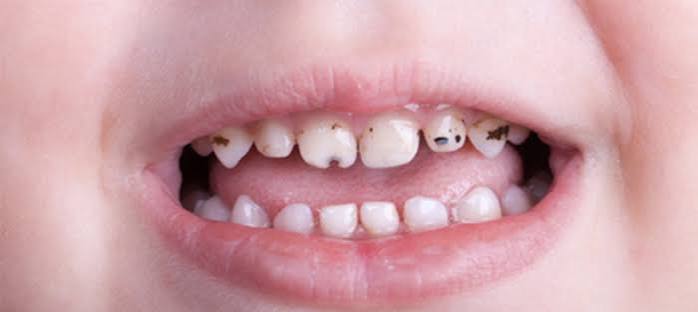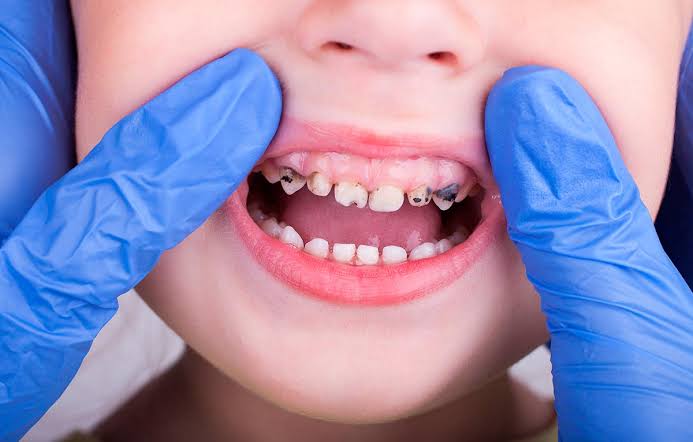
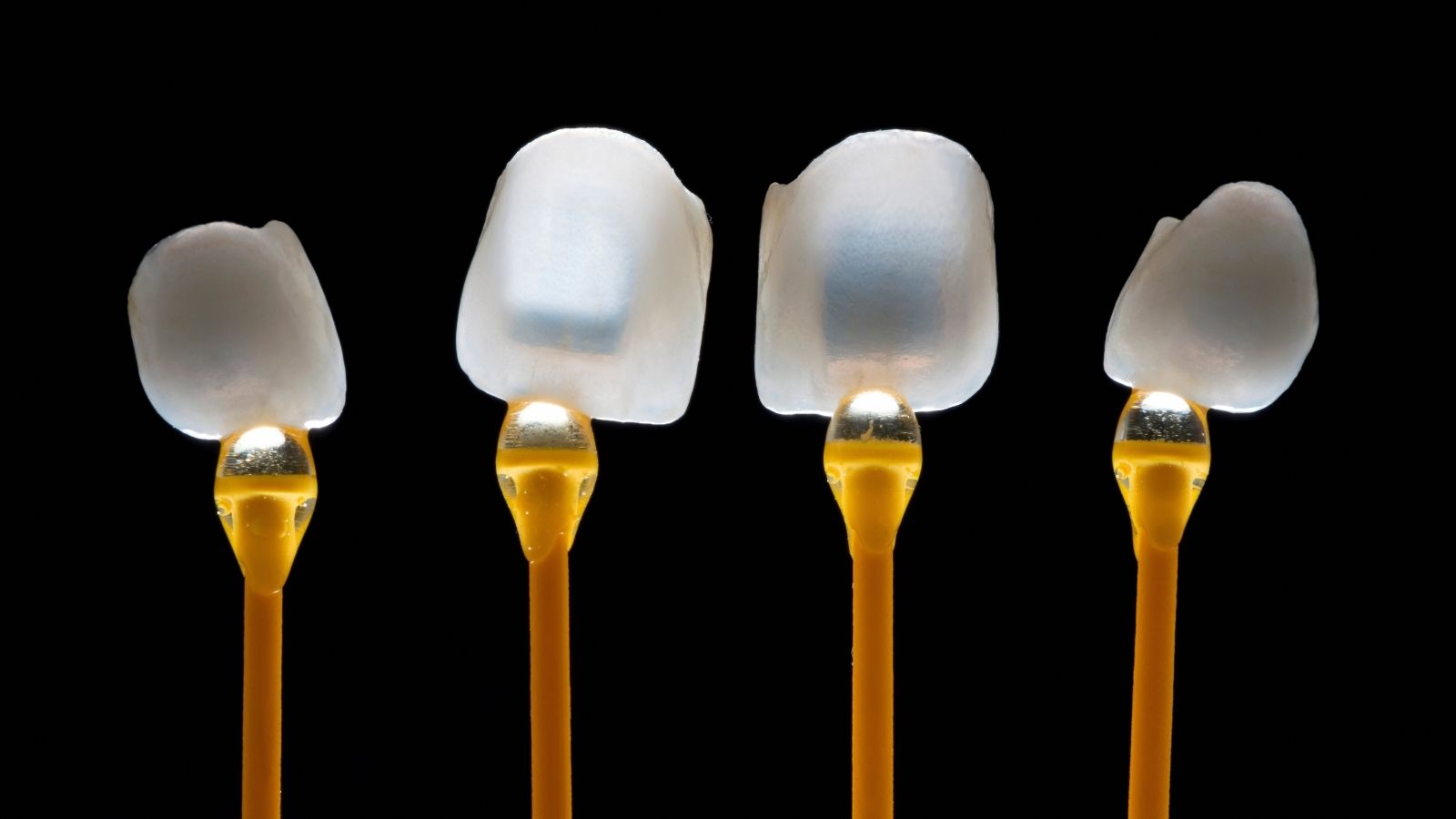
Our teeth are not only an essential part of our appearance but also a cornerstone of our nutritional comfort. However, over time, age, eating habits, trauma, or various diseases can affect the appearance and health of our teeth. It is at this point that a special application called “composite laminate” comes into play. In short, composite laminate is a method that involves applying a thin layer of composite (filling) material to the front surface of the teeth, making them more aesthetic, more even, and sometimes more durable. As for how it is applied, a resin-based material is applied layer by layer to the front surface of the tooth with minimal or no abrasion, and it is hardened with a special light. Thus, both the color and shape of the tooth are adjusted in the desired direction. In response to the question of who is suitable for this, it is generally a very practical and protective solution for individuals with minor imperfections, color irregularities, fractures, or slight dimensional issues. In other words, without sacrificing the bulk of the tooth, it offers a “cosmetic touch” to the tooth’s exterior, resembling the nail polish we apply to our nails.
| What is Composite Laminate? | It is an aesthetic restoration procedure performed by applying a thin layer of composite resin to the front surface of the tooth. | |||
| Who is it applied to? | – Tooth color irregularities (stains that cannot be removed by whitening) | |||
| Advantages | – It is a fast application (usually completed in 1 session). | – Minimal intervention is made to the tooth surface (in most cases, tooth filing is not necessary). | – It is economical, more cost-effective than porcelain laminates. | – It can be repaired when broken, easier to fix compared to porcelain laminate. |
| Disadvantages | – It is less durable than porcelain laminates. | – Requires more frequent care, regular polishing may be necessary. | ||
| Application Process | 1. The tooth surface is cleaned and lightly roughened. | |||
| Maintenance and Durability | – Regular tooth brushing and dental flossing are necessary. |
What is Composite Laminate?
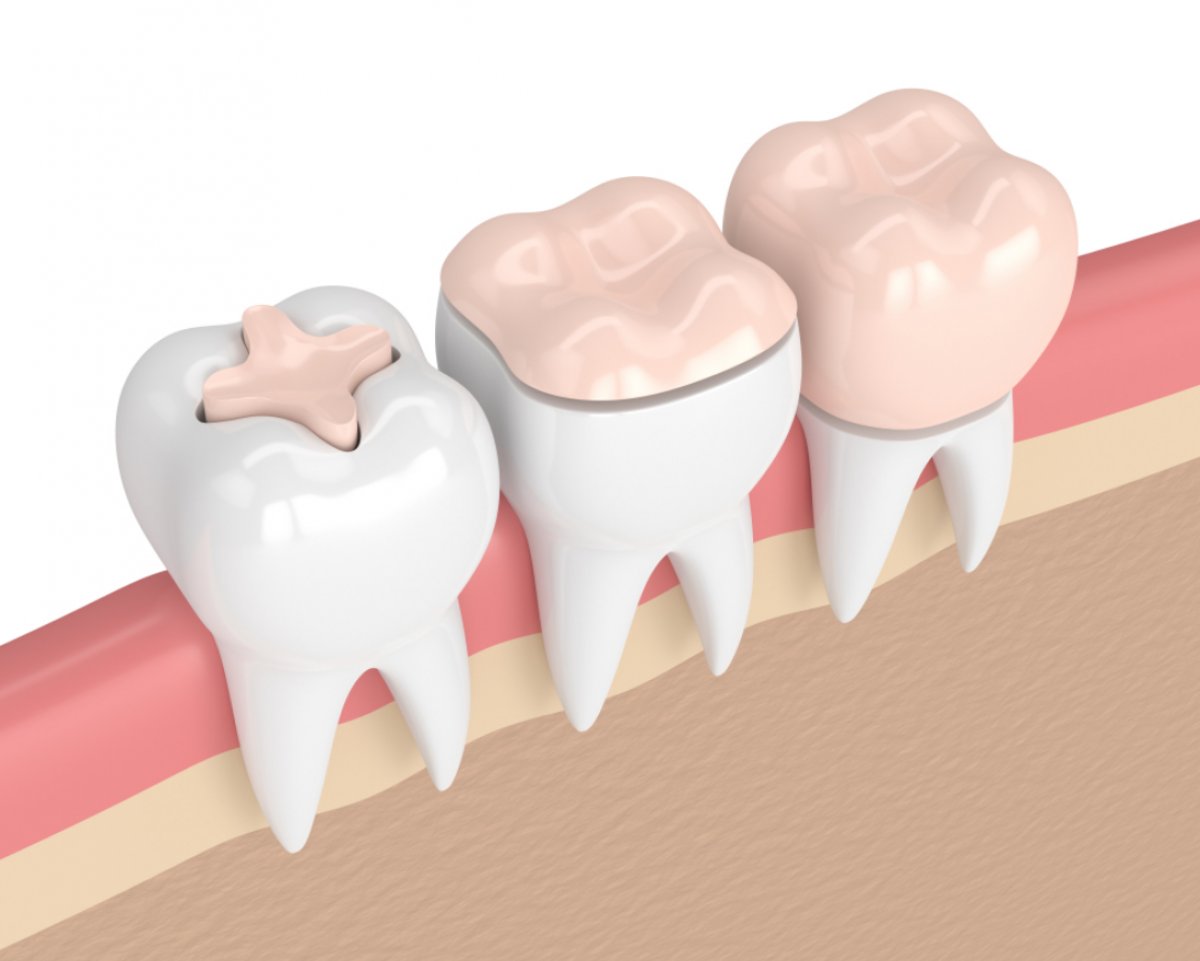
Composite laminate is a technique referred to as a “laminate”, which involves a thin layer application. You can think of it as a process similar to applying a thin coating to renew the worn-out surface of a table in your home. However, this “coating” used on teeth is made of composite resin material that is applied directly to the tooth surface in a dental office and hardened with light, instead of being a thick structure produced in labs like porcelain.
Composite resins typically consist of two main components. The first is filler particles such as glass or silica. The second is the polymer (resin) matrix that holds these particles together. The role of the polymer matrix is to ensure that the fillers adhere to the tooth surface and facilitate shaping of the material. The most commonly used type of resin in dentistry is specially designed synthetic resins known by names like “bis-GMA.”
Before starting the application, the tooth surface is lightly roughened (acid-etch) and then a bonding agent called adhesive is applied. These steps are similar to sanding a wall and applying primer when painting. This way, the composite creates a stronger bond with the tooth surface.
Composite laminate is applied layer by layer and each layer is hardened with blue light (LED or halogen light). This light activates special molecules within the composite, leading to the hardening of the material. Think of it like when you put the dough in a mold; it bakes and hardens. The “curing” process in the composite occurs with short wavelength blue light.
After all layers are completed, your dentist performs the final shaping and removes any edge and surface imperfections. The surface is then polished. This results in an appearance that closely resembles the natural shine of a tooth.
Who Can Benefit from Composite Laminate Treatment?
The application of composite laminate is a highly preferred method for individuals who want to improve the appearance of their front teeth. However, this treatment may not be suitable for everyone to the same extent. Below, you can clearly see the situations in which composite laminate treatment is effective and advantageous.
- Color Distortions: Some individuals may have stubborn stains that cannot be removed by tooth whitening methods. Especially in cases of tetracycline stains or congenital enamel defects, no matter how much the tooth is whitened, satisfactory results may not be achieved. At this point, composite laminate can be applied to the front surface of the tooth in a way that provides the desired color and opacity, solving the problem.
- Small Cracks and Fractures: Sometimes minor accidents happen in daily life; a tooth corner may chip while biting down on a hard object or due to a sudden impact. Composite laminate is quite effective in repairing such small chips or cracks. Just like fixing a small crack in the wall with plaster, the missing or cracked part of the tooth can be filled with composite.
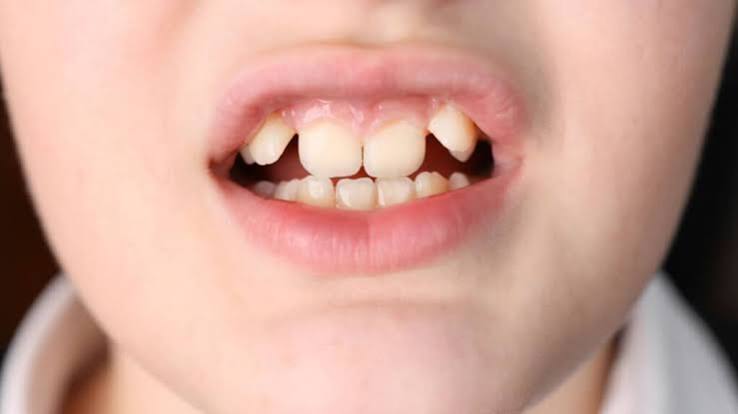
- Spaces Between Teeth (Diastema): When there is an obvious gap between the front teeth, you might consider orthodontic treatment (braces). However, if we are talking about small gaps that may not require orthodontics, composite laminates can close these gaps, creating a significant aesthetic change.
- Slight Misalignments: Minor twists or positional issues with your teeth can be camouflaged with small adjustments and composite additions. This is also known as “bonding” or “contouring.” Of course, orthodontic treatment may be necessary for more severe misalignments, but for small issues, composite laminates offer a quick and effective solution.
- For Those Desiring a Brighter Smile: Some people, even if their dental structure is actually healthy, seek a more “ideal” smile line and a more perfect aesthetic appearance. Composite laminates can contribute to smile design by altering the shape, size, and color of the teeth.
However, for individuals with significant tooth loss, deep cavities, or serious structural issues, composite laminates may not always be sufficient. In such cases, more durable and broader surface coatings may be required. Still, your dentist will examine the X-rays of your teeth, check your gums, and clarify which method will assist you in achieving the desired aesthetic result.
What Are the Steps of Composite Laminate Application?
While composite laminate may seem like a magical touch, it is actually quite a systematic procedure. If you like, we can compare this process to an artist creating a painting. Each step shapes the tooth, imperfections are removed, and ultimately, an aesthetic “work of art” emerges.
- Examination and Planning
The first step is a detailed examination. The doctor performs a superficial and radiographic (X-ray) examination of the teeth, assessing whether the gums are healthy. If there is an active infection in the gums or problems with the tooth roots, these issues must be resolved first. During the planning stage, it is determined how much the tooth will be reduced, which color composite will be chosen, and how the duration of treatment will be.
- Preparation of the Tooth Surface
In some cases, no material loss may be done from the tooth, but most of the time, a very thin reduction (for example, 0.3-0.5 mm) occurs on the front surface of the tooth. This is similar to smoothing or sanding the wall surface before hanging a picture. This reduction helps the composite fit properly onto the tooth and prevents it from being too thick.
- Bonding Stage
After the tooth surface is lightly etched, a bonding agent is applied. This bonding acts like a strong adhesive. The key point of the process is to evenly distribute the bonding at every point and apply it in a very thin layer. Otherwise, the composite may not bond with the tooth or may lead to detachments in the long term.
- Application of Composite
In accordance with the plan, composite resin is applied in layers on the front surface of the tooth. After each layer, it is hardened by being exposed to blue light (special wavelength LED or halogen lamp). This layering process can be thought of like a painter applying layers of color to a canvas. Different colors or opacities of composite may be used in some layers, giving the tooth depth and a natural texture.
- Shaping and Polishing
After all layers have hardened, the tooth surface is shaped to conform to anatomical lines. Then, special polishing disks and drills are used to both polish the surface and provide a shine close to that of a natural tooth. If this step is done meticulously, the composite veneer will be almost indistinguishable from your own tooth when viewed from the outside.
- Control and Final Adjustments
Once the composite veneer is completed, a closure (occlusion) check is performed. If your teeth are hitting at an undesired height while biting, minor adjustments are made. These checks are critically important for preventing the veneers from chipping or your tooth from feeling discomfort in the long run.
What are the Differences Between Composite Veneer and Porcelain Veneer?
When it comes to aesthetic dentistry today, the first two methods that come to mind are usually “composite veneer” and “porcelain veneer”. Both techniques are used to cover the front surface of the teeth, but they involve fundamentally different materials and procedural stages. These differences directly affect essential points such as cost, durability, aesthetic appearance, and the degree of intervention on the tooth.
Composite veneer is applied directly in the dental office by the dentist, as it is a resin-based filling material. On the other hand, porcelain veneers are made from special ceramic materials (often referred to as “feldspathic porcelain” or “empress”) and are usually prepared in a laboratory. Thus, composite can be likened to “home-cooked fresh food”, whereas porcelain resembles “a dish specially prepared by a chef in a restaurant”.
In composite veneers, often very little tooth reduction is performed, and in some cases, it is possible to apply them without any reduction (known as “no-prep veneer”). However, for porcelain veneers, more reduction of the front surface of the tooth may be required to achieve a clearer shape and thickness.
Porcelain veneers possess a characteristic that closely mimics the natural tooth enamel layer in terms of light transmission. This results in aesthetically pleasing and long-lasting outcomes. Additionally, porcelain is more resistant to wear compared to composite and its color typically does not change over the years. Although composite veneers use advanced materials, they can experience color changes over time due to factors such as tea, coffee, or smoking. Regular polishing of the composite surface can delay color changes.
Porcelain veneers are generally more expensive due to the laboratory processes involved, the cost of the ceramics used, and the high level of precision required in application. The procedure usually takes an average of two or three sessions: first, the teeth are prepared, and measurements are taken, followed by the production of the veneers in the laboratory, and the final session involves placement. Composite veneers are often more economical as they can usually be completed in a single session.
When a composite veneer chips or develops a minor fracture, the dentist can often easily repair it with the same material. However, when a porcelain veneer is damaged, it generally needs to be replaced with a new one.
What Are the Advantages of Choosing Composite Veneers?
Composite veneers have many advantages, especially for those looking to enhance anterior tooth aesthetics quickly and economically. Below, you can find these advantages illustrated with some everyday examples:
Composite veneers typically require very little reduction of the tooth structure. If the surface structure of your teeth is suitable, composite can even be applied without any reduction. This means you are preserving your healthy tooth structure to the maximum extent. You can think of it like painting the wall of a house, where you apply a nice coat of paint directly over without completely scraping the wall.
In many cases, you can have composite veneers applied to your teeth on the same day and return home with a bright smile. Since there is no laboratory phase, it saves time. This quick method is tailored for those who will attend weddings or special events in a short time frame during a busy schedule.
One of the significant reasons for the popularity of composite veneers is that they are generally less expensive compared to porcelain veneers. Of course, the quality of the composite material used and the experience of the dentist can affect this cost, but it can still be said to be a more economical option compared to porcelain.
In everyday life, small chips may occur as a result of unwanted accidents or hard foods. Composite veneers can be easily repaired in such situations. The material can be re-added to the tooth and hardened with light to restore it to its final form. This way, small issues are prevented from turning into significant expenses.
When composite veneers are made, your dentist can adjust both the color and the shape of the tooth to fit you best. With a method called smile design, the ideal tooth dimensions for your facial structure and lip profile can also be determined. This way, it is possible to achieve a natural result.
Compared to porcelain veneers, teeth are less drilled during the preparation phase, which generally results in a lower risk of sensitivity. However, this may not hold true for all patients; factors such as the current condition of the tooth and nerve structure can affect sensitivity levels.
Are There Risks or Disadvantages in Composite Veneer Application?
Like any treatment method, the application of composite veneers has its own risks and potential disadvantages. The majority of these risks can be minimized through proper selection of the doctor, use of suitable materials, and patient compliance. Nevertheless, it is advisable to keep the following points in mind before starting treatment:
Composite does not have the same color stability as porcelain. Regular consumption of tea, coffee, red wine, or smoking can lead to staining on the surface of the composite. While some of these stains can be removed with polishing, deeper discoloration may require more surface abrasion or the composite to be replaced.
Composite resin is softer compared to natural tooth enamel and porcelain. Therefore, it may wear down over time. Frequently biting down on very hard foods with the front parts of the teeth or habits like nail biting or pencil chewing may accelerate this process. Additionally, a sudden impact or excessive force can cause the composite laminate to chip or break.
Micro-gaps, known as microvoids, can form at the junctions of the composite material with the tooth. These gaps can prepare the ground for discoloration or tooth decay over time. Furthermore, when small separations occur at the bonding edge, sensitivity to hot and cold may increase. Using a quality bonding agent and correct application techniques reduces this risk.
Composite laminate is, in a way, an “art” job for dentists. The skill of the practitioner, aesthetic vision, and depth of material knowledge have a significant effect on the outcome. Therefore, not everyone can create composite laminates of the same quality and authenticity. Thus, the experience of the dentist makes a big difference in treatment.
Composite laminate requires regular care and periodic dental check-ups. Micro-cracks or surface irregularities that may occur over time can lead to the need for repolishing or repair. Adhering to these maintenance procedures extends the lifespan of the laminates.
A well-made composite laminate can last between 5 to 10 years. This duration may vary depending on the patient’s oral hygiene habits, chewing force, and adherence to regular check-ups. Although porcelain laminates generally have a longer lifespan, composite laminates can provide satisfaction for many years under proper conditions.
What Materials Are Composite Laminates Made Of?
The structure of composite laminates used in dentistry is fundamentally composed of two main components: “resin matrix” and “filler particles.” These two components are combined in specific ratios to maximize both durability and aesthetics. In a more technical analogy, just as cement and sand are for concrete, resin and filler particles are for composites.
- Resin (Matrix) Structure
The most commonly used types of resin in dentistry are monomer-based polymers such as Bis-GMA (Bisphenol A Glycidyl Methacrylate), UDMA (Urethane Dimethacrylate), or TEGDMA. When these monomers are exposed to light (typically blue LED light), they polymerize and become solid. The resin matrix is responsible for the formability of the composite and also acts as the “glue” that holds all the fillers together.
- Filler Particles
Small glass or ceramic-based particles added to the composite increase the material’s hardness, durability, and wear resistance. Additionally, they contribute to better compatibility with the tooth by reducing the amount of shrinkage of the composite. The size and type of these filler particles are of great importance in terms of the material’s polishability and light reflection properties. Some advanced technology composites use nano-sized particles to enhance translucency and gloss.
- Hybrid Compositions
Some composites fall into the “hybrid” or “nanohybrid” category, where both micro and nano particles are used together. This hybrid technology aims to offer both high gloss and high durability at the same time. For example, microfill composites provide excellent aesthetics and gloss, while macrofill composites are more durable but slightly lag behind in gloss. Hybrid composites combine the advantages of both.
- Color and Opacity Options
Composite laminate producers offer a wide variety of color shades to achieve results closest to the natural tooth color. There are even different tones and opacity levels, such as “meat color,” “gloss color,” and “dentin color.” Thus, it becomes possible for the dentist to choose the composite mixture that is closest to the patient’s natural tooth structure.
- Curing Agents with Light
The composite resin contains special photoinitiators (e.g., camphorquinone). Blue light activates these photoinitiators, causing the monomers to link together and form a polymer. This stage is one of the most critical points for composite laminates; layers that do not receive sufficient light may not fully cure.
How Durable is Composite Laminate?
The most important question on the minds of many considering getting composite laminate is, “How long do these coverings last?” While it’s not possible to give a single number, in general, a lifespan of 5 to 10 years can be mentioned. Of course, in some patients this period may be extended, while in others, problems may arise in a short time. So, what causes this variability?
- Usage Habits
Composite laminate can easily become damaged when exposed to strong impacts or high chewing forces. For example, habits like biting nails, chewing on pencils, or ice can lead to quick wear or breakage of the laminates. However, laminates last longer in individuals who pay attention to oral health, brush their teeth regularly, and use dental floss.
- Maintenance and Check-ups
Regular visits to the dentist can help detect potential microcracks and edge fit issues in the early stages. If there is a tiny crack on the laminate surface or a slight break on the edge, your dentist can quickly repair it. These minor interventions extend the overall lifespan of the laminate.
- Material Quality and Application Technique
Not all composite materials are the same. Some contain nano-particle technology, while others are older types of fillings. Likewise, the dentist’s layering technique, the quality of the light source, and the proper curing of each layer also play a role in the durability of the laminate. Improper layering or insufficient polymerization can lead to edge leaks over time and even cause the laminate to completely fail.
- Dental Health
Composite laminate is supported by the underlying tooth structure. If there is a problem with the tooth roots or nerve tissue, for example when decay progresses or root tip inflammation develops, the composite laminate can be indirectly affected as well. Therefore, the better the health of the underlying tooth, the longer the laminate’s lifespan will be.
- Teeth Grinding (Bruxism)
Some people grind their teeth due to stress while sleeping or during the day. This puts excessive pressure on the laminates and can lead to them breaking or wearing down in a shorter time. For patients with such habits, using a night guard (splint) after composite laminate placement or managing stress is necessary.
How to Care for Composite Laminate After Placement?
Once the composite laminate procedure is completed, thinking “I have finally achieved what I wanted, I don’t need to do anything” is a big mistake. Just as you would take regular care of a new car and pay attention to its cleanliness, your composite laminates deserve similar care. So what should you pay attention to?
- First Hours and Day
It is advisable to stay away from hard or sticky foods for the first 24 hours after the procedure. The newly hardened composite needs a little time to fully adapt to all forces. Also, if you experience hot-cold sensitivity, do not worry; this is usually temporary.
- Proper Brushing and Use of Dental Floss
It is extremely important not to interrupt your oral hygiene routine after getting composite laminates. Brush your teeth at least twice a day, and if possible, three times with a soft-bristled toothbrush. Avoid high-abrasive toothpaste to prevent dulling of the surface. Using dental floss or inter-dental brushes to clean the edges of the laminates helps prevent the accumulation of germs and leaks.
- Color Protection
Habits such as tea, coffee, red wine, and smoking can cause discoloration of the composite surface. Therefore, rinsing your mouth with water or brushing your teeth shortly after consuming these types of beverages can delay staining. Professional polishing treatments available at clinics can also remove surface stains.
- Regular Check-ups
It’s important to visit your dentist for a check-up at least every six months to evaluate the edge fit and integrity of the laminates. During each check-up, any minor wear or cracks will be addressed. This prevents these small issues from turning into larger problems.
- Avoiding Bad Habits
Habits such as nail biting, pen chewing, and opening packaging with your teeth can damage both composite laminates and natural tooth enamel. Giving up these habits contributes to maintaining a healthy and aesthetic oral structure.
- Bruxism and Night Guard
If you have a habit of teeth grinding (bruxism), your dentist will likely recommend using a night guard. This guard protects the laminates from excessive pressure, extending their lifespan. Especially during periods of high stress, this guard is very effective in preventing cracks in the laminates.
Is Composite Laminate Suitable for Sensitive Teeth?
Dental sensitivity can be described as a sharp pain felt during hot-cold contact or sometimes when consuming sweet foods. The primary factors causing sensitivity include the erosion of the dental enamel or the exposure of dentin canals resulting from gum recession. So, can patients with dental sensitivity benefit from composite laminate application?
- Minimal Erosion Advantage
In composite laminates, since very little material is removed from the tooth’s front surface, there is no significant intervention that triggers sensitivity. In some cases, laminates can be applied without any erosion at all. This represents an important advantage for sensitive teeth.
- Reduction of Micro-Leakage with Good Bonding
The bonding agents used in composite laminate applications fill the micro-spaces on the tooth surface, effectively sealing the dentin canals. This reduces fluid movement and potentially decreases sensitivity. However, this may not always be a complete solution; if sensitivity does not entirely disappear, your dentist may use additional protective materials.
- Be Careful of Gum Recession
Sensitivity can sometimes occur due to gum recession exposing the tooth root. Since composite laminates cover more of the tooth’s front surface, they may not be effective in areas below the gum line. In such cases, additional treatments (e.g., gum graft or sensitivity-relieving agents) may be necessary.
- Temporary Sensitivity is Normal
After the composite laminate application, especially in cases where the tooth has been slightly eroded, short-term sensitivity may occur. This condition may resolve spontaneously within a few days to a few weeks. If sensitivity persists or worsens, it is essential to consult your dentist.
Patients with sensitive teeth should pay extra attention to oral hygiene after composite laminates, and it’s recommended to avoid abrasive toothpaste and hard toothbrushes. A soft-bristled toothbrush and sensitivity-relieving toothpaste can help make this period more comfortable.
What Dental Issues Does Composite Laminate Address?
Composite laminate is a commonly preferred method in aesthetic dentistry to address small to medium-sized imperfections. Below, you can find some common dental issues that can be resolved with composite laminate:
Some stains are too deep to be removed with teeth whitening. Especially in cases of discoloration caused by antibiotics (tetracycline) or congenital enamel defects, composite laminate covers the tooth surface with a new “outfit” to mask the stains. If the color is not satisfactory, reshaping or color adjustment can be done as deemed appropriate by the dentist.
Cracks or chips resulting from mild trauma can disrupt aesthetics and cause sensitivity. Composite laminate is a practical solution to cover these imperfections and restore the tooth to its original shape. If needed, the tooth’s form can be redesigned in combination with bonding treatment and composite laminate.
Gaps between front teeth can create an undesirable appearance when smiling. Orthodontic treatment requires a long process; if the gap is not too large, the dimensions of the teeth can be increased with composite laminate to close the space in between. With this method, patients can often achieve a gap-free smile in a single session.
Some teeth may be smaller or shaped differently compared to others (for example, conical shaped lateral teeth). With composite laminate, the shape of these teeth can be redesigned to achieve a harmonious symmetry with the other teeth. This way, the patient obtains a more uniform smile.
Especially in anterior teeth, if there are slight misalignments or rotated tooth conditions, it is possible to visually correct them with composite veneers without significant material loss. In more advanced cases, options such as orthodontic treatment or porcelain veneers are considered.
A person may be dissatisfied with the shape, color, or alignment of their teeth. Composite veneers can be applied as part of a comprehensive aesthetic concept called ‘smile design.’ This allows for achieving the ideal smile shape by considering parameters such as the person’s facial structure, lip shape, and skin tone.