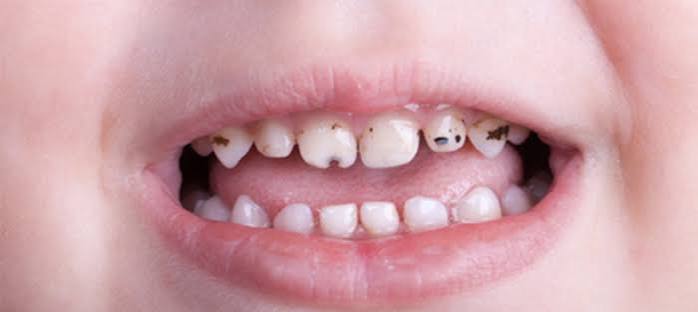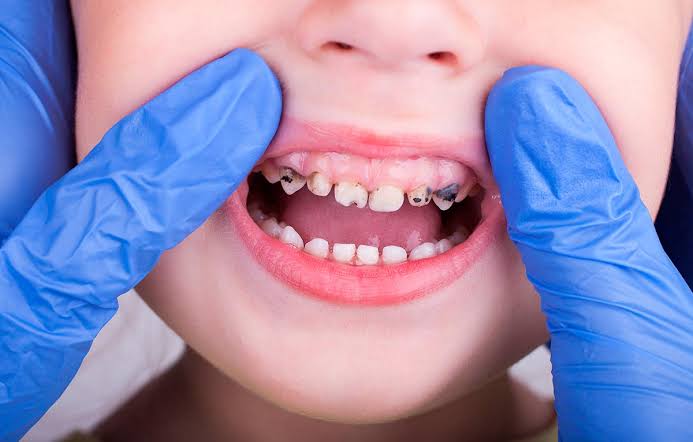
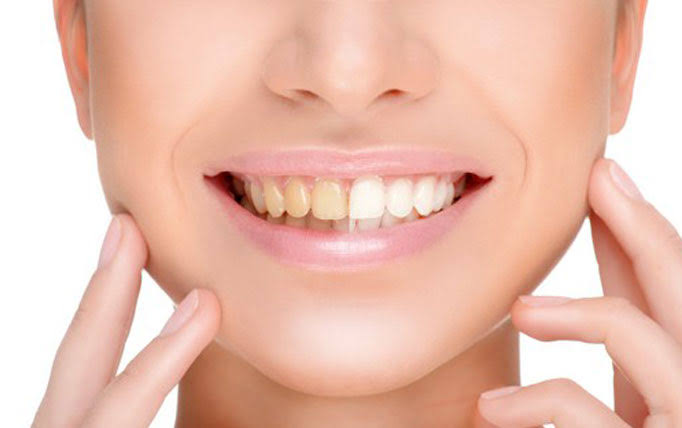
Tartar on the teeth is a hard structure formed by the gradual hardening and mineralization of plaque that accumulates on the teeth over time. This situation begins with the accumulation of bacteria in the mouth that eventually forms plaque on the tooth surface. Tartar that cannot be cleaned with a toothbrush or dental floss requires professional intervention. Dentists or hygienists clean the tartar from the tooth surfaces and beneath the gums using special tools, preserving oral health. This process plays an important role in preventing gum diseases and maintaining the health of the teeth. Tartar cleaning should be done regularly.
| Definition | Hard deposits that form as a result of plaque on the tooth surface hardening and mineralizing, usually yellow or brown in color. | ||||
| Causes | – Lack of Regular Oral Hygiene: Not brushing teeth regularly and not using dental floss. | – Plaque Accumulation: Bacteria and food residues left on the teeth can harden over time and turn into tartar. | – Smoking and Tobacco Use: Tobacco products accelerate the formation of tartar. | – Hormonal and Genetic Factors: Some individuals may be more susceptible to tartar formation due to hormonal changes. | – Dietary Habits: Excess consumption of sugary and starchy foods leads to bacterial plaque. |
| Symptoms | – Hard deposits on the tooth surface that are yellow, brown, or black in color. | – Gum inflammation, redness, and bleeding (may lead to gum diseases). | – Bad breath (halitosis). | – Gum recession and sensitivity. | |
| Treatment Methods | – Professional Tartar Cleaning (Scaling): Tartar is cleaned by the dentist using special ultrasonic devices. | – Regular Brushing and Use of Dental Floss: Daily oral care should be emphasized to prevent new tartar formation. | – Use of Antibacterial Mouthwashes: May help reduce plaque formation. | ||
| Prevention | – Brush your teeth at least twice a day. |
What Is Dental Tartar and How Does It Form?
Dental tartar is a hard layer that forms from the accumulation and mineralization of plaque in the mouth. Plaque is a biofilm made up of bacteria that adhere to the tooth surface, their waste products, and salivary proteins. If this biofilm is not cleaned regularly, it hardens over time and turns into tartar. Tartar can accumulate not only on the visible parts of the tooth but also under the gum line, leading to various oral health problems.
Some factors that lead to tartar formation are:
-
\t
- Insufficient oral hygiene
- Tobacco use
- Consumption of sugary or acidic food and drinks
- Genetic predisposition
- Differences in dental structure
\t
\t
\t
\t
Dental tartar prepares the ground for gum inflammation and the formation of cavities. Gum inflammation (gingivitis) can progress to periodontitis, leading to serious issues, including tooth loss. Because tartar cannot be removed through brushing and flossing alone, regular dental check-ups are required.
What Are the Associated Risks of Dental Tartar?
Dental tartar is a layer that adversely affects oral health, formed by the hardening of unremoved plaque on the teeth. Over time, this hardened plaque that accumulates at the gum line can lead to various dental and oral issues, carrying serious health risks, including tooth decay, gum diseases, bad breath, aesthetic impairments, and general health problems.
One of the major effects of dental tartar is that it damages the enamel, making it easier for cavities to form. The rough surface of tartar allows plaque to adhere more easily to the tooth surface, which weakens the enamel due to acid production. On the other hand, tartar irritates the gum tissue, causing inflammation and paving the way for gum diseases. If untreated, the supporting tissues around the teeth may weaken, potentially leading to tooth loss.
Bad breath is another common symptom of dental tartar. Bacteria that accumulate on the tartar surface produce substances that cause bad odors, which can negatively affect a person’s social life. Additionally, tartar easily absorbs color from food and drinks; this can lead to yellowing of the teeth and create an aesthetically displeasing appearance.
In addition to the negative effects on oral health caused by dental tartar, there are also linked risks to overall health. Recent studies show that gum diseases can lead to serious health issues such as heart diseases, diabetes, and respiratory infections. Inflammation of the gums may negatively impact the circulatory system and contribute to inflammation in other areas of the body. Therefore, regular dental cleaning and professional oral care are essential for both oral and overall health.
Is it possible to prevent dental tartar?
It is possible to prevent the formation of dental tartar with proper oral and dental hygiene. Regular tooth brushing, use of dental floss, and antiseptic mouthwashes are important for maintaining oral hygiene. These practices help reduce plaque buildup, preventing the formation of tartar. Regular check-ups recommended by the dentist protect oral health and provide the opportunity for early diagnosis of potential problems. In addition to these habits, it is also necessary to pay attention to nutrition.
Basic steps for oral care:
- Regular tooth brushing
- Use of dental floss
- Use of antiseptic mouthwash
- Regular dental check-ups
Dietary habits also affect tartar formation. Especially avoiding sugary and starchy foods prevents the growth of bacteria in the mouth. In addition, consuming enough water and chewing sugar-free gum increases saliva production in the mouth, supporting oral hygiene and balancing the acid level.
Healthy oral care habits and a balanced diet minimize tartar formation on teeth.
How is dental tartar professionally cleaned?
Dental tartar forms when plaque that accumulates on teeth mineralizes and hardens, making it impossible to remove with a toothbrush or dental floss. Professional intervention is required to clean this hardened layer. The most common tartar removal methods are scaling and root planing.
In the scaling procedure, the dentist or dental hygienist cleans the tartar on the tooth surface and below the gums with special instruments. The ultrasonic devices used during this process help destroy bacteria by agitating the tartar. The tiny air bubbles created by high-frequency vibrations effectively eliminate harmful microbes.
In the root planing procedure, the tooth roots are made smooth to prevent bacteria from reattaching. This results in the gums holding onto the tooth more tightly, speeding up the healing process.
Main methods:
- Scaling
- Root planing
- Vibratory cleaning with ultrasonic devices
- Elimination of bacterial biofilm with air bubbles
In more advanced stages, additional methods such as laser treatment can also be applied. These procedures performed with lasers can be effective in reducing gum inflammation and decreasing the number of bacteria. However, there are differing opinions among dentists regarding the benefits of laser treatment; this method is not considered a standard procedure that should be applied to every patient.
How Often Should Professional Cleaning Be Done to Control Dental Tartar?
The frequency of professional cleaning to control dental tartar is determined by a person’s oral health needs. This frequency varies depending on factors such as an individual’s oral hygiene habits, dietary patterns, and tendency towards gum health. Generally, dentists recommend cleaning twice a year; however, this frequency is not a valid rule for everyone. While some individuals may benefit from cleaning every six months, others may find annual cleaning sufficient.
Factors affecting the frequency of dental cleaning:
-
\t
- Poor oral hygiene
- High consumption of sugary and acidic foods
- Smoking
- Tendency towards gum diseases
- Presence of orthodontic treatment
\t
\t
\t
\t
Regular dental cleaning not only prevents tartar buildup but also ensures the early detection of gum diseases. It is particularly recommended for individuals at high risk of gum disease to increase the frequency of cleaning. Dentists develop a personalized cleaning plan for each individual by evaluating their risk factors. The special tools used during cleaning ensure effective removal of tartar while also helping to maintain oral health in the long term.