
Diastema (gap teeth) refers to the condition where there are noticeable gaps between the teeth. It is commonly observed between the front teeth and is often regarded as an aesthetic issue in society. However, considering the underlying causes and potential oral health problems that may arise over time, it may sometimes require prompt treatment. Diastema can originate from natural growth processes during childhood, genetic inheritance, or acquired habits. It can be corrected largely through orthodontic methods (such as braces), restorative techniques (like bonding or laminates), or surgical methods. The appropriate treatment depends on the cause of the tooth gap, its width, and the existing oral and dental health conditions.
| Causes | – Genetic Factors: Smaller teeth depending on jaw structure |
| Symptoms | – Visible gaps between the teeth |
| Treatment Methods | – Orthodontic Treatment (Braces or Clear Aligners): The most effective method for bringing teeth together. |
| Treatment Duration | – Orthodontic treatment: 6 months – 2 years – Bonding or veneer: 1-2 sessions – Surgical procedures: 1-2 weeks recovery period |
| Disadvantages of Diastema | – Accumulation of food and risk of decay – Risk of gum diseases – Speech problems (in some cases, especially with larger gaps between the front teeth) – Aesthetic concerns and lack of self-confidence |
| Preventive Methods | – Regular dental check-ups during childhood – Early treatment of gum diseases – If there is missing teeth, timely implant or bridge treatment – Early intervention for tongue thrusting habits or frenulum issues |
What is Diastema and How Does It Affect Oral Health?
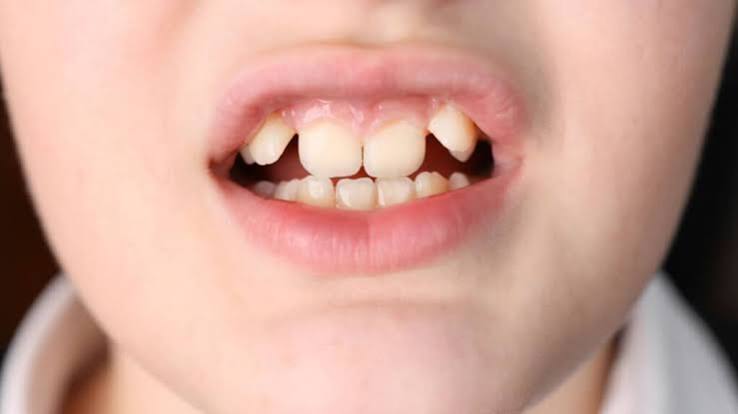
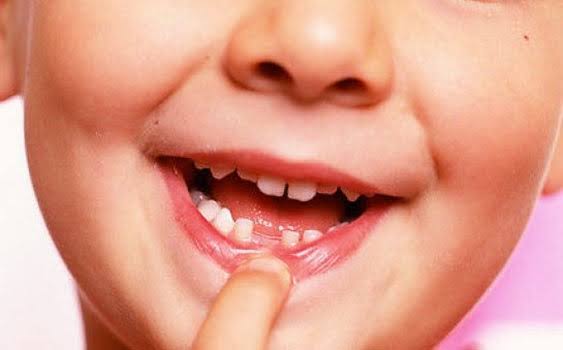
A gap larger than normal between your teeth is referred to as “diastema.” These gaps are most commonly seen between the upper front teeth (incisors) and are known as “gapped teeth” in colloquial terms. Sometimes you may feel like “a tiny corridor has opened between two teeth.” Some people consider this gap a unique detail in their smile, while for others it becomes quite an uncomfortable aesthetic problem.
Of course, gapped teeth are not just a topic to be considered from an aesthetic perspective. From a dental point of view, gaps that remain between two teeth affect oral health in several ways. For example, the gaps between teeth provide areas where food residues and bacteria can more easily accumulate. This situation can increase the risk of decay and gum diseases in the long term. If the plaque that forms on the tooth surfaces in the area with gapped teeth is not cleaned, it can lead to sensitivity and bleeding in the gums initially and more serious gum issues (such as gingivitis and periodontitis) as time progresses. Additionally, in some cases, functional issues such as impaired chewing function can also arise.
From a dental health perspective, it is especially important for individuals with diastemas to maintain regular tooth brushing and flossing. If there is abnormal force distribution due to gaps or if there is misalignment in your upper-lower jaw closures, you may be putting additional strain on the temporomandibular joint. This can lead to secondary problems in the long term, such as joint pain, tension in the chewing muscles, and even headaches.
What Are the Common Causes of Diastema Formation?
Although diastema may seem like a simple “gap between two teeth” appearance, there can be a variety of dynamic factors underlying it. It may appear as a small gap in a picture, but upon closer inspection, you will notice that many factors come together at the base of the gap. Here are these factors:
- Genetic predisposition: If there are similar discrepancies in the dentitions of your family members, it wouldn’t be surprising for you to have them as well. Hereditary factors, such as the teeth being smaller according to jaw structure or the gums having different anatomical features, can facilitate the emergence of diastema.
- Mismatches in jaw and tooth sizes: Sometimes, the size of the teeth may be smaller in proportion to the jaw. For instance, if you have a broad jaw but your teeth are relatively small, gaps can unintentionally occur when the teeth are aligned. Similarly, if your jaw structure is normal but your teeth are disproportionately small when aligned, the potential for diastema increases.
- Oral habits: Prolonged use of pacifiers or bottles during infancy and childhood, as well as habits like thumb-sucking, can disturb the front-back or left-right balance of the teeth. A thumb-sucking habit can cause the front teeth to be pushed continuously, creating a gap between them. Additionally, a habit known as tongue thrusting can create a discrepancy by causing the tongue to push against the front teeth.
- Periodontal diseases: Advanced inflammatory diseases that affect the gums and the bone tissue supporting the teeth weaken the supporting structure of the teeth. Teeth that lack support may shift position or become loose, resulting in gaps appearing between them. This is particularly noted in cases of sudden diastema during adulthood.
- Extraction gaps and missing teeth: When you experience tooth loss, adjacent teeth naturally tend to move into the gap. This can lead to various spaces forming, including diastema. Some individuals have a condition called hypodontia, where they are missing teeth from birth; this can also result in gaps in the tooth arrangement.
- Frenulum (labial frenulum) problems between the lip and gum: If the connective tissue under the upper lip (frenulum) is larger, thicker, or extends excessively, it can physically act as a barrier, preventing the two front teeth from getting closer together.
- Abnormalities in the shape and size of the teeth: Especially in individuals with small and cone-shaped lateral incisors, referred to as “peg-shaped lateral,” a mismatch can occur among the teeth in the front area. This mismatch can present as gaps in between.
Can Genetics or Jaw Size Contribute to the Development of Diastema?
As with nearly every feature of our bodies, genetic factors play a key role in the positioning and alignment of teeth. If you see that your grandparents and your parents have had the same gap between their front teeth and you experience a similar situation, it is not merely a coincidence. Genetics determines the shape of the tooth, the size of the jawbone, and even the shape of your gums.
- Genetic predisposition: The balance between the external dimensions and jaw width in some families is passed down through inheritance. If your family tends to have individuals with wide jaws but small teeth, a similar pattern may emerge in you. This creates a foundation for a spaced alignment where the teeth struggle to come together.
- Jaw width: A jaw that is anatomically wider causes more spacing among the teeth, as if they are scattered on a “stage.” Conversely, in cases where the jaw is narrow but the teeth are large, crowding can occur. Therefore, the ideal proportion of jaw and tooth sizes is very important for the proper alignment of teeth with each other.
- Development of dental buds: Some genetic mechanisms affect the number, quality, and position of dental buds. For example, in cases of missing teeth from birth, gaps in tooth alignment become inevitable. Similarly, if one of the existing teeth is very small or differently shaped, it can trigger the formation of diastema.
Is Diastema Just an Aesthetic Issue or a Health Risk?
Many people perceive the gaps between their teeth as merely a cosmetic issue. Of course, aesthetic concerns are valid; many may avoid smiling in photographs due to diastema or experience issues with self-confidence. However, the health aspect of the matter is just as important as aesthetic concerns.
- Aesthetic dimension: In social interaction, facial expression, smile, and overall appearance play a crucial role. Individuals with diastema may feel uncomfortable, especially due to the noticeable gaps in their front teeth, which can have a negative impact on both psychological and social communication.
- Oral health risks: When there is a gap between the teeth, it allows for the accumulation of plaque and food debris in that area. Bacteria can easily proliferate in the spaces between the teeth and near the gums. Over time, this can lead to the formation of cavities or gum inflammations. The likelihood of encountering more serious conditions like periodontitis increases in the long run.
- Chewing function: Gapped teeth can hinder the even distribution of chewing force within the mouth. Particularly in cases where the molars are also spaced apart, your efficiency in breaking down food may decrease, potentially contributing to digestive problems.
- Speech and articulation disorders: For some individuals, diastema can make it difficult to pronounce certain letters (especially sibilant consonants like “s” and “z”) correctly. This can lead to a slight feeling of slurring in daily communication.
How is Diastema Diagnosed?
Seeing gaps between the teeth does not always require special effort; often, both the patient and the dentist can notice the diastema at first glance. However, a professional evaluation not only determines the “existence of the gap” but also investigates the size, location, potential underlying causes, and related issues that could arise.
- Clinical examination: Your dentist will initially perform a detailed examination of the inside of your mouth. The condition of your gums, the presence of cavities, the alignment of the teeth, and the occlusion of the jaw are observed. If present, the width of the gaps between the teeth is also measured.
- X-ray examination: Panoramic or periapical X-rays show the condition of the tooth roots and surrounding tissues, bone levels, and whether there are any impacted teeth. Sometimes, the cause of the diastema can be an unrecognized impacted tooth or a missing tooth. Bone loss due to periodontal disease can also be detected with the help of X-rays.
- Digital scanning and model analysis: Some dentists carefully examine the position of the teeth through digital scanning devices or a mold model. This makes both treatment planning and progress tracking easier.
- Assessment of gum health: Diastema can sometimes be indicative of advanced gum diseases, so the general condition of the gums is checked for signs such as pocket depths (spaces in the gums) and bleeding tendencies.
- Analysis of oral habits: The doctor may inquire whether the patient has habits such as thumb sucking, tongue thrusting, or nighttime teeth grinding (bruxism). It is important because these habits can be the cause or trigger of gaps.
What Are the Most Effective Methods for Diastema Treatment?
Methods used to close gaps between teeth vary based on the cause of the gap, its width, the patient’s age, and overall oral health. These treatments should be regarded as a “tailored approach for each individual;” a one-size-fits-all solution should not be applied. For example, the treatment plan for a case with just a 1 mm small space will not be the same as for a serious gap reaching 5 mm.
- Orthodontic treatment: If the primary issue relates to the position of the teeth, one of the most permanent and healthy solutions is orthodontics. Braces or clear aligners gradually move the teeth into the correct position. Especially during youth when jaw development is still ongoing, orthodontic treatments yield quicker and more effective results. Although similar results can be achieved in adults, the treatment duration may be prolonged.
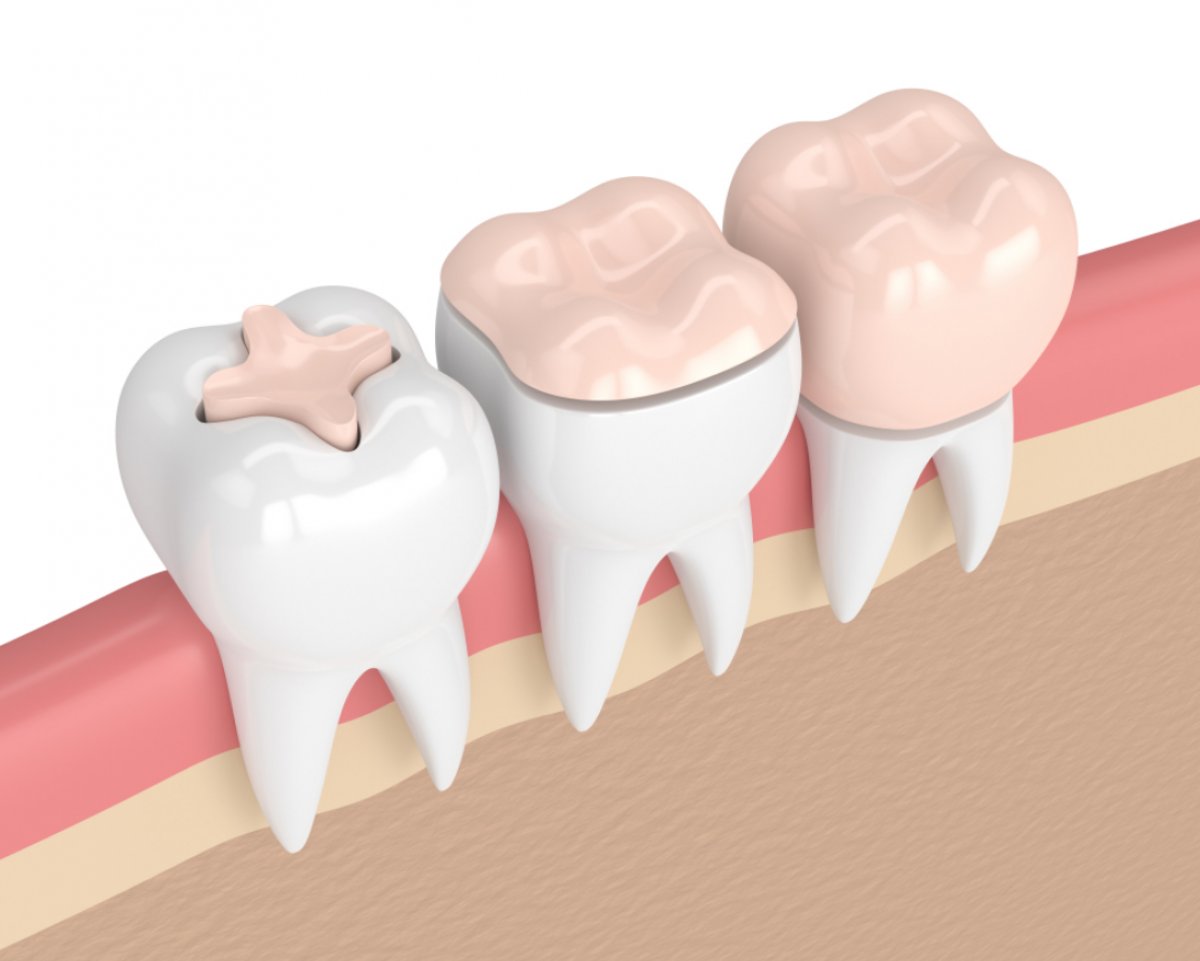
- Restorative treatments (bonding, composite, laminate veneer): This is a popular approach for small to medium-sized gaps. The bonding procedure involves applying composite resin to the tooth surface to close the gap. Laminate veneers are made by applying thin porcelain or composite material to the front surface of the tooth, aiming to achieve the desired shape and color of the tooth. They are particularly preferred to address aesthetic concerns in gaps between front teeth.
- Frenectomy: If the cause of the gap between the teeth is the abnormal enlargement of the tissue that connects the lip to the gum, known as the “frenulum,” this tissue can be surgically reduced or its position altered. Frenectomy is often combined with orthodontic treatment because merely removing the tissue does not guarantee the complete closure of the gap.
- Prosthetic or implant applications: When it comes to gaps caused by tooth loss, applications such as implants or bridge prostheses can be considered. If adjacent teeth are not in the proper position, orthodontic intervention may be planned to align the teeth first, followed by prosthetic treatment.
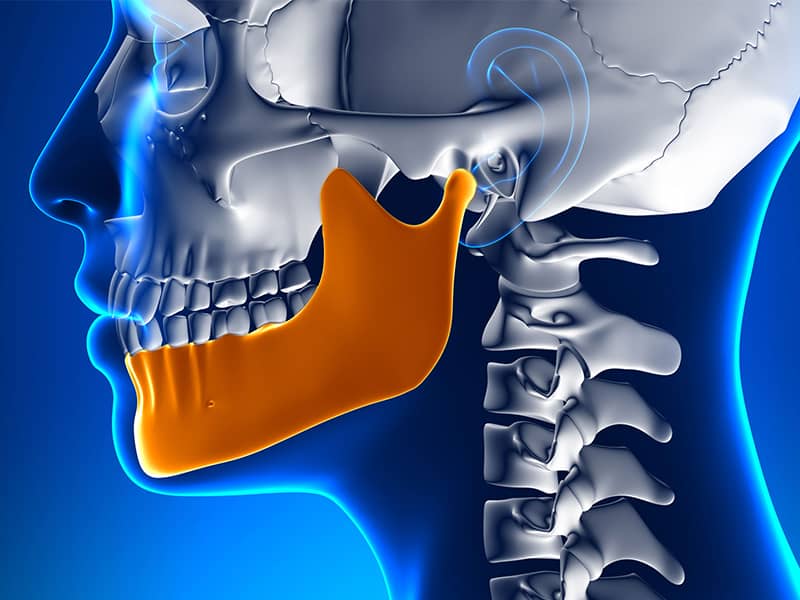
- Surgical interventions (advanced level): In some cases, there may be serious disproportion in the jawbone. In such skeletal disorders, orthognathic surgeries aimed at repositioning the jaw may become necessary. This is the most invasive and complex method, so it is not applied to every diastema case.
Can Braces Close Diastema Gaps?
Orthodontics is perhaps one of the most effective methods in the treatment of diastema. The continuous and controlled forces applied to the teeth through braces gradually move them in the desired direction over time. This process is akin to a planned compression and waiting period, similar to that applied in a bone fracture. Just as a broken bone needs a certain period to heal in the correct position, teeth also require time to settle into the correct position within the bone.
The duration of treatment varies depending on the width of the diastema, the patient’s age, and jaw structure. In some mild cases, 6-9 months may be sufficient, while treatment plans can extend to 1.5-2 years in more complex cases.
Teeth tend to revert to their “old positions” immediately after treatment. Therefore, the retention phase is very important. Through fixed retainers or removable clear aligners, the new tooth positions achieved through treatment can be made permanent.
Braces close the diastema while preserving the tooth roots and bone support, and simultaneously correct any potential distortions or problems with upper-lower jaw closure. This ensures both aesthetic and functional improvement. Additionally, the tooth tissue is not subjected to any grinding or cutting procedures.
The treatment period is relatively long, and the patient may have to live with braces. The care and hygiene of the braces also require extra attention. Plaque accumulation on the tooth surface may increase, so the patient should implement additional hygiene measures such as regular brushing, using an interdental brush, and dental floss.
How Do Dental Laminates (Veneers) Solve Diastema Issues?
Nowadays, one of the first applications that comes to mind in aesthetic dentistry is laminate veneers. Made of thin porcelain or composite material, these coverings are applied to the front surface of the tooth to provide correction in both shape and color. So, how do they provide solutions in the case of diastema?
First, a minimal abrasion is performed on the tooth (in some cases, the “prepless veneer” concept can be applied without any abrasion). Then, an impression is taken from the mouth or a digital scan is conducted. The thin veneer prepared in the laboratory is fixed to the front surface of the tooth with a strong adhesive. If the diastema is small, the teeth can be shown slightly wider with these laminates to close the gap.
Veneers are made from materials that can protect the natural color and shine of the teeth. When color matching is done well, it can even be difficult to understand whether the veneer has been applied. Especially, the appearance of the front teeth being close to a golden ratio makes a significant difference in the aesthetics of the smile.
Porcelain or composite veneers are produced to be quite durable nowadays. Of course, behaviors such as directly cracking hard-shelled foods with teeth or biting a pencil can damage the laminates. However, under normal conditions, they can be used without issues for many years. The porcelain ones are also quite resistant to color changes.
In cases of very wide diastema, a laminate veneer alone may sometimes be insufficient. For instance, if gaps larger than 3-4 mm are to be closed, the natural proportions of the teeth may be disrupted, and the veneers may appear much “wider,” negatively affecting the aesthetics. Additionally, if there is a bite misalignment, orthodontic treatment may be necessary first.
Is Bonding Suitable for Small Diastema Cases?
The bonding application is a very popular and protective approach in dentistry aimed at creating “big differences with simple touches.” A tooth-colored material called composite resin is applied in layers to the tooth surface and hardened with a special light. In this way, the shape of the tooth can be altered in the desired direction, allowing small gaps to be closed.
The bonding procedure is usually performed in a single session. Most of the time, minimal or no cutting is done on the tooth. Thus, it is a method that can enhance patient comfort and be considered economical.
It is possible to slightly widen the external dimension to close gaps of 1-2 mm. If the gap is larger, closing it with composite may aesthetically disrupt the “proportion of the teeth.” In this case, your dentist may recommend orthodontic treatment or veneers first.
Composite is not as resistant to staining agents, such as coffee, tea, and cigarettes, as porcelain. Over time, small color changes or wear may occur. However, in necessary cases, it can be easily renewed with simple touch-ups.
In the bonding procedure, the dentist’s manual skills and artistic perspective are very important. Natural transitions must be captured on the tooth surface with composite material; otherwise, color or shape mismatches may be noticeable.
Are There Surgical Options for Severe Diastema Cases?
Some diastema cases can be too complex to be resolved easily with simple orthodontic or restorative applications. Particularly in cases of diastema associated with skeletal jaw deformities, the use of braces or crowns alone may be insufficient. In such cases, surgical interventions become relevant:
As mentioned above, if the connective tissue (frenulum) between the upper lip and the gum is abnormally positioned or very thick, it can prevent the merging of teeth. In this case, the frenulum can be shortened with a simple surgical procedure, and then the teeth are brought together through orthodontic treatment.
If diastema is caused by advanced gum diseases like periodontitis, surgical interventions may be necessary to restore the health of the gum and bone tissue. For example, a flap operation can clean the tooth roots and bone surfaces, and bone grafts may be applied if needed. This way, the supporting tissues that stabilize the teeth are repaired, and afterward, the tooth gap is closed using orthodontic or restorative methods.
If there is a marked discrepancy in the ratio between the jaws (class II or class III malocclusion) and the alignment of the teeth is disrupted due to this skeletal disorder, jaw surgery may be needed. The jaw bones are repositioned surgically in an anterior-posterior or lateral direction to achieve the desired alignment. This is a comprehensive intervention and must be planned in conjunction with orthodontic treatment. After surgery, dental braces continue to be used to help the teeth adapt to the new jaw position.
Can Diastema Be Prevented with Early Intervention?
Many dental and jaw structure problems can be diagnosed much more easily and quickly during childhood. This is also true for diastema. Particularly during the mixed dentition phase (approximately ages 6-12) when primary teeth are shed and permanent teeth begin to emerge, gaps can be closely monitored under the supervision of a dentist.
By teaching children proper tooth brushing techniques, flossing, and the cessation of harmful habits (such as thumb sucking), diastema formation can be prevented. This is because many cases of spacing between teeth result from being subjected to negative forces while the teeth are still developing.
In some children, the frenulum between the upper lip and the gums can naturally stretch over time. However, if the frenulum is thicker or longer than normal, the dentist can create a plan early on to prevent diastema that may occur later. While delaying the frenectomy operation until after puberty may sometimes be more ideal, it is advantageous to detect it before it’s too late.
During childhood, using simple appliances while jaw development continues can prevent future diastemas or the widening of existing gaps. For example, palatal expanders can help organize the orientation of the jaw, contributing to a more aligned arrangement of the teeth.
If the milk teeth have to be extracted early (for example, due to caries), neighboring teeth may shift into this gap, closing off the space needed for the permanent teeth to emerge. This can lead to the permanent teeth erupting in the wrong place, creating a gap. Dentists can use “space maintainers” in such cases to prevent the gap from closing and to avoid diastema.
What Risks Can Arise If Diastema Is Not Treated?
Many people believe that diastema is just an “unattractive” aesthetic detail and may postpone treatment. However, ignoring this gap between your teeth can open the door to problems that may affect both your oral health and overall quality of life in the long run:
Gaps can be thought of as “small pockets” where food debris and bacteria can easily accumulate. If regular cleaning is not done, plaque formation accelerates, leading to damage to the tooth enamel and inflammation in the gums. As time goes on, results such as gum recession, tooth mobility, and even tooth loss may occur.
Having gaps between your front or side teeth can prevent your upper and lower teeth from closing together properly. This condition impedes the even distribution of biting forces. In the long term, it is possible to face symptoms like pain in the jaw joint (temporomandibular joint), jaw locking, and ear ringing.
Unevenly sized food particles that cannot be properly chewed can cause your digestive system to expend more energy. This might not create discomfort in itself, but it can reduce digestive efficiency. In some individuals, as diastema progresses, uncomfortable noises when chewing or toothaches may emerge.
Diastema can change the airflow during speech and make it difficult to pronounce certain letters. For example, sounds like “s” or “ş” may create a wet-like sound while coming out of the gap between the front teeth. This situation can particularly undermine a person’s confidence in social settings.
Untreated diastema can lead to negative psychological outcomes over time, such as hiding one’s smile, development of self-consciousness, or avoidance in social situations. While some people may embrace their gap-toothed smile as a unique feature, for others, this condition can become an obsession and lay the groundwork for problems such as depression and anxiety disorders.