
Dental pain in children is a common issue, especially due to causes such as the eruption of milk teeth, cavities, or infections. Various methods are available to alleviate dental pain. Analgesics like paracetamol (acetaminophen) or ibuprofen can be effective for mild to moderate pain. These types of medications can reduce pain due to their nonsteroidal anti-inflammatory properties. However, it is crucial to consult a dentist to determine the source of pain and offer a lasting solution. It is particularly advised not to apply medications like aspirin directly to the gum as they may cause burns on the skin.
What Are the Common Causes of Dental Pain in Children?
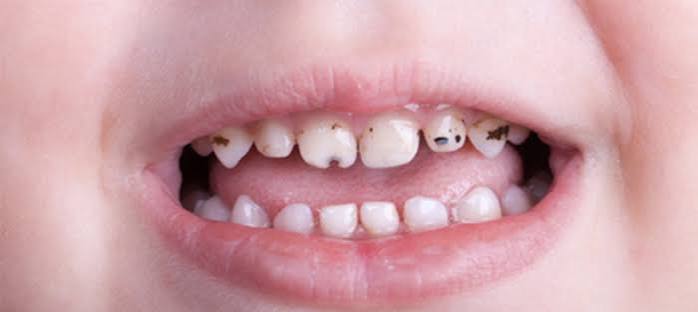
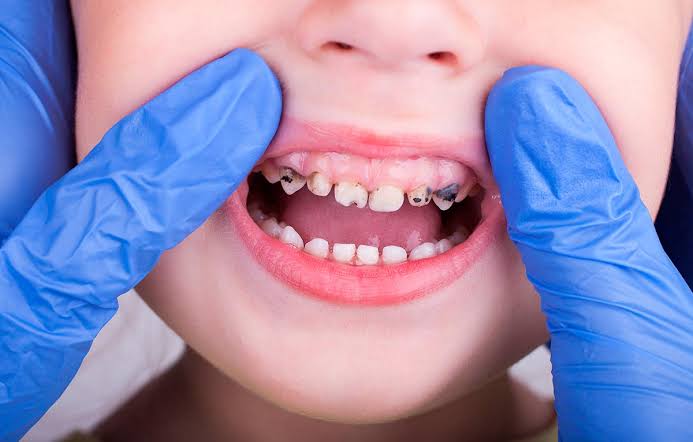
Among the most common causes of dental pain in children are cavities, gum inflammations, traumas, and the teething process. Particularly, the frequent consumption of sugary foods and drinks can lead to an increase in bacteria in the mouth and result in cavity formation. As cavities progress, they can damage the nerves of the teeth, leading to pain. Gum inflammation arises from plaque accumulation on the gums, causing inflammation, and if not treated early, can lead to more serious problems. The conditions that cause dental pain in children can be summarized as follows:
-
\t
- Cavities
- Gum inflammation
- Dental traumas
- Teething period
\t
\t
\t
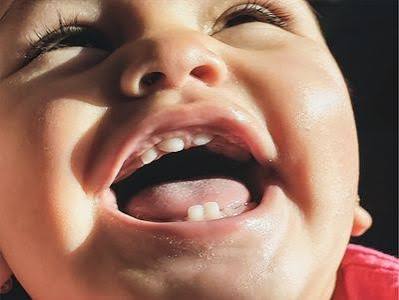
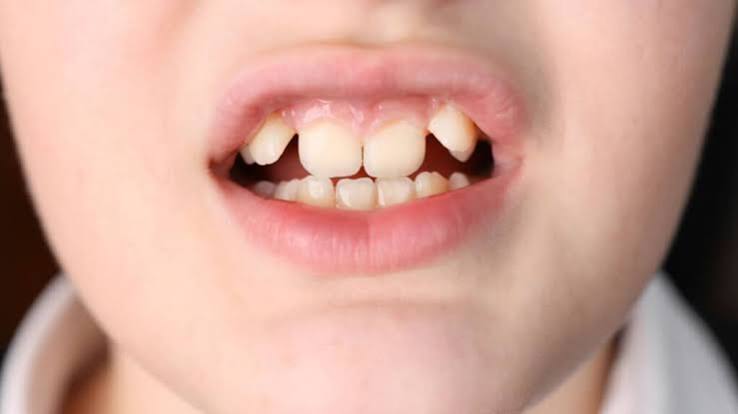
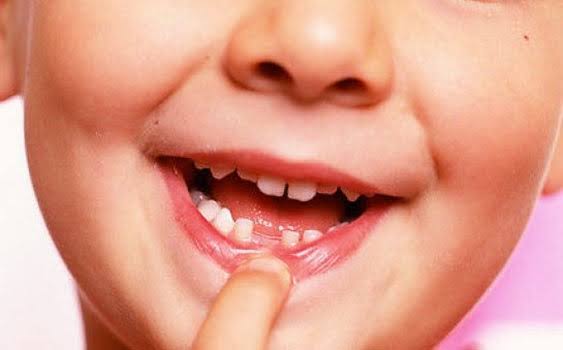
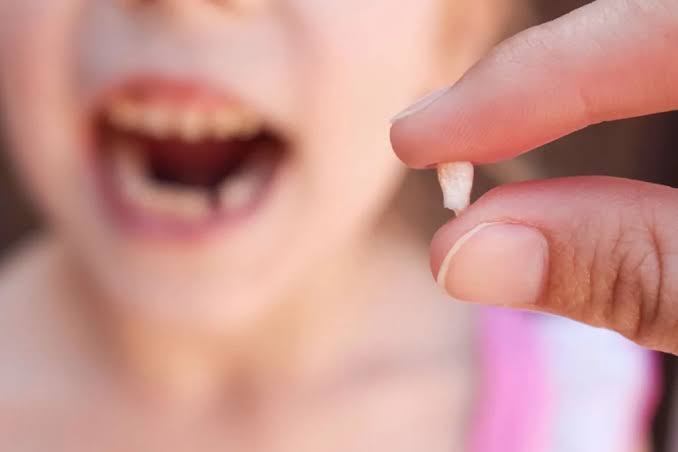
Dental traumas occur due to accidents like falls or impacts, and the severity of pain may increase in case of a fracture. The teething process in children can also be painful; especially when milk teeth erupt and permanent teeth settle, sensitivity in the gums may arise. Regular dental check-ups are essential for healthy dental development in children.
How Can Parents Quickly Help Their Children’s Dental Pain?
Parents can use various simple methods to alleviate their children’s toothache. First of all, some practices that can be done at home may help the child relax. Here are some methods that may be beneficial for your child’s toothache:
- Warm salt water gargle
- Application of cold compress
- Use of pain reliever in the correct dose
In addition to these, it is important to choose an appropriate pain reliever based on the child’s age and the severity of the pain. Paracetamol and ibuprofen are especially recommended pain relievers that are safe for children and can alleviate toothache when used in the correct dosage. However, attention should be paid to the medication usage instructions.
While home methods can provide temporary relief, if the pain persists for a long time or is very severe, consulting a dentist would be the best choice. The dentist can accurately identify the source of the child’s pain and recommend the necessary treatment. This way, the pain can be addressed in a lasting manner rather than just temporarily.
When Should You Consult a Pediatric Dentist for Your Child’s Toothache?
When your child experiences a toothache, there are certain situations where it is necessary to consult a professional pediatric dentist. If these types of discomforts are not intervened in a timely manner, they can lead to larger problems. The following symptoms indicate the importance of seeking support from a specialist dentist:
- Constant and severe pain
- Swelling in the gums, jaw, or face
- High fever along with toothache
- Difficulty eating or sleeping
- Cavity, broken, or cracked tooth
- Bad taste or odor in the mouth
The symptoms indicating dental pain may signal serious conditions such as infection, inflammation, or abscess in your child’s teeth. Since dental health in children is more sensitive compared to adults, early diagnosis and treatment are very important. It is necessary to visit a dentist to alleviate pain and prevent potential tooth loss. Regular check-ups for your child’s dental health can help prevent future dental problems.
What Preventive Measures Can Be Taken to Prevent Dental Pain in Children?
It is possible to take various protective measures to prevent dental pain in children. The first of these is to ensure that the child regularly visits the dentist for check-ups. These check-ups are a fundamental step in protecting dental health and can detect potential problems while they are still in the early stages. Children often do not express their toothaches or other dental issues; therefore, regular examinations are essential for early diagnosis.
Developing proper tooth brushing habits is also an important part of maintaining dental health. Brushing twice a day, using fluoride toothpaste, and cleaning with dental floss is recommended. These habits can help prevent tooth decay and dental pain.
Preventive measures include:
- Regular dental check-up
- Brushing twice a day
- Using fluoride toothpaste
- Cleaning with dental floss
- Avoiding sugary foods and drinks
- Balanced and healthy nutrition
Children’s eating habits directly affect dental health. Sugary foods and drinks can weaken tooth enamel, leading to cavities. Therefore, a child’s consumption of sugary foods should be limited. Instilling a healthy eating pattern in the child contributes to the strength of their teeth. Additionally, a child informed about dental health tends to maintain these habits throughout their life.
How Do Dental Treatments Address the Basic Causes of Dental Pain in Children?
Effective treatment methods for children experiencing dental pain vary according to the source of the pain, and each treatment aims to relieve the discomfort the child is experiencing while maintaining a healthy dental structure. Cavities, infections, or developmental dental issues are usually the underlying causes of dental pain in children. The treatment methods used to address these issues aim to both alleviate the pain and protect dental health.
-
\t
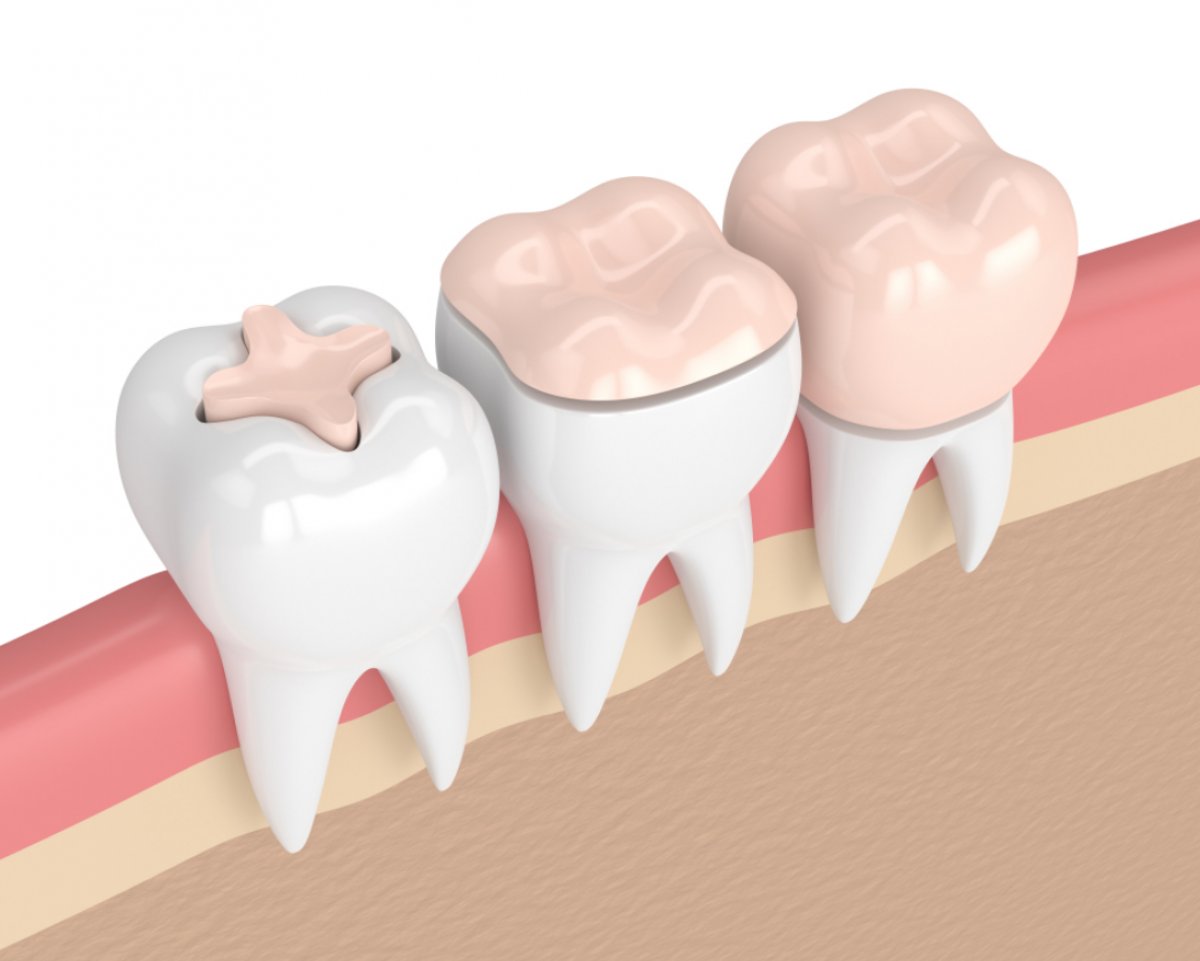
- Fillings: Composite resin
- Crowns: Protective coating
- Tooth Extraction: Removing infected teeth
- Pulpotomy: Removing pulp infection
- ART: Cleaning cavities
\t
\t
\t
\t