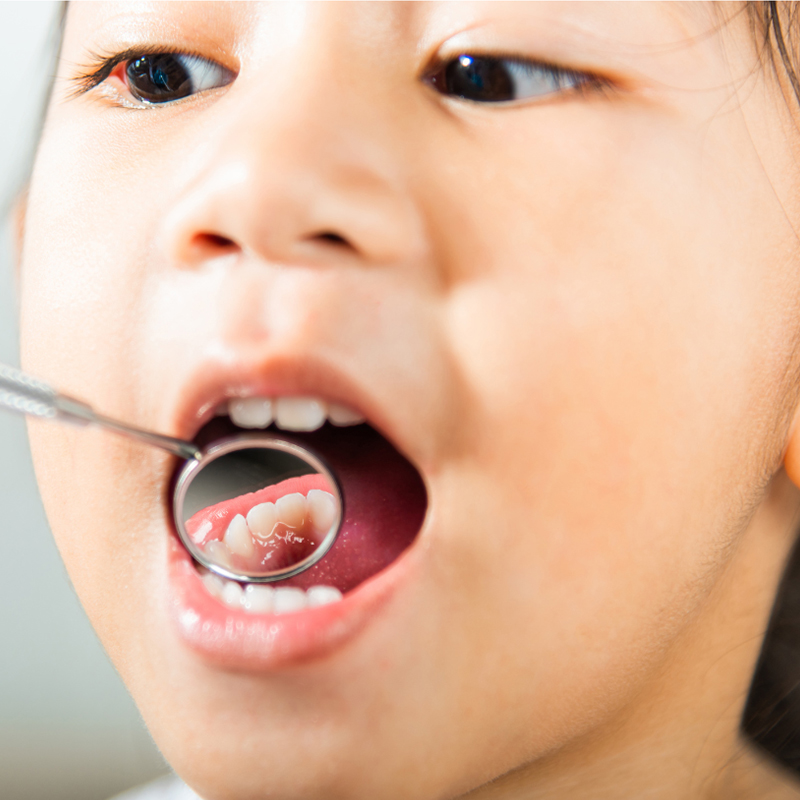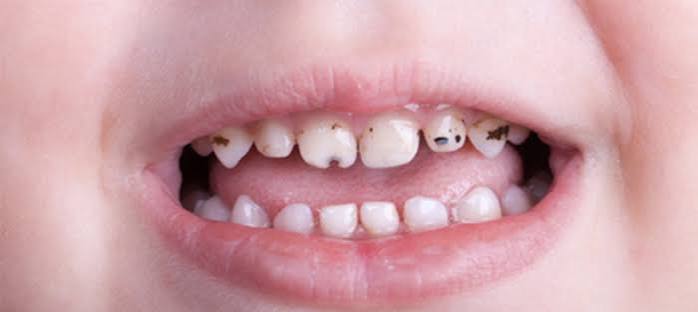

Tooth enamel is the hardest layer that protects the outer surface of our teeth. It does not contain living cells, and thus lacks the ability to regenerate itself. When it wears down, sensitivity, color changes, and even an increased risk of cracking and fragility may occur in the teeth over time. So, what can be done when this problem arises? Treatment options vary depending on the severity of the wear, ranging from simple fluoride treatments to dental bonding procedures, and even to more comprehensive restorations such as crowns or veneers if necessary.
| What is Tooth Enamel? | It is a hard structure made up mainly of calcium and phosphate minerals found in the outer layer of the tooth. | ||||
| Function | – Protects teeth from decay, acid, and abrasion | – Makes teeth durable during chewing and heating | – Provides insulation against hot and cold sensitivity | ||
| Structure of Tooth Enamel | – Composed of 96% minerals (mostly hydroxyapatite crystals). | – Contains no nerves or blood vessels, and therefore cannot renew itself. | |||
| Why Does Tooth Enamel Wear Away? | – Acidic Foods: Soft drinks, fruit juices, vinegar, etc. | – Sugary Foods: Cause bacteria to produce acid. | – Incorrect Brushing: Using a hard toothbrush or abrasive toothpaste | – Teeth Grinding (Bruxism): Thinning of enamel due to continuous grinding | – Dry Mouth: Inability to neutralize acids due to reduced saliva |
| Signs Indicating Tooth Enamel Wears Away | – Sensitivity to hot, cold, or sweet foods | – Dullness or yellowing of teeth | – Pain in teeth while chewing | – Pits or cracks on the tooth surface | |
| Methods to Protect Tooth Enamel | – Using Fluoride Toothpaste: Helps strengthen minerals. | – Preventing Teeth Grinding: Use a dental splint at night. | |||
| Is Dental Enamel Repairable? | – Dental enamel cannot renew itself, but it can be strengthened through remineralization. – Products containing fluoride, calcium, and phosphate can help protect enamel. – In advanced decay cases, bonding, crowns (veneers), or filling treatments may be applied. |
What is Dental Enamel and Why is it Important?
The dental enamel that covers the outer surface of teeth is known as the hardest tissue in the body. This hardness comes from mineral crystals called “hydroxyapatite” present in the main structure of enamel. Thanks to its dense mineral composition, dental enamel can withstand high forces (pressures exceeding 100 MPa) during biting and chewing. Additionally, its hardness is placed in the range of 5–6 on the Mohs hardness scale; this value is higher than both bone and dentin hardness.
Although dental enamel is strong and durable, it is actually a thin layer and is constantly exposed to external factors such as nutrition, pH levels, chemical agents, or mechanical forces, which can lead to wear over time. If the dental enamel is damaged, the underlying dentin layer and the nerves within the tooth (pulp) remain unprotected. This situation can lead to issues over time such as sensitivity to hot-cold, pain, cavities, and even tooth fractures.
Since there are no living cells in the enamel, it is not possible for damaged areas to heal themselves. The phrase “there is no going back” may come to mind here; however, the early-stage mineral loss (demineralization) occurring in the enamel can be partially halted or remineralized with some preventive and therapeutic applications. Particularly, damages in the initial stage can be compensated with fluoride and saliva (saliva) support; however, professional treatments are necessary for advanced level wear.
Tooth enamel also plays a critical role in the aesthetics of teeth. Its thickness and color are factors that determine how our smile appears. When it is worn down, the color of the underlying dentin becomes more prominent, and teeth can take on a yellowish or opaque appearance. Therefore, maintaining the health of tooth enamel is also of great importance from an aesthetic perspective.
What Causes Tooth Enamel Erosion?
Tooth enamel erosion (erosion and/or abrasion) can occur due to a combination of many factors. Fundamentally, it can be examined under two main headings: “chemical” and “mechanical” factors. However, environmental conditions and personal habits also play a significant role.
Acidic Foods and Beverages:
- Citrus fruits such as lemons, oranges, and grapefruits contain a high amount of acid, and these acids can cause the dissolution of the mineral crystals in the enamel structure.
- Carbonated beverages (cola, sodas), fruit juices, energy drinks, and vinegar-based sauces also weaken tooth enamel by lowering oral pH. Particularly, sipping acidic drinks throughout the day creates a constant acidic environment on the enamel surface, accelerating wear.
Sugary Diet and Bacterial Activity:
- Sugary foods or refined carbohydrates (white bread, biscuits, etc.) are rapidly fermented by bacteria in the mouth, leading to acid production.
- This situation increases plaque formation on teeth and intensifies acid attacks. Continuous exposure to acid attacks can demineralize tooth enamel.
Dry Mouth (Xerostomia):
- Dryness of the mouth reduces the protective effect of saliva, which strengthens the neutralization of acids.
- Certain medications (like antihistamines), systemic diseases, or inadequate fluid intake can cause xerostomia. The lack of saliva can weaken the protective layer on the enamel.
Reflux (GERD) and Stomach Acid Exposure:
- The reach of stomach acid to the mouth can cause erosion, especially on the inner (lingual) surfaces of the anterior teeth.
- Chronic reflux patients or those with eating disorders (bulimia) experience frequent vomiting, which increases the duration of acid exposure to their teeth.
Mechanical Abrasion (Grinding and Abrasion):
- Teeth grinding or clenching (bruxism) can lead to micro-cracks and flattening on the enamel surface.
- Excessively hard brushing or using very hard-bristled toothbrushes can facilitate faster abrasion on chemically softened enamel.
Environmental and Occupational Factors:
- Individuals frequently exposed to acidic vapors in chemical industry environments have an increased risk of dental abrasion.
- Swimming in chlorinated pool water for extended periods can also affect enamel surfaces due to fluctuations in pH levels.
How Does Tooth Enamel Abrasion Start? Initial Stage: Demineralization
Dental enamel is a structure in which calcium and phosphate ions are tightly bound together in the form of hydroxyapatite crystals at a large scale. When exposed to an acidic environment (below pH 5.5), calcium and phosphate ions slowly begin to dissolve from these mineral crystals on the enamel surface. This process is referred to as ‘demineralization’.
- Early Stage White Spots: There may not yet be any visible cavities or color changes on the enamel surface. However, upon careful examination, opaque white spots may be noticeable in certain areas. These spots indicate that subsurface mineral loss has begun.
- Micro-Level Structural Changes: Acid attacks create invisible microvoids (pores) in the outer layer of the enamel. These voids make the enamel more brittle in later stages.
- Saliva and Fluoride Support: In this early stage, it is possible to reintroduce minerals (remineralization) due to supportive minerals like calcium-phosphate and fluoride provided by saliva. Thus, fluoride used in toothpastes or treatments can adhere to the enamel surface, filling these voids and partially restoring the structure.
- Imbalance Situation: If the effects of an acidic environment or bacterial plaque are repeated frequently, they negate the healing effects provided by saliva and fluoride. Consequently, continual mineral loss occurs, and the enamel begins to thin in an irreversible manner.
At this stage, simple measures (reducing acidic foods, better oral hygiene, sufficient fluid intake, fluoride supplements, etc.) can prevent the damage from deepening. Demineralization represents the most critical starting point in enamel erosion; intervening upon noticing it can prevent the need for larger restorations in the future.
What Are the Symptoms of Enamel Erosion?
The symptoms of enamel erosion gradually appear over time, and often, individuals do not notice these signs in the early stages. However, even small changes can signal significant problems in dental health.
Sensitivity (Dentin Sensitivity):
- Initially, there may be a slight tingling sensation felt occasionally, particularly with cold or hot foods.
- In later stages, sweet, sour, or very hot beverages can also lead to sharp pain in the teeth.
Color Change (Yellowish Tones):
- Thinning of the enamel causes the dentin layer underneath to become more visible.
- Dentin usually has a yellower or sometimes darker tone. This can make the teeth appear more yellow or dull.
Shape and Surface Changes:
- Cupping (localized erosion areas known as “cupping”) may occur on the chewing surface.
- The edges of incisors may gradually become more translucent, sharper, or have a frosted appearance.
Fragility and Micro Cracks:
- Exposed teeth become more brittle, and micro cracks may develop or small pieces may break off.
- When pressure is applied to the teeth (e.g., biting hard food), tiny cracking sounds may even be heard.
Aesthetic Issues:
- Deformities of teeth such as shortening, rounding, or uneven surfaces can be aesthetically displeasing.
- In advanced stages of erosion, brown or gray areas may appear on the teeth, which usually indicate dentin and enamel degradation.
Can the Tooth Bonding Method Repair Erosion?
Bonding is a protective and aesthetic treatment method applied to teeth that have suffered material loss due to bonding, erosion, or other reasons. It involves the application of a composite resin material in the color of the tooth (with bonding agent) to the tooth surface. The purpose is to reshape eroded or damaged areas and restore the tooth’s form and function.
How is it applied?
- First, the tooth surface is cleaned and lightly roughened using the acid-etch method. This step ensures a stronger adhesion of the bonding material to the tooth.
- Then, the bonding agent is applied, and the composite resin material is added to the missing parts of the tooth. The material is hardened with a special light source.
- Finally, the appropriate shaping and polishing procedures are performed to ensure the tooth surface fits well. This way, both an aesthetic appearance is achieved, and the lost enamel area is reinforced.
Advantages:
- The application is relatively quick and economical; it is usually completed in a single session.
- Aesthetic improvement can be made without losing much of the tooth structure.
- It protects the dentin by reducing sensitivity and prevents further wear of the enamel structure.
Things to consider:
- Composite materials may change color or wear over time, so regular check-ups and maintenance are necessary.
- In cases where biting forces are very high (such as in patients with bruxism), the bonding material may wear down more quickly. It is important to support it with necessary protective measures (like a night guard).
Scientific studies show that the bonding process is successful on the surfaces of teeth exposed to erosion and can create a strong bond with enamel. Therefore, in cases where dental enamel has suffered slight to moderate damage, the bonding procedure is a highly effective option for restoring aesthetics and function.
How to Prevent Tooth Crowns from Wearing?
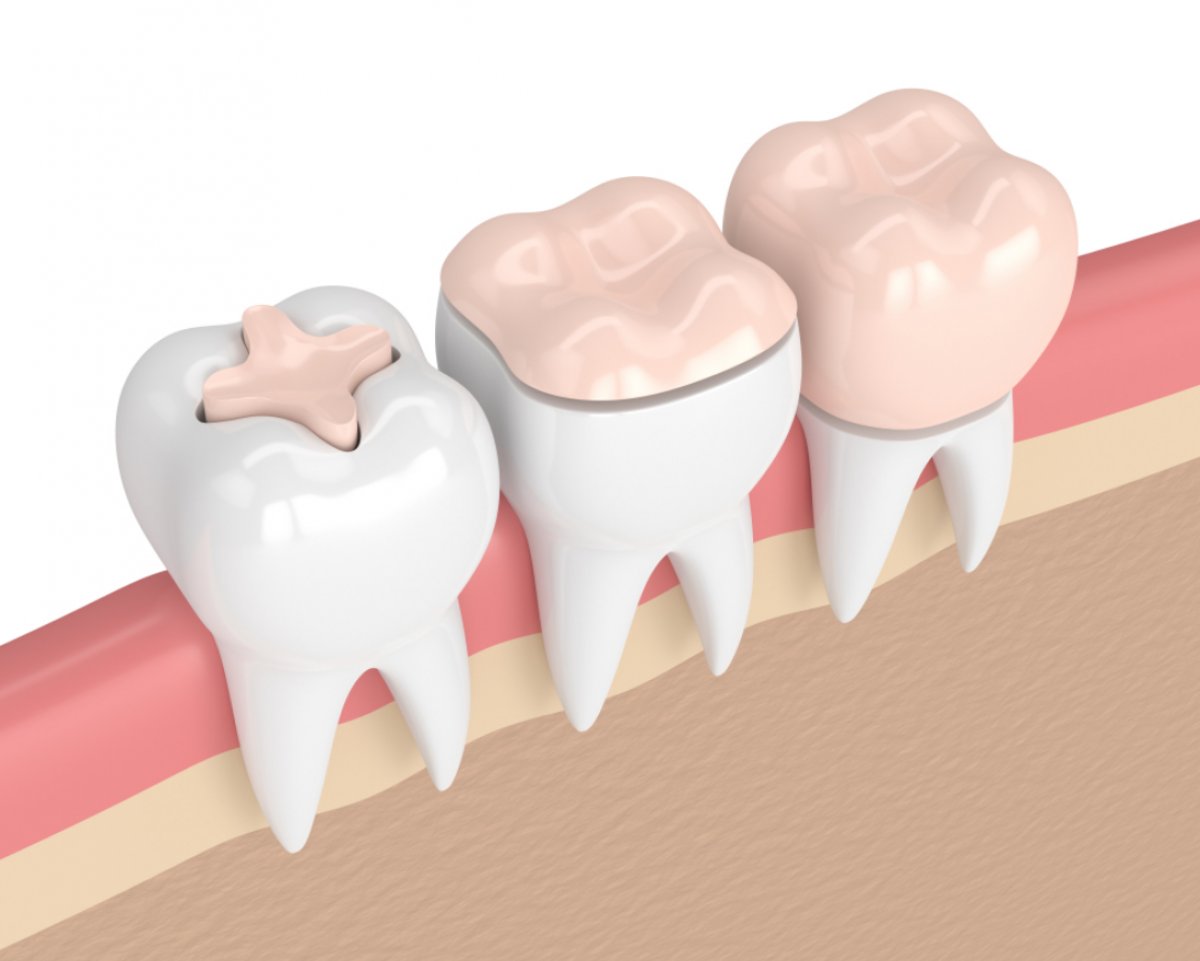
When we refer to “tooth crowns” here, we generally mean sealant materials that are applied for protective purposes (fissure sealant). Especially during childhood or young age, closing the grooves and depressions (fissures) on chewing surfaces of teeth is a commonly preferred protective treatment. It can also be applied to adults with similar principles.
How Does It Work?
- Sealant or similar covering materials create a thin protective layer on the tooth surface, preventing acids from directly contacting the enamel surface.
- It also reduces bacteria’s adhesion areas. Thus, it decreases the risk of decay formation and acid erosion.
Fluoride Sealants:
- Some sealant materials have the ability to release fluoride. In this way, it not only creates a physical barrier but also helps make the surface more resistant to acids by providing fluoride to the enamel tissue.
Durability and Maintenance:
- The application of sealant is a simple and painless procedure. However, over time, detachment or wear may occur.
- In regular dental check-ups, the integrity of the protective layer is checked, and renewal is done when necessary.
How Long Does Its Effect Last?
- Typically, sealant can remain effective for several years; this duration varies depending on the material used, the position of the tooth, and the patient’s chewing habits.
- Even a small amount of enamel remaining in partial abrasions can continue to exert a slowing effect against acid erosion.
Is Fluoride Treatment Effective for Enamel Erosion?
Fluoride interacts with tooth enamel to convert hydroxyapatite into a more acid-resistant “fluorapatite” form, or at least supports the formation of fluorapatite-like structures as a superficial layer. This makes the enamel surface more resistant to acid attacks and slows down the rate of demineralization.
Key Benefits of Fluoride:
- Reduction of Mineral Loss: When fluoride products (toothpaste, mouth rinses, varnishes) are used regularly, they partially prevent the onset of erosion on the enamel surface.
- Reduction of Sensitivity: It is considered that fluoride has a plugging effect on dentin tubules. These tubules are connected to the pulp chamber where nerve endings are located. Their blockage contributes to a reduction in sensitivity.
- Supporting Remineralization: Fluoride interacts with calcium and phosphate ions present in saliva, supporting the repair process of enamel.
Treatment Methods:
- Topical Fluoride Applications: High-concentration fluoride gel or varnish treatments that dentists can perform in their offices are particularly effective for protecting areas prone to abrasion.
- Daily Care Products: Products like fluoride toothpaste, mouth rinses, or tablets provide long-term protective effects when used regularly.
- Stannous Fluoride (SnF₂): Some studies suggest that toothpaste containing stannous fluoride may create a more effective barrier against erosion compared to sodium fluoride (NaF).
Limitations:
- Fluoride alone cannot completely stop tooth erosion. Particularly if pH levels are consistently low and prolonged or if mechanical wear (such as hard brushing, bruxism, etc.) is a factor, it may not be sufficient on its own.
- In cases where erosion reaches advanced levels, additional restorative methods may be necessary.
Fluoride treatment is at the center of the strategy to protect tooth enamel. However, in order to achieve maximum effectiveness from fluoride applications, it is essential to reduce the consumption of acidic beverages, support saliva flow, and not neglect regular dental check-ups.
How Does Diet Play a Role in Preventing Tooth Enamel Erosion?
One of the biggest enemies of tooth enamel is the acidic and sugary foods that create an unbalanced pH environment in the mouth. High-acid or sugary foods trigger bacterial and acid activity, leading to rapid mineral loss on the enamel surface.
Acidic Foods and Beverages:
- Citrus fruits (lemons, oranges, grapefruits), foods containing citrus juices and vinegar are direct sources of acid.
- In carbonated and energy drinks, the pH value is often around 3. The critical pH value for tooth enamel is 5.5. Consequently, frequently consuming these beverages leaves the enamel in a continuously defenseless environment.
Sugary and Starchy Foods:
- Sugar is a “feast” for bacteria; they produce acid through rapid fermentation.
- Consuming snacks like chocolate, candies, and cookies in frequent intervals can cause the mouth’s pH to remain acidic for prolonged periods.
Eating Habits:
- Instead of consuming acidic beverages all at once, sipping them throughout the day can lead to the enamel surface being continuously exposed to acid attacks.
- Drinking or eating with your mouth open for a long time delays the chewing and swallowing process and extends the contact time with acids.
Protective Foods and Beverages:
- Drinking plenty of water helps acids quickly leave the oral environment.
- Foods rich in calcium, such as cheese and milk, help neutralize oral pH and provide mineral supplementation.
- Fiber-rich vegetables (like carrots and celery) help clean the tooth surface by promoting saliva flow.
The effect of diet on dental enamel is not only limited to what foods are consumed; how often and in what manner they are consumed is equally important. Allowing time for the neutralization of oral pH, leaving sufficient time between snacks, and drinking plenty of water significantly contribute to the protection of tooth enamel.
How Does Saliva Protect Tooth Enamel?
Saliva is a multifaceted defense system that protects tooth enamel. It is not coincidental that a person experiencing dry mouth encounters dental issues more frequently.
Neutralizing Acids:
- Saliva buffers acids with the bicarbonate ions it contains and helps raise pH levels.
- After meals, saliva production increases and cleans food residues in the mouth; during this time, pH gradually returns to normal.
Mineral Supplementation (Remineralization):
- Saliva is rich in calcium and phosphate. These minerals can partially compensate for damage by adhering to demineralized enamel areas.
- When combined with fluoride products, this remineralization effect is further enhanced.
Physical Cleaning:
- Since it maintains a constant flow, it prevents food residues and bacteria from remaining on the tooth surface for a very long time.
- Sticky foods are broken down by the influences of saliva and are pushed away from the mouth during swallowing.
Formation of Pellicle Layer:
- The proteins within the saliva form a thin film (pellicle) on the tooth surface. This layer acts as a kind of buffer zone against acids.
- At the moment of acid release, while the proteins in the pellicle layer may be partially damaged, the direct contact of the acid with the enamel is delayed.
For the health of the tooth enamel, the saliva function must be at an optimum level. Getting enough fluids, avoiding sugary and acidic drinks, and chewing saliva-enhancing gums (like xylitol) support the efficient functioning of this protective system. If there is a decrease in saliva production or if chronic dry mouth is an issue, protecting the dental enamel becomes much more difficult and the need for professional support increases.
When Are Crowns or Veneers Recommended for Tooth Enamel Erosion?
When tooth enamel erosion is detected in the early stages, it can often be managed with smaller interventions such as fluoride treatments, bonding, fillings, or protective sealants. However, when erosion reaches advanced stages, where a significant part of the tooth structure is lost or when the shape and durability of the tooth are irreparably damaged, prosthetic restorations like crowns (caps) or veneers (porcelain laminates) come into play.
When is a Crown (Cap) Necessary?
- If there is extensive erosion on the tooth chewing surfaces, micro-cracks, or deep fractures; a crown, which is a structure that covers the tooth completely, provides both protection and functionality.
- Especially in the back teeth (molars), they are preferred to increase resistance against strong chewing forces and to preserve the existing tooth structure.
When is Veneer (Laminate) Needed?
- In the front teeth, when there is significant enamel wear in areas where aesthetics is a priority, veneers may be considered if there is sufficient healthy enamel on the back surface of the tooth.
- Veneers are applied by creating a thin layer of porcelain or composite only on the front surface of the tooth. This method largely preserves the natural structure of the tooth, but it is essential to have adequate enamel thickness.
Selection Criteria:
- The degree and location of the wear (for example, is it only on the chewing surface, or is it around the entire tooth?).
- The patient’s jaw structure, bite patterns, and habits like teeth grinding (bruxism).
- Aesthetic expectations and issues related to the color and shape of the teeth.
- Economic and time factors.
Crowns and veneers are a more comprehensive restoration form that can be considered a “last resort.” Nevertheless, they are quite effective in preserving teeth for those with significant enamel loss. When done properly, they can last for many years and restore function and aesthetics. However, these procedures cannot be reversed; some tooth structure is always sacrificed during tooth preparation. Therefore, it is important to prefer more conservative methods in the early stages of enamel wear.
What Lifestyle Changes Should Be Made to Prevent Enamel Wear?
Control of daily habits is significantly related to enamel wear. Small changes that seem simple can create a big difference in the long run, potentially slowing down or completely preventing enamel loss.
Limiting Acidic and Sugary Food Intake:
- Sugary drinks, fruit juices, energy drinks, and sugary snacks should not be consumed too frequently throughout the day.
- Drinking carbonated beverages through a straw helps reduce contact with the tooth surface and provides a protective effect.
- Consuming them alongside meals increases saliva production in the mouth, helping to neutralize acid.
Adequate Fluid Intake:
- Water plays an important role in removing acid and food residues from the tooth surface.
- Additionally, it helps maintain the overall moisture balance of the body, contributing to the health of saliva production.
Proper Brushing Technique and Tools:
- Brushing teeth immediately after eating or consuming acidic drinks can increase abrasive effects on softened enamel. It is recommended to wait at least 30 minutes.
- Rather than using very hard-bristled toothbrushes, medium or soft-bristled brushes should be used, and brushing should be done gently in circular motions.
- Choosing fluoride toothpaste supports the remineralization process.
Chewing Sugar-Free Gum:
- Particularly, gum containing xylitol helps increase saliva production, which aids in neutralizing acid and cleaning the tooth surface.
- Chewing sugar-free gum when feeling sudden hunger or the need to snack may also reduce the likelihood of reaching for high-sugar foods.
Stress Management and Bruxism Control:
- Stress triggers many people to grind or clench their teeth, causing mechanical wear on the enamel surface.
- Protective devices like night guards or exercises to relax the jaw muscles can reduce the pressure resulting from teeth grinding.
Regular Check-ups and Professional Support:
- It is important to visit the dentist at regular intervals to detect early enamel wear and undergo preventive treatments.
- When necessary, professional cleaning, fluoride treatments, or fissure sealants may be applied.
When Should You Consult a Dentist for Enamel Wear?
Enamel wear generally progresses slowly and may not cause significant discomfort in the early stages. However, some symptoms indicate that a dentist’s expert examination is needed:
Persistent Sensitivity:
- If there is a sharp and prolonged sensitivity to cold, hot, or sweet foods, the protection between the enamel and dentin may have weakened.
- If sensitivity is not temporary or intensifies over time, a professional examination and necessary treatment are required.
Visible Color Changes:
- If you notice distinct yellowing, opaque white spots, or browning on teeth, there may be an issue with the enamel surface or underlying layers.
- Apart from aesthetic reasons, this color change may indicate that the underlying dentin is becoming exposed or that decay has started.
Shape and Surface Defects:
- If there are depressions on chewing surfaces, thinning on cutting edges, pitting, cracks, or fractures, it is crucial to see a dentist.
- Even small cracks or breakages at the corners can turn into issues that may lead to larger restorations in the future.
History of Continuous Acid Exposure:
- Individuals exposed to factors such as gastritis, reflux, frequent vomiting (e.g., eating disorders), or excessive consumption of acidic beverages should undergo regular check-ups.
- These individuals have a higher risk of erosion on their teeth, and frequent examinations may be recommended for early detection.
Self-Resisting Toothache or Discomfort:
- Intermittent but recurring toothaches or a feeling of discomfort while chewing may indicate progressive enamel loss and damage to the internal structures of the tooth.
Can Enamel Erosion Naturally Revert?
Tooth enamel is not a tissue that can “regenerate” in a way that allows it to revert once eroded. This is because it is not made up of living cells and does not receive nourishment through the bloodstream. However, a process that can be termed “partial repair,” known as remineralization, may occur in the early stages. In this process, saliva and fluoride are the greatest allies.
Limits of Remineralization:
- If a region has not yet experienced micro-level erosion or subsurface mineral loss, calcium-phosphate and fluoride ions can adhere to this area, partially repairing structural damage.
- However, if pitting, severe color change, or dentin exposure occurs in the enamel, it is not realistic to expect natural reversal at that point.
Natural Supportive Factors:
- Abundant saliva production and prevention of dry mouth provide a continuous protective layer and mineral source.
- Fluoride-containing toothpaste and mouthwashes optimize remineralization.
- A balanced diet and avoidance of acidic-sugary foods reduce the frequency of erosive attacks on enamel.
Advanced Case Examples:
- If there is significant deformity on the enamel surface, yellow or brown discoloration, sensitivity, and pain, professional dental treatment may be necessary. Methods such as bonding, filling, crowns, or veneers may come into play.